


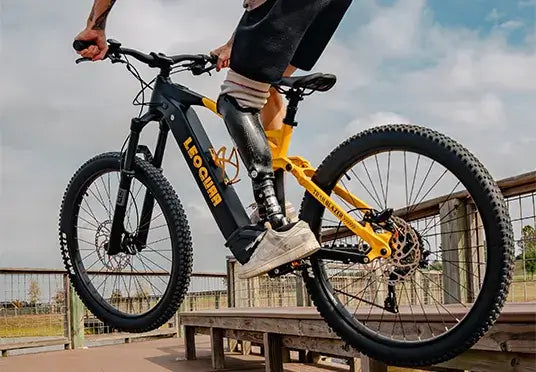


Electric Enduro Mountain Bike vs. Trail E-MTB: What Are the Differences?
What is the real difference between an electric enduro bike and a trail E-MTB? While both feature powerful mid-drive motors, high-capacity batteries, and rugged suspension built for off-road terrain, their design priorities on the mountain are vastly different. An electric enduro bike is engineered for steep, high-speed, technically punishing descents, treating climbs as a way to reach the next downhill run.
In contrast, a trail E-MTB offers a much more balanced riding experience—combining efficient climbing, nimble handling, and responsive control for all-day singletrack adventures. This core distinction shapes every aspect of the bike, including frame geometry, suspension travel, component choices, and overall weight. This guide breaks down those key differences to help you choose the right E-MTB for your preferred riding style and local trails.
Electric Enduro vs. Trail E-MTB
The simplest way to separate the categories is to ask where each bike makes the fewest compromises. Enduro puts descending stability first. Trail puts versatility first.
|
Buying factor |
Electric enduro mountain bike |
Trail E-MTB |
|
Main priority |
Steep, rough, high-speed descents |
Balanced all-day trail riding |
|
Typical suspension approach |
Longer travel and more impact margin |
Moderate travel and responsive handling |
|
Geometry feel |
Slacker and more planted |
More neutral and easier to maneuver |
|
Climbing character |
Capable but less lively |
More efficient and agile |
|
Component focus |
Descending strength and heat control |
Versatility, weight, and value |
|
Best terrain |
Repeated technical descents and bike-park-style features |
Rolling singletrack and mixed climbs and descents |
Category labels are not controlled standards. Compare the actual geometry chart, suspension specifications, brakes, tires, and total weight rather than relying on the word “enduro” alone.
Enduro Geometry Favors Steep Descents
Geometry shapes how an electric mountain bike behaves before the motor even switches on. An enduro design commonly uses a slacker front end and a longer, more stable stance. That places the front wheel farther ahead of the rider, helping the bike feel composed when the trail becomes steep or speed rises.
The tradeoff appears on slower terrain. A long, slack bike usually requires more deliberate steering through tight switchbacks and can feel less energetic on flatter trails. Added motor and battery weight can amplify that planted character.
A trail E-MTB generally takes a more neutral approach. It still needs downhill confidence, but it should change direction readily and keep the front wheel manageable on climbs. Riders who spend more time on rolling singletrack than on sustained fall-line descents often benefit from that balance.
Compare fit before category labels
Reach, stack, wheelbase, head angle, and seat angle work together. A rider should compare complete geometry and choose the correct frame size instead of selecting an electric enduro mountain bike solely because its category sounds more capable.
Trail E-MTBs Balance Climbing and Control
Both categories can climb well with the right motor, gearing, tires, and technique. Their climbing personalities differ. A trail E-MTB is normally expected to handle frequent elevation changes without making every smooth ascent feel like a transfer stage.
An enduro bike’s stable stance and robust tires can provide confidence on rough climbs, yet the same strength can increase weight and rolling resistance. That is worthwhile when the route rewards the rider with long, demanding descents. It may be unnecessary on flowing local loops.
Mid-drive assistance matters in either category because it works through the bicycle’s gears. Leoguar’s guide to why mid-drive electric bicycles perform well on hills explains why shifting early and maintaining cadence are more useful than simply demanding maximum assistance.
Route shape changes the answer
Do not judge only by the steepest feature on one ride. Look at the whole route. Repeated punchy climbs, flat connectors, and tight corners tend to favor trail versatility. Shuttle-style laps, prolonged rough descents, and larger impacts make enduro priorities more relevant.
Electric Enduro Suspension Handles Bigger Hits
Suspension is one of the clearest category signals. Electric enduro mountain bikes commonly offer greater travel and more adjustment intended to control repeated impacts. Trail E-MTBs usually use a moderate amount of travel to preserve feedback and pedaling support while still absorbing roots, rocks, and trail chatter.
Travel alone does not determine performance. Spring setup, damping, frame kinematics, rider weight, and maintenance condition all matter. Excessively soft suspension can reduce support, while an incorrect rebound setting can make either bike feel unsettled.
Setup beats unused travel
A correctly adjusted trail E-MTB can outperform a poorly set up enduro bike on ordinary singletrack. Use the manufacturer’s setup procedure, establish sag for the rider and gear, and make small damping changes while testing the same section of trail.
Electric Mountain Bike Power Priorities
An electric enduro mountain bike does not automatically need the highest advertised wattage. Predictable response at low cadence, thermal management, battery placement, and integration with the drivetrain can matter more than one headline number.
Trail and enduro riders both benefit from a centered mid-drive layout on technical ground. Motor support can extend the ride and help recover elevation, but it cannot compensate for poor braking, unsuitable tires, or weak line choice. Battery size also creates a tradeoff: more capacity may support longer rides, while added mass affects direction changes and lifting the bike over obstacles.
The mid-drive versus hub-drive eBike guide explains the mechanical layouts in more detail. Within trail and enduro categories, compare response, usable range under your expected assist level, and the ease of managing the bike when assistance is off.
Enduro Components Add Strength and Weight
Descending creates repeated heat and impact loads. An electric enduro mountain bike therefore tends to prioritize powerful brakes, robust wheels, aggressive tire casings, and components chosen for control under sustained punishment. Those parts may improve durability and confidence, but they can also increase purchase price, replacement cost, and total weight.
A trail E-MTB can use strong components without taking every specification to an enduro extreme. Lighter tires may accelerate and roll more easily. Moderate brake and wheel packages may be entirely appropriate when descents are shorter, and speeds are lower.
Inspect component specifications as a system:
· Brake calipers and rotor sizes should match rider mass, terrain, and descent length.
· Tire tread and casing should suit the surface and puncture risk.
· Wheel strength should match riding intensity, not just motor power.
· Gearing should provide a low enough ratio for controlled technical climbing.
· A dropper post should offer usable clearance for the rider’s body position.
Trail Ownership Keeps More Routes Practical

More complex or heavily loaded equipment generally requires closer attention. Long-travel suspension needs scheduled service, aggressive tires wear, and powerful e-bike drivetrains place meaningful load on chains and cassettes. Enduro riding itself also increases the chance of wheel, tire, brake, and frame impacts.
A trail E-MTB is not maintenance-free, but its balanced build may cost less to keep ready if the rider does not routinely use enduro capability. Before buying, consider local service access, replacement-part availability, suspension service intervals, and whether the bike is easy to transport.
Leoguar positions the Trailblazer Mid-Drive eMTB as a trail E-MTB, not as an electric enduro mountain bike. Its current product page lists a 500W mid-drive motor, up to 100Nm of torque, a 720Wh battery, a 140mm RockShox fork, 27.5 × 2.6-inch Maxxis Rekon tires, Shimano four-piston brakes, and a 55-pound bike weight including the battery.
Which Electric Mountain Bike Fits Your Routes?
Choose an electric enduro mountain bike when your regular riding centers on steep, rough descents; you value stability over quick handling; and you are willing to accept extra weight and upkeep for greater impact margin.
Choose a trail E-MTB when your rides combine climbs, traverses, tight corners, and moderate descents; you want one bike for a wider variety of trails; and you prefer responsiveness over maximum downhill specialization.
If your local terrain sits between those descriptions, compare actual specifications rather than forcing the choice into a label. A capable trail E-MTB can cover occasional technical sections, while an enduro bike makes sense only if its descending advantages appear often enough to justify its compromises.
Before deciding, confirm trail access rules and arrange a test ride if possible. Use familiar terrain to evaluate low-speed steering, climbing position, braking control, and how easily you can move the bike without motor assistance. For questions about Leoguar model fit or current specifications, contact Leoguar support.
Electric Enduro Mountain Bike FAQ
What is an electric enduro mountain bike?
It is a pedal-assist mountain bike designed primarily for steep, technical descending while remaining capable of climbing back to the top. It commonly emphasizes stable geometry, substantial suspension, strong brakes, and durable tires.
Is an electric enduro mountain bike good for trail riding?
Yes, but it may feel heavier and less agile on smooth or tight trails than a balanced trail E-MTB. The better choice depends on how often the route uses its descending capability.
Does an enduro E-MTB climb worse than a trail E-MTB?
Not necessarily. Motor support, gearing, traction, and rider technique all matter. A trail E-MTB usually feels more efficient and maneuverable, while an enduro model accepts climbing compromises to gain descending stability.
How much suspension travel does an electric enduro bike need?
There is no universal requirement, and manufacturer labels vary. Enduro bikes commonly use more travel than trail bikes, but suspension quality, geometry, setup, and intended terrain matter as much as the travel number.
Is the Leoguar Trailblazer an electric enduro mountain bike?
Leoguar’s current product page identifies Trailblazer as a trail E-MTB. It can be evaluated against enduro priorities, but it should not be presented as an enduro model unless Leoguar changes its official classification.


Leave a comment