





Mid-Drive vs Hub Drive eBike: The Full Comparison
A mid drive ebike is the better choice for steep climbs, technical trails, and riders who want tighter control under load. A hub-drive eBike is the better choice for value, commuter simplicity, casual riding, and lower day-to-day maintenance.
Here is the short verdict: choose mid-drive if the motor needs to work with your gears, body position, and terrain changes; choose hub drive if you want a simpler electric bike for pavement, paths, errands, beach rides, or light off-road use.
| Best Choice | Pick This Drive Type | Why It Fits | Leoguar Example |
|---|---|---|---|
| Steep climbs and trail control | Mid-drive | Uses the bike’s drivetrain, keeps weight centered, feels more natural on changing terrain | Trailblazer Mid-Drive eMTB |
| Best value entry point | Hub drive | Lower cost, simple power delivery, less drivetrain strain | Sprint Fat Tire Utility eBike |
| Daily commuting | Hub drive | Easy to ride, fewer shifting demands, strong stop-and-go usability | Sprint, Flippo |
| Sand, snow, mud, mixed surfaces | Hub drive | Fat tires and assist make casual all-terrain riding accessible | Fastron SO / Fastron ST |
| Beach paths and comfort rides | Hub drive | Relaxed geometry, upright position, easy assist | Zephyr SO / Zephyr ST |
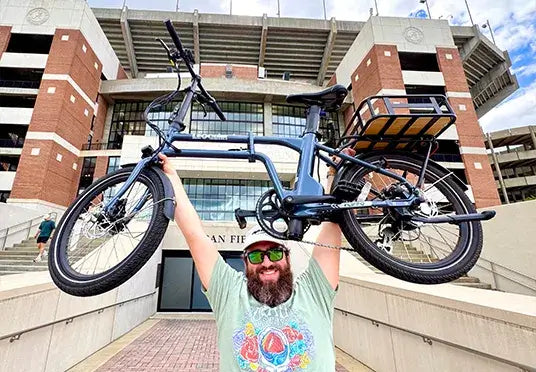
| Apartment and transit storage | Hub drive | Folding frame matters more than motor placement | Flippo Folding eBike |
What Is a Mid-Drive eBike?

A mid-drive electric bike places the motor near the crank, where you pedal. Instead of pushing from the wheel, the motor sends power through the bike’s chain, cassette, and gears.
That placement is why mid drive e bikes feel different from hub-drive models. When you shift into an easier gear on a climb, the motor benefits from that gear choice too. The result is more controlled torque at lower speeds, which matters on steep hills, loose dirt, rocky sections, and technical trail starts.
Leoguar’s Trailblazer is the brand’s mid-drive model. It uses a MotiNova mid-drive motor, a 720Wh battery rated for up to 100 miles, and trail-focused geometry in full-suspension or hardtail configurations. It also won 1st place at the 2025 E-Dirty Cross eMTB race, which is useful proof because trail performance is where mid-drive systems need to earn their price.
What Is a Hub-Drive eBike?
A hub-drive eBike places the motor inside the front or rear wheel hub. Most DTC eBikes use rear hub motors because they are cost-effective, mechanically simple, and strong enough for everyday riding.
The main difference is that a hub motor does not send power through the bike’s gears in the same way a mid-drive system does. It pushes the wheel directly. That makes hub-drive bikes easier to own for many riders because the motor is separate from the chain and cassette, but it can feel less refined on steep climbs or technical trails.
Leoguar uses hub-drive setups across models such as Sprint, Flippo, Fastron, and Zephyr. These bikes make sense for commuting, utility riding, fat-tire recreation, folding storage, and beach-cruiser comfort.
Verdict: Mid-Drive for Climbing, Hub Drive for Simplicity

If your rides include steep grades, uneven trails, switchbacks, loose dirt, or repeated climbs, a mid-drive eBike is the stronger choice. The motor’s central placement helps the bike feel balanced, and the ability to work through the gears gives you better control when speed drops and torque matters.
If your rides are mostly streets, bike paths, boardwalks, errands, campus routes, or weekend recreation, a hub-drive eBike is often the better buy. You get electric assist without paying for trail-level motor behavior you may not need.
That is the real buying decision. Mid-drive is not automatically “better” for everyone. Hub drive is not automatically “cheap” in a bad way. They solve different problems.
Mid-Drive eBike Pros
Better Climbing Efficiency
The biggest reason riders choose a mid drive electric bike is climbing. Since the motor works through the drivetrain, you can shift to a lower gear and let the motor stay in a more efficient operating range.
On a steep climb, this can feel less strained than a hub motor trying to push the wheel from a fixed position. For riders who live in hilly areas or ride mountain trails, that difference is easy to feel.
This is why the Leoguar electric mountain bike collection should be your starting point if hills and trails are the main reason you are buying an eBike.
More Natural Pedaling Feel
Mid-drive systems tend to feel closer to a strong rider helping at the crank. The assist comes through the same place your own pedaling force enters the bike, so the response can feel more connected.
This matters most when you are adjusting cadence, feathering power through corners, or climbing loose surfaces where too much abrupt push can break traction.
Better Weight Distribution
A mid-drive motor sits low and near the center of the frame. That helps the bike feel more balanced than a bike with most of its extra weight concentrated in the rear wheel.
On an electric mountain bike, this affects how the bike handles when you lean, lift over obstacles, or correct your line on rough terrain.
Stronger Trail Control
Trail riding is not only about motor wattage. It is about how power arrives. A mid-drive setup gives experienced riders more control over cadence, gear choice, body position, and tire grip.
Leoguar’s Trailblazer is built around that use case. Its MotiNova mid-drive motor, trail geometry options, and 720Wh battery make it the model to consider if you want a Leoguar bike for real off-road riding rather than casual path use.
Mid-Drive eBike Tradeoffs
Higher Purchase Price
Mid-drive systems usually cost more than hub-drive systems. Leoguar’s Trailblazer is priced at $2,899, while the hub-drive Sprint starts at $1,050. That price gap is meaningful.
If you ride flat city streets, paying more for mid-drive climbing behavior may not be the best use of your budget.
More Drivetrain Wear
Because the motor sends power through the chain and gears, a mid-drive bike can put more stress on drivetrain parts. Riders who shift poorly under load can wear chains and cassettes faster.
That does not make mid-drive unreliable, but it does mean the rider has more responsibility. Shift before the steepest part of a climb, avoid grinding in too hard a gear, and keep the chain maintained.
Not the Best Fit for Every Casual Rider
If you want a simple beach cruiser, a folding eBike for apartment storage, or a low-cost utility eBike, mid-drive may be more bike than you need. A hub-drive model can be easier to justify and easier to live with.
Hub-Drive eBike Pros
Better Value
Hub-drive eBikes are usually less expensive because the motor system is simpler to build. That makes them a strong choice for first-time buyers who want electric assist without moving into premium pricing.
The Sprint Fat Tire Utility eBike is Leoguar’s most affordable model at $1,050. It has a 350W motor, fat tires, a 3-in-1 rear mount for cargo or kid-seat setups, and up to 55 miles of range. For commuters and utility riders, that value is hard to ignore.
Lower Maintenance for Many Riders
A hub motor drives the wheel directly, so it does not put the same motor load through the chain and cassette. You still need to maintain brakes, tires, battery care, and normal bike parts, but the drivetrain often has an easier job than it would on a mid-drive bike.
That is one reason hub-drive eBikes are popular with commuters and casual riders.
Simple Stop-and-Go Riding
Hub-drive bikes are easy to understand. You pedal, the motor assists, and the bike moves. For city riding with traffic lights, errands, and short trips, that simplicity matters more than technical climbing control.
The Flippo Folding eBike fits this case well. Its quick-fold design is built for buses, trains, apartment storage, and urban commuting. If portability is your main concern, motor placement is less important than whether the bike fits your actual day.
Strong Casual All-Terrain Use
Hub-drive fat-tire models are a practical fit for riders who want grip and comfort on mixed surfaces without buying a trail-specific eMTB.
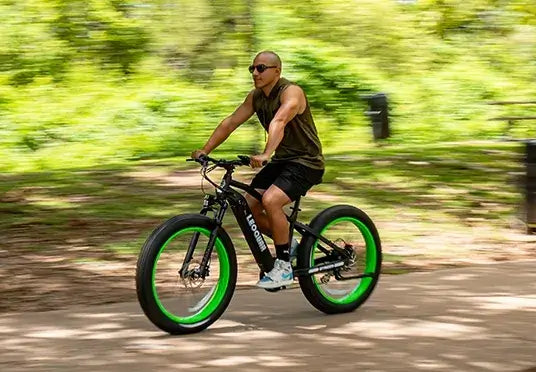
Leoguar’s Fastron SO and Fastron ST use 4-inch-plus fat tires for sand, snow, mud, and trails, with front suspension forks for rough-terrain comfort. The SO has a step-over frame, while the ST uses a step-through frame for easier mounting.
Hub-Drive eBike Tradeoffs
Less Refined on Steep Climbs
A hub motor can climb, but it does not gain the same gear advantage as a mid-drive motor. On long or steep grades, especially at low speeds, the ride can feel less efficient.
If steep climbs are a regular part of your route, you should compare a hub-drive model against the Trailblazer mid-drive eMTB before buying.
Rear-Heavy Feel
Many hub-drive bikes place extra weight in the rear wheel. For pavement and casual riding, this is usually fine. On technical trails, it can affect handling, especially when lifting the rear wheel, cornering on uneven ground, or riding loose surfaces.
Not Ideal for Competitive Trail Riding
Hub-drive fat-tire eBikes are fun and capable for recreation, but they are not the same as a purpose-built electric mountain bike. If you are choosing lines, climbing rough grades, and riding aggressively, a mid-drive eMTB is the better tool.
Mid-Drive vs Hub Drive: Key Buying Factors
Terrain
Choose mid-drive if you ride steep hills, mountain trails, loose climbs, or technical terrain. Choose hub drive if your riding is mostly flat to rolling pavement, paths, boardwalks, errands, or casual mixed surfaces.
If you are still comparing off-road options, Leoguar’s guide to the best electric mountain bikes is a useful next read.
Budget
A mid-drive eBike costs more because the system is more complex and performance-focused. Hub-drive bikes give you more choices at lower prices.
Leoguar’s factory-direct pricing spans from $1,050 for Sprint to $2,899 for Trailblazer. That range lets buyers choose based on real riding needs rather than paying for features they will not use.
Maintenance Style
Buy a mid-drive if you are comfortable treating the bike more like performance equipment. You will want to shift properly, maintain the chain, and pay attention to drivetrain wear.
Buy a hub-drive bike if you want a simpler ownership experience for commuting, errands, or recreational use.
Riding Feel
Mid-drive feels more natural because the assist comes through the crank area. Hub drive can feel more like the bike is being pushed from the wheel.
Neither feel is wrong. Trail riders often prefer mid-drive. Commuters often prefer the direct, easy push of a hub motor.
Safety Certification
Regardless of drive type, electrical safety matters. UL 2849 covers eBike electrical system evaluation and testing, including areas such as the battery, charger, and drive system. Check each exact model's current UL status before using a certification claim, because lineup-wide statements can become inaccurate as products change.
You can read more about UL’s eBike certification work through UL 2849 eBike electrical system certification.
Class and Local Rules
Drive type is separate from eBike class. Class rules are based on assist behavior, throttle use, and top assisted speed, not whether the motor is mid-drive or hub-drive.
PeopleForBikes explains the common eBike class framework in its policy materials, including how Class 1, Class 2, and Class 3 models are commonly defined. Before buying, check where you plan to ride, especially if you use multi-use paths, local trails, or regulated mountain bike areas.
Which Leoguar eBike Should You Choose?
Choose Trailblazer If You Want a Mid-Drive eMTB
Choose Trailblazer if you are a serious off-road rider, an eMTB enthusiast, or a cyclist who cares about climbing control. It is the Leoguar model that proves why mid-drive matters.
The Trailblazer uses a MotiNova mid-drive motor, has a 720Wh battery rated for up to 100 miles, and is offered with trail-focused geometry. Its 1st place finish at the 2025 E-Dirty Cross eMTB race gives it credibility beyond a spec sheet.
Do not buy Trailblazer if your main riding is short flat commutes, casual boardwalk rides, or low-speed errands. In those cases, a hub-drive Leoguar model will likely fit better and cost less.
Choose Sprint If You Want the Best Value Utility eBike
Choose Sprint if you want a practical commuter or utility eBike at the lowest Leoguar entry price. Its fat tires, 350W motor, 3-in-1 rear mount, and up to 55-mile range make it a strong fit for errands, work commutes, cargo, and daily riding.
Do not buy Sprint if your main goal is technical trail control. It is a value-focused utility bike, not a mid-drive mountain bike.
Choose Flippo If Storage Is the Problem
Choose Flippo if your eBike needs to fit into apartment life, public transit, or tight storage. The quick-fold design is the point here, with four color options and a compact commuter focus.
Do not buy Flippo if you want maximum trail stability or cargo capacity. Folding convenience comes first.
Choose Fastron SO or Fastron ST for Fat-Tire Comfort
Choose Fastron if you want fat-tire grip and front-suspension comfort for sand, snow, mud, trails, and rough paths. Pick the Fastron SO if you prefer a step-over frame. Pick the Fastron ST if easier mounting is more important.
Do not buy Fastron as a substitute for a competitive mid-drive eMTB. It is better viewed as a comfortable all-terrain hub-drive bike.
Choose Zephyr SO or Zephyr ST for Cruiser Comfort
Choose Zephyr if your ideal ride is upright, relaxed, and style-focused. The Zephyr SO has a step-over frame, while the Zephyr ST has a step-through frame that may suit women riders, seniors, and anyone who prefers easier mounting.
Do not buy Zephyr for aggressive trails or steep technical climbs. It is a beach cruiser, not a mountain bike.
You can compare the full lineup in the Leoguar electric bike collection.
Are Mid-Drive eBikes Worth the Extra Cost?
A mid-drive eBike is worth the extra cost if your terrain demands it. Steep climbs, technical trails, uneven surfaces, and off-road control all favor the mid-drive layout.
It is less worth it if your riding is mostly predictable and casual. A commuter who rides flat roads to work may get more practical value from a hub-drive model with the right frame, tires, rack options, and range.
Think of mid-drive as performance money. If you will use the performance, buy it. If not, put that money toward comfort, cargo features, folding storage, or a model that better matches your route.
FAQ
Is a mid-drive eBike better than a hub-drive eBike?
A mid-drive eBike is better for steep climbs, technical trails, and natural ride control. A hub-drive eBike is better for value, simple commuting, and lower drivetrain stress.
Is a mid-drive electric bike good for mountain biking?
Yes, a mid-drive electric bike is usually the better choice for mountain biking because the motor works through the gears and keeps weight centered. Leoguar’s Trailblazer is the brand’s mid-drive electric mountain bike option.
Do mid drive e bikes need more maintenance?
They can need more drivetrain attention because the motor sends power through the chain and cassette. Good shifting habits and regular chain care help reduce wear.
Are hub-drive eBikes bad for hills?
No, hub-drive eBikes can handle hills, but they are not as efficient or controlled as mid-drive bikes on steep or technical climbs. For serious climbing, choose a mid-drive model.
Which Leoguar eBike should I buy?
Choose Trailblazer for mid-drive trail performance, Sprint for utility value, Flippo for folding storage, Fastron for fat-tire mixed terrain, and Zephyr for cruiser comfort. Match the bike to your terrain first, then your budget.
Final Takeaway
For steep climbs and trail control, choose a mid drive ebike like Leoguar Trailblazer. For value, commuting, folding storage, fat-tire comfort, or beach-cruiser riding, choose a Leoguar hub-drive model such as Sprint, Flippo, Fastron, or Zephyr.
Explore Leoguar Bikes to compare model-specific safety details, factory-direct pricing, US warehouse fulfillment from Sugar Land, Texas, a 2-year warranty, and a 14-day return policy.


Leave a comment