



How Do You Plan a Fall Camping Trip With an E-Bike?
If I were going on a fall camping trip using an e-bike, I would first book the campsite and check the riding rules before I started packing. Afterward, I would start at sunset, when temperatures are lowest for the night, and at the nearest place where I am actually permitted to charge the bike. By carrying out those checks first, a one-night trip would remain fairly simple.
A campsite seems different in the autumn than it does in the summer: although it may be warm in the afternoon and so suitable for wearing a T-shirt, your hands will be cold when you're setting up the tent, and the journey home the following morning, once got back, seems longer because it's damp. You don't need a lot of equipment; you do need a plan that still works if the leaves are wet, the light fades early, or there's no outlet at your camping spot.
Choose a Campground for Fall
Once you've parked your e-bike, decide what kind of trip you want. Would you prefer a short ride from a drive-up location or are you planning to pedal all the way to the campsite? These represent different booking options. Although a hike-in site might be attractive, it might not permit you to push a 55- or 70-pound e-bike to your tent. Check the campground map and ask the operator how bikes get to the specific site, where they can be kept, and whether the gates shut at night.
Now look at the route. Although a campground may allow e-bikes, the nearby trail might not. The National Park Service states that each park can restrict which class of e-bike is permitted on certain roads and trails; state parks and private campgrounds set their own rules. Make sure to read the regulations for the specific destination you are going to, not those of the last park you visited. If the trail is closed after rain, plan to go for a walk or take a short ride on a legal road instead.
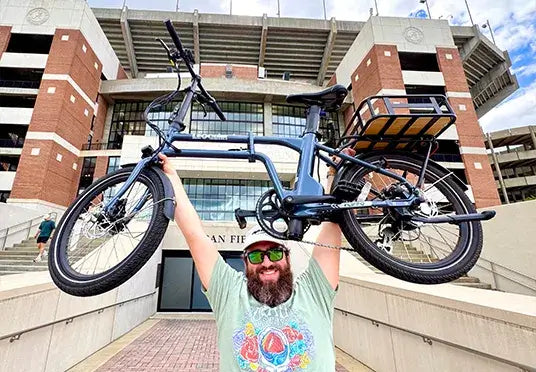
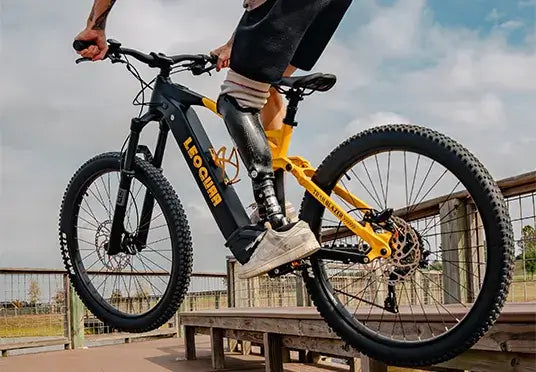
If you drive to the campsite, the Leoguar Flippo Folding Ebike may be easier to load into a vehicle, as it folds down to 36.22 inches long, 18.5 inches wide, and 29.92 inches high, and weighs 55 pounds with the battery. Measure your boot compartment space first. Although the Fastron ST has 26 × 4-inch tires for gravel or hardpack, its 70-pound weight makes it harder to load. If you prefer a step-over frame, consider the Fastron SO and check its specifications for fit and weight capacity. None of these bikes grants you the right to ride on a closed or restricted trail.
Short Days Shape Your Camping Hours
I want to get to the campsite about two hours before sunset so you have enough daylight to find a good site, set up the tent, and check whether the ground drains when it rains. This schedule also lets you move the bike to a more solid position before the campsite gets busy and dark. If your drive is later than expected, then don't do the evening ride since setting up camp with a headlamp is enough of a job already.
When checking sunset time, use the campground's time rather than your home city's, and allow extra time for stops. The National Park Service cautions that fall weather can change rapidly. Since days get shorter, this is another constraint, so check sunset times for your destination on the dates in question. A route that seemed easy in June could leave you having to return in the dark in October. Even if your plan indicates you'll be back early, it's wise to bring a working front and rear light. Also, decide on a turnaround time before you leave camp, not halfway through the journey.
A simple habit is to save the campsite address and an offline map before you lose signal. When you're staying at a big campground, also take a photo of your site number. Once you've cycled somewhere near the lake, that won't be very useful.
Wet Gear on a Fall Campout
Even if the weather looks clear, it's a good idea to put your sleep gear in a waterproof bag or liner. A wet sleeping bag is harder to repair at 10 p.m. than a wet jacket. Check the lowest temperature at your destination and pack a sleep system rated for colder conditions than forecast, plus a dry layer for camp. If the sleeping pad is new, test all the features in the backyard, since it's not a good idea to find out it has a slow leak at a chilly campsite.
For the bicycle, take a compact pump, tire repair items, a small tool kit, and a lock. Keep food and clothing in bags that stay balanced on the bike. The total weight listed is not an allowance for extra gear on top of your own weight; the 250-pound limit of the Flippo and the 300-pound limit of the Fastron ST both account for the rider and the cargo. If you fit a rack or basket, check that component's separate load limit. A short test ride on the bike, carrying a load, carried out close to home will show you whether a bag swings or brushes your heel.
Wet leaves can conceal oily roots and areas that make braking difficult, so reduce your speed before entering the turn and allow yourself more distance to stop. If rain is expected all night, don't hang a wet jacket in the sleeping area expecting it to dry out; instead, keep a separate dry set for bedtime. You'll appreciate it in the morning.

Battery Reserve for Cold Camping Mornings
When you're at home, charge your e-bike, then plan your journey based on your usual range rather than the highest figure on the product page. Factors such as cold air, hills, carrying cargo, wind, riding on soft ground, and using a higher level of assistance can all reduce your range. Aim to finish your ride with some battery power remaining. For example, if on a warm day you normally get home with one bar of battery left, shorten your descent route or choose a place with a confirmed charging facility.
Just because a site is labeled as an 'electric campsite' doesn't mean that you can use an e-bike charger. Before you pay for a power connection, find out exactly what the site offers, what the outlet is like, and what the campground's charging policy is. Do not rely on the socket in the bathhouse or on another camper's electricity. If charging is permitted, use the charger that comes with your bike or one approved for your model, keep the connections dry, and follow the temperature limits stated in the bike's manual. If you are not sure about charging, treat the trip as a single charge.
The Fastron ST has a removable 720 Wh battery and a range of “up to 60 miles”, while the Flippo has a removable 480 Wh battery and “up to 45 miles”. These are product specifications, not guarantees of the distance you'll achieve on a fully loaded ride. When you are deciding between models with the intention of making more than just this one trip, compare the current bikes available from Leoguar based on transport weight, fit, and the routes you ride most weeks.
A One-Night Fall Camping Plan
Before you've gone five miles along a dirt track, take a test ride of your loaded bike around the block. Since fall weather can change quickly, check your campsite to confirm bikes are permitted and that the minimum temperature won't freeze your water bottles. Charge your battery, make sure the charging port is completely dry, then roll down the road with all your gear on to catch any odd sags or rattling straps before sunset.
Get there before midday. Put the tent up before you start riding. If the path is open and conditions are favorable, go for a short ride with a set turnaround time; if not, walk, cook your dinner, and leave the bike parked. Lock it where the campground allows. Since our bike-locking guide includes information about the lock, this trip plan doesn't need to become a security checklist.
Before you set off, check the weather forecast and the bike itself, including the tires, brakes, lights, and battery level. If the ground is slippery or the overnight low was colder than expected, skip the extra loop and pack up while your equipment is still dry. You came to camp, not to get the maximum possible distance from the battery.
Fall Camping FAQs
Can my car rack hold an e-bike that weighs 70 pounds?
Before you buy, check the rack's per-bike limit, wheel-size fit, and your vehicle's hitch rating. Ask the rack manufacturer whether their capacity assumes the battery has been removed, and don't use the e-bike's total payload figure as the rack rating.
May I use a battery from a different model?
By no means assume that this is the case, even when two batteries have the same watt-hour rating; ask Leoguar to verify the exact model and connector before purchasing a spare, and then compare that cost to the cost of a shorter ride.
Would it be worth buying a second charger?
It makes sense if you frequently ride between your home and a cabin or an RV. Before spending the money, check the charger's voltage, connector type, and approval for your specific battery, since an identical-looking plug isn't enough.
Do I need hydraulic brakes for camping?
It's not something you can just do for one weekend. Well-maintained brakes that feel reliable when your bike is fully loaded matter more than changing brake types at the last minute. Test the bike on a wet local road before deciding whether an upgrade is worth the cost.
Which frame size should I have?
When selecting a saddle, focus on how well it will fit you day to day rather than how much camping equipment you intend to carry. Refer to the manufacturer's height guide, standover space, and reach, and if you plan to sit near the edge of two sizes, ask about the fit before you buy.


Leave a comment