




High End Electric Bicycle: What You’re Really Paying For
Understanding Electric Bike Prices
Electric bike prices vary a lot. You can buy a basic e-bike for under $1,500, but a high end electric bicycle can cost $5,000, $10,000, or even more. This big price difference makes people ask an important question: What are you really paying for? The answer goes way beyond just a fancy brand name or how the bike looks.
The higher price shows a basic difference in how the bike is built. It's money spent on a machine where every part is picked to improve four key things: performance, strength, safety, and how smooth the ride feels. This article will explain where your money goes and why many riders think the cost isn't just a luxury but a smart choice for a better, more reliable, and more fun ride.
Anatomy of a Premium Price
Advanced Motors and Batteries
The motor is the heart of any e-bike. This is where you see the biggest and most important difference. Premium brands almost always use mid-drive motors from top companies like Bosch, Shimano, Brose, and Yamaha. Unlike the hub motors you find on cheap bikes, a mid-drive motor sits at the bike's bottom bracket. This gives two big advantages: the motor can use the bike's gears for better power and hill climbing, and it puts the weight in the center, making the bike handle better and feel more natural.
These systems have smart sensors that measure how hard you pedal. They give help that feels like a smooth extension of your own power. Cheap bikes usually use basic sensors that just turn the motor on or off, creating a jerky, unnatural push. High-end motors also give more power, with typical force reaching 85-90Nm, easily handling steep hills. The battery system is just as advanced. You get bigger batteries, often from 625Wh to over 800Wh, for much longer rides. These batteries fit smoothly into the frame for a clean look and protection from weather. Most importantly, they use parts from trusted companies like Samsung or LG and are UL-certified, making sure they meet the highest safety and life standards. For a look at what goes into these systems, you can review some in-depth motor and battery specifications.
Frame and Geometry
A premium e-bike frame is an engineering achievement, not just a structure to hold parts. While budget bikes use standard aluminum tubes, high-end models use advanced materials and building methods. Carbon fiber is popular because it's incredibly strong but light and reduces vibrations from the road, leading to a smoother, less tiring ride. When aluminum is used, it's usually high-grade, shaped tubing that lets engineers make the tubes exactly right to be stiff where needed and flexible for comfort. This research investment also includes geometry. A high end electric bicycle isn't a regular bike with a motor added; its frame is built specifically for how it will be used, whether that's the aggressive shape of a trail-riding e-MTB or the stable, upright position of a long-distance touring bike.
Drivetrain, Brakes, and Suspension
The parts that control the bike are just as important. A standard e-bike might use a basic 7-speed system. A premium model, however, will have a high-performance 11 or 12-speed drivetrain like a Shimano XT group, offering more gear choices and crisp, reliable shifting under load. Even more advanced are almost maintenance-free systems like a Rohloff internal gear hub or a Pinion gearbox, often paired with a silent, grease-free Gates Carbon Belt Drive. These are high-end and fully enclosed gearbox units built to last for tens of thousands of miles with very little upkeep.
Braking is extremely important for safety on a heavier, faster e-bike. While budget bikes use basic disc brakes, premium models have powerful 4-piston hydraulic disc brakes from brands like Magura, Shimano, or SRAM. These offer much better stopping power and control, giving you precise braking in all conditions. Finally, suspension changes the ride completely. A cheap coil fork only provides basic bump absorption. A tunable air-sprung suspension fork and rear shock from Fox or RockShox on a high-end bike can be precisely adjusted to your weight and riding style, giving exceptional comfort and control on any terrain.
| Feature | Standard E-Bike (~$1,500) | High-End E-Bike (>$5,000) |
|---|---|---|
| Motor | Hub Motor (Cadence Sensor) | Mid-Drive (Torque Sensor) |
| Battery | 400-500Wh, External | 625Wh+, Frame-Integrated, UL-Certified |
| Frame | Standard Aluminum | Carbon Fiber or Hydroformed Alloy |
| Brakes | Mechanical Disc Brakes | 4-Piston Hydraulic Disc Brakes |
| Drivetrain | 7/8-Speed Derailleur | 11/12-Speed or Internal Hub/Gearbox |
Beyond the Spec Sheet
Seamless System Integration
On a premium e-bike, the parts aren't just put together; they work as one unit. The motor, battery, display, and control software are designed to work together as a single system. This comes from close partnerships between frame makers and motor system providers like Bosch or Shimano. This integration creates a user experience that you simply can't get on a budget bike built from random parts. Power delivery is smoother, range predictions are very accurate based on your riding style and terrain, and controls make sense. Top brands often develop proprietary technology with quiet, powerful motors that makes this smooth feeling even better.
The Refined Ride Feel
This is where thousands of hours of research and development really show. On a budget bike, the power feels like a sudden push. On a premium bike with a torque sensor, the help feels like a natural extension of your own power—like you suddenly have the legs of a professional cyclist. Engineers carefully refine frame shape and suspension movement to make sure the bike handles predictably and gives you confidence, even at high speeds. This dedicated engineering results in real benefits that define the ride.
- Superior balance and handling
- Increased stability at speed
- Predictable and confidence-inspiring control
Durability and Serviceability
High-end parts aren't just about better performance; they're built from better materials to stricter standards. They're designed to handle the increased force and mileage of e-bike use and last much longer. This long-term value is backed by strong support systems. Established high end electric bicycle brands have strong dealer networks. This means you have access to professional service, expert advice, and a reliable supply of replacement parts for years to come. This is an important advantage that's often overlooked, as confirmed by many real user discussions about serviceability.
Brand Philosophies
German Engineering Excellence
Brands like Riese & Müller show the German engineering approach to building e-bikes. Their focus is on careful design, uncompromising strength, and long-distance touring excellence. These bikes are often seen as the luxury cars of the e-bike world. They're built for comfort and absolute reliability, often featuring options like dual-battery systems for massive range, full suspension even on touring bikes, and incredibly strong cargo abilities. They're not just built to be ridden; they're built to be a primary way to travel for decades, a fact shown by extensive testing of premium trekking e-bikes.
Performance and Innovation
This category is led by major cycling innovators like Specialized, Trek, and Santa Cruz. Their philosophy is to create e-bikes that boost the real cycling experience without compromising the quick handling that defines a great bicycle. They invest heavily in developing their own motor systems, like the Specialized Turbo series, which are known for their quiet power and natural feel. These brands are at the front of using advanced carbon fiber construction to create lightweight yet powerful e-mountain bikes that feel nimble and playful on the trail, blurring the lines between traditional and electric-assist riding.
Urban Mobility Specialists
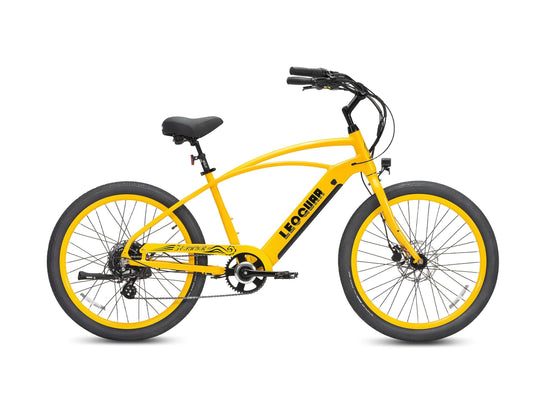
For brands like Stromer and Leoguar, the e-bike is the key to changing the urban commute. Their focus is on creating powerful, stylish, and highly integrated machines that are perfect for city life. These bikes combine speed and efficiency with features made for daily riders. It's common to find integrated anti-theft GPS tracking, powerful lights that connect directly to the main battery, and sleek looks that often completely hide the motor and battery. They build bikes that aren't just tools for getting from point A to point B, but smart solutions for modern urban travel.

The Right Bike For You
In the end, whether a high end electric bicycle is worth the investment depends entirely on your needs, priorities, and how you plan to ride. It's a decision about value, not just cost.
A Premium E-Bike is a Good Investment If...
- You plan to replace car trips. The reliability, speed, and range are essential for dependable daily commuting or running errands.
- Performance is your passion. If you are an avid mountain biker or road cyclist, you will appreciate how a premium e-bike preserves the detailed handling and feel you love, just with an added boost.
- You value long-term reliability and safety. If you see this as a multi-year investment, the peace of mind from superior parts, build quality, and safety certifications is extremely important.
- You ride frequently or for long distances. The enhanced comfort from advanced suspension and design, combined with the extended range of a larger battery, will make every mile more enjoyable.
A Mid-Range or Budget E-Bike Might Be a Better Fit If...
- You are a casual rider. For occasional weekend rides on flat bike paths, the advanced features of a premium system may be more than you need.
- Your budget is the main concern. A well-chosen budget or mid-range e-bike can still provide a fun and functional experience without the big financial cost.
- Your rides are short and infrequent. If you only need a bike for quick trips around the neighborhood, the long-term strength and extended range of a high-end model might not be necessary.
Frequently Asked Questions
Q: What's the main difference between a $1,500 and $5,000 e-bike?
A: The main differences are in the motor type (hub vs mid-drive), battery quality and capacity, frame materials, component quality, and system integration. Premium bikes offer better performance, longer life, and a more natural riding experience.
Q: Are expensive e-bike batteries really worth the extra cost?
A: Yes, premium batteries typically offer higher capacity (625Wh+), better safety certifications, longer lifespan, and seamless frame integration. They use quality cells from Samsung or LG and often come with better warranties.
Q: How long do high-end e-bike components typically last?
A: High-end components are built to last tens of thousands of miles with proper maintenance. Premium drivetrains, brakes, and motors often last 3-5 times longer than budget alternatives, making them more cost-effective over time.
Q: Do I really need a torque sensor, or is a cadence sensor good enough?
A: Torque sensors provide a much more natural riding experience by measuring your pedaling force and providing proportional assistance. Cadence sensors simply turn the motor on/off, creating a jerky feel that many riders find unnatural.
Q: Is it worth buying a premium e-bike if I only ride occasionally?
A: For casual, infrequent riders on flat terrain, a mid-range e-bike might be more practical. However, if you value safety, reliability, and plan to keep the bike for many years, a premium model can still be worthwhile even for occasional use.


Leave a comment