




Electric Street Bike for Adults: A Practical Take on Electric Bikes
Cutting Through the Noise
The electric bike market has exploded in recent years. A quick search floods you with images of rugged fat-tire ebikes conquering snowy trails and high-powered e-mopeds zipping through traffic, which can be both exciting and overwhelming. It's hard to know where to start. If you're simply looking for a practical electric street bike for adults to handle your daily commute, run errands, or enjoy a weekend ride on paved paths, you might feel completely lost in all the options.
You're in the right place to find answers. This guide is designed to cut through that noise and help you make a smart choice. We're not here to sell you on the biggest motor or the fattest tires that you probably don't need. We're here to provide practical advice and real-world insights to help you understand what a street e-bike is, what features actually matter for city and suburban life, and how to choose the perfect one for your specific needs.

A Street Bike Explained
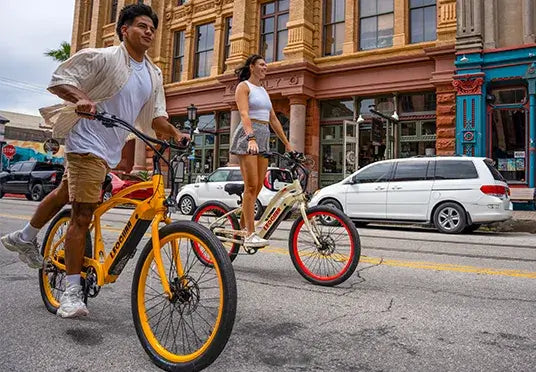
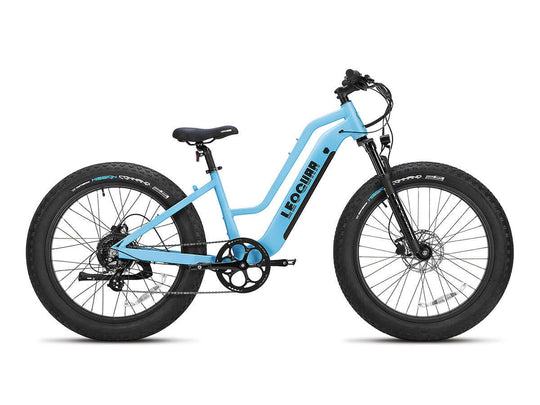
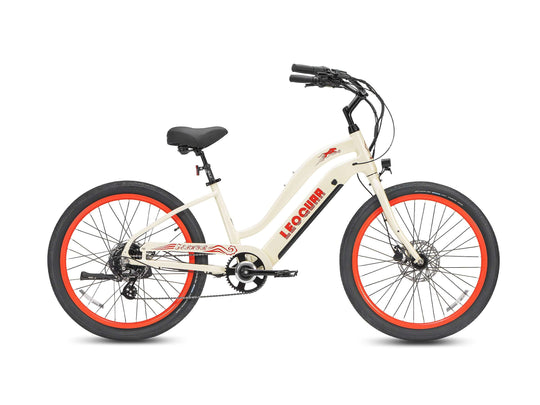
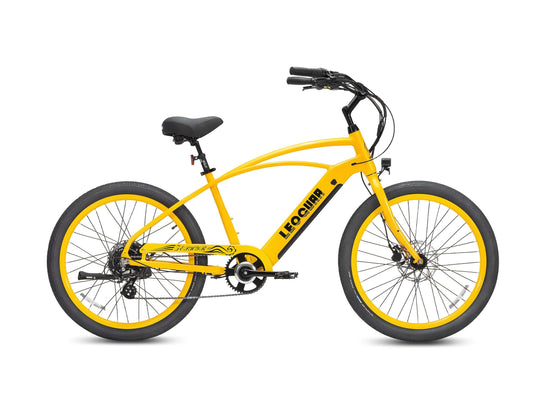
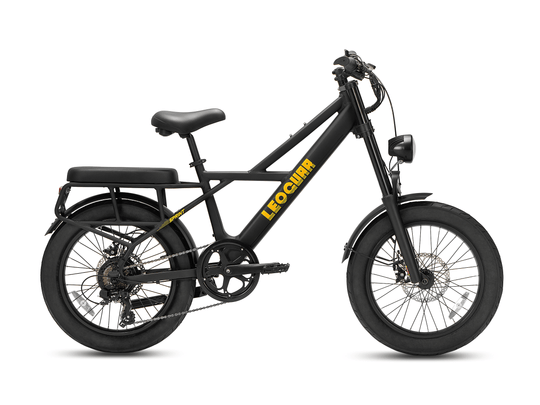
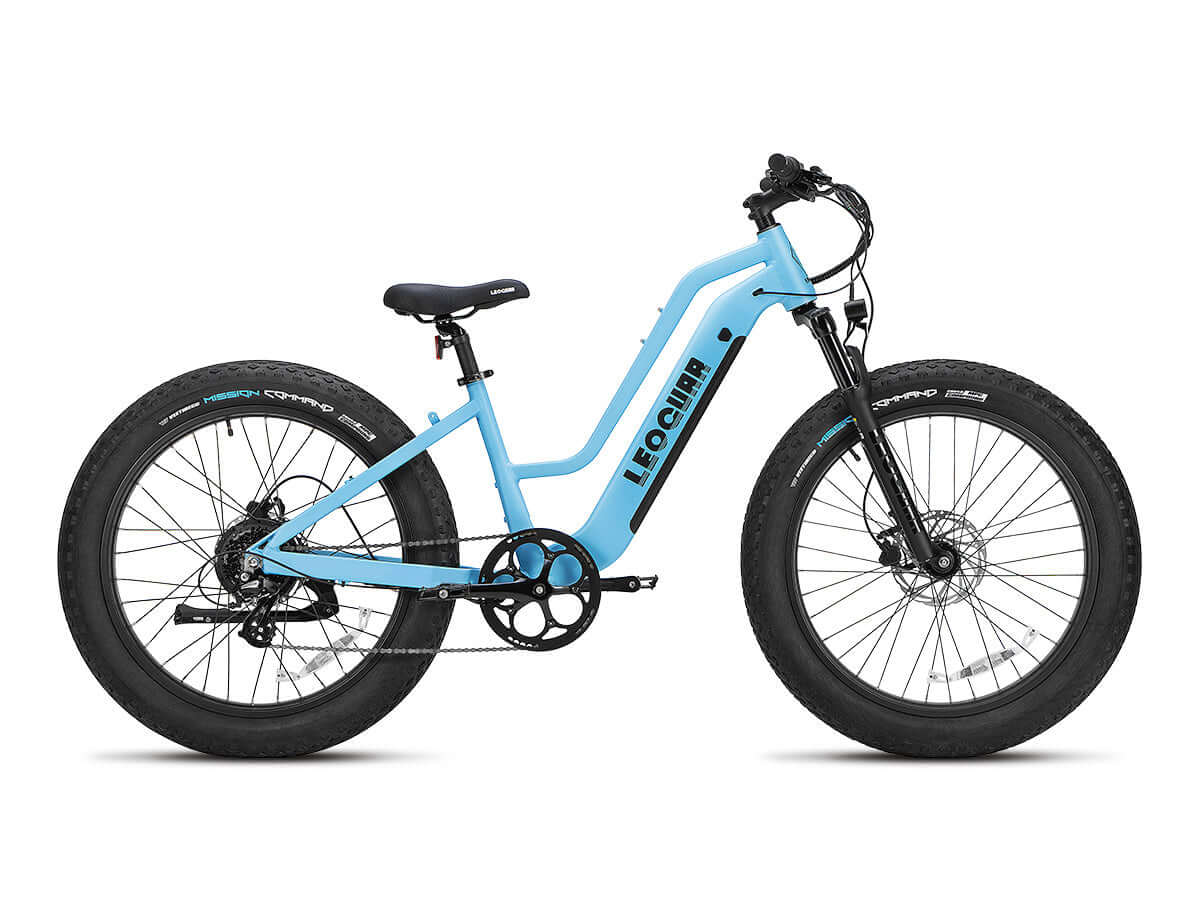
So, what makes an e-bike a street bike? In simple terms, an electric street bike is built for efficiency, comfort, and usefulness on paved surfaces like roads and bike paths. Unlike its off-road cousins, every part is chosen to make riding on asphalt, concrete, and bike lanes as smooth as possible. It is a bicycle with an integrated electric motor to assist propulsion, but tailored specifically for the urban environment where most people actually ride.
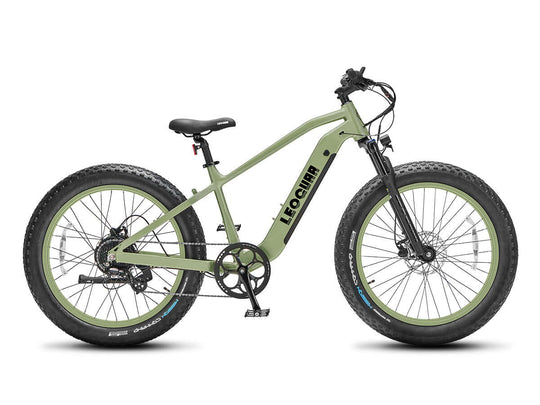
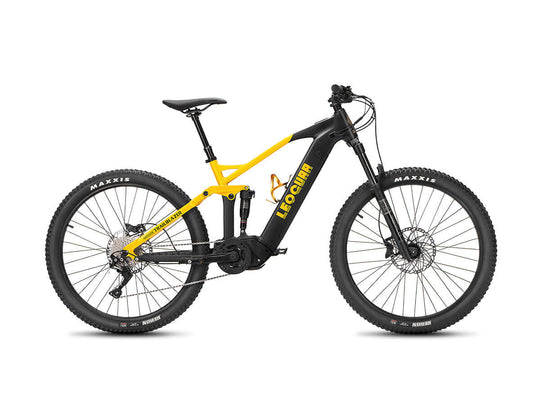
The key differences lie in a few core features. Street bikes use smoother, relatively narrower tires that are designed to reduce rolling resistance, allowing you to travel farther and faster on pavement with less effort and battery power compared to the wide, knobby tires found on mountain or fat bikes. The frame of a street bike typically puts you in a more upright and relaxed riding position. This design enhances comfort and visibility in traffic, which is crucial for commuting safely. This contrasts with the aggressive, forward-leaning posture of a mountain bike, which is designed for control on technical trails.
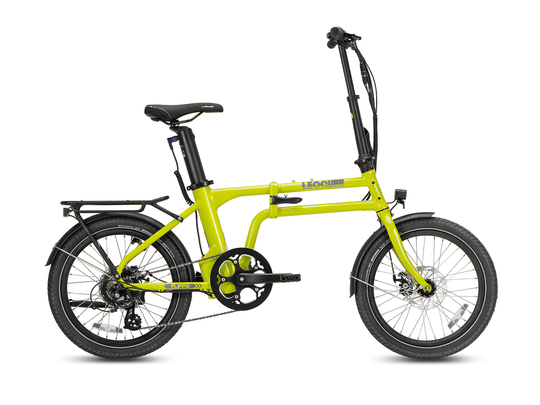
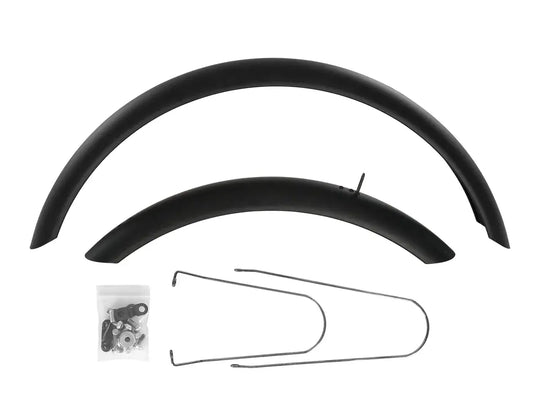
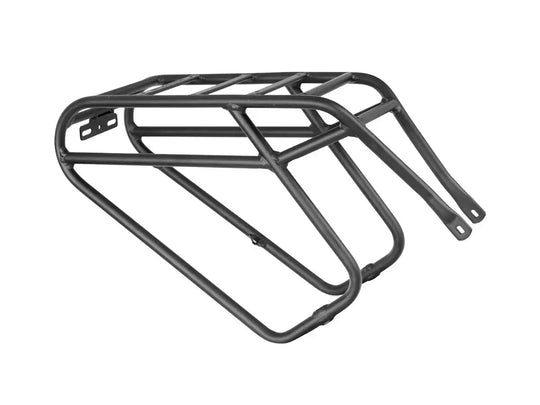
While some street e-bikes feature a front suspension fork to absorb bumps from potholes and uneven roads, it's generally less robust than the suspension on a dedicated mountain bike. Many city-focused models are fully rigid to save weight and improve pedaling efficiency. Electric street bikes are built for practicality above all else. They almost always come with, or have mounting points for, commuter-focused accessories like fenders to keep you dry, a rear rack for carrying bags or groceries, and integrated lights for safety. To make it clearer, here's how they stack up against other popular types:
| Feature | Electric Street Bike | Fat Tire E-Bike | Mountain E-Bike (eMTB) |
|---|---|---|---|
| Primary Use | Paved roads, bike paths, commuting | Sand, snow, all-terrain adventures | Off-road trails, steep climbs |
| Tires | Smoother, narrower (1.5" - 2.5") | Wide, knobby (4.0" or more) | Knobby, moderate width (2.3" - 2.8") |
| Frame | Upright, comfortable, often step-through | Robust, heavy-duty | Aggressive, performance-oriented |
| Suspension | Optional front fork or fully rigid | Often front fork or rigid | Required front and/or full suspension |
Decoding Motors and Batteries
The motor and battery are the heart of your e-bike. Understanding them doesn't have to be complicated, even if you're not technically minded. For street riding, the goal is to find a balance of power, efficiency, and practicality—not just the biggest numbers on a spec sheet.
Motors: Power for Pavement
You'll primarily encounter two types of motors on an electric street bike: hub-drive and mid-drive. Hub-drive motors are located in the center of the front or more commonly rear wheel, and these are the most common and cost-effective type you'll find. A rear hub motor gives you a pushing sensation when it kicks in. They are reliable, require little maintenance, and are excellent for flatter terrain and general commuting around town.
Mid-drive motors are located in the middle of the bike frame where the pedals are. These motors apply power directly to the drivetrain, which is the chain and gears. This results in a more natural, intuitive riding feel, as if your own pedaling power is being amplified rather than pushed. They are more efficient and significantly better for climbing steep hills, though they typically cost more.
How much power do you actually need for street riding? Motor power is measured in Watts (W), and while you'll see bikes advertised with 1000W or more, for most urban and suburban riding, this is complete overkill. A 250W or 500W motor is often perfectly sufficient for navigating city streets and moderate hills without any problems. A 750W motor, the common legal limit in the US for street use, provides a significant boost for tackling steep inclines or carrying heavy loads like groceries.
Batteries: Your E-Bike's Gas Tank
An ebike battery capacity, measured in Watt-hours (Wh), determines your range. Think of it as the size of your gas tank—the higher the Wh, the farther you can go on a single charge before needing to plug in. A typical battery for a street e-bike ranges from 400Wh to 700Wh, which should handle most daily commutes.
However, the advertised range is just an estimate that assumes perfect conditions. Real-world range is affected by several factors that manufacturers don't always mention clearly. Your chosen assist level makes a huge difference—riding in eco mode uses far less power than turbo mode. Terrain plays a major role too, as climbing hills drains a battery much faster than riding on flat ground.
Rider and cargo weight requires more power to move. Tire pressure affects efficiency, with properly inflated tires rolling much easier. Wind and temperature can impact range, with cold weather temporarily reducing a battery's effective capacity.
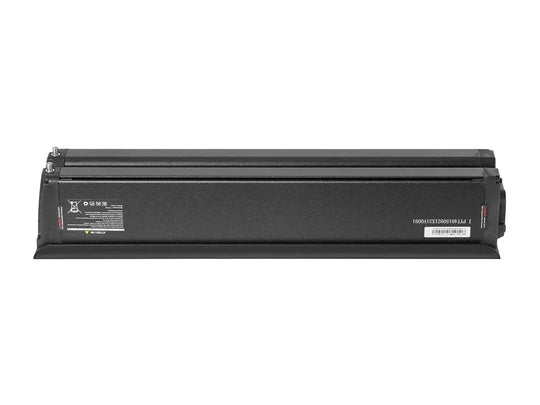
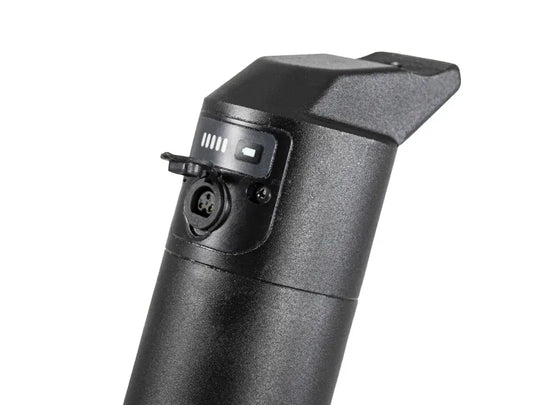
Finally, consider whether the battery is removable or integrated into the frame. A removable battery is convenient for charging indoors if you live in an apartment or can't bring the whole bike inside, and it's also a security advantage since you can take the most expensive component with you. Integrated batteries offer a sleeker look but require you to bring the bike near an outlet to charge. As publications that perform rigorous testing on commuter e-bikes often note, the real-world performance and practicality of these components are what truly define a good bike.
A 5-Step Self-Assessment
To find the perfect electric street bike for you, generic reviews aren't enough. You need to assess your own life and riding habits honestly. Ask yourself these five questions to build a profile of your ideal bike.
1. What is my daily commute?
How many miles is your round trip, since this will determine the minimum battery range you need? Is the route mostly flat, or will you encounter significant hills that may steer you toward a more powerful motor or a mid-drive system for better climbing efficiency? Are the roads smooth, or are they riddled with potholes that might make a bike with front suspension more comfortable for daily use?
2. What will I be carrying?
Will you just have a light backpack, or do you need to transport a laptop, a change of clothes, and your lunch regularly? Do you plan on doing grocery runs or carrying other heavy items that would require a bike with a sturdy rear rack with a high weight capacity? Will you ever need to transport a child, which points toward specific cargo bike models or bikes certified for child seats?
3. Where will I store it?
Do you have a secure garage or ground-floor storage area where you can easily wheel the bike in and out? Or will you need to carry the bike upstairs to an apartment, where the weight of an e-bike (often 50-70 lbs) becomes a critical factor? A lightweight or folding model might be necessary in this case. Is theft a major concern in your area, where a bike with a removable battery adds a layer of security?
4. What is my desired riding style?
Are you looking to replace a car trip and arrive at work without breaking a sweat? A bike with a throttle (Class 2) allows you to ride without pedaling at all when you need it. Or do you want to get some exercise on your ride while still having assistance when needed? A pedal-assist-only bike (Class 1 or 3) still provides a great workout. Studies show that e-biking provides moderate physical activity, improving health even with the motor's help.
5. What is my budget reality?
Be realistic about what you can spend, including accessories and maintenance. Under $1,500: You can find many capable hub-motor e-bikes in this range that will have good-quality entry-level components, perfect for general commuting. $1,500 - $2,500: This range opens up options with better components, hydraulic disc brakes, and sometimes mid-drive motors or larger batteries. Over $2,500: Here you'll find premium bikes from major brands with high-end mid-drive motors, sophisticated electronics, and lighter frames.
Beyond the Brochure
Product pages and spec sheets tell only part of the story. As seasoned riders, we've learned that some of the most important aspects of owning an electric street bike are the ones you only discover after a few weeks of daily use.
The Weight Factor
A common surprise for new riders is just how heavy an electric street bike can be. A listed weight of 60 lbs might not sound like much when you're reading about it online, but it's a different story when you're trying to lift it onto a car rack or haul it up a flight of stairs after a long day. Before you buy, try to lift a bike of a similar weight at a local shop. This real-world feel can be a deciding factor, potentially pushing you toward a lighter, albeit more expensive, model.
Security is Non-Negotiable
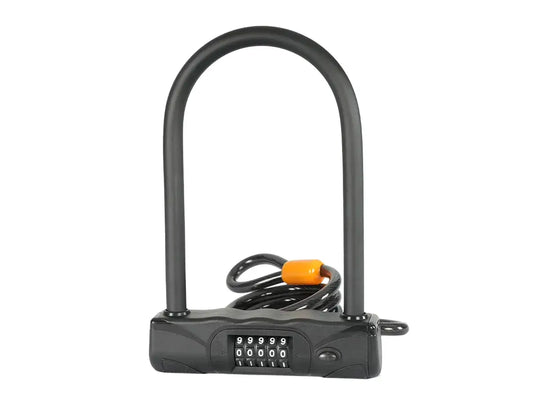
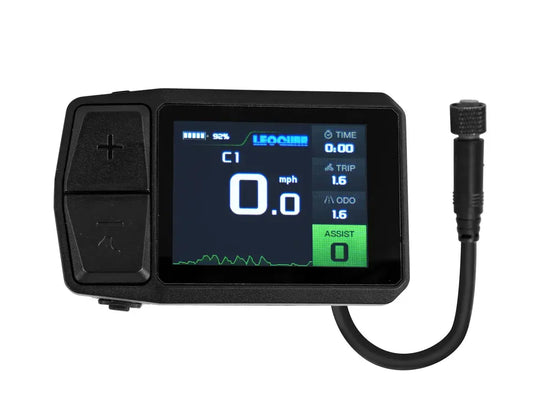
Electric bikes are a significant investment and, unfortunately, a prime target for theft. A cheap cable lock is not enough to protect your investment. You must invest in a high-quality U-lock or a heavy-duty chain lock from a reputable brand like Kryptonite or Abus. When you park, always lock the frame (not just the wheel) to a solid, immovable object. Whenever possible, bring the bike inside your home or office. If you can't, at least remove the battery and display to make it a less attractive target.
Basic Maintenance
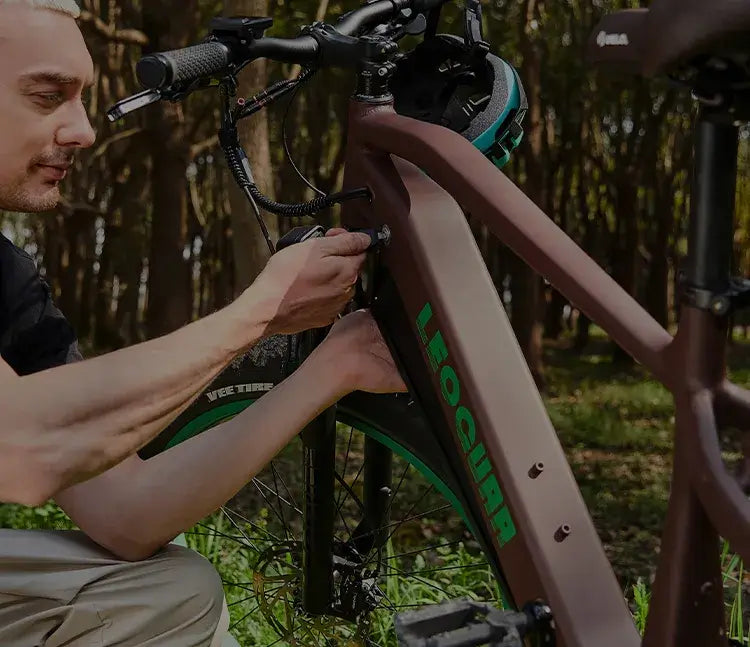
You don't need to be a master mechanic, but ignoring basic maintenance will lead to poor performance and costly repairs. A few simple checks will keep your e-bike running smoothly for years. Check tire pressure weekly, as proper pressure ensures the best range, prevents flats, and provides a safer ride. The recommended pressure is written on the side of your tire. Before every ride, squeeze your brake levers to ensure they feel firm and responsive. Keep your chain clean and lubricated, especially after riding in rain or dust. A clean drivetrain is quieter, more efficient, and lasts much longer.

Riding Legally and Safely
To ensure you can ride your electric street bike for adults on public roads and paths without issue, it's vital to understand the classification system. Most states have adopted the three-class system for e-bikes to regulate them properly. Knowing your bike's class will tell you where you can legally ride it.
Class 1 bikes have motors that provide assistance only when you are pedaling, and the assistance stops when you reach 20 mph. These are generally allowed wherever regular bicycles are permitted. Class 2 bikes have a throttle that can propel the bike without pedaling, but it stops assisting at 20 mph, and pedal-assist also cuts off at 20 mph. Regulations can vary, but they are often allowed on bike paths. Class 3 ebikes have motors that provide assistance only when you are pedaling, but they can assist up to 28 mph. These are typically restricted to roads and on-street bike lanes, and may have age restrictions.
Always check your local city and state regulations, as rules for where each class can be ridden can differ significantly. Some areas have additional restrictions or requirements that you need to know about.
Your Perfect Ride Awaits
Choosing an electric street bike for adults doesn't need to be a complex ordeal. By moving past the hype and focusing on your real-world needs—your commute, your cargo, your storage, and your budget—you can confidently select a machine that fits seamlessly into your life. The right e-bike isn't the one with the most power or the flashiest features. It's the one that makes you want to ride every single day.
Frequently Asked Questions
Q: How far can I ride on a single charge with an electric street bike?
A: Most electric street bikes can travel 20-50 miles on a single charge, depending on the battery size, your weight, terrain, weather conditions, and how much you use the motor assistance. A 500Wh battery typically provides 25-40 miles of range for average riders in normal conditions.
Q: Do I need a license to ride an electric street bike?
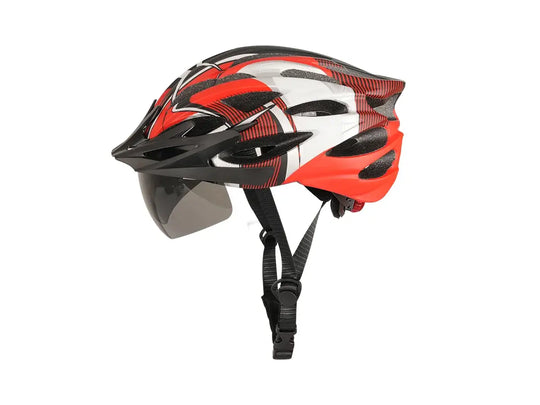
A: In most US states, you don't need a license, registration, or insurance for Class 1 and Class 2 e-bikes. Class 3 e-bikes may have age restrictions (usually 16+) and helmet requirements, but generally don't require a license. Always check your local laws as regulations vary by location.
Q: How long does it take to charge an e-bike battery?
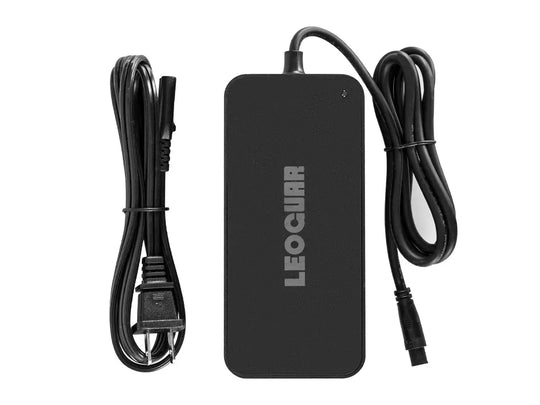
A: Most e-bike batteries take 3-6 hours to fully charge from empty using the standard charger that comes with the bike. Some fast chargers can reduce this to 2-3 hours. You can also partially charge the battery if you're in a hurry—even 30 minutes of charging can add several miles of range.
Q: Can I ride an electric street bike in the rain?
A: Yes, most electric street bikes are designed to handle light rain and wet conditions. The electrical components are typically water-resistant (not waterproof), so avoid riding through deep puddles or heavy downpours. Always dry your bike after wet rides and check that the brakes are working properly.
Q: How much maintenance does an electric street bike require?
A: Electric street bikes require similar maintenance to regular bikes, plus some basic battery care. You should check tire pressure weekly, clean and lubricate the chain monthly, and have the bike serviced by a professional every 6-12 months. The motor and battery are generally maintenance-free, but you should store the battery properly and avoid letting it completely drain.



Leave a comment