




Electric Bike With Suspension: What New Buyers Ask Before Going Off-Road
Why Suspension Matters for Your Off-Road E-Bike
Getting into off-road electric bikes is exciting. You see riders moving smoothly over forest trails and rocky paths, and you want that same experience. But then you get confused by all the technical terms. The biggest question new buyers ask is: "Do I really need an electric bike with suspension for off-road riding, and what kind is right for me?"
Let's clear this up right now: for any terrain rougher than smooth roads, suspension isn't just nice to have—it's needed for control, comfort, and safety. It's what changes a bike from a simple city rider into a true all-terrain machine. This guide will be your roadmap. We'll walk you through everything you need to know, answering the key questions that every new off road ebike buyer asks:
- Why is suspension so important for your ride?
- What is the difference between hardtail and full suspension?
- What do terms like "travel" and "lockout" actually mean for you?
- How do you choose the right suspension for the trails you want to ride?
By the end, you'll have the confidence to choose the perfect electric bike with suspension for your first, and every future, off-road adventure.
Why Suspension Really Matters
Many newcomers think suspension is just about comfort. But its role is much more important, especially on an e-bike where speeds are often higher. Understanding its main benefits helps you see why it's worth the money.
Control and Grip
The main job of suspension is to keep your tires pressed firmly against the ground. When you hit a bump, the wheel moves up and down to take the hit, keeping contact with the trail surface. More contact means better grip. This is huge for an e-bike when you're using motor help to power up a loose, rocky climb, braking hard into a corner, or turning through a curve. Without suspension, the tire would bounce off the ground, causing loss of grip and control.
Better Safety
Off-road trails are unpredictable. Roots, rocks, and drops can show up suddenly. Suspension takes these hits, stopping that force from going directly to you and the bike's frame. This greatly reduces the chances of being thrown off balance or losing control, which is really important when traveling at the higher speeds an e-bike allows.
Less Rider Tiredness
Riding on rough terrain without suspension is punishing. Your arms, legs, and back have to take every single shake and jolt. This leads to tiredness very quickly. An electric bike with suspension does this work for you, letting your body stay relaxed. The result is less pain and more energy, meaning you can ride longer, go farther, and enjoy your time on the trail more.
Protecting the Bike
Your body isn't the only thing that takes a beating on rough trails. Constant hits put stress on the e-bike's frame, wheels, and sensitive electronic parts. The suspension system acts as a cushion, taking the hardest forces and making your bike last longer.
Hardtail vs. Full Suspension
This is the first big decision you'll face. The choice between a hardtail and a full suspension e-bike will decide what type of terrain you can comfortably ride and will also greatly affect price and upkeep.
What is a Hardtail E-bike?
A "hardtail" e-bike has suspension in the front (the fork) but a rigid, or "hard," rear frame. This setup works well at smoothing out small to medium bumps hit by the front wheel, which usually hits obstacles first.
Best for: Hardtails are perfect for riders sticking to gravel paths, fire roads, and smoother forest trails. They are also a great choice for budget-conscious buyers, as they are less complex and therefore cost less. Their rigid rear end gives a direct and efficient feel when pedaling, and they need less upkeep than their full suspension counterparts.
What is a Full Suspension E-bike?
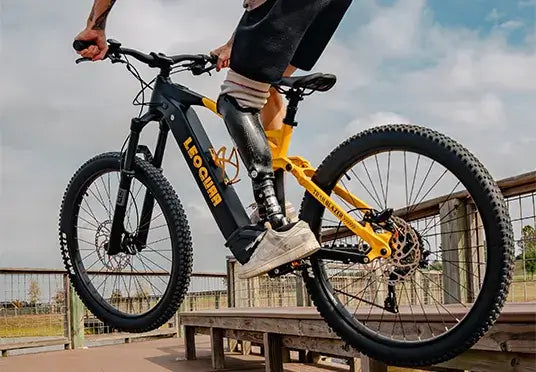
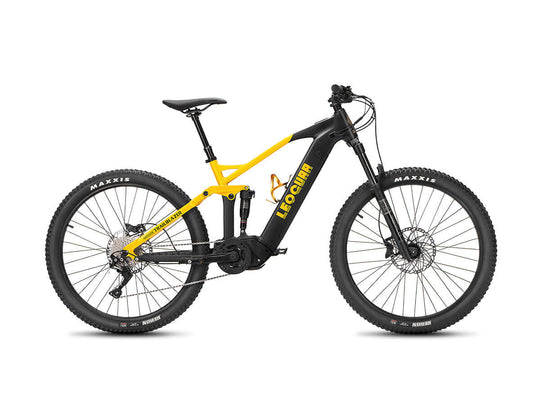
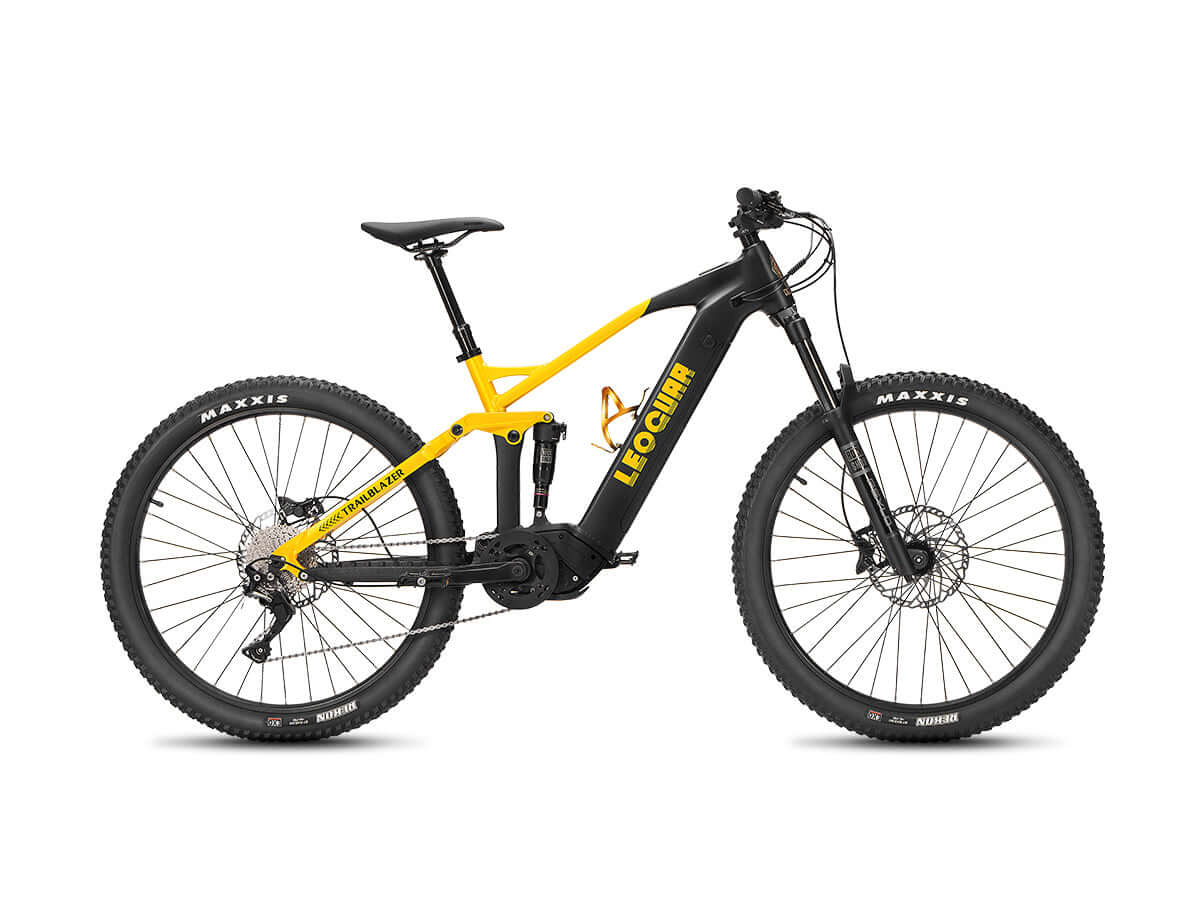
A "full suspension" or "dual suspension" e-bike has suspension at both the front (the fork) and the rear (a "shock absorber" built into the frame). This lets both wheels move independently to take impacts.
Best for: A full suspension electric bike is the go-to choice for anyone planning to ride on really rocky, rooty, and technical trails. It offers unmatched comfort and control when the terrain gets challenging, especially on downhills. The rear suspension keeps the back tire planted for better grip on technical climbs and gives a much smoother, more forgiving ride.
Head-to-Head Comparison
To make the choice clearer, here's how they compare. As noted in expert tests on various terrains, the choice really comes down to balancing your budget against the demands of your intended riding environment.
| Feature | Hardtail E-bike | Full Suspension E-bike |
|---|---|---|
| Terrain Capability | Good on mild to moderate trails | Excellent on rough, technical trails |
| Comfort Level | Moderate; absorbs front impacts | High; absorbs both front and rear impacts |
| Control & Traction | Good, especially on climbs | Superior, especially on descents and technical sections |
| Price | Generally lower | Generally higher |
| Weight | Lighter | Heavier |
| Maintenance | Simpler; only the fork needs service | More complex; fork and rear shock need service |
Understanding Suspension Terms
Product pages for e-bikes are filled with technical terms. Understanding a few key concepts will help you look past the marketing and know what really matters for your ride.
Travel
This is the single most important spec. "Travel" is the maximum distance the suspension can compress, measured in millimeters (mm). It directly shows the bike's intended use and how big of a hit it's designed to handle. More travel means more capability in rough terrain. Here are the typical ranges you'll see:
- 100-130mm (Cross-Country/Light Trail): Designed for efficiency and speed on smoother trails with smaller bumps. You'll find this on hardtails and short-travel full suspension e-bikes.
- 130-160mm (Trail/All-Mountain): This is the sweet spot and the most versatile category for an off road ebike with suspension. It gives a great balance of climbing efficiency and descending confidence, making it perfect for a wide variety of trails.
- 160mm+ (Enduro/Downhill): Built for the most aggressive, steep, and technical terrain. This amount of travel is for riders focusing on high-speed descents, bike parks, and big hits.
Lockout
A lockout is a switch or lever on the fork and/or rear shock that makes the suspension rigid. This is useful when climbing on smooth roads or fire roads. By "locking out" the suspension, you prevent it from bouncing up and down, making sure all your pedaling energy goes directly into moving the bike forward.
Damping (Rebound/Compression)
If the spring in your suspension just compressed and sprang back without any control, you'd feel like you were on a pogo stick. Damping controls the speed of the suspension's movement. In simple terms:
- Compression Damping: Controls how the suspension resists an impact as it compresses.
- Rebound Damping: Controls how quickly the suspension springs back to its original position after an impact. Properly set rebound is key to keeping your tires on the ground.
Air vs. Coil Spring
This refers to what's inside the suspension that acts as the spring.
- Air Spring: Uses pressurized air. It's lightweight and highly adjustable for different rider weights using a simple shock pump. This is the most common type found on trail and cross-country e-bikes.
- Coil Spring: Uses a steel coil. It's heavier but offers a more sensitive, consistent feel that many aggressive riders prefer.
Matching Suspension to Your Terrain
The "best" suspension isn't the one with the most travel—it's the one that's perfectly matched to the terrain you ride most often. Let's use this practical guide to connect your ideal ride to the right setup.
| Your Off-Road Playground | What It Feels Like | Our Suspension Recommendation |
|---|---|---|
| Gravel Paths & Fire Roads | You're riding on unpaved surfaces that are bumpy and often loose with gravel. You hit washboard sections and small potholes, but no major rocks or drops. The main goal is to smooth out the constant chatter and keep traction on loose corners. | A hardtail with 100-120mm of front travel is perfect. It provides enough cushion to take the edge off and keep you in control without the extra weight and cost of a full suspension system. |
| Flowing Forest Trails | This is classic singletrack. The trail winds through trees with rolling hills, smooth dirt, and banked corners. You'll hit small roots and occasional rocks, but the main feeling is one of speed and flow. You want a bike that feels quick, nimble, and connected to the trail. | A responsive hardtail (120mm) or a short-travel full suspension e-bike (120-140mm) will work great here. They offer enough suspension to handle the small bumps while staying efficient and playful. |
| Rocky & Rooty Climbs/Descents | The trail becomes a puzzle. You're constantly choosing your line to get over sections filled with medium-sized rocks and webs of tree roots. Traction on steep, loose climbs is critical, and confidence on bumpy descents is a must. | Full suspension is a must. Look for a trail bike with 140-160mm of travel. This gives you the traction needed to let the rear wheel crawl over obstacles on climbs and the confidence to stay in control on the way down. |
| Bike Park & Aggressive Downhill | You're riding steep, purpose-built trails. The challenges are man-made jumps, wooden drops, and high-speed sections with large, unavoidable obstacles. Safety and stability at speed are your absolute top priorities. | This is where long-travel "Enduro" or "Downhill" full suspension e-bikes with 160mm+ of travel shine. This level of suspension is required to safely absorb the massive impacts and maintain control at high speeds. |
How Different Travel Amounts Actually Feel
Numbers like "150mm" are useful, but they don't tell the whole story. The real-world feel of an electric bike with suspension is what truly defines the ride. Here's what you can expect from different travel ranges.

100-120mm: The Efficient Explorer
This range feels connected and responsive. The suspension doesn't separate you from the trail; it makes it better. It filters out the harsh, tiring vibrations from gravel and small roots, letting you ride faster and longer with more comfort. You still feel the shape of the ground, which makes the bike feel lively and efficient. When you pedal hard, the bike moves forward without the "bouncing" feeling of longer-travel systems. It's about making rough paths manageable, not erasing them completely.
130-150mm: The Confident All-Rounder
This is the sweet spot where an electric bike with suspension truly comes alive. The feeling is one of confidence and capability. On a trail where a shorter-travel bike would get bounced around and forced to slow down, a bike in this range glides through. It smooths out chunky rock gardens and absorbs medium-sized drops with ease, encouraging you to keep your speed and push your skills. The bike feels planted and stable, yet it's still nimble enough to be fun on smoother, flowing trails. This is the do-it-all setup that balances climbing traction with descending prowess.
160mm+: The Gravity Glider
Riding a long-travel e-bike feels like driving a monster truck. The sensation is one of being unstoppable. The suspension is so plush that it erases small and medium trail chatter, making rough sections feel surprisingly smooth. When pointed downhill, the bike wants to go fast, and it gives you the stability to do so. It absorbs big hits from jumps and drops with a bottomless feel, keeping you on your line and in control. The e-bike motor is the perfect partner for this setup, as it easily offsets the bike's heavier weight, turning difficult climbs into a simple spin to the top.
A Note on Fat Tire Suspension
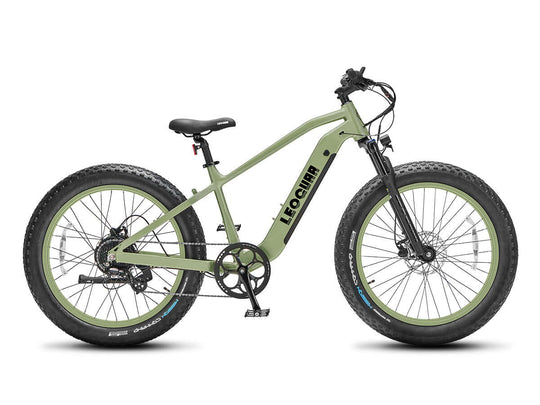
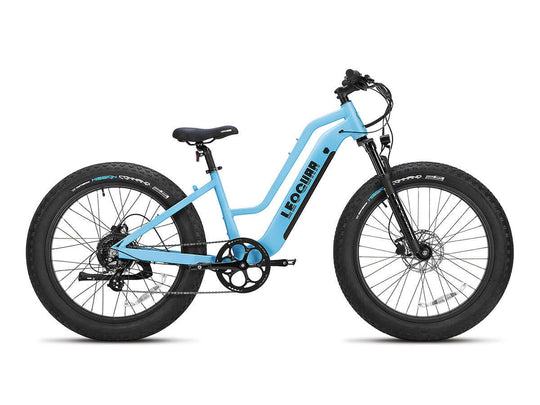
You'll see many e-bikes featuring both full suspension and fat tires. The oversized tires themselves provide some cushioning due to their large volume and low air pressure. However, they lack the controlled damping of a true suspension fork and shock. A full suspension fat tire e-bike combines the best of both worlds: the incredible traction and "float" of fat tires on loose surfaces like sand or snow, plus the controlled impact absorption of a dedicated suspension system. This creates the ultimate machine for maximum comfort and capability on the most rugged and unpredictable terrain.
FAQ
Q: Do I really need full suspension for my first off road ebike?
A: Not necessarily. If you're planning to ride mostly on gravel paths, fire roads, and smooth forest trails, a hardtail with front suspension will work great and save you money. Full suspension becomes important when you want to tackle rocky, rooty, or technical terrain where comfort and control are crucial.
Q: How much should I expect to spend on maintenance for suspension?
A: Basic suspension service typically costs $100-200 per year for a hardtail (fork only) and $200-400 for full suspension (fork and rear shock). This includes oil changes and seal replacements. Most riders can go 50-100 hours of riding between services, depending on conditions.
Q: Can I adjust the suspension on my electric bike with suspension myself?
A: Yes, basic adjustments like air pressure, rebound, and lockout settings can be done at home with simple tools. You'll need a shock pump for air pressure adjustments. However, internal servicing should be left to professionals to avoid damage and maintain warranty coverage.
Q: What's the difference between air and coil suspension for e-bikes?
A: Air suspension is lighter, easily adjustable for different rider weights, and most common on trail e-bikes. Coil suspension is heavier but offers a more consistent, sensitive feel that some riders prefer. Air is generally better for most riders due to its adjustability and weight savings.
Q: How do I know if I have the right amount of travel for my riding style?
A: If you're constantly bottoming out your suspension (using all the travel) on normal trails, you need more travel. If your suspension barely moves and trails feel harsh, you might be over-suspended for your terrain. The sweet spot is using about 80-90% of your travel on the roughest trails you regularly ride.


Leave a comment