




Electric Scooter Vs Electric Bike: Which Is More Practical In 2026?
The Future of Electric Mobility
Personal electric mobility is growing fast. For years, choosing between an electric scooter vs electric bike was simple: e-bikes offered comfort and range while e-scooters gave you easy carrying and lower cost. But things are changing now. As we move toward 2026, these differences are getting smaller. New battery tech, better motors, and improved city bike lanes are changing what these vehicles can do. This guide gives you a clear look at both options to help you pick the best one for your daily rides. We'll compare them side by side, look at what matters most today, check out future trends, and show you real examples to find your perfect ride.
Quick Comparison
Here's a fast breakdown of the main differences. We've added what we expect to see in 2026 when both types will work even better.
| Feature | Electric Scooter | Electric Bike |
|---|---|---|
| Best For | Short city trips, last mile travel | Longer rides, exercise, hills |
| Starting Price | Lower ($400-$1,500) | Higher ($800-$3,000+) |
| Expected Range | 15-40 miles | 30-70+ miles |
| Top Speed | 15-25 mph | 20-28 mph (Class 3) |
| Easy to Carry | Great; light and folds up | Harder; big and heavy |
| Comfort | Lower; small wheels, you stand | Great; big wheels, you sit, smoother |
| Going Uphill | OK to Good; depends on motor | Great; you can pedal plus gears |
| Upkeep | Less; fewer parts to fix | More; chain, gears, brakes need care |
| How Long It Lasts | 2-4 years | 5-10+ years |
| Safety | Need more skill to balance | More stable with bigger wheels |
What Really Matters
Numbers don't tell the whole story. Let's look at what these differences mean in real life.
Money: What You Pay Now vs Later
The price tag is just the start. Electric scooters cost less upfront, with good ones running $400 to $1,500. Quality electric bikes start around $800 and can easily hit $3,000 for top models.
But you need to think about total costs over time. The biggest future cost for both is replacing the battery. E-scooter batteries might need replacing every 2-4 years and cost $200-$600. E-bike batteries last longer but cost more to replace. Regular care for an e-bike (chain, gears, brake fixes) is like a normal bike and any bike shop can help. E-scooters have fewer moving parts, but changing tires can be hard, and electrical problems might need a specialist.
How It Feels to Ride
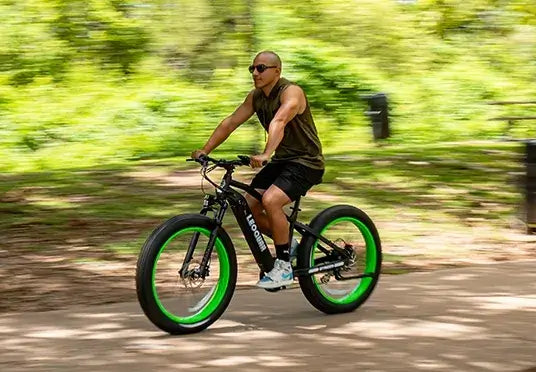
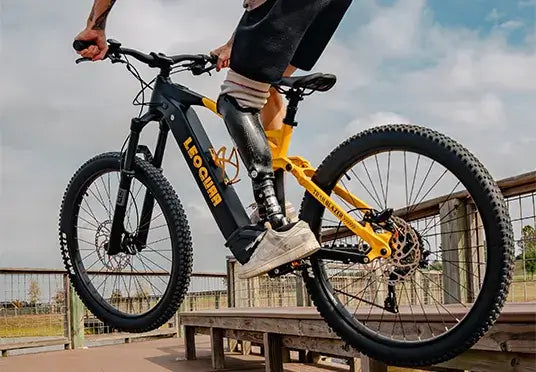
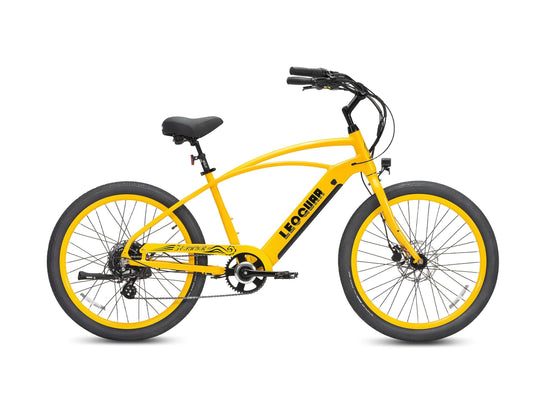
The basic design of each vehicle decides how it feels on the road. An electric bike, with big wheels, good shock absorption on many models, and a seat, gives you better comfort and steadiness. It smooths out bumps, cracks, and rough roads in ways an e-scooter just can't. This makes it the clear choice for longer rides or on rough city streets.
An electric scooter gives you a quick, standing ride that's fun for short trips on smooth roads. But its small wheels make rough ground feel jarring. While shock systems are showing up on expensive scooters, they can't fully make up for the physics of small tires. As detailed testing shows scooters struggle on hills where e-bikes excel, the extra power from pedaling gives e-bikes a big edge on slopes.
Daily Use and Easy Carrying
This is where electric scooters have been better. They're built for the "last mile" problem—getting from a bus or train stop to where you're really going.
- Storing at Home/Work: A folded e-scooter (usually 25-35 lbs) easily fits under a desk or in a closet. An e-bike (50-70 lbs) needs its own parking spot, a wall rack, or a safe outdoor area.
- Public Transit: Taking a folded scooter on a bus or train is doable. Most transit systems don't allow regular bikes or limit them during busy hours. Even folding e-bikes are often too big.
- Carrying Upstairs: Hauling a 60-lb e-bike up to a third-floor apartment is a serious daily workout. A 30-lb scooter is much more practical for walk-up living.
Power: How Far and How Fast
Real-world range depends on battery size (measured in Watt-hours, or Wh), motor power (Watts, or W), how much you weigh, and the terrain. E-bikes usually go farther for two reasons: they have room for bigger batteries, and the pedal-help system works really well. By adding your own power, you make the battery last much longer per charge.
E-bike speeds fall into classes in the US. Class 1 helps you pedal up to 20 mph. Class 2 has a throttle and helps up to 20 mph. Class 3 is pedal-help only up to 28 mph. Most e-scooters top out between 15-25 mph, which works great for busy city areas.
Safety and Rules
Safety comes first. The bigger wheels and lower center of weight on an e-bike make it naturally more stable than an e-scooter, especially at speed or when you hit unexpected bumps. You absolutely need a helmet for either vehicle. Sadly, doctors report more serious injuries from faster small electric vehicles, which shows why you need to be careful and wear proper gear.
Laws are mixed and change by city and state and keep evolving. Some places require a driver's license for e-scooters, while others have specific speed limits or lane rules. You must check your local transportation department's website for the newest rules. For example, governments often publish detailed guides about local rules for e-scooter use, which is the kind of official info you should look for.
Getting Ready for the Future
Buying a personal electric vehicle is an investment. Knowing where the tech and our cities are going by 2026 will help you make a choice that works long-term.
Future Tech: Batteries and Motors
The biggest problem with electric vehicles—worrying about running out of power—is quickly becoming old news. By 2026, we expect to see lighter, more powerful batteries that also charge faster. This change will help e-scooters the most. A key problem for scooters is choosing between battery size (range) and weight (easy carrying). Lighter, stronger batteries will let scooters go farther without getting too heavy to carry, making them much more useful. At the same time, better hub and mid-drive motors will help both types get more miles from every charge.
Changing Cities
Cities are adapting. The pandemic sped up the building of special bike and small vehicle lanes, and this trend keeps going. By 2026, city centers will be much more friendly to small electric vehicles. We also expect more safe public infrastructure, like special parking racks and even public charging stations built into street furniture. On the legal side, expect clearer and more standard rules. As cities collect more data, they'll improve rules about speed, lane use, and possibly even insurance needs for more powerful models, making riding safer and more predictable for everyone.
The Lines Getting Blurred
The most exciting trend for 2026 is how designs are coming together. The clear split between "comfortable electric bike" and "portable scooter" is fading. Companies are already fixing the weak points of each type. High-end scooters now have dual-shock systems and bigger, 10 or 11-inch air-filled tires that make rides much smoother. We're also seeing "seated scooters" that give you a more stable, bike-like feel while staying smaller.
On the flip side, e-bikes are getting easier to carry. Using carbon fiber and lightweight metals is cutting weight, and smart folding designs are making them more compact than ever. This creates a new middle ground of highly capable, comfortable, and reasonably portable vehicles.
Which One Fits You
Theory is one thing; your daily life is another. Let's use this knowledge for a few common situations.
The City Commuter
If your daily ride is under five miles through a busy city, you live in an apartment, and you might need to combine your ride with a train or bus, the electric scooter is your best practical choice. Its unbeatable portability for carrying upstairs and storing under a desk changes everything. By 2026, with better batteries and shock systems, it will be an even stronger option for this use.
The Suburban Commuter
For those with a longer ride of 5 to 15 miles, a need to carry a laptop or groceries, and access to garage or shed storage, the electric bike is the clear winner. Its comfort over longer distances, ability to handle hills easily, and better cargo space make it a real car replacement for many. The stability and safety of bigger wheels are also key when dealing with different suburban road conditions.
The College Student
This might be the most interesting choice. A student needs a budget-friendly, portable solution for getting across a big campus and storing it in a small dorm room. An entry-level e-scooter or an electric bike fits perfectly for cost and storage. But if the campus has lots of hills or the student wants to use it for weekend trips into town, a compact folding e-bike might be a better long-term buy, offering more uses and comfort despite costing more and being bulkier.

The Bottom Line
By 2026, choosing between an electric scooter vs electric bike will be less about two different categories and more about a range of solutions. The e-scooter will stay the king of super-portability for the true "last mile," while the e-bike will keep winning in comfort, range, and all-around usefulness. But the growing middle ground—comfortable, long-range scooters and lightweight, compact e-bikes—means you'll have better options that fit your specific needs more closely. The best vehicle is the one that matches your lifestyle, your budget, and your route, and gets you to leave the car at home.
Frequently Asked Questions
Q: How long do electric scooter and electric bike batteries typically last?
A: Electric scooter batteries usually last 2-4 years with regular use, while electric bike batteries can last 3-5 years or longer. The actual lifespan depends on how often you charge them, how you store them, and the quality of the battery itself.
Q: Can I ride an electric scooter or electric bike in the rain?
A: Most electric scooters and electric bikes can handle light rain, but you should avoid heavy downpours. Check your vehicle's IP rating for water resistance. Always dry your vehicle after wet rides and avoid riding through puddles to protect the electrical components.
Q: Do I need a license to ride an electric scooter vs electric bike?
A: This varies by location. Most places don't require a license for e-bikes under 28 mph or e-scooters under 15 mph, but some cities and states have different rules. Always check your local transportation department's website for current regulations in your area.
Q: Which is better for exercise - an electric scooter or electric bike?
A: An electric bike provides much better exercise because you can pedal along with the motor assistance. You can adjust how much help the motor provides, giving you a good workout while still making your commute easier. Electric scooters provide minimal exercise since you mainly just stand and steer.
Q: How much does it cost to charge an electric scooter vs electric bike?
A: Both are very cheap to charge. An electric scooter typically costs about 5-15 cents per full charge, while an electric bike costs about 10-25 cents per charge. This means your daily commute might cost just a few cents in electricity, making both options much cheaper than gas or public transit.


Leave a comment