


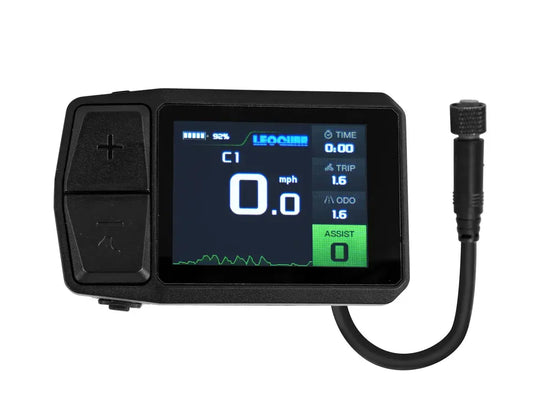


Ebike Class 2 Fat Tire With Hydraulic Brake: Best For Snow, Sand, And Trails
The All-Terrain Trifecta
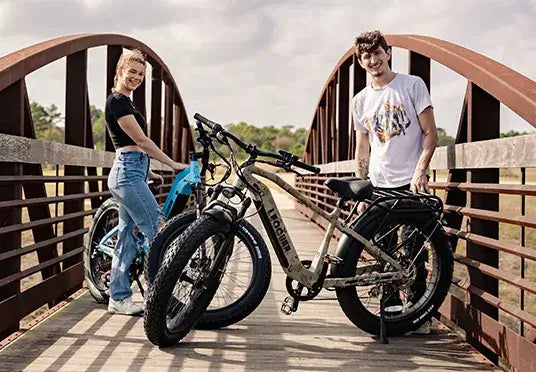
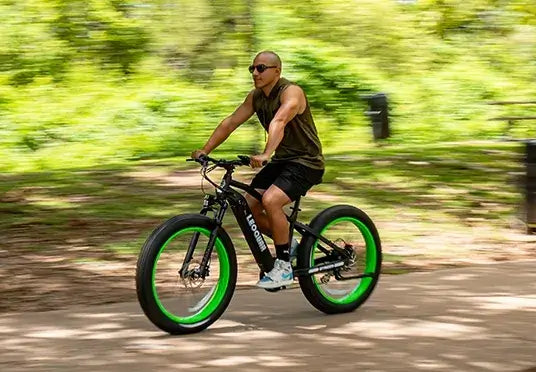
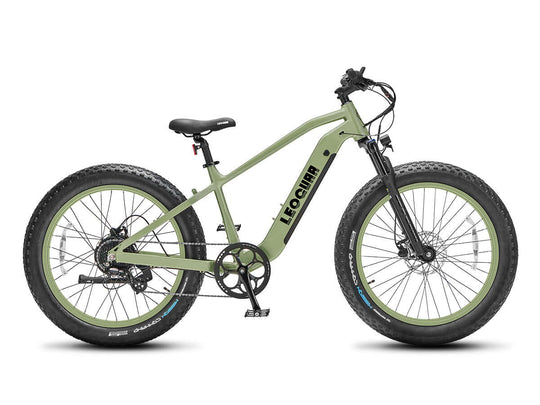
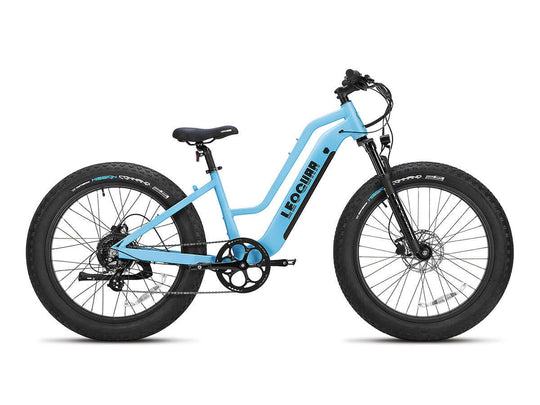
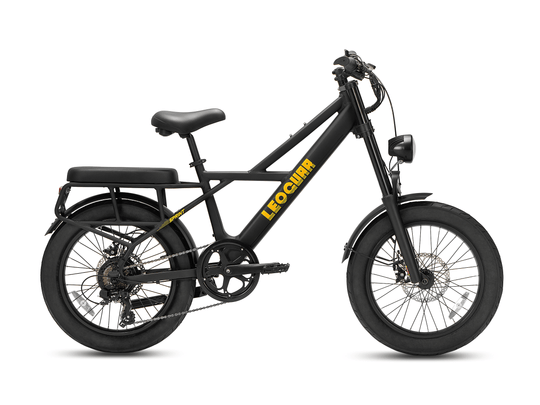
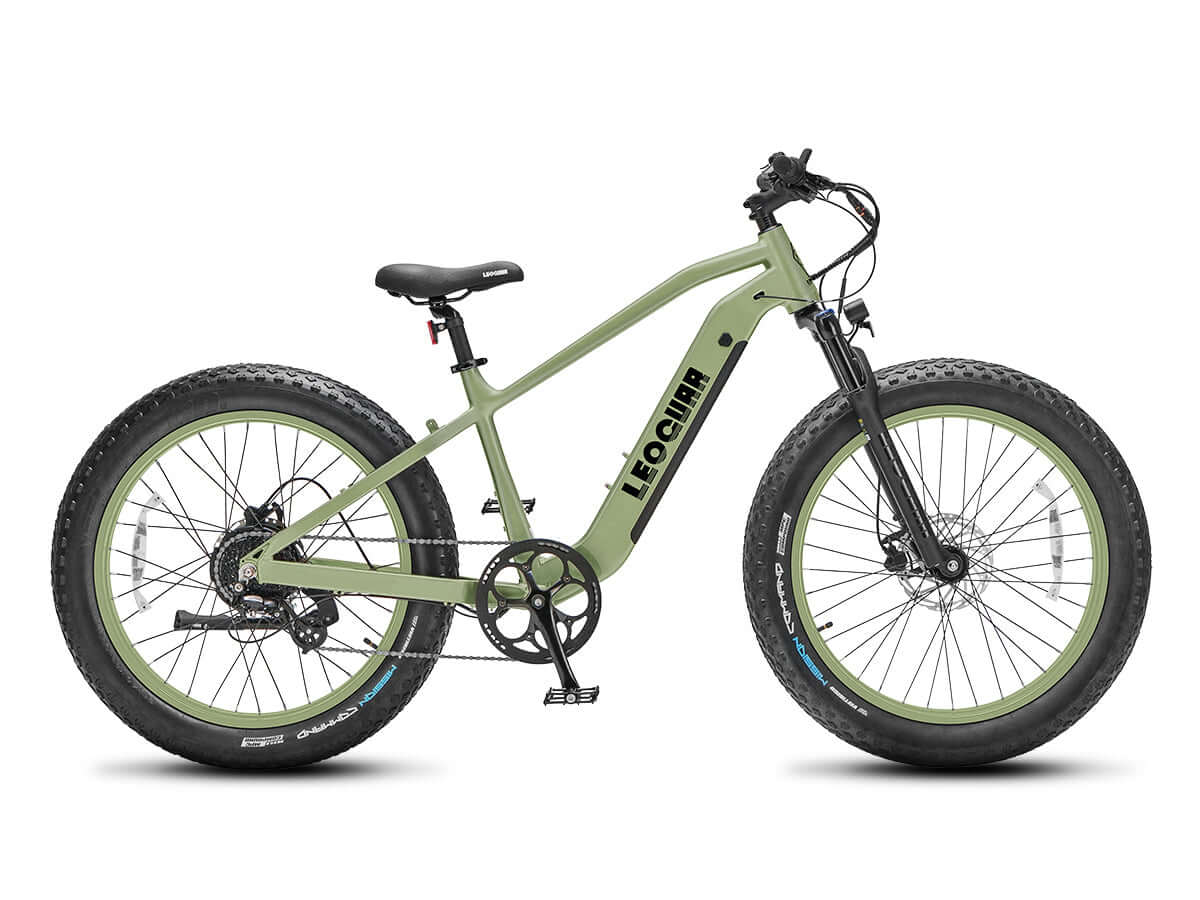
When you want an e-bike that can go anywhere, you'll see the same setup over and over: an ebike class 2 fat tire with hydraulic brake. This isn't random. This combination is the best choice for riders who don't want to stick to roads only. It opens up adventures on snow, sand, and tough trails where other bikes fail.
The magic happens when these three parts work together perfectly. A Class 2 e-bike gives you power when you need it, fat tires provide amazing grip and flotation, and hydraulic disc brakes give you the control to handle it all safely. In this guide, we'll break down each part, look at how they work together in real situations, and give you the expert knowledge you need to understand why this is the best all-terrain machine.
The real genius of an ebike class 2 fat tire with hydraulic brake isn't just the individual parts, but how they work together. They create a system where each part makes the others better, giving you a ride that is more capable, safer, and way more fun on challenging surfaces. This combination is your ticket to terrain that you couldn't ride before.
Power, Grip, and Control
Think of it as a perfect storm of ability. The power from the Class 2 system only works if it can reach the ground. That's where fat tires help, with their huge contact area stopping the wheel from spinning out on loose sand or slippery snow. But all that power and speed means nothing without exact control. That's where hydraulic brakes come in, giving you the reliable, smooth stopping power needed to handle the bike's weight and speed, especially on steep hills or in tricky conditions.
The Class 2 label itself, part of the three-class system for e-bikes, is important. It means the e-bike has a throttle. This feature changes everything for getting started from a complete stop on soft surfaces like deep sand or fresh snow, where pedaling to start the motor would make you sink and lose balance. It's this smooth mix of instant power, steady grip, and confident braking that makes this specific type of e-bike a master of all terrains.
Breaking Down Key Parts
To really understand why this combination works so well, we need to look closer at what makes each part special. Learning the specific benefits of a Class 2 system, the science behind fat tires, and why hydraulic brakes are better will help you make a smart choice.
The Class 2 Advantage
A Class 2 e-bike is legally defined as having both pedal-assist and a throttle, with the motor help stopping at 20 mph. This double function offers amazing flexibility that is especially helpful for all-terrain riding.
Easy Starts: The throttle is your best friend when starting on a steep hill or from a stop at a traffic light. On a trail, it lets you get moving on loose dirt or sand without a difficult, balance-testing first pedal push.
Riding without Pedaling: Sometimes you just want to cruise and enjoy the view, or maybe your legs need a break on a long ride. The throttle lets you move forward without pedaling at all, turning your bike into a light, quiet moped.
Better Access: For riders with limited physical strength, joint problems, or those getting better from an injury, the throttle makes cycling possible. It removes the challenge of difficult starts and hard pedaling, letting more people enjoy the freedom of riding.
The Science of Float
Fat tires are the most eye-catching feature, and their job is just as amazing. The idea is simple: flotation. By running at very low tire pressure, the tire flattens out, greatly increasing the size of the contact area with the ground.
This spreads the weight of the bike and rider over a larger area, letting the bike "float" over soft surfaces like snow and sand instead of digging in and getting stuck. Typical fat tire widths range from 4.0 to 5.0 inches. For riding on deep snow or soft sand, we suggest pressures as low as 5-10 PSI.
Compare this to a road bike tire, which might be inflated to 80-120 PSI, and you can see the basic difference in design thinking. This low pressure not only provides flotation but also adds to the superior grip and shock absorption of fat tires, smoothing out bumps from roots and rocks on the trail, acting as a form of natural suspension.
The Stopping Power Standard
With a heavier frame, wide tires, and a powerful motor, an all-terrain e-bike creates significant momentum. Controlling this momentum is essential, which is why hydraulic brakes have become the standard. While mechanical disc brakes (which use a steel cable) work fine for some bikes, hydraulic brakes offer a clear advantage in performance.
They work by pushing fluid through a sealed line to activate the caliper pistons, a system that is more efficient and powerful. To understand the mechanics, you can learn more about how hydraulic disc brakes work. Here's a clear comparison:
| Feature | Hydraulic Disc Brakes | Mechanical Disc Brakes |
|---|---|---|
| Stopping Power | Superior & Consistent | Good, but less powerful |
| Modulation (Feel) | Excellent, easy to control fine amounts | More of an "on/off" feeling |
| Weather Performance | Unaffected by weather | Can be affected by cable stretch/grime |
| Maintenance | Less frequent, but more complex (bleeding) | More frequent adjustments, easier to fix |
| Cost | Higher | Lower |
For an ebike class 2 fat tire model, the consistent power and superior feel of hydraulic brakes are essential for safety and confidence, especially when riding steep, technical terrain where exact speed control is the difference between a great ride and a bad fall.
The Real-World Ride Test
Technical specs are one thing, but the real test is how the bike feels on the terrain it was built for. As a team of e-bike experts, we've spent countless hours putting these machines through their paces. Here's how the combination of a Class 2 system, fat tires, and hydraulic brakes translates to the actual riding experience.
Scene 1: Snowy Landscapes
Picture a crisp morning after a fresh snowfall. On a regular bike, you wouldn't get ten feet. On a fat tire e-bike, it's a winter wonderland. The 4-inch wide tires, aired down to 8 PSI, press a firm track into the snow rather than sinking. As you approach a deeper drift, a simple push of the throttle provides a smooth surge of power, keeping your momentum without a frantic gear change or a leg-burning pedal stroke. On a packed-down snowy path that has become icy in spots, the hydraulic brakes give you the confidence to maintain speed, knowing that a gentle, one-finger pull on the lever will provide predictable, powerful braking without locking up the wheel.
Scene 2: Sandy Shorelines
Riding along a beach at the water's edge is an iconic image of freedom, but one that's impossible on most bikes. With a fat tire e-bike, it's a reality. The low-pressure tires float across the soft, damp sand. Keeping momentum is key here, and the throttle is your secret weapon. If you stop pedaling for a moment to look at the waves, you can easily get going again with a bit of throttle, preventing the bike from getting stuck. The motor takes the leg-draining strain out of riding on sand, turning a struggle into a peaceful cruise.
Scene 3: Rooty Forest Trails
This is where the entire system shines. Climbing a trail covered with roots and rocks, you can use a combination of pedal assist and short bursts from the throttle to clean technical sections you'd normally have to walk. The fat tires bend to the shape of the roots, providing incredible traction.
On the descent, the bike comes alive. The tires and front suspension soak up the bumps, while the hydraulic brakes allow you to exactly control speed before a tight corner or adjust your braking down a steep, rocky section. It's a level of control and ability that builds confidence and pushes you to tackle more challenging trails. Before you ride, always be sure to check local trail access regulations for e-bikes, as rules can vary.
Beyond the Big Three
While the core trio is most important, a few other features are critical for creating a truly capable all-terrain beast. When looking at an ebike class 2 fat tire with hydraulic brake, pay close attention to these parts as well.
Motor Power & Torque: Don't just look at watts; torque, measured in Newton-meters, is the real sign of climbing and acceleration power. For a heavy fat tire e-bike, we recommend looking for a motor with at least 750W and, more importantly, 80Nm of torque or higher for strong performance.
Battery Capacity & Range: Battery capacity is measured in watt-hours. A larger Wh number means more range. However, remember that riding on high-resistance surfaces like sand and snow, or relying heavily on the throttle, will greatly reduce your range compared to riding on pavement.
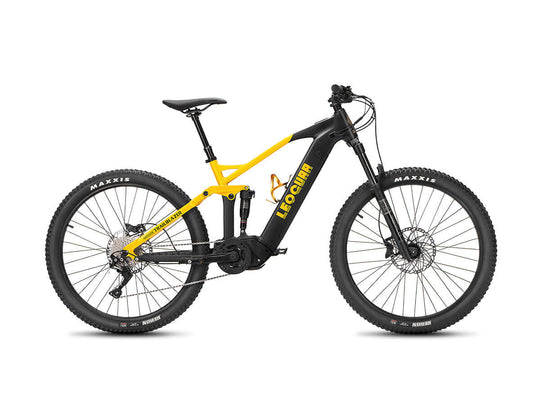
Suspension: While fat tires provide some cushioning, a front suspension fork is essential for absorbing bigger impacts on trails. It improves comfort and, more importantly, keeps the front wheel tracking the ground for better control. Some high-end models even offer full suspension for the ultimate off-road comfort.
Frame Design & Build Quality: Look for a strong frame, typically made from 6061 aluminum, that is built to handle the stress of off-road riding. The design should provide a comfortable and stable riding position, not one that is overly aggressive, to ensure you can enjoy long hours in the saddle.

The Final Verdict
So, is an ebike class 2 fat tire with hydraulic brake the right choice for you? If your goal is to explore beyond the pavement and ride with confidence in all four seasons, the answer is an absolute yes. This specific combination is not just a collection of parts; it's a purpose-built system designed for maximum flexibility and fun.
It empowers you to glide over snow, conquer sandy beaches, and tame rugged trails. It's the key that unlocks a world of adventure, making it the ultimate partner for any rider who refuses to be limited by terrain.
Frequently Asked Questions
Q: What makes Class 2 e-bikes better for off-road riding than Class 1 or Class 3?
A: Class 2 e-bikes have both pedal assist and a throttle, which is crucial for off-road riding. The throttle helps you start from a stop on soft surfaces like sand or snow without losing balance, and it provides instant power when you need it most on challenging terrain.
Q: How low should I set my tire pressure for different surfaces?
A: For snow and sand, run your fat tires at 5-10 PSI for maximum flotation. For rocky trails, use 10-15 PSI for better puncture protection while maintaining good traction. On pavement, you can go up to 15-20 PSI for better efficiency.
Q: Are hydraulic brakes worth the extra cost compared to mechanical disc brakes?
A: Yes, especially for heavy e-bikes with fat tires. Hydraulic brakes provide more consistent stopping power, better modulation for precise control, and perform better in wet conditions. The superior control is essential for safety when riding challenging terrain.
Q: How much does the fat tire and motor combination affect battery range?
A: Fat tires and powerful motors significantly reduce range compared to regular e-bikes. Expect 20-40 miles on challenging terrain versus 40-80 miles on pavement. Factors like tire pressure, terrain type, throttle use, and rider weight all impact range.
Q: Can I ride an ebike class 2 fat tire with hydraulic brake on all bike trails?
A: Trail access varies by location and land management agency. Many trails allow Class 2 e-bikes, but some restrict motorized vehicles entirely. Always check local regulations before riding, and respect trail rules to help maintain access for all e-bike riders.



Leave a comment