




Full Electric Bike: Pros, Cons, And What You Need To Know
Understanding the Term
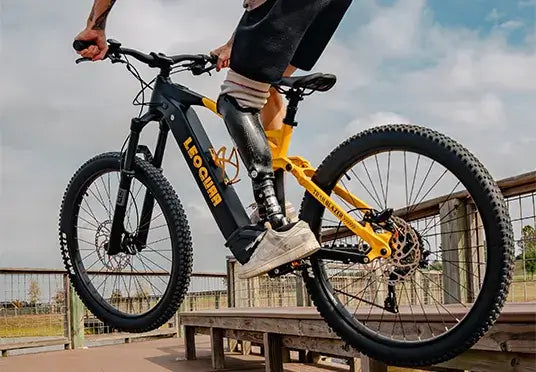
When you hear "full electric bike," it might confuse you. Does it mean the bike has no pedals at all? Or maybe it runs completely on electric power? In the bike world, this term almost always means a full suspension electric bike. This is an e-bike that has suspension systems in both the front and back. These bikes are not electric motorcycles that only use a throttle. They are bikes that help boost your pedaling power. The main benefit is clear: you get a much smoother ride on bumpy roads. This guide will explain the good points, bad points, and important technology of full suspension e-bikes so you can decide if one fits your riding style and budget.
Good and Bad Points
Picking a full suspension e-bike means choosing between comfort and cost. You need to think about the good parts and the bad parts to make a smart choice. The smooth ride sounds great, but you also have to think about price, weight, and taking care of it. This balanced view will help you figure out if the extra complexity matches what you really need. Here are the main things to consider.
| Pros: Comfort and Control | Cons: Cost and Complexity |
|---|---|
| Amazing Comfort: This is the biggest benefit. The front and back suspension work together to soak up bumps, cracks, and roots, which makes your body much less tired. This makes longer rides more fun and less harsh on your body. | Higher Price: Good suspension parts and the complex frame designs needed for them mean these bikes cost much more than bikes with only front suspension or no suspension at all. |
| Better Grip and Control: By keeping the wheels touching the ground better, full suspension gives you better grip and control. You really notice this when climbing loose hills, turning on uneven ground, or braking on rough terrain. | More Weight: A back shock, moving parts, and a stronger frame add a lot of weight. These bikes are harder to lift onto a car rack, carry up stairs, or move around when you are not riding them. |
| Can Handle More Terrain: A full suspension e-bike opens up new places to ride. It can make bumpy city rides smoother and handle true full suspension electric mountain bike trails that would be uncomfortable or impossible on a bike without suspension. | Needs More Care: Suspension systems need regular service to work right. Moving parts can wear out and get loose, and the back shock needs new seals and oil changes from time to time, which adds to the cost of owning the bike over time. |
| Less Stress on Your Body: The system soaks up impacts that would otherwise go through your hands, back, and joints. For riders with ongoing pain or those looking for a way to ride that does not hurt as much, this can change everything. | Might Lose Some Energy: Some of the energy you put into the pedals can get absorbed by the back suspension, which people call "pedal bob." While modern suspension designs have gotten really good at reducing this, it still happens compared to a bike without back suspension. |
Suspension Details
Not all suspension works the same way. Learning the key terms and technology will help you look at a bike's details and know exactly what you are paying for. It is more than just bouncing up and down. It is a carefully designed system made to improve control and comfort.

Understanding "Travel"
Suspension travel is the total distance, measured in millimeters, that the wheel can move up and down to absorb a hit. More travel lets the bike handle bigger bumps, while less travel usually works better for pedaling on smoother ground. The amount of travel tells you a lot about what the bike is made for.
- Short Travel (80mm-120mm): This range works great for comfort-focused commuter and hybrid e-bikes. It smooths out city potholes, curbs, and light gravel paths, giving you a cushioned ride without the extra weight of a long-travel system.
- Mid-Travel (130mm-160mm): This is the flexible sweet spot for all-around trail riding and most full suspension electric mountain bike models. It balances efficient climbing and confident going downhill, making it able to handle many different types of off-road terrain. As experts note, most modern electric mountain bikes fall into this group.
- Long Travel (170mm+): Made for the most aggressive enduro and downhill e-bikes. This much travel focuses on absorbing huge impacts from jumps and drops at high speeds, putting descending ability above everything else.
Air vs. Coil Springs
The "spring" is what holds the rider up and brings the suspension back to its normal position after a bump. There are two main types:
Air Springs: These are the most common type found on e-bikes. They use pressurized air inside a chamber. Their main advantages are being lightweight and very adjustable. By simply using a special pump, you can change the air pressure to perfectly match your body weight and riding style. They naturally give a "progressive" feel, meaning the suspension gets firmer toward the end of its travel to resist bottoming out on big hits.
Coil Springs: These use a physical steel or titanium coil. They are heavier than air springs and less adjustable on the spot. Changing the spring rate requires physically swapping the coil for a different one. However, many riders prefer their "linear" and smooth feel, which is very sensitive to small bumps and gives consistent performance throughout the travel.
A System Working Together
A full suspension bike is a complete system. The front fork and back shock are designed to work together to create a balanced ride. An unbalanced bike, where the front is much softer or firmer than the back, can feel unpredictable. The back wheel does not just move straight up and down. It travels in a specific arc controlled by a series of links. Engineers spend countless hours designing these link layouts to control factors like pedaling efficiency and braking performance, making sure the suspension stays active when you need it most.
Other Important Parts
While suspension defines this category, it works together with other important parts that determine the bike's overall performance, range, and feel. Understanding these parts gives you a complete view of what makes a great full electric bike.
The Engine: Motor
The motor is the heart of the e-bike. On most high-end full suspension models, you will find a mid-drive motor.
- Mid-Drive vs. Hub-Drive: Mid-drive motors sit at the bike's bottom bracket, where the pedals attach. This central placement gives better weight balance and lets the motor use the bike's gears, making it more efficient for climbing. Hub-drive motors, located in the wheel hub, are simpler but can create an unbalanced feel.
- Torque: Torque measures the motor's rotational force. Simply put, higher torque gives more power for speeding up and, most importantly, for conquering steep hills. Typical torque for trail e-MTBs ranges from 75Nm to 90Nm, delivered by proven systems from brands like Bosch, Shimano, and Brose.
The Power Source: Battery
The battery determines how far you can go on a single charge.
- Capacity: Battery capacity is measured in Watt-hours. A higher Wh number generally means a longer potential range. Many modern e-bikes have batteries with 500Wh to over 750Wh to make sure you have a long-lasting battery for big adventures.
- Range Factors: The advertised range is just an estimate. Your actual range will change a lot based on factors like your weight, the terrain (hills drain batteries fast), your chosen level of pedal assist, and even the outside temperature.
The Foundation: Frame
The frame is the bike's foundation, and its design has a huge impact on handling and strength.
- Geometry: Electric bike frame geometry refers to the angles and lengths of the frame tubes. On a mountain bike, for example, a "slack" head tube angle improves stability when riding fast downhill. A steeper seat tube angle positions you better for efficient climbing.
- Material: The two most common materials are aluminum and carbon fiber. Aluminum offers excellent durability and value, making it a popular choice. Carbon fiber is lighter, stiffer, and can be molded into more complex shapes, but it costs much more.
Is One Right for You?
With the higher cost and complexity, a full suspension e-bike is not automatically the best choice for everyone. You need to honestly think about how you will mainly use it before you buy. This reality check can save you money and make sure you get a bike that truly makes your riding experience better.
You Should Consider One If...
- You regularly ride on unpaved trails, chunky gravel, or poorly maintained city streets with lots of potholes.
- You put comfort above all else, especially if you have back, neck, or joint problems that get worse from bumps.
- You want the most capable and flexible bike possible, one that can handle a weekday commute and a weekend mountain adventure with equal confidence.
- You are specifically buying a full suspension electric mountain bike to ride on challenging off-road trails, which is what it was made for.
A Hardtail Might Be Better If...
- Your riding is almost only on smooth, paved roads and dedicated bike paths.
- Your budget is a main concern. You can get a high-quality hardtail e-bike for the price of an entry-level full suspension model.
- You need a lighter bike. Full suspension models often weigh around 50 lbs or more, making them hard to lift into an apartment or onto a car rack.
- You prefer simplicity and lower maintenance. With no back shock or moving parts to service, hardtails are simpler and cheaper to own over the long term.
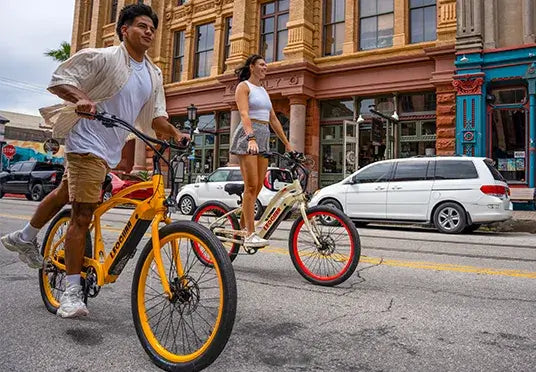
We have tested premium full suspension e-bikes for daily commuting and, while comfortable, the extra weight and complexity often felt like too much on protected bike lanes. For many city riders, a good set of wider tires on a hardtail gives plenty of comfort for much less cost and hassle. The e-bike market is huge. There is an electric version of pretty much every type of bike, from a stylish ride from Electra to tough cargo haulers. Make sure the features you are paying for match the riding you will actually do.

Your Ride, Your Choice
In the end, the term "full electric bike" refers to a category of e-bikes built for comfort and ability over rough terrain. They achieve this through a full suspension system, which offers amazing smoothness and control at the cost of higher price, more weight, and more complex maintenance. It represents the peak of e-bike technology for tackling challenging environments, from rugged trails to broken urban streets.
The decision to invest in one comes down to a personal equation. Weigh the clear comfort and all-terrain confidence against the practical realities of your budget and typical riding routes. By understanding the core technology and honestly assessing your needs, you can make an informed choice and select a bike that will bring you years of enjoyment, wherever you choose to ride.
Frequently Asked Questions
Q: What is the difference between a full electric bike and a regular e-bike?
A: A "full electric bike" typically refers to a full suspension electric bike, which has both front and rear suspension systems. Regular e-bikes might only have front suspension or no suspension at all. The term does not mean the bike runs entirely on electric power without pedaling.
Q: How much more expensive are full suspension e-bikes compared to hardtail models?
A: Full suspension e-bikes typically cost significantly more than hardtail models due to the complex suspension components and frame design. You can often get a high-quality hardtail e-bike for the same price as an entry-level full suspension model, with the difference sometimes being thousands of dollars.
Q: Do I really need full suspension for city commuting?
A: For most city commuting on paved roads and bike paths, full suspension is usually overkill. A hardtail with good tires can provide adequate comfort for urban riding while being lighter, cheaper, and requiring less maintenance. Full suspension is most beneficial for rough terrain and off-road trails.
Q: How often does the suspension system need maintenance?
A: Suspension systems require regular service to perform correctly. The rear shock typically needs seal and oil changes periodically, and pivot points can wear out over time. The exact maintenance schedule depends on how often and where you ride, but expect more upkeep than a hardtail bike.
Q: What suspension travel do I need for different types of riding?
A: For comfort-oriented commuting and light trails, 80-120mm of travel is usually sufficient. For all-around trail riding and most mountain biking, 130-160mm provides a good balance of climbing efficiency and descending capability. Long travel of 170mm+ is mainly for aggressive downhill and enduro riding.


Leave a comment