



Electric Bike Parts for Beginners: A Complete Breakdown of Components
Welcome to E-Bikes
Getting a new electric bike feels amazing. The promise of easier climbs, longer rides, and faster commutes is right there waiting for you. But all those new electric bike parts can seem confusing at first. What does everything do? Don't worry - we'll help you figure it out.
This guide will explain every key part of your e-bike. We'll walk you through each component so you can ride with confidence and get the most from your new bike.
- The Core Electrical System
- How These Parts Work Together
- Standard Bicycle Components
- Basic Maintenance for Longevity
- Smart First Upgrades
Understanding Electrical Parts
This is what makes an e-bike special. These five parts work together to give you power and make riding feel easy. Learning about them is the first step to becoming an e-bike expert.
The Motor: Your Engine
The motor gives your e-bike its power and makes climbing hills much easier. It changes electrical energy from the battery into movement that helps you pedal. When people talk about bike electrical parts, the motor usually comes up first. There are two main types, and learning about the different types of e-bike motors helps you understand how your bike works.
- Hub Motors: These motors sit in the center of your front or rear wheel. They push or pull the bike forward and work great for flat roads. You'll find them on cheaper city bikes because they're simple and reliable.
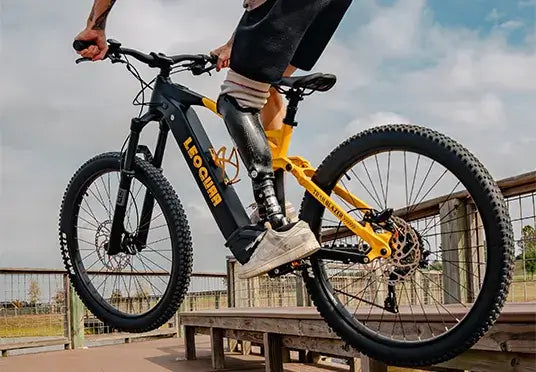
- Mid-Drive Motors: These motors attach where your pedals connect to the bike frame. They send power directly through your chain and gears, which feels more natural when you ride. They work especially well for steep hills because they use your bike's gears to climb better.
The Battery: Your Powerhouse
The battery stores all the electrical energy your motor needs to run. It's usually the heaviest and most expensive part of your e-bike. When you look at battery information, you'll see some important numbers that tell you how it performs.
- Voltage (V): This measures how strong the power flow is. Higher voltage usually means more power and faster speeds. Most e-bikes use either 36V or 48V batteries.
- Amp-Hours (Ah): This tells you how much energy the battery can store. Think of it like the size of a gas tank - bigger numbers mean longer rides.
- Watt-Hours (Wh): This gives you the best idea of total battery power. You get this number by multiplying voltage times amp-hours. Most modern e-bike batteries let you ride 20 to 100 miles, depending on the battery size, hills, your weight, and how much help you use.
The Controller: The Brains
The controller hides inside your bike frame but does very important work. It acts like a computer that connects all your electric bike parts together. It takes signals from your controls and sensors, then tells the battery exactly how much power to send to the motor. You can't see it working, but it makes thousands of decisions every second to give you smooth power.
The Display: Your Cockpit
Your display mounts on your handlebars and shows you what's happening with your bike. It always shows your battery level and lets you pick how much help you want from the motor. Levels usually have names like Eco, Tour, Sport, or Turbo. Fancier displays also show your speed, how far you've ridden, and how much battery you have left.
The Sensors: The Secret Sauce
Sensors make your e-bike feel smart instead of clunky. They can tell when you're pedaling and signal the controller to turn on the motor. This makes the difference between a bike that only works with a throttle and one that helps when you pedal. There are two main types that work differently.
-
Cadence Sensors: These sensors can tell when your pedals are turning. As soon as you start pedaling, the motor gives you a set amount of help based on what level you picked. It's like an on-off switch - if you pedal, you get help.
-
Torque Sensors: These sensors measure how hard you're pushing the pedals. The harder you pedal, the more help the motor gives you. This creates a very smooth ride that feels like you just got super strong legs.
| Feature | Cadence Sensor | Torque Sensor |
|---|---|---|
| Riding Feel | A noticeable "kick" when the motor engages. | Smooth, intuitive, and proportional to your effort. |
| Cost | Less expensive, common on entry-level e-bikes. | More expensive, found on mid- to high-end e-bikes. |
| Best For | Casual riding on flat terrain, affordability. | Hilly terrain, performance riding, a natural feel. |
How Key Parts Work Together
Knowing about individual electric bike parts is helpful, but the real magic happens when they all communicate. The controller, battery, and motor work together perfectly to give you that smooth, powerful ride. Think of your e-bike like a human body. Your display works like your eyes and hands - you see a hill coming and decide you need more power, so you press the plus button.
- Input: Your command goes to the Controller, which acts like the brain. The sensor at your pedals also tells the brain that you're pedaling and how hard you're working.
- Processing: The Controller processes this information instantly. It decides that you want Turbo mode and you're pedaling hard, so it needs to respond.
- Action: The Controller sends exact instructions to the Battery, telling it to release a specific amount of electrical energy.
- Output: This power flows from the Battery to the Motor, which changes the electrical energy into rotational force that helps you climb the hill.
This whole process happens almost instantly, making the bike feel like it reads your mind.
Essential Standard Components
An e-bike is still a regular bike with electric parts added. The traditional mechanical components are just as important for safety, comfort, and ride quality. These parts usually get built stronger to handle the extra weight and speed of electric bikes.
The Frame
The frame forms the skeleton that holds your bike together. On e-bikes, it has to support the extra weight of the motor, battery, and controller while handling higher speeds and forces. Most e-bike frames use aluminum because it offers good strength without being too heavy or expensive.
The Brakes
Brakes might be your most important safety feature. E-bikes are much heavier and faster than regular bikes, so you need powerful, reliable brakes to stop safely. Quality e-bikes almost always use disc brakes for better stopping power.
- Mechanical Disc Brakes: These use a steel cable to squeeze brake pads against a rotor on your wheel. They stop you well and are fairly easy to adjust and maintain at home.
- Hydraulic Disc Brakes: These use a sealed fluid system like car brakes to transfer force from the lever to the brake pads. They provide better stopping power, finer control, and lighter lever feel, which is why mid-range and expensive e-bikes use them.
The Drivetrain
The drivetrain includes your pedals, crank arms, chainrings, chain, and rear gears. This system transfers your pedaling power to the rear wheel. Even with motor help, keeping these parts clean and oiled is vital for smooth, quiet riding. Good e-bike care and maintenance of your drivetrain makes it last longer and saves money.
The Wheels and Tires
E-bike wheels get built tougher than regular bike wheels. They have stronger rims and thicker spokes to handle extra force from the motor and the bike's weight. The tires are special too - e-bike tires use stronger rubber and often have extra protection layers to prevent flats, which are harder to fix on heavy bikes.
Simple Maintenance Tips
You don't need to be a bike mechanic to keep your e-bike running great. A few simple, regular checks will keep your ride safe, reliable, and fun for years.
- Battery Care is King: Your battery costs a lot, so take good care of it. Store it inside where it's cool and dry, especially when it's very hot or cold outside. Try to keep the charge between 20% and 80% for daily use to make it last longer. Don't let it sit empty for weeks at a time. Learning about e-bike battery technology helps protect your investment.
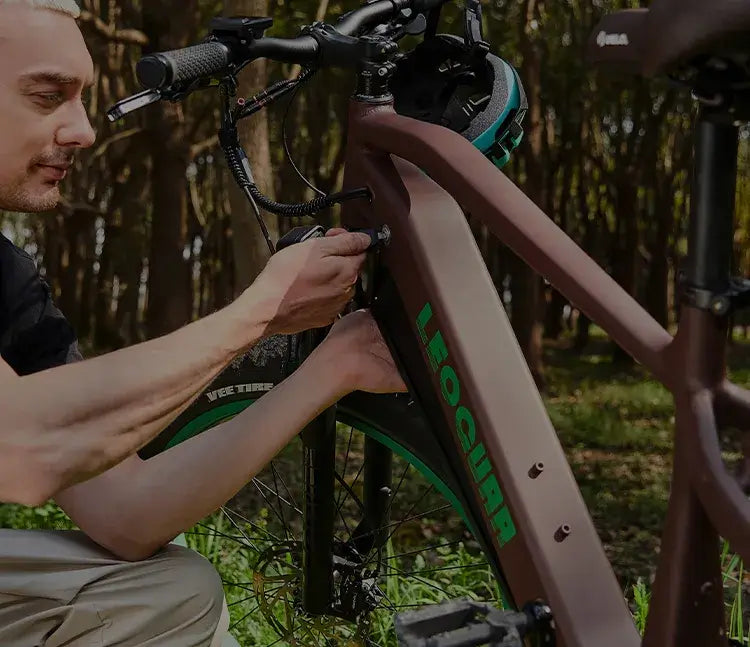
- Check Your Connections: Once a month, look over your bike quickly. Make sure the cables connecting your display, motor, and controller are plugged in tight and don't show damage or fraying.
- Inspect Brakes and Tires Weekly: Before you ride, squeeze your tires to make sure they have enough air. Proper tire pressure prevents flats and makes pedaling easier. Also squeeze your brake levers to make sure they feel firm and work properly.
- Keep it Clean: A clean bike works better and lasts longer. Wipe down the frame, wheels, and chain area with a damp cloth after muddy rides. This keeps it looking good and helps you spot problems like loose bolts or damaged cables.
Beginner's Mistake to Avoid
Many people use high-pressure washers to clean e-bikes, but this can force water into sensitive electrical parts like the motor, controller, and display. This causes rust and serious damage. Always use gentle spray from a hose or clean with a bucket and cloth.

Your First Upgrades
One great thing about owning a bike is making it your own. You don't need to change anything right away, but a few smart upgrades can make huge improvements in comfort and safety. Here are the best places to spend money for the biggest difference.
Focus on Comfort First:
- A Better Saddle: The seat that comes with your bike tries to fit everyone but might not fit you perfectly. A saddle that matches your body can be the single best upgrade for enjoying longer rides without soreness.
- Ergonomic Grips: If your hands get numb or your wrists hurt, ergonomic grips provide better support and a more natural hand position for much more comfort.
Boost Safety and Utility:
- High-Quality Lights: Even if your bike has lights built in, a stronger front light for seeing the road and a brighter rear light for being seen by cars are crucial safety investments.
- Durable Tires: Upgrading to tires with excellent puncture protection is one of the smartest things you can do. It gives peace of mind and saves you from fixing flats on the roadside.
- A Sturdy Rack and Panniers: If you plan to commute or run errands with your e-bike, adding a rear rack and panniers (bags that attach to the rack) changes everything. The bike carries the weight instead of your back.
Knowing your e-bike parts isn’t just for mechanics — it’s the key to keeping your rides smooth, safe, and easy to upgrade when the time comes. The Leoguar parts & accessories collection has everything from essentials to add-ons, so you can maintain your bike with confidence and customize it to fit your style of riding.
Frequently Asked Questions
1. Q: How long do e-bike batteries typically last?
A: Most e-bike batteries last 3-5 years or 500-1000 charge cycles with proper care. Keeping the battery between 20-80% charge and storing it in cool, dry conditions helps maximize its lifespan.
2. Q: Can I ride my e-bike in the rain?
A: Yes, most e-bikes are designed to handle light rain and wet conditions. However, avoid riding through deep puddles or using high-pressure water to clean your bike, as this can damage electrical components.
3. Q: What's the difference between pedal assist and throttle on an e-bike?
A: Pedal assist (pedelec) provides motor help only when you're pedaling, while a throttle lets you get motor power without pedaling at all. Many e-bikes have both features, but pedal assist feels more natural and provides better battery life.
4. Q: How often should I service my e-bike?
A: Basic maintenance like checking tire pressure and cleaning should be done weekly. Professional tune-ups are recommended every 6-12 months or every 1000-2000 miles, depending on how often you ride and in what conditions.
5. Q: Can I upgrade the battery on my e-bike for longer range?
A: In most cases, yes, but the new battery must be compatible with your bike's voltage and controller specifications. Always consult with your bike manufacturer or a qualified e-bike shop before upgrading to ensure safety and compatibility.


Leave a comment