




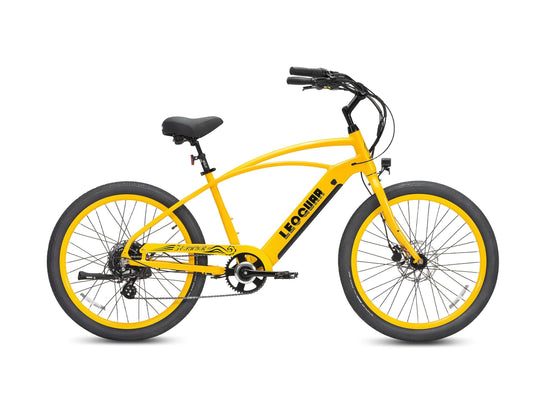


How to Prevent E-Bike Battery Fires: Essential Safety Tips
Quick Rules to Prevent Fires
E-bikes are becoming very popular, but battery fires worry many people. News about battery fires can scare any rider. Most of these problems can be stopped before they happen. This guide will give you clear tips to keep your e-bike battery safe. We want to help you prevent ebike battery fires and ride without worry. Here are the main solutions to protect your bike, your home, and your safety.
For people who need the key information right now, here are five main rules for safe lithium ion e-bike batteries. These rules will stop most fires from happening.
- Use Original & Certified Gear: Always use the battery and charger that came with your e-bike. Buy replacements only from the original maker or certified dealers if you need them. Wrong equipment causes many fires.
- Never Charge Unattended: Don't charge overnight or when you're away. Most fires happen while charging. Being there means you can act fast if something goes wrong, like too much heat or smoke.
- Charge in a Safe Space: Keep the charging area away from things that can burn, like paper, blankets, or gas. Never charge where it could block a door or window.
- Inspect Before Every Charge: Look at your battery before you plug it in. Don't use or charge it if you see swelling, cracks, leaking, or damage.
- Buy Certified Products: Choose e-bikes where the whole electrical system has been tested to safety standards like UL 2849. This is the best thing you can do for safety.
Why Batteries Catch Fire
Most e-bike battery fires start with something called thermal runaway ebike battery. This happens when one damaged battery cell gets too hot and makes other cells overheat too, which leads to fire or explosion. Safety experts say this usually happens because of four main problems.

- Low-Quality or Uncertified Batteries: These cause the most fires. Cheap batteries don't have good safety parts like a quality Battery Management System or strong construction.
- Mismatched or Damaged Chargers: Using a charger with wrong power levels or a broken one can overcharge the battery cells. This can cause them to fail badly.
- Improper Charging Habits: Leaving a battery charging too long, especially in hot or stuffy areas, creates extra stress and heat. This puts too much pressure on the battery.
- Physical Damage or Aging: A battery that has been dropped, punctured, or is just too old can have internal problems. These problems can start thermal runaway.
Buying Safe: Look for UL 2849
The best way to prevent ebike battery fires starts before you buy the bike by choosing a certified product. Many brands say their battery is certified, but you should look for certification of the whole electrical system.
What is UL 2849 certification? It's a safety standard that tests the e-bike's whole electrical system as one unit. This includes the battery, charger, and motor controller together, not just the battery alone.
Why System Certification Matters: A fire can start from a bad charger or a short in the motor controller, not just the battery. A UL 2849 certified e-bike has been tested to make sure all parts work together safely and protect against electrical shorts, overcharging, and extreme heat. This complete approach is much better than just having a certified battery with uncertified charger and motor.

How to Find a Certified E-Bike: Look for the UL mark on the bike frame, battery, or charger. Companies that make certified products will show this clearly on their website and in the user manual. When you're not sure, ask the seller directly if the electric bike system is certified to UL 2849.
Buying a UL 2849 certified e-bike means you're getting a system that has been carefully tested for the dangers that cause fires. It's the foundation of e-bike battery safety.
Safe Charging Habits
Daily charging is when the highest risk happens. Having a strict and safe charging routine is very important. We've broken this down into three rules you must follow.
Never Charge Unattended
The most important rule is to never charge your battery while you sleep or when you're not home. Most battery fires reported by agencies like the FDNY happen during charging. Charging without watching means a small problem can become a big disaster before anyone can help.
A modern Battery Management System is designed to prevent overcharging, but it can break, especially in cheap or damaged batteries. Being there is your best protection. Set a timer on your phone and unplug the charger when the battery is full. The Fire Safety Research Institute strongly says not to charge overnight for this reason. Do not charge an e-bike battery overnight.
Use Original Gear Only
You must use the original ebike charger that came with your battery. Every battery is made to work with a charger that gives specific power levels and talks properly with its safety system.

You should avoid aftermarket ebike battery and charger models as a main safety rule. A cheap, uncertified charger might look like it works, but it can be very dangerous. It might not have the parts to stop charging when the battery is full or send wrong power levels, slowly damaging the cells until they break.
| Feature | Original/Certified Charger | Cheap/Aftermarket Charger |
|---|---|---|
| Safety Certification | Usually UL, CE, or similar certification | Often not certified |
| Voltage/Amperage | Exactly matched to your battery's needs | May be wrong, causing over or under charging |
| BMS Communication | Works with the battery's safety signals | May skip or ignore safety signals |
| Risk | Low risk of electrical failure | High risk of overheating, cell damage, and fire |
Create a Safer Charging Spot
Where you charge is just as important as how you charge. Setting up a safe place to charge your ebike battery is simple. We set up our workshop charging station in a garage on concrete floor, at least 10 feet from the door and any stored paper or flammable liquids. We also have a smoke detector right above it.
Follow this list for the best e-bike charging safety: On a hard, non-flammable surface like concrete or ceramic tile. Never charge on carpet, sofa, or wooden table. In a well-ventilated area to let heat escape naturally. Keep it away from flammable materials like curtains, paper, gas, or cleaning supplies. Never block an exit like a door, window, or main hallway. Have a smoke detector installed nearby or right above the charging area.
Storage and Handling
How you store your ebike battery safely when not using it directly affects its health and safety. Temperature and physical handling are very important.
- DO store the battery indoors at a steady, normal room temperature. Keep it clean and dry, and if it gets wet, wipe it with a dry cloth right away.
-
DO store it with some charge (around 40-80%) if you won't use it for several weeks or months. This reduces stress on the cells.

- DON'T leave the battery in a hot car, in direct sunlight, or next to heat sources like a heater. Heat hurts battery health.
- DON'T store it in freezing temperatures. If you ride in cold weather, always bring the battery inside to warm up to room temperature before charging.
- DON'T use a battery that has been dropped or shows signs of impact. Even if there's no visible damage, internal parts could be broken, so get it checked by a professional.
Critical Warning Signs
A battery will almost always show signs of problems before a fire happens. Learn to recognize these damaged ebike battery signs. If you see any of these, stop using the battery right away, don't charge it, and move it to a safe outdoor location away from things that can burn.
- Swelling or Deformity: A swollen ebike battery is a major danger sign. If the case is bulging, puffy, or has changed shape in any way, it means dangerous internal gas buildup.
- Unusual Odor: A strange, sweet, metallic, or sharp smell from the battery can mean leaking chemicals. Any sign of moisture or white powder on the battery case shows an internal break.
- Excessive Heat: Ebike battery overheating during charging or use is a serious warning. A battery should get warm but never too hot to touch comfortably.
- Charging Problems: If the battery doesn't hold charge, charges very fast, or won't charge at all, it could mean a problem in the battery or safety system. Any visible cracks, holes, or deep dents in the battery case hurt its safety.
What to Do in an Emergency
Knowing what to do in the worst case is important for lithium ion battery fire safety. If you see smoke or flames from your battery, follow these steps.
- Evacuate Immediately: Your personal safety is the most important thing. Get everyone out of the area and don't block your own exit. The smoke from a lithium-ion fire is very toxic.
- Call 911: Tell them it is a lithium-ion battery fire. This is important information for the fire department because these fires need special methods and equipment to put out.
- Do Not Use Water: Never use water on a lithium-ion battery fire. It can react with the burning metals and make the fire worse or cause an explosion.
- Only If It's Safe: If the fire is very small (just smoke) and you can do it without risk, you can try to cover it with sand or use a Class D fire extinguisher made for metal fires. However, leaving the area and calling 911 is always the safest first action.

Conclusion
Most e-bike battery fires are preventable when you follow safe habits and use certified equipment. Choose a UL certified electric bike system, charge only with the original charger, and never leave the battery charging unattended. Set up a safe charging space away from heat and flammable items, and always pay attention to warning signs like swelling, strange smells, or unusual heat.
E-bike battery safety isn’t complicated, but it does require consistency. Smart buying decisions, careful charging routines, and proper storage all work together to reduce risk. When you treat your battery with the same care as your ride, you protect your home, your bike, and your peace of mind.
Frequently Asked Questions
Are certified batteries really safer than uncertified ones?
Yes, absolutely. A UL 2849 certification means the entire e-bike electrical system has been tested together to handle overcharging, short circuits, and other potential failures. It's the strongest safety validation you can get.
Is it safe to charge an e-bike battery overnight?
No, we strongly recommend against overnight charging. Even with high-quality batteries, there's always a small risk of system problems. The safest practice is to only charge when you're awake and present.
Can I use a third-party charger with my e-bike battery?
We don't recommend using third-party chargers. Non-original chargers can void your warranty and create significant risks of battery damage due to incorrect power levels, which can lead to fires.
What are the main warning signs that my battery is becoming unsafe?
The most critical signs are physical swelling of the battery case, leaking fluid, strange chemical smells, or excessive heat during charging or use. If you notice any of these signs, stop using the battery immediately.
How should I dispose of a damaged e-bike battery?
Never throw a damaged battery in regular trash. Contact your local hazardous waste facility or battery recycling center. Many bike shops also accept old batteries for proper disposal. Never attempt to repair a damaged battery yourself.


Leave a comment