




What Is Pedal Assist? A Beginner's Guide to eBike PAS Modes
Pedal assist, also called PAS, is an eBike system that turns the motor on when you pedal and adds a selected amount of electric support to your own effort. If you are shopping for a pedal assist bike, PAS is the main feature that makes hills easier, starts smoother, commutes less sweaty, and longer rides feel more manageable.
Unlike a motorcycle, an electric bike with pedal assist still asks you to ride. You turn the cranks, the bike senses your pedaling, and the motor helps based on the assist level, sensor type, speed limit, and controller programming.
Quick PAS Cheat Sheet for Beginners
| Question | Short Answer |
|---|---|
| What does pedal assist do? | Adds motor power while you pedal. |
| Is PAS the same as a throttle? | No. PAS responds to pedaling; a throttle can move the bike without pedaling. |
| Does higher PAS drain the battery faster? | Yes. Higher assist usually means more power draw and less range. |
| Which PAS level is best for commuting? | Low to mid assist for flat routes, higher assist for hills, headwinds, and arriving less sweaty. |
| Is torque sensing better than cadence sensing? | Torque sensing feels more natural; cadence sensing is simpler and often more affordable. |
| Can a beginner ride PAS safely? | Yes, but start in a low level and avoid sudden high-assist starts in traffic or tight spaces. |
How Pedal Assist Works

A pedal assist system usually includes four parts: a sensor, motor, battery, and controller.
The sensor detects that you are pedaling. The controller reads that signal, checks your selected PAS level, then sends power from the battery to the motor. The motor adds force to the wheel or drivetrain, depending on whether the bike uses a hub motor or mid-drive motor.
Most riders experience PAS through levels on the handlebar display. A typical eBike may offer levels such as 0, 1, 2, 3, 4, and 5. Level 0 means the motor is off. Level 1 gives light help. Level 5 gives the strongest assist available within the bike's class and programming.
The exact feel changes by bike. A relaxed cruiser may ramp power in gently. A commuter ebike may be tuned for quick acceleration in city traffic. A trail eBike with a mid-drive motor may feel closer to a strong set of legs than a push from behind.
That tuning matters. Beginners often assume PAS is only about speed, but it is also about control, comfort, battery use, and how predictable the bike feels when you start pedaling.
Cadence Sensors vs Torque Sensors
The two main PAS sensor types are cadence sensors and torque sensors.
Cadence Sensor
A cadence sensor detects that the pedals are moving. It usually does not measure how hard you are pushing. Once the sensor sees enough crank movement, the motor provides help based on the selected assist level.
This can make riding easy, especially for new riders who want simple support. You pedal lightly, the motor comes in, and the bike keeps moving.
The tradeoff is feel. Some cadence-sensor bikes can surge slightly after you begin pedaling, especially in a high PAS level. They may also keep assisting for a brief moment after you stop pedaling. Good controller tuning reduces this, but cadence systems still tend to feel less natural than torque systems.
A cadence-sensor eBike can be a strong choice for city rides, errands, casual cruising, and riders who want value. It may not be ideal for technical trail riding, tight low-speed turns, or anyone who wants the bike to respond exactly to leg pressure.
Torque Sensor
A torque sensor measures how hard you press on the pedals. Push gently and the motor gives lighter help. Push harder and the motor adds more support.
This feels more like riding a traditional bicycle with stronger legs. It also gives better control on climbs, loose surfaces, and trails because the motor responds to rider input rather than only crank movement.
The tradeoff is cost. Torque-sensing systems are often found on higher-spec eBikes, especially mid-drive models. They reward active pedaling, so riders who want to barely turn the cranks may prefer a simpler cadence-based setup or a bike with throttle support.
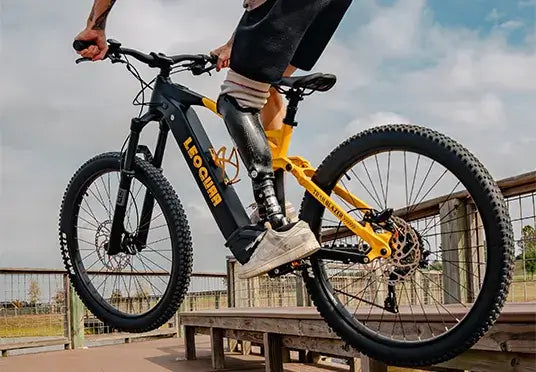
Leoguar's Trailblazer Mid-Drive eMTB is built around this more natural riding goal, using a MotiNova mid-drive motor for high torque and a connected trail feel. It is best for serious off-road riders, not someone who only wants a low-cost path or grocery bike.
PAS Levels Explained
PAS levels control how much help the motor gives while you pedal. The names vary by brand, but the logic is usually similar.
PAS 0: Motor Off
PAS 0 lets you ride without motor help. Use it when you want exercise, need to save battery, or are walking the bike through crowded areas.
The downside is weight. Most eBikes are heavier than standard bicycles, so riding with the motor off can feel harder, especially on hills.
PAS 1: Light Assist
PAS 1 is good for flat paths, crowded bike lanes, shared-use trails, and range-conscious commuting. It takes the edge off the bike's weight without making the ride feel too fast.
For a new rider, this is the safest place to start. It gives you time to understand how the bike responds before you add more power.
PAS 2-3: Everyday Assist
Mid-level PAS is where many riders spend most of their time. It is strong enough for steady commuting, moderate hills, and headwinds, but it does not drain the battery as quickly as maximum assist.
For an ebike for commuting, PAS 2 or 3 often gives the best balance between speed, comfort, and range. If your route includes stop signs, traffic lights, and mixed road conditions, mid assist usually feels controlled without being sluggish.
PAS 4-5: High Assist
High PAS levels are useful for steep hills, heavy cargo, hot days, strong headwinds, and moments when you want to reduce effort. On some Class 3 eBikes, high assist helps you reach higher assisted speeds where local rules allow it.
The tradeoff is battery life and control. High assist can make starts feel jumpy if you are not ready, and it can shorten range fast. Beginners should avoid launching from a stop in the highest level until they understand the bike.
Pedal Assist vs Throttle
Pedal assist and throttle are not the same.
With pedal assist, the motor helps when you pedal. With a throttle, you press a thumb lever or twist grip and the motor can move the bike even if you are not pedaling.
This matters for riding feel, battery use, and eBike class rules. PeopleForBikes explains the common U.S. three-class eBike system, where Class 1 is pedal-assist only, Class 2 includes throttle assistance up to 20 mph, and Class 3 provides pedal assist up to 28 mph under the standard class framework.
A throttle can be helpful when starting from a stop, crossing an intersection, or getting moving with cargo. It can also use more battery if you rely on it often. PAS is better for steady efficiency because your legs are still part of the power source.
If class rules affect where you ride, read more about Class 2 vs Class 3 eBike differences before choosing a model.
How PAS Affects Range
Higher PAS levels usually reduce range because the motor draws more current from the battery. Lower PAS levels usually extend range because more of the work comes from your legs.
Range also depends on rider weight, tire pressure, terrain, wind, temperature, cargo, stop-and-go riding, and speed. A flat bike path at PAS 1 can use far less battery than a hilly commute at PAS 5.
This is why published range numbers need context. A large battery gives you more room, but riding style still matters.
Leoguar's Trailblazer uses a 720Wh battery and is rated for up to 100 miles of range, the highest capacity battery in Leoguar's lineup. That makes sense for long trail rides and riders who do not want to plan every mile around battery anxiety. It is not the cheapest option, though, and it is more bike than a rider needs for short urban errands.
For commuters, the Sprint Fat Tire Utility eBike offers up to 55 miles of range, a 350W motor, and a 3-in-1 rear mount for cargo, a child seat, or gear bags. At $1,050, it is Leoguar's most affordable entry point, but riders who need a compact apartment or train-friendly bike may prefer the folding Flippo instead.
Starting From Stop Signs and Traffic Lights
PAS can make starts easier, but it can also surprise beginners.
At a stop sign, shift into an easier gear if your bike has gears, set PAS to a low or mid level, place one pedal slightly forward and up, then start with a smooth pedal stroke. The goal is controlled movement, not a hard launch.
Avoid starting in the highest PAS level until you are comfortable. On some bikes, a strong cadence sensor or high-power setting can kick in once the cranks begin turning. That can feel sudden if you are making a tight turn, crossing a narrow gap, or riding near pedestrians.
A step through ebike can help here because the low frame makes mounting, dismounting, and stop-and-go riding less awkward. Leoguar's Fastron ST Fat Tire eBike and Zephyr ST Beach Cruiser eBike both use step-through frames, which can suit seniors, casual riders, and anyone who prefers easier low-step access. Riders who want a stiffer traditional frame style may prefer step-over versions.
Choosing PAS Modes for Commuting
For commuting, start with control and battery planning.
Use PAS 1 or 2 on flat protected bike lanes, campus paths, and crowded areas. Move to PAS 3 when traffic flow is faster, the route has rolling hills, or you want to arrive without heavy sweating. Save PAS 4 or 5 for steep climbs, headwinds, and heavy cargo.
A commuter ebike should also fit your storage and route. If your commute includes stairs, buses, trains, or a small apartment, the Flippo Folding eBike is built around portability with an ultra-lightweight folding design and quick-fold mechanism. If your ride includes cargo and mixed pavement, the Sprint gives more utility value with fat tires and a rear mount system.
For more options, compare Leoguar's commuter electric bikes by frame style, storage needs, route length, and cargo plans.
Who should not buy a commuter-focused model? Riders who mainly want aggressive off-road performance should look at an eMTB. Riders who only cruise boardwalks or flat neighborhood paths may not need the cargo capacity or higher-speed focus of a utility commuter.
Choosing PAS Modes for Trails
Trail riding rewards smooth power. Use lower PAS on loose surfaces, tight corners, and technical sections where traction matters. Use mid assist for steady climbs. Use higher assist only when the trail is open, traction is good, and you have room to react.
A mid-drive motor can feel especially good off-road because it works through the bike's drivetrain and responds more naturally to pedaling. That is one reason serious riders often prefer mid-drive eMTBs for climbing and technical control.
Leoguar's Trailblazer Mid-Drive eMTB fits this use case. It has a MotiNova mid-drive motor, a 720Wh battery, full-suspension or hardtail geometry options, and a 1st place result at the 2025 E-Dirty Cross eMTB race. It is the strongest Leoguar choice for riders who want real trail performance.
Who should not buy it? A rider who only needs short pavement errands, beach cruising, or a budget-first commuter may be paying for trail ability they will rarely use.
Choosing PAS Modes for Cruiser Riding
Cruiser eBikes are about comfort, relaxed posture, and easy pacing. PAS 1 or 2 is often enough on flat waterfront paths, neighborhoods, and casual city rides. PAS 3 helps with bridges, mild hills, or windy days.
High PAS can be fun, but it may work against the relaxed feel of a cruiser. If you ride with friends, share paths with walkers, or prefer an upright easy rhythm, lower PAS usually feels better.
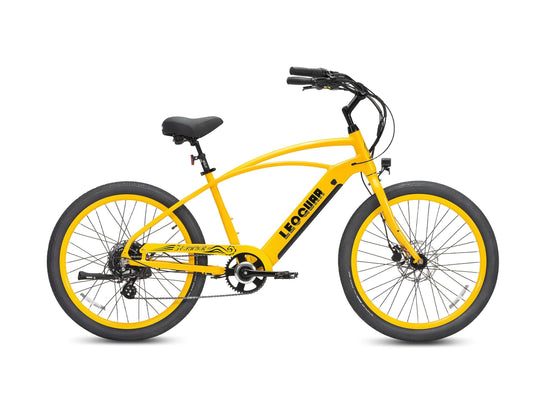
The Zephyr SO and Zephyr ST Beach Cruiser eBikes are made for this kind of ride, with classic cruiser styling, wide cushioned saddles, and comfortable upright positioning. The Zephyr ST adds a step-through frame for easier mounting, which can be a smart fit for women riders, seniors, and style-conscious casual riders.
If comfort and access are top priorities, Leoguar's guide to the best electric bikes for seniors can help compare frame types and riding positions.
Safety, Certification, and Why It Matters
Pedal assist is powered by an electrical system, so safety should be part of the buying decision. UL 2849 covers testing for eBike electrical systems, including the interaction of battery, charger, motor, and controller.
Certification status can vary by exact model. Check the product page or current compliance documentation before making a UL claim. Electrical safety is less flashy than battery capacity, motor watts, and price, but it matters when you charge the bike at home, store it in a garage, or ride daily.
Leoguar also has an in-house aluminum alloy frame factory and proprietary electronic control system R&D. In plain terms, the company controls more of the manufacturing and ride tuning than brands that depend heavily on middlemen. That can matter for consistency, warranty handling, and factory-direct pricing.
Leoguar's current pricing runs from the $1,050 Sprint to the $2,899 Trailblazer, with U.S. warehouse direct fulfillment from Sugar Land, Texas. The brand also offers a 2-year warranty and 14-day return policy.
How to Pick the Right Pedal Assist Bike
Start with your main ride, not the spec sheet.
If you commute daily, choose a bike that fits your route, storage, cargo, and speed needs. The Sprint is a strong value choice for utility and mixed terrain. The Flippo makes more sense when folding storage and transit connections matter.
If you ride trails, prioritize motor feel, battery capacity, suspension, and control. The Trailblazer is the right Leoguar model for serious off-road riders and eMTB enthusiasts.
If you want casual comfort, look at cruiser geometry and step-through access. The Zephyr ST is easier to mount than a step-over cruiser, while the Zephyr SO keeps a classic step-over frame.
If you want all-terrain grip with easier access, the Fastron ST gives you fat tires, a front suspension fork, and a step-through frame. If you prefer a step-over frame with similar all-terrain capability, the Fastron SO is the better match.
The right pedal assist bike should feel predictable at low speed, strong enough on hills, comfortable for your body, and realistic for your storage situation. A high-powered bike that feels awkward in your daily routine is the wrong choice, even if the spec sheet looks impressive.
You can compare the full lineup of Leoguar electric bikes by ride style, frame type, and range.
FAQ
What is a pedal assist bike?
A pedal assist bike is an electric bike that adds motor support while you pedal. You choose the assist level, and the bike increases or reduces help based on its sensor and controller.
Is pedal assist better than a throttle?
Pedal assist is usually better for range, exercise, and natural riding feel. A throttle is useful for quick starts or low-effort movement, but it can drain the battery faster if used often.
Which PAS level should beginners use first?
Beginners should start in PAS 1 on flat, open ground. Move up one level at a time once the bike feels predictable.
Does pedal assist work when I stop pedaling?
No, pedal assist is designed to help while you pedal. Some systems may have a slight delay before the motor cuts off, which is why beginners should practice starts and stops.
Are Leoguar eBikes UL certified?
Check by exact model before publishing a UL claim. UL 2849 is a recognized eBike electrical system safety standard covering key components such as the battery, charger, motor, and controller, but certification should not be assumed across the whole lineup.
Final Thoughts
Pedal assist makes an eBike easier to ride by matching motor support to your pedaling, route, and selected PAS level. Start low, learn how your bike responds, then use higher assist only when the route, traffic, and battery plan call for it.
For a safer, better-matched first eBike, compare Leoguar Bikes by commute length, frame style, terrain, and comfort needs.


Leave a comment