






Electric Bike Weight Limit Explained: A Complete Guide for Riders
Why Electric Bike Weight Limits Matter More Than You Think
When you buy an electric bike, you probably think about range and speed first. But the electric bike weight limit is just as important for your safety. What does this number really mean? It's how much total weight the ebike can safely carry. This includes you, your stuff, and any gear you bring along. Understanding this limit protects your ebike, your warranty, and most importantly, keeps you safe on every ride.

What Electric Bike Weight Capacity Really Means
Many people think the weight limit only refers to how much the rider can weigh. This is wrong and can be dangerous. The electric bike capacity is actually the total maximum load the bike can handle safely. This includes everything you put on the bike. Ignoring this fact can cause serious problems later.
How to Calculate Your Total Weight Load
You need to add up everything that goes on your electric bike. Here's a simple way to figure it out: Your weight + Your cargo + Your gear.

Your body weight comes first. Be honest about this number because your safety depends on it. Next, think about what you'll carry regularly. A week of groceries can weigh 20-30 pounds. A child in a bike seat adds even more weight. Even small items add up quickly.
Don't forget about your e-bike gear and accessories. Your helmet, bike lock, water bottles, and bags might seem light individually. But together, they can easily add 10-20 pounds or more to your total load. The ebike's own weight doesn't count toward the limit since it's already built into the design.
Understanding Different Weight Terms
Manufacturers use different terms that can confuse buyers. Some list "maximum rider weight" while others show "total payload capacity." The payload capacity is what you really need to know. This number represents the total weight the ebike can safely carry, including you, your cargo, and all your accessories. A bike might say it has a 275-pound rider limit but a 330-pound total payload. This means it can carry an extra 55 pounds of gear beyond the rider.
The Real Consequences of Exceeding Weight Limits
The manufacturer's weight limit isn't just a suggestion. It's based on serious engineering and safety testing. Going over this limit creates real dangers for your safety, your ebike's life, and your money.
Three Major Risks You Can't Ignore
Overloading your electric bike creates problems we see in repair shops all the time. These issues are almost always preventable if you follow the weight limits.
Safety comes first and is the most critical concern. An overloaded ebike becomes unstable and hard to control, especially when turning corners or going fast. Your electric bike brakes need much more distance to stop because they weren't designed for the extra weight. Worst of all, parts can break suddenly while you're riding. We're talking about cracked frames, broken wheels, or bent forks that can cause serious crashes and injuries.

Your ebike's parts will wear out much faster when you consistently exceed the weight limit. The electric bicycle frame, wheels, and motor all experience constant stress they weren't designed to handle. This means expensive repairs will come much sooner than they should. Many riders don't realize their daily cargo load is slowly destroying their ebike's components.
Your warranty becomes worthless if the manufacturer finds that overloading caused a component to fail. A cracked frame on an overloaded bike won't be covered under warranty. This turns what should be a free repair into a bill for hundreds or thousands of dollars.
Understanding Overload Risk Levels
Here's how different levels of overloading affect your ebike and safety:
| Overload Level | Performance Impact | Component Risk | Safety Concern |
|---|---|---|---|
| Slight (5-10%) | Reduced range, slower acceleration | Increased tire and brake pad wear | Moderate |
| Moderate (10-25%) | Noticeably poor handling, longer braking | Risk of broken spokes, premature motor strain | High |
| Severe (25%+) | Unpredictable handling, severe braking issues | High risk of frame/wheel failure | Critical - Do Not Ride |
Weight Limits for Different Types of Electric Bikes
Different electric bikes are built for different jobs. This affects how much weight they can safely carry. Understanding these categories helps you find the right ebike for your needs. These are general ranges, so always check the specific electric bike capacity for any model you're considering:
| E-Bike Type | Typical Payload Capacity (lbs) | Typical Payload Capacity (kg) | Best For |
|---|---|---|---|
| Folding / Lightweight | 220 - 275 lbs | 100 - 125 kg | Portability, multi-modal commutes, riders with limited storage |
| Commuter / Hybrid | 250 - 330 lbs | 113 - 150 kg | Daily errands, riding to work, general recreational use |
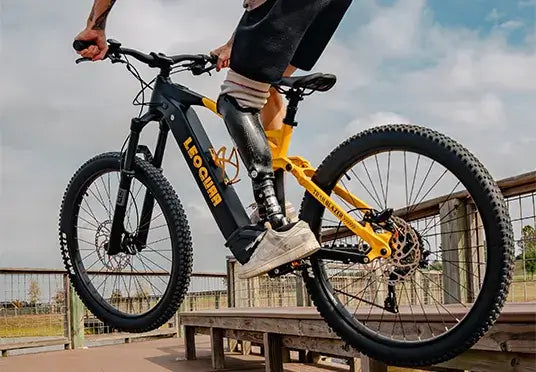
| Electric Mountain (eMTB) | 275 - 350 lbs | 125 - 158 kg | Off-road trails, rugged terrain, and riders needing a very robust frame |
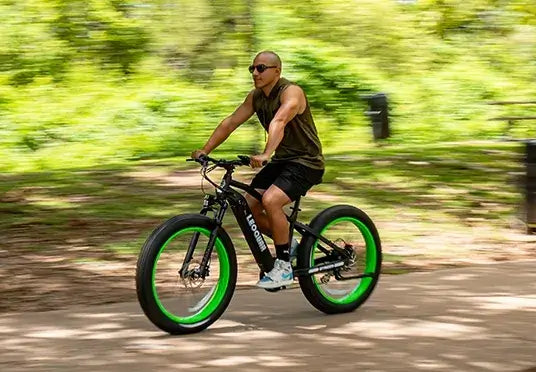
| Fat Tire | 300 - 450 lbs | 136 - 204 kg | Heavier riders, all-terrain stability, riding on sand or snow |
| Cargo / Heavy-Duty | 350 - 550+ lbs | 158 - 250+ kg | Hauling heavy loads, carrying children, or commercial delivery |
How Weight Changes Your Riding Experience
The total weight on your electric bike affects how it performs every day. A heavily loaded bike feels and acts very different from a lightly loaded one.
Your Battery Won't Last as Long
This is usually the first thing riders notice when they carry more weight. The motor has to work harder to move more mass, especially when starting from a stop or going uphill. This uses more bike battery power and reduces how far you can ride on a single charge. Expect about 10-20% less range when you're carrying a heavy load compared to the manufacturer's estimates.
Your Motor and Battery Work Harder
More weight means your motor has to use more energy to move you forward. On flat roads, this might just create a little extra heat. But on long hills, a heavily loaded motor can overheat and shut down to protect itself. Over time, this extra strain can make your motor fail sooner than it should. Your battery also has to work harder, which can reduce its total lifespan.
Stopping Takes Longer and Wears Out Brakes Faster
Physics is simple: more weight means more momentum, and more momentum takes longer to stop. A bike carrying 350 pounds needs much more distance to stop than one carrying 200 pounds. Even the best brakes have limits. You'll need to start braking earlier and more gradually when carrying heavy loads. This also means your brake pads will wear out faster and need replacement more often.

Everything Wears Out Faster
Heavy loads don't just affect the major components. All the smaller parts wear out faster too. Your tires will need replacement sooner and are more likely to get flat tires. Your chain, gears, and other moving parts experience more stress and stretch or wear out quicker. If your bike has suspension, it has to work harder and will need service more often.
How to Choose the Right Electric Bike for Your Weight
Now you know why electric bike weight limits matter. Here's how to pick the right bike for your specific needs and weight requirements.
Always Find the Payload Capacity First
This is the most important rule. Before you get excited about a bike's color or features, look at the technical specifications. Find the "Maximum Payload Capacity," "Total Load," or similar term. Don't rely on just the "Rider Weight Limit" because that's not the complete picture. If you can't find this information easily, contact the manufacturer directly. Any good company will have this information ready to share.

Look for Strong Construction
A high electric bike capacity requires strong parts throughout the ebike. Here's what to look for when shopping. The frame should be made from high-quality aluminum or steel with clean, consistent welds. Look for small reinforcements called gussets where tubes meet, especially around the head tube and bottom bracket.
The wheels are critical because they support all the weight. Double-walled rims are much stronger than single-walled ones. More spokes (32 or 36) and thicker spokes provide better support for heavy loads. For brakes, hydraulic disc brakes are essential for heavier riders or cargo loads. They provide much more stopping power than other brake types. Larger brake rotors (180mm or 203mm) offer even better performance.
Motor Torque Matters More Than Wattage
Many people focus on electric bike motor wattage, but torque is more important for heavy loads. Torque, measured in Newton-meters (Nm), is the twisting force that gets you moving and helps you climb hills. A motor with high torque (70 Nm or more) will feel much stronger and more responsive when carrying weight than a high-wattage motor with low torque.

Leave Room for Safety
We always tell customers to choose an ebike with extra capacity beyond what they think they need. Don't buy an electric bike with a 300-pound limit if your calculated load is 295 pounds. Aim for at least 15-20% extra capacity. This gives you room for those times when you carry something unexpected, and it keeps you away from the bike's absolute limits, which will make it last much longer.
Frequently Asked Questions
What's the difference between rider weight limit and total weight capacity?
The rider weight limit only refers to how much the person on the ebike can weigh. Total weight capacity or payload capacity includes everything: the rider, cargo, accessories, and gear. Always use the total payload capacity when calculating if a bike is right for you, as this gives you the complete safety picture.
What happens if I go over the weight limit on my electric bike?
Exceeding the weight limit creates immediate safety risks like poor handling and longer stopping distances. You'll also notice reduced battery range and performance. Long-term consequences include faster wear on all components, potential catastrophic failure of the frame or wheels, and voided warranty coverage for any related damage.
How much weight capacity should I look for if I'm a heavier rider?
If you weigh over 250 pounds or plan to carry significant cargo regularly, look for electric bikes with at least 330 pounds of total payload capacity. Fat tire ebikes and cargo bikes often offer 350-500+ pounds of capacity and are specifically designed with stronger frames and components to handle heavier loads safely. If you're shopping at the 400 pound mark specifically, see what to look for in a cruiser bike for 400 lb riders.
Does carrying more weight significantly reduce my electric bike's range?
Yes, weight has a major impact on battery range. The motor uses more energy to move heavier loads, especially when accelerating or climbing hills. You can typically expect 10-20% less range when riding near the bike's maximum capacity compared to riding with minimal load.
Can I upgrade my electric bike to handle more weight?
While you can upgrade some components like wheels or brakes, the frame's weight capacity is fixed and cannot be increased. If you need more capacity than your current bike offers, you'll need to purchase a different electric bike that's designed for higher payload limits from the start.


Leave a comment