

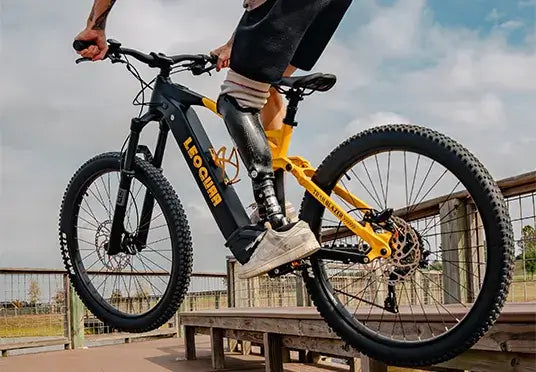


Fat Tire Electric Bikes Explained: What Makes Wide Tires Different?
Electric bikes with huge tires are everywhere now. They look powerful on city streets, park paths, and rough trails. These are fat tire electric bikes. They're getting popular fast. But what are they exactly? A fat tire electric bike is an e-bike with big tires that are usually 4 inches wide or more. This one big difference from regular e-bikes isn't just about looks-it changes how the bike rides completely. The ride focuses on comfort, stability, and going anywhere. This guide will show you what that experience is like.
Anatomy of a Fat Tire
We need to look at the tires first. It's not just about being wide-it's about special sizes and how they're built that makes them unique.
Defining the "Fat"
The most obvious thing is how wide they are. Fat tires are usually 4.0 to 5.0 inches wide. Regular e-bike or mountain bike tires are often 1.95 to 3.0 inches wide. This extra width works with very low tire pressure. Road bikes might need 80-120 PSI, but fat tires work best at 5-15 PSI for soft ground like snow or sand, and up to 30 PSI for hard pavement. This low pressure lets the tire bend and touch more ground.

Construction and Tread
A fat tire isn't just a bigger version of a regular tire. The tire is built to bend and work well at low pressures, so it absorbs bumps without feeling slow. Also, there are many different tread patterns available. You can find smooth treads for streets that roll easily, or rough, bumpy patterns made to grip loose dirt and mud. This variety in tread design means a fat tire e-bike can work in almost any place, which is why cycling experts call them multi-purpose machines.
Key Advantages
The way fat tires are built gives real benefits. Riders pick them for comfort, stability, and freedom to ride anywhere that other bikes can't match.
The "Magic Carpet" Ride
The biggest benefit is amazing comfort. The large amount of air in the wide tire, plus low pressure, works like natural suspension. It soaks up rough spots in the road, turning sharp, jarring hits into soft thuds. When you roll over cracked pavement or a trail covered with roots that would normally shake your arms and back, you'll be amazed at how fat tires just absorb the shock. This "magic carpet" effect cuts down on rider tiredness and makes longer trips much nicer, especially on rough surfaces.
Unmatched Stability
That wide contact area does more than absorb bumps-it makes an incredibly stable platform. The bike feels planted and secure, giving confidence that narrow tires can't. This changes everything for many riders. It gives security that makes cycling easier and more fun for everyone. This better stability helps:
- New e-bike riders who might feel unsteady.
- Riders going through uneven city streets with potholes and train tracks.
- Heavier people looking for a stronger, more solid feel.
- Anyone carrying cargo that could affect balance.
All-Terrain Dominance
This is where fat tire electric bikes really earn their reputation. The wide footprint and low pressure create something called "flotation." Like a snowshoe spreads your weight to keep you from sinking into deep snow, an e bike fat tire spreads the bike and rider's weight over a bigger area. This lets the bike ride on top of soft, loose surfaces instead of digging in and getting stuck. This is the main reason behind their all-terrain ability and opens up many riding possibilities.
Fat tires work great on these surfaces:
- Sand: Ride along a beach without the front wheel burying itself right away.
- Snow: Ride all year and unlock winter trail adventures.
- Mud: Power through wet, muddy trails with better grip and confidence.
- Gravel: Glide over loose gravel roads with more stability and less sliding in corners.
The Reality Check
While the good points are strong, big tire electric bikes do have trade-offs. Being honest about the bad points builds trust with readers. Understanding these factors helps you decide if this type of bike fits your needs and prevents regret later.

Downsides of a Wider Footprint
The same physics that give comfort and stability also bring some problems. The main bad points include:
- More Rolling Resistance: More rubber on the ground means more friction. It takes more energy from your legs or the motor to keep the bike moving, especially on smooth pavement.
- Less Battery Range: Because of higher ebike tire rolling resistance and heavier parts, the motor works harder to keep speed. This can cut battery range noticeably, often 10-25% less compared to a similar e-bike with regular tires in the same conditions.
- Heavier Weight: The tires and wheels are much heavier than regular ones. This makes the whole bike heavier and harder to lift onto a car rack, carry up stairs, or pedal without electric help.
- Slower Handling: The spinning effect of heavy wheels and wide contact area can make steering feel less quick. While very stable in a straight line, quick, sharp turns need more effort, and handling can feel "heavy" or less responsive than a bike with narrow tires.
Here's a direct comparison:
| Feature | Fat Tire E-Bikes | Standard Tire E-Bikes |
|---|---|---|
| Best Terrain | Sand, Snow, Mud, Rough Trails | Pavement, Hard-Packed Dirt |
| Comfort Level | Very High (Natural Suspension) | Moderate to High (Depends on Frame/Fork) |
| Stability | Very High | Moderate |
| Battery Efficiency | Lower | Higher |
| Agility | Lower (Slower Steering) | Higher (Quick, Nimble Steering) |
Is It Right for You?
Now for the most important question: is a big tire electric bicycle right for you? The answer depends on your riding style, usual terrain, and main goals. Let's look at some common rider types.
The All-Weather Commuter
This rider goes to work daily, rain or shine, through typical city roads with pavement, potholes, and maybe a gravel path shortcut. Their goals are reliability, comfort, and safety in all conditions.
For this type, a fat tire e-bike is a clear YES. The stability gives confidence on wet roads, the built-in suspension smooths out rough city roads, and being able to handle unexpected snow makes it a true year-round vehicle. The trade-off in efficiency is worth it for the gains in safety and comfort.
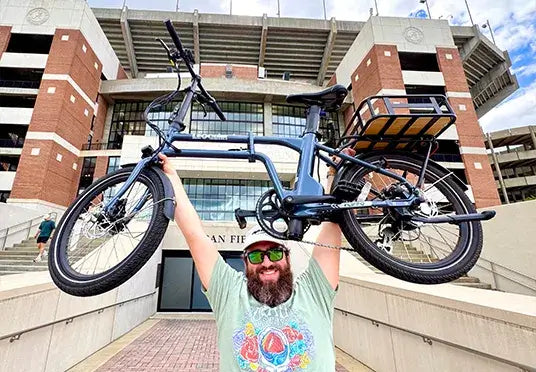
The Leoguar Sprint is a good example of an electric bike with fat tires for this type of riding. Its 20" x 3.0" fat tires provide a stable feel on city streets and can also handle potholes, gravel, and uneven paths. For riders who want one fat tire electric bike for both daily commuting and weekend rides, this setup gives you more freedom to ride beyond smooth pavement.
The Weekend Adventurer
This rider lives for weekends. They want a bike that can take them from their front door to a state park trail, a sandy beach path, or down forgotten fire roads. Their goal is pure versatility and fun.
For this type, a fat tire e-bike is an excellent choice. It's one bike that removes limits. You don't have to wonder, "Can my bike handle that?" Being able to explore off the beaten path without needing a special mountain bike is its greatest strength. It's the Swiss Army knife of e-bikes for recreational explorers.
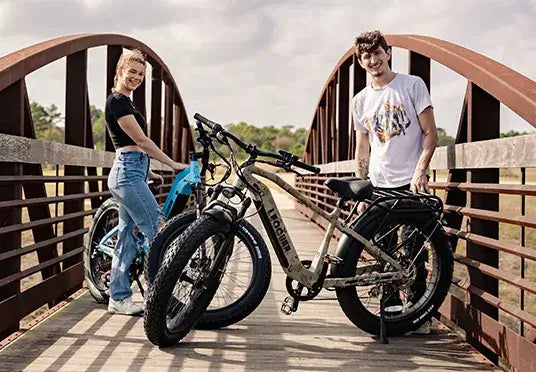
For example, a Leoguar Fastron fat tire electric bike with 26" x 4.0" tires, a 750W rear hub motor, and front suspension is built for this kind of weekend riding. The wide tires help you stay steady on loose ground, while the motor provides extra power for hills and longer rides. The suspension fork also helps smooth out bumps on rough trails.
For riders who want one electric fat tire bike for both paved roads and off-road trips, this setup gives you more options without limiting where you can ride.
The Efficiency-Focused Rider
This rider mainly sticks to paved roads and bike paths. Their goals are getting the most speed and battery range for long rides or fast commutes. They may also live in an apartment where they need to carry the bike upstairs.
For this type, a fat tire e-bike is maybe not the best fit. The built-in trade-offs of weight and rolling resistance work against their main goals. A regular commuter or road-style e-bike with narrower, higher-pressure tires would give a faster, more efficient, and lighter experience better suited to their needs.
More Than a Trend
Fat tire electric bikes are much more than a passing trend. They represent a distinct type of e-bike carefully designed to solve specific problems for riders. They focus on ultimate comfort, steady stability, and freedom to ride almost anywhere, in any season. This versatility costs some efficiency and quickness, a trade-off that's worth it for the right person. By understanding both the strong advantages and realistic limits, you can confidently decide if the go-anywhere, ride-everything ability of a fat tire electric bike is the perfect match for your next adventure.
FAQ
Q: How much do fat tire electric bikes typically weigh?
A: Fat tire electric bikes usually weigh between 60-80 pounds. This is heavier than standard e-bikes because of the larger tires, wheels, and often more robust frames needed to support the wider tires.
Q: Can I use a fat tire electric bike for daily commuting?
A: Yes, fat tire electric bikes work great for daily commuting, especially if your route includes rough roads, bike paths, or you want extra stability and comfort. Just keep in mind they may use more battery power than standard e-bikes.
Q: What's the best tire pressure for fat tires on pavement?
A: For pavement riding, fat tires work best at 20-30 PSI. This gives a good balance of comfort and efficiency. Lower pressure (5-15 PSI) is better for soft surfaces like sand or snow.
Q: Are fat tire electric bikes harder to store than regular e-bikes?
A: Fat tire electric bikes take up slightly more space due to their wider tires, but the difference isn't huge. The main storage challenge is their heavier weight, which can make them harder to hang on wall mounts or carry upstairs.
Q: How much does tire replacement cost for fat tire electric bikes?
A: Fat tire replacements typically cost $50-150 per tire, which is more expensive than standard e-bike tires. However, the larger air volume often means they last longer and are more resistant to punctures from small debris.


Leave a comment