




Electric Mountain Bike Frame: Is Full Suspension Worth It?
The Two Core Choices
When choosing an electric mountain bike, the frame is your most important decision. It affects both the price and how your bike will ride. The choice between a hardtail and a full suspension electric mountain bike frame is a key decision that will shape your entire riding experience. This guide will help you pick the right frame based on your riding style, the trails you ride, and your budget, so your investment pays off on every ride.
To make a smart choice, you need to understand the basic difference between these two types of electric mountain bike frames. They work differently and give you very different riding experiences.
What is a Hardtail?
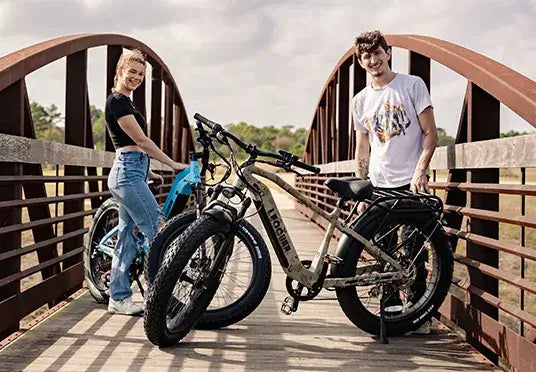
A hardtail electric mountain bike frame has front suspension but no rear suspension. The back part of the frame is rigid, which makes the bike simpler, lighter, and cheaper than full suspension bikes. You'll see these frames on entry-level e-MTBs or bikes made for easier trails like gravel paths and smooth singletrack. When you pedal, all your power goes straight to the wheel because there's no rear suspension to absorb energy.

What is a Full Suspension?
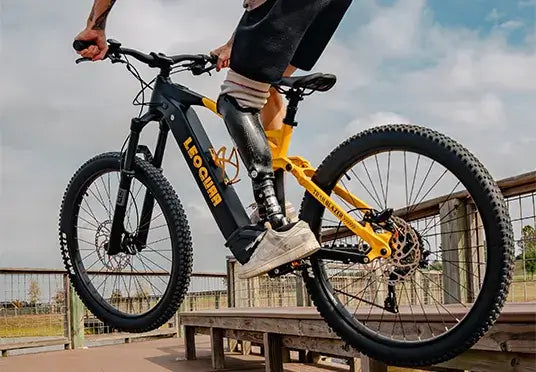
A full suspension electric mountain bike frame has both front and rear suspension. The front fork and rear shock work together to absorb bumps from the trail. This complex system lets both wheels move up and down independently to soak up impacts. The main goals are to keep your tires on the ground for better traction and to make riding over rough, technical terrain more comfortable and controlled.
| Feature | Hardtail E-MTB Frame | Full Suspension E-MTB Frame |
|---|---|---|
| Suspension | Front fork only | Front fork and rear shock |
| Complexity | Simple, fewer moving parts | Complex, with pivots and linkages |
| Typical Cost | Lower | Higher |
| Best Use | Smoother trails, gravel, XC | Technical trails, all-mountain, enduro |
Head-to-Head Comparison
Let's compare how these two frame types perform in the areas that matter most: performance, comfort, and ownership costs.
Traction and Control
This is where the full suspension electric mountain bike frame really shines. The rear shock lets the back wheel follow the ground's bumps and dips, keeping the tire in contact with the trail even over roots, rocks, and loose dirt. This gives you much better traction.
This matters even more on an e-MTB because the motor delivers instant power. On a hardtail, this sudden torque can make the rear wheel spin out when climbing technical, bumpy sections. A full suspension frame prevents this by absorbing the bumps and keeping the tire pressed into the dirt, turning the motor's power into forward motion. When you're cornering or braking on rough ground, this same benefit gives you a much more stable and confident ride. Rigorous independent testing shows that full suspension systems provide control on technical terrain that hardtails simply can't match.
Comfort and Fatigue
The comfort difference is huge. On a hardtail, every small bump gets sent directly through the frame to your body. After riding for an hour on a rocky trail, your lower back and legs will be tired and sore.
A full suspension electric mountain bike frame feels like you're floating over roots and rocks. The rear suspension soaks up the harsh impacts, protecting your body from constant jarring. This lets you stay seated and pedal smoothly through sections where hardtail riders have to stand up. You'll save energy, ride farther, and feel much fresher at the end of your ride.
Efficiency and Weight
Hardtails usually win here. Their simpler design means fewer parts and less weight. The rigid rear end also means 100% of your pedaling power goes to moving the bike forward, with no energy lost to suspension movement.
However, the electric motor changes this completely. The powerful help from the motor makes up for any efficiency loss from the full suspension frame. The slight energy loss and extra weight are easily handled by the motor's output. On an e-bike, the benefits of traction and comfort almost always beat the small loss in pedaling efficiency.
Cost and Maintenance
This is where hardtails have their biggest advantage. A full suspension electric mountain bike will typically cost $500 to $1,500 more than a similar hardtail. The price difference covers the rear shock, complex frame design, and extra parts like bearings and linkages.
The complexity also means more maintenance work. Owning a full suspension frame involves regularly checking pivot bearings for wear, servicing the rear shock, and more complex cleaning around all the extra parts.
The E-Bike Amplification Effect
The electric motor makes the benefits of full suspension even more important than on regular bikes.
Added Weight and Power
An electric mountain bike weighs 15-25 lbs more than a regular mountain bike. This extra weight, mostly from the motor and battery, puts much higher demands on the suspension system. The increased weight requires stronger damping to control, while the heavier wheels make it harder for the suspension to react quickly to bumps.
The motor also lets riders go faster, especially uphill and on flat sections. Higher speeds mean you hit obstacles with more force and more often. A full suspension frame handles these stronger impacts better, protecting both you and your bike.
Descending with Confidence
The extra weight of an e-MTB creates more momentum when going downhill. It wants to keep going and takes more effort to slow down or change direction. This is where a full suspension frame becomes critical for safety and performance. By keeping the rear tire stuck to the trail, it gives you better braking traction so you can control your speed more effectively. When you need to quickly change your line through a rock garden, the flexible rear end helps the bike stay balanced, while a hardtail is more likely to get bounced off course.
Climbing Technical Terrain
This might be the best thing about e-MTBs, and it's where full suspension really stands out. On a regular bike, climbing a steep, rooty hill requires explosive power, perfect line choice, and constantly shifting your weight. On a full suspension e-MTB, you can often stay seated, letting the motor provide steady power while the rear suspension absorbs the obstacles. This "uphill flow" lets you conquer climbs that would be impossible for most riders on a hardtail or regular bike, turning a brutal section of trail into a fun challenge.
A Rider-Centric Framework
Which electric mountain bike frame is right for you? The answer depends on your specific needs. Use this guide to make your decision.
Choose a Hardtail Frame If...
Your budget is tight and you want to get the most bike for your money. You can get a well-equipped hardtail e-MTB for the same price as a basic full suspension model. You ride mostly on smoother surfaces like bike paths, gravel roads, and easy singletrack trails. You value simplicity and want minimal maintenance headaches. You enjoy feeling connected to the trail and don't mind a more physically demanding ride.
Choose a Full Suspension Frame If...
You plan to ride real mountain bike trails with rocks, roots, drops, and technical features. You want maximum comfort and to reduce fatigue, especially if you have back problems or want to do long rides. You want the best possible traction and control for both climbing tough hills and descending with confidence. Your budget can handle the higher cost and you're prepared for the extra maintenance.
A Note on Modern Categories
The lines between hardtail and full suspension ebikes are getting blurrier. A new type of lightweight "down-country" or "trail" e-MTBs is appearing. These bikes have shorter-travel full suspension systems that aim to give you the benefits of full suspension while keeping weight and pedaling response closer to a hardtail. For riders who want more capability than a hardtail but don't need a heavy-duty enduro machine, these can be the perfect middle ground.

Final Verdict: An Investment
For riders who want to explore everything an electric mountain bike can do, the choice is clear. While a hardtail offers a cheaper entry point, a full suspension electric mountain bike frame isn't a luxury-it's a smart upgrade. The motor gets you up the hill, but the suspension lets you do it with better efficiency, control, and comfort.
Think of the extra cost as an investment in what you can do with your bike. It opens up more challenging trails, lets you ride longer, and gives you a safer, more confident experience. For real mountain biking, the full suspension frame unlocks the full potential of what e-MTBs can offer.
Frequently Asked Questions
Q: How much more does a full suspension electric mountain bike frame cost compared to a hardtail?
A: A full suspension electric mountain bike typically costs $500 to $1,500 more than a comparable hardtail. The price difference covers the rear shock, complex frame manufacturing, and additional components like pivot bearings and linkages.
Q: Do I really need full suspension if I'm just starting out with electric mountain biking?
A: It depends on where you plan to ride. If you're sticking to smooth trails, bike paths, and gravel roads, a hardtail will work fine and save you money. But if you want to explore technical mountain bike trails with rocks, roots, and rough terrain, full suspension will make your rides much more enjoyable and give you better control.
Q: Does the extra weight of a full suspension frame matter on an electric mountain bike?
A: Not as much as you might think. The electric motor easily compensates for the extra weight of the full suspension system. The benefits of better traction, comfort, and control usually outweigh the small weight penalty, especially since e-bikes are already heavier than regular bikes.
Q: How much more maintenance does a full suspension electric mountain bike frame require?
A: Full suspension frames need more regular maintenance than hardtails. You'll need to check pivot bearings for wear, service the rear shock periodically, and spend more time cleaning around the extra components. However, most of this maintenance can be done at home with basic tools, and major services are only needed once or twice a year.
Q: Can a hardtail electric mountain bike handle technical trails?
A: A hardtail can handle some technical terrain, but it will be more challenging and less comfortable. You'll feel every bump directly, which can be tiring on longer rides. While skilled riders can take hardtails on technical trails, a full suspension frame will give you more confidence, better traction, and a more enjoyable experience on rough terrain.


Leave a comment