







Why Is My Ebike Squeaking? Quick Fixes & Tips
An ebike squeak is more than just noise. These annoying sounds almost always come from a few key areas where metal, plastic, or rubber parts meet, move, or carry weight. Understanding these common problems is the first step toward a silent ride.
We will look at each possible source, from the most common problems to the less obvious ones, giving you the knowledge to find and fix the issue.
Brake System Issues
A high-pitched squeal or screech, especially when you pull the brake levers, is the classic sign of a brake system problem. This is one of the most common sources of ebike squeaking.
The noise happens when something gets in the way of smooth, clean contact between the brake pads and the rotor. The main cause is dirt and oil. Oil from your hands, spray lubricants, or road grime can get onto the rotor or pads, causing them to shake and squeal under pressure.

Another issue is glazed pads, where the pad surface becomes smooth and hard from heat, reducing friction and creating noise. Finally, a slightly bent rotor can cause a rhythmic sound as it taps the pads once per wheel turn. To fix this, start by cleaning your brake rotors well with rubbing alcohol and a clean cloth. If the noise continues, remove the brake pads.
You can lightly sand the surface of the pads to remove any glaze or dirt and then clean them with alcohol as well. If your brakes are new, they may simply need to be broken in. This involves a series of controlled, firm stops from a moderate speed to evenly transfer a layer of pad material to the rotor.
Chain and Drivetrain Problems
If you hear a rhythmic click or squeak that matches your pedaling speed and goes away when you coast, the problem is in your electric bike drivetrain. The extra power from an ebike motor puts a lot of stress on the chain, cassette, and chainrings, making proper care crucial.
The most common cause is simply a dry or dirty chain. Without enough oil, the metal links and rollers create friction and noise. To fix this, you must first clean the chain well with a degreaser and brushes to remove all old lube and dirt, then apply fresh chain oil, wiping away any extra.

Other possible issues include a stiff link in the chain, which will cause a tick every time it passes through the derailleur. You can find it by slowly backpedaling and watching the chain. A bent derailleur hanger can also cause noise by throwing off the alignment of your shifting. Finally, a worn-out chain or cassette will not mesh properly, leading to grinding sounds, especially under load.
A simple chain wear tool can tell you if it's time for a replacement.
Pedals, Crank, and Bottom Bracket
A deep, repeating creak or click that happens once per pedal rotation, often when you're pushing down hard on the pedals, usually points to the crankset area. This includes the pedals, the crank arms, and the bottom bracket.
The huge forces an ebike motor adds to your pedaling make this area a hot spot for noise.
The simplest problem is a loose pedal. Over time, the threads can work themselves slightly loose. The fix is to remove both pedals, clean the threads on the pedal and inside the crank arm well, apply a fresh layer of grease, and put them back on tightly.
If that doesn't work, check the crank arms themselves. The bolts that hold the crank arms to the bottom bracket spindle must be tightened to a specific amount. If they are loose, the arms can shift and creak under pressure. A torque wrench is the right tool for this job.
The bottom bracket is the final suspect. If its bearings are worn or the cups have loosened in the frame, it will creak. Fixing a bottom bracket often involves removing the cranks and using special tools to tighten or replace it, which may be a task best left to a professional mechanic if you are not comfortable with it.
Wheel and Hub Noise
When a noise is tied to the speed of the wheel, not your pedaling, you should check the wheels and hubs. These sounds are often rhythmic, like a tick or a rub that happens once per turn.
A very common cause is minor brake rotor rub, where a slightly untrue rotor makes contact with a brake pad at one point in its rotation. You can spot this by lifting the wheel and spinning it while looking through the ebike brake caliper.

Loose spokes can also cause a ticking noise as the wheel flexes under load. You can check for this by gently squeezing pairs of spokes; they should all feel similarly tight. The hub itself can also make noise. Worn or dry bearings inside the hub can create a grinding or rumbling sound as the wheel spins.
You can check for this by holding the top of the wheel and trying to wiggle it from side to side; any noticeable play could mean a bearing issue. Lastly, make sure your wheel's axle, whether it's a quick-release skewer or a thru-axle, is properly secured.
A loose wheel can shift in the frame and cause a variety of creaks and clunks.
E-bike Motor Noise
Not every motor sound means something is wrong. A soft, steady hum or light whine is usually normal, especially from a mid-drive motor when you speed up or climb a hill. This sound comes from the internal gears and electronics working under load.
A quick “clicking” sound can also happen on some throttle-equipped mid-drive ebikes. This is different from a constant motor noise. When the twist throttle starts the motor before the rider pedals, the chain is still loose. The motor kicks in quickly and pulls the chain tight in an instant, which creates a short clicking sound. This is more about how the drivetrain reacts at startup, not a sign that the motor is broken.
Other sounds need more attention. A loud screech, rough grinding, or clicking that continues while you ride can point to a problem. On a hub motor, grinding can mean the internal nylon gears are worn or damaged. On both hub and mid-drive motors, a constant high-pitched whine can be a sign of worn bearings.
If you hear these abnormal sounds, stop riding the bike. Riding it further can cause more internal damage and lead to a higher repair cost. Do not try to open the motor case yourself. It usually requires special tools and can void your warranty. In this case, contact your ebike dealer or a qualified ebike mechanic for service.
Frame, Suspension, and Seatpost
Creaks and groans that appear when you shift your weight, stand up to pedal, or go over bumps are often traced to the chassis of the bike. This includes the frame, suspension pivots, headset, or seatpost.

The electric bike seatpost is a surprisingly common source of noise. Dirt and grit can work their way between the seatpost and the frame's seat tube, causing a creak whenever you shift your weight. The fix is simple: remove the seatpost, clean both the post and the inside of the seat tube, apply a thin layer of grease or carbon gripper paste, and put it back in. The clamps holding your saddle rails can also make creaking sounds.
For bikes with suspension, the multiple pivots that allow the frame to move can become noisy if their bearings are worn or dry. Fixing these pivots requires specific tools and knowledge of torque specs.
The headset, which allows your fork and handlebars to turn, can also creak if it's loose. You can check this by holding the front brake and rocking the bike back and forth; any clunking feel means a loose headset that needs adjustment.
Tires, Fenders, and Accessories
Sometimes the most annoying squeaks come from the least expected places. Rattles, buzzes, and light rubbing sounds can often be traced to accessories or other minor parts of your ebike.
Go around your bike and check every bolt associated with your fenders, racks, water bottle cages, and any other mounted accessory. These can loosen over time from road vibration and create a symphony of annoying rattles.

Another problem can be internal cable housing. On bikes where brake lines and shifter cables run inside the frame, they can sometimes rattle against the inside of the frame tubes.
Don't forget the tires. A small stone or piece of glass stuck in the tire tread can create a loud, rhythmic tick-tick-tick as you ride down the pavement.
Finally, check that your tire isn't rubbing on a fender or the frame. This can happen if a fender gets knocked out of alignment or if the wheel is not seated correctly in the dropouts.
How to Find the Squeak
Finding the source of a squeak requires a process of elimination. Instead of guessing, we can use a step-by-step approach to narrow down the possibilities.
First, identify the conditions. Does the noise happen only when you pedal? Only when you brake? Or does it happen constantly while the wheels are moving? Does it happen when you are sitting or standing? Answering these questions provides the biggest clues.
If the noise happens when pedaling, but stops when you coast, the problem is in the drivetrain. If the noise continues while coasting, the problem is related to the wheels, hubs, or brakes. If the noise changes or stops when you apply the brakes, the issue is almost certainly in your adult ebike brake system.
To narrow it down further, try bouncing on the bike while stationary. Press down on the saddle and handlebars. If you can make the noise happen again, it's likely coming from the seatpost, saddle, headset, or suspension pivots.
Maintenance to Keep Quiet
The best way to fix a squeak is to prevent it from ever starting. A quiet ebike is a well-maintained ebike.

Following a few simple habits can save you a lot of trouble down the road. Make a habit of regularly cleaning your bike, especially the drivetrain. A clean bike chain runs quietly and lasts longer. After cleaning, always apply a quality chain oil. Check regularly that all important bolts are tight, especially on your crank arms, pedals, and stem. A torque wrench is a valuable tool for this. After riding in wet or dusty conditions, take a moment to wipe down your bike, paying special attention to the chain and brake rotors. Finally, consider a professional tune-up once a year to have bearings, pivots, and other complex parts inspected and serviced.
Recommended Quiet Ebikes
While maintenance is key, the foundation of a quiet ride starts with a well-designed and well-built ebike. The quality of the frame, the choice of parts, and the precision of the assembly all play a big role in preventing noises from developing.
Bikes built with high-quality hubs, stiff frames, and reliable drivetrain parts are naturally less prone to creaking and squeaking. For those prioritizing a smooth and silent experience, exploring models from reputable brands is a great start.
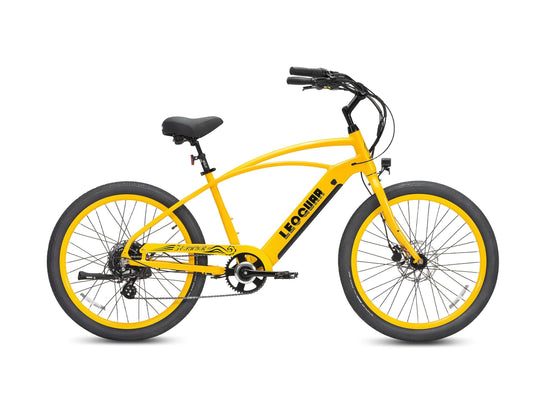
For example, the engineering and part choices on Leoguar Ebikes are focused on delivering a durable and quiet ride from day one.
FAQs About E-bike Squeaking
Is motor noise normal?
Yes, a gentle, steady hum from your ebike motor is completely normal; it's the sound of it providing assistance. However, any loud grinding, clicking, or high-pitched whining is not normal and indicates a potential internal problem that should be inspected by a professional.
Why does it squeak only when I pedal hard?
This is a classic symptom of an issue in the bottom bracket, crank arms, or pedals. The increased force you apply when pedaling hard flexes these parts, causing them to move slightly and creak.
Start by checking that your pedals and crank arm bolts are tight.
Can a squeak be a serious problem?
Most squeaks are minor annoyances, but they can sometimes signal a more serious issue. A loose crank arm, for example, could eventually fail if not tightened.
In very rare cases, a persistent creak could be a sign of a crack in the frame. It's always best to investigate any new and unusual noise promptly.
How often should I lube my chain?
Because of the higher forces involved, an ebike chain requires more frequent attention than a non-electric bike's chain. A good guideline is to clean and oil your chain every 100-150 miles, or after any ride in wet or very dusty conditions, to keep it running quietly and efficiently.
What should I do if my e bike creaking when pedaling won't stop?
If your e bike creaking when pedaling persists after checking pedals, crank arms, and bottom bracket, consider having a professional mechanic inspect the bike. Sometimes the issue requires special tools or expertise to diagnose and fix properly.


Leave a comment