




Hub Motor vs Mid-Drive Ebike: Which Works Better with a Throttle?
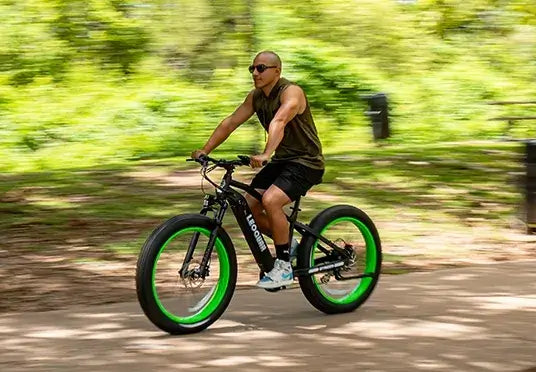
Riding habits are different in the U.S. and Europe. In European markets, ebikes usually focus on pedal assist, while U.S. riders often like the direct feel of a throttle. Twist the throttle, and the ebike moves forward, almost like a motorcycle.
However, not every mid-drive motor is a good fit for a throttle. A mid-drive motor works differently from a hub motor. Its internal structure and power control are more complex. When the throttle starts, the drivetrain may make a clicking sound.
Some riders may wonder: If mid-drive motors are not ideal for throttle use, why do some mid-drive ebikes still have a throttle? There are a few possible reasons:
- The brand may not notice or call out this clicking sound.
- The brand may keep the throttle feature to meet market demand.
- The brand may see this sound as normal motor behavior, and most riders can accept it, so it does not explain it in detail.
So where does this clicking sound come from? Is it a product defect? To answer that, we need to look at how mid-drive and hub motors are built and how they work.
What Is a Hub Motor?
A hub motor ebike has a motor built right into the wheel hub. It helps you ride by spinning the wheel it sits inside. This design is very common and simple for powering an electric bike.

How a Hub Motor Works
The ebike hub motor uses magnets and wire coils to create an electric field. This field makes the hub spin, which turns the wheel. It works separately from your bike's gears, basically pushing or pulling the bike forward. The basic idea comes from how brushless motors create motion, which is known for working well and lasting a long time.
Front vs Rear Hub Motors
Both types are common, but they feel different when you ride. A rear hub motor is what most people choose. It pushes you forward, which feels more normal to riders and works like a regular bicycle. It also grips the road better since more weight sits on the back wheel. A front hub motor is easier to put on and fix since it doesn't interfere with the chain and gears. But it can feel like it's pulling you forward and might change how the bike steers, especially on loose ground or when you speed up quickly. This can make the ride feel less safe.
Hub Motor Pros and Cons
A hub drive ebike has clear good points and bad points. Knowing these helps you decide if this hub motor electric bike fits how you like to ride.
| Pros | Cons |
|---|---|
| More affordable: Often found on entry-to-mid level ebikes, making them accessible. |
Weaker hill climbing: Can not use the bike’s gears for extra climbing power. |
| Lower maintenance: As a self-contained unit, there are fewer external moving parts to wear out. | Lower efficiency on climbs: Can draw more power and heat up on sustained, steep inclines. |
| Less drivetrain wear: Power goes directly to the wheel, not through your chain and cassette. | More weight at the wheel: Can make the bike feel unbalanced (front-heavy or rear-heavy). |
| Simple design: Easy for manufacturers to make and for riders to understand. | Harder Wheel Removal: Requires disconnecting the motor cable to remove the wheel. |
| Good for flat terrain: Provides consistent power for cruising on city roads and gentle paths. With a torque sensor, the assist can better match your pedal effort. | Less natural ride feel: Can feel like being pushed or pulled, rather than amplifying your own effort. |
| Throttle-friendly setup: The direct drive mechanism works seamlessly with both thumb and twist throttles. | Less ideal for heavy loads: The weight distribution and lack of gearing advantage are limitations. |
| Backup support: If your chain breaks, you can still use the throttle to get home. |
What Is a Mid-Drive Motor?
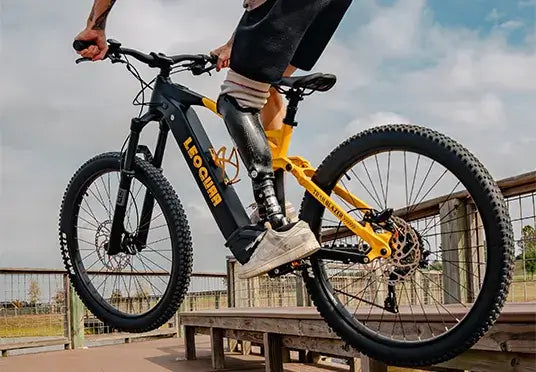
A mid-drive motor ebike puts the motor in the center of the bike frame, right where the pedals connect. This center spot is what makes a mid-drive ebike special and gives it better performance.
How a Mid-Drive Motor Works
Unlike a hub motor, a mid-drive motor doesn't power the wheel directly. It sends power to the pedals, which goes through the bike's chain and gears to the back wheel. This lets the motor use the bike's existing gears, just like how you use gears to ride on different ground types. This connection is what makes a mid motor ebike so efficient and powerful.

Why They Feel More Natural
Mid-drive motors almost always use a sensor that measures how hard you push the pedals. The motor then helps you based on how much effort you put in. When you pedal harder, the motor gives more power. When you pedal lightly, it gives less help. This, plus the ability to use the bike's gears, creates a smooth experience that feels like you just have stronger legs.
Mid-Drive Motor Pros and Cons
A mid-drive ebike gives amazing performance, but it has its own trade-offs. Here are the main good and bad points of mid-drive motors to think about.
| Pros | Cons |
|---|---|
| Faster acceleration: Leverages the bike's gears for powerful take-offs from a standstill. | Higher cost: These systems are more complex and are typically found on more expensive ebikes. |
| Better climbing power: Uses lower gears to multiply torque, conquering steep hills with ease. | More complex system: The integrated design can make some repairs more involved. |
| Higher efficiency: The motor operates in its optimal RPM range by using the bike's gears. | More drivetrain wear: Adds extra stress to the chain and cassette, which may wear out faster. |
| Better battery range: Higher efficiency, especially in mixed terrain, translates to more miles per charge. | "Clicking" sound: Throttle-equipped mid-drive motors make a quick “clicking” as the twist throttle is activated due to high gear reduction. |
| Uses the bike's gears: Provides stronger torque at low speeds and higher speeds on flats. | Repairs may cost more: Specialized components and labor can be more expensive. |
| Balanced weight: Central and low motor placement leads to better handling and stability. | Gear shifting: The rider must shift gears properly to maximize motor efficiency. |
| More natural pedaling feel: Power goes through the pedals and gears, so the assist feels closer to regular cycling. The torque sensor matches the support to your pedal effort. | No chain backup: If the chain breaks, the motor cannot send power to the rear wheel, so the ebike stops working. |
| Better for demanding rides: Ideal for hills, cargo, trails, and mountain biking. |
Key Differences
When you compare a mid drive vs hub motor side by side, the differences show up clearly in several key areas. This electric bike motor comparison will help you choose.

Acceleration and Power
A mid-drive motor usually gives faster acceleration, especially when starting from a stop or at low speeds. Since it sends power through the chain and gears, it can use the bike's lowest gear to create massive force for quick starts. This really shows when you start on a hill or carry heavy stuff. A hub motor gives smooth, steady power on flat ground but doesn't have the low-speed advantage of a mid-drive system.
Hill Climbing Performance
For steep hills, the mid-drive motor wins hands down. By shifting to a lower gear, you multiply the motor's force, letting it spin at its best speed while you climb easily. A hub motor, which works at wheel speed, can slow down and lose efficiency on steep hills, sometimes struggling or getting too hot on long, hard climbs. A hub motor vs mid drive ebike on a hill clearly shows the mid-drive's advantage.
Efficiency and Battery Range
On varied ground with hills and frequent stops, a mid-drive motor usually works more efficiently. It can stay in its best RPM range by using the electric bike gears, which saves battery life. A hub motor works very well when cruising at steady speed on flat roads. But making it work hard up a steep hill will drain the battery much faster than a mid-drive motor in the same situation.
Ride Feel
Hub motors are usually quiet because the motor sits inside the wheel as a sealed unit. The motor drives the wheel directly, so it does not make much extra gear noise. The chain and gears still move when you pedal, but the motor itself stays smooth and quiet.
Mid-drive motors feel more natural when you pedal. The power goes through the crank, chain, and gears before it reaches the rear wheel. The motor works with your own effort, so it feels more like stronger legs than a separate push.
The main ride difference is simple. A hub motor feels like the bike is pushing you forward. A mid-drive motor feels like it is adding power to your pedaling.
Throttle Fit
Some mid-drive ebikes do come with a twist throttle, but they are less common than throttle-equipped hub motor ebikes. The reason comes down to how the motor sends power to the rear wheel. A mid-drive motor sits near the pedals and sends power through the chain, cassette, and gears before it reaches the rear wheel. This is different from a hub motor, which drives the wheel directly.
When the twist throttle is activated, motor power comes in right away. Because the motor uses internal gear reduction, some throttle-equipped mid-drive motors can make a quick “clicking” at that moment.
A twist throttle can also apply strong power from a complete stop. If the bike is in a high gear, on a steep hill, or carrying heavy cargo, that sudden force puts more stress on the drivetrain. It can increase chain wear, cassette wear, and strain on the internal motor gears.
Mid-drive motors are built to support pedaling, not fully replace it. With pedal assist, the motor works with the rider’s effort and the selected gear. This keeps power delivery more controlled and helps the system run more efficiently.
Hub motors handle throttles better because they drive the wheel directly. The motor power does not pass through the chain or cassette, so throttle use is simpler and easier on the electric bike drivetrain.

Maintenance and Repair
A hub motor puts very little stress on your bike's chain system, so your chain will last longer. The motor itself is a sealed unit that needs very little care. The main problem is fixing a flat tire, which means disconnecting a power cable. With a mid-drive motor, the increased power and force lead to faster wear on the chain and gears. These parts will need more frequent checking and replacement.
Cost and Long-Term Value
At first, a hub motor ebike almost always costs less money. The technology is simpler and cheaper to make. A mid-drive motor ebike costs more upfront. However, for riders who often tackle hills, carry cargo, or ride off-road, the better performance, efficiency, and ride feel can provide significant long-term value and a more fun experience.
Common Motor Myths
Let's clear up some common ebike myths to help you understand the hub motor vs mid drive debate.
Is a Mid-Drive Always Better?
No. While a mid-drive motor offers higher performance in tough situations like steep hills, it also costs more and puts more wear on your chain system. For a rider who mainly uses their ebike for flat, city commuting, a hub motor is often a more practical and cheaper choice.
Is a Hub Motor Bad for Hills?
Not really. A quality hub motor can handle moderate and gentle hills without problems. It's on very steep, long, or sustained climbs where its disadvantages show up. For most rolling terrain, a hub motor works perfectly fine.
Does More Watts Mean Better?
Not always. Wattage measures power, but it doesn't tell the whole story. Torque, which affects acceleration and climbing, is just as important. Also, the motor's performance depends heavily on the controller, battery, and sensor type. A well-made 250W mid-drive motor can easily beat a poorly designed 500W hub motor on a steep hill.
Conclusion
So, which is better, a hub motor or a mid-drive motor? There is no single best choice. It depends on how you ride.
A hub motor is a better fit if you want an affordable, quiet, and low-maintenance ebike for daily riding on flatter roads. It also works well with a throttle because the motor drives the wheel directly. The trade-off is ride feel. A hub motor can feel like it is pushing or pulling the bike, rather than adding power to your own pedaling.
A mid-drive motor is better if you want stronger hill climbing, faster starts, better efficiency, and a more natural pedaling feel. Its power works through the drivetrain, so the assist feels closer to regular cycling. But this also means faster chain and cassette wear, higher cost, and more care over time. On mid-drive ebikes with a twist throttle, the motor can also make a quick “clicking” when the throttle is activated because of the internal gear reduction.
Both motor types can work with pedal assist, and both can give a good riding experience. The right choice depends on your roads, hills, riding habits, budget, and whether throttle use matters to you.
Frequently Asked Questions
Q: Can I add a throttle to any mid-drive ebike?
A: Most mid-drive ebikes don't come with throttles because sudden full power can damage the chain and gears. While some systems support throttles, they usually limit the power to protect the drivetrain components.
Q: Does the Leoguar Trailblazer have a throttle and pedal assist?
A: The Trailblazer has pedal assist, but it does not come with a throttle by default. It is a mid-drive e-bike, so it is mainly designed to work with your pedaling for better climbing and smoother power.
Q: Why do some mid-drive e-bikes still have throttles?
A: Yes, some mid-drive e-bikes do have throttles. Different brands handle this differently. For Trailblazer, we focus more on pedal assist because it is better for the motor, chain, and gears.
If you do not mind the possible extra motor noise or drivetrain wear, we can provide a throttle and guide you on how to install it.
Q: How much more does it cost to maintain a mid-drive motor compared to a hub motor?
A: Mid-drive motors typically require chain and cassette replacement 2-3 times more often than regular bikes. This can add $100-200 per year in maintenance costs depending on how much you ride and the terrain.
Q: Do hub motors or mid-drive motors last longer?
A: Hub motors typically last longer because they're simpler with fewer moving parts and don't stress the bike's components. Mid-drive motors can last just as long but require more careful maintenance of the drivetrain.


Leave a comment