




Utility E-Bike Payload Math: Rider, Groceries, Rear Rack, and Passenger Weight
Utility ebike payload math is simple: count every pound added to the bike, then check both the bike’s total payload rating and the rear rack or accessory rating. Rider weight, passenger weight, groceries, locks, child seats, baskets, water, and bags all count toward the ride you’re asking the frame, tires, motor, and brakes to control.
Utility Ebike Payload Math
Add rider + passenger + cargo + mounted accessories, then compare the result against the lowest rated part in the system. If the bike allows 275 lb total payload but the rear rack or child seat is rated lower, the lower number wins. Extra payload also cuts range and lengthens stopping distance.
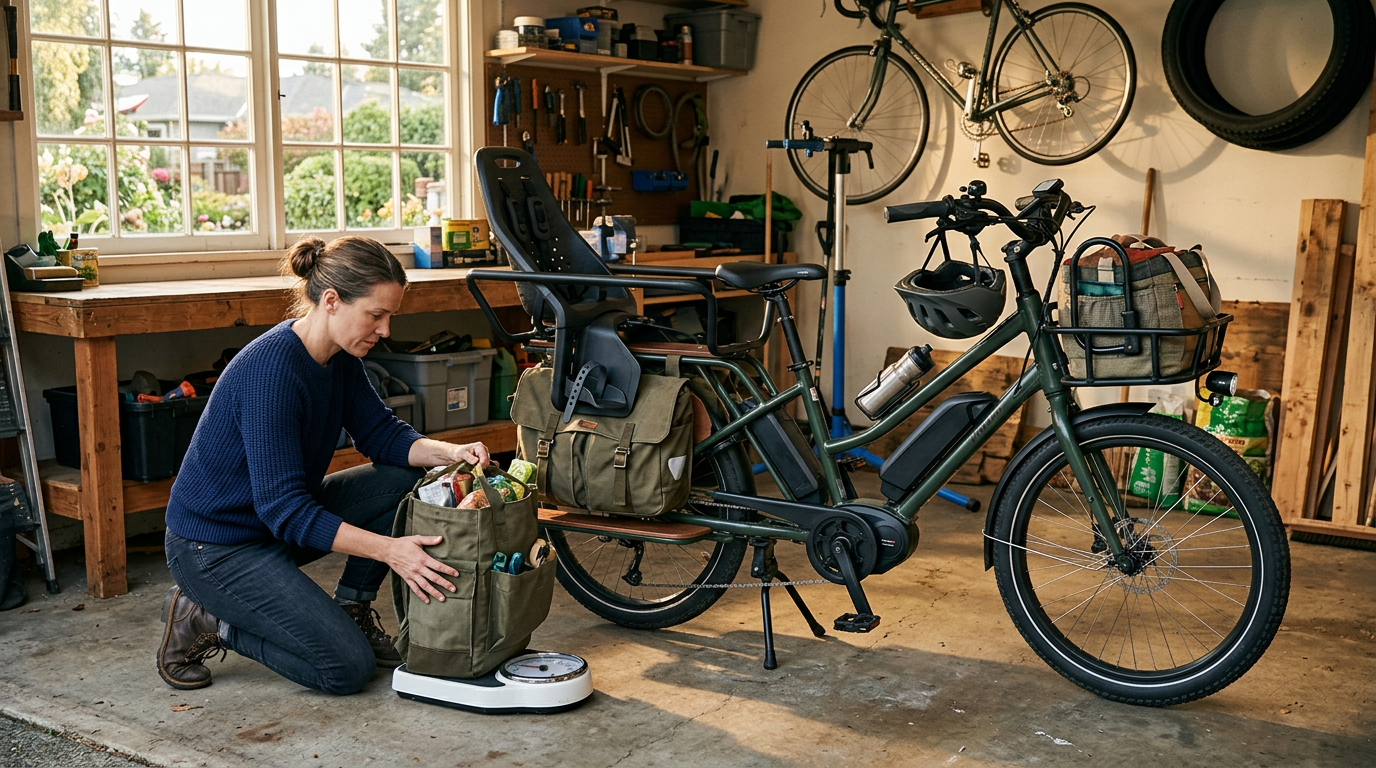
Use this formula before you buy:
| Payload item | Count it? | Example |
|---|---|---|
| Rider | Yes | 185 lb |
| Passenger or child | Yes | 60 lb |
| Groceries, backpack, work bag | Yes | 25 lb |
| Rear basket, child seat, panniers | Yes | 8-15 lb |
| Lock, tools, water | Yes | 5-10 lb |
| Bike weight | Usually no | Unless the brand lists GVWR |
So a 185 lb rider carrying 25 lb of groceries, a 6 lb U-lock, and a 10 lb rear basket is riding with 226 lb of payload. On a bike rated for 275 lb, that leaves 49 lb of margin.
That margin matters. You hit a pothole. The rear tire compresses. The rack bounces once, then again. A static grocery load turns into a sharp load spike for the frame, spokes, rack bolts, and tire casing.
Rider Weight Comes First
Start with dressed rider weight, not the number you remember from last winter. Shoes, jacket, helmet, phone, keys, and a backpack can add 8-15 lb before groceries enter the picture.
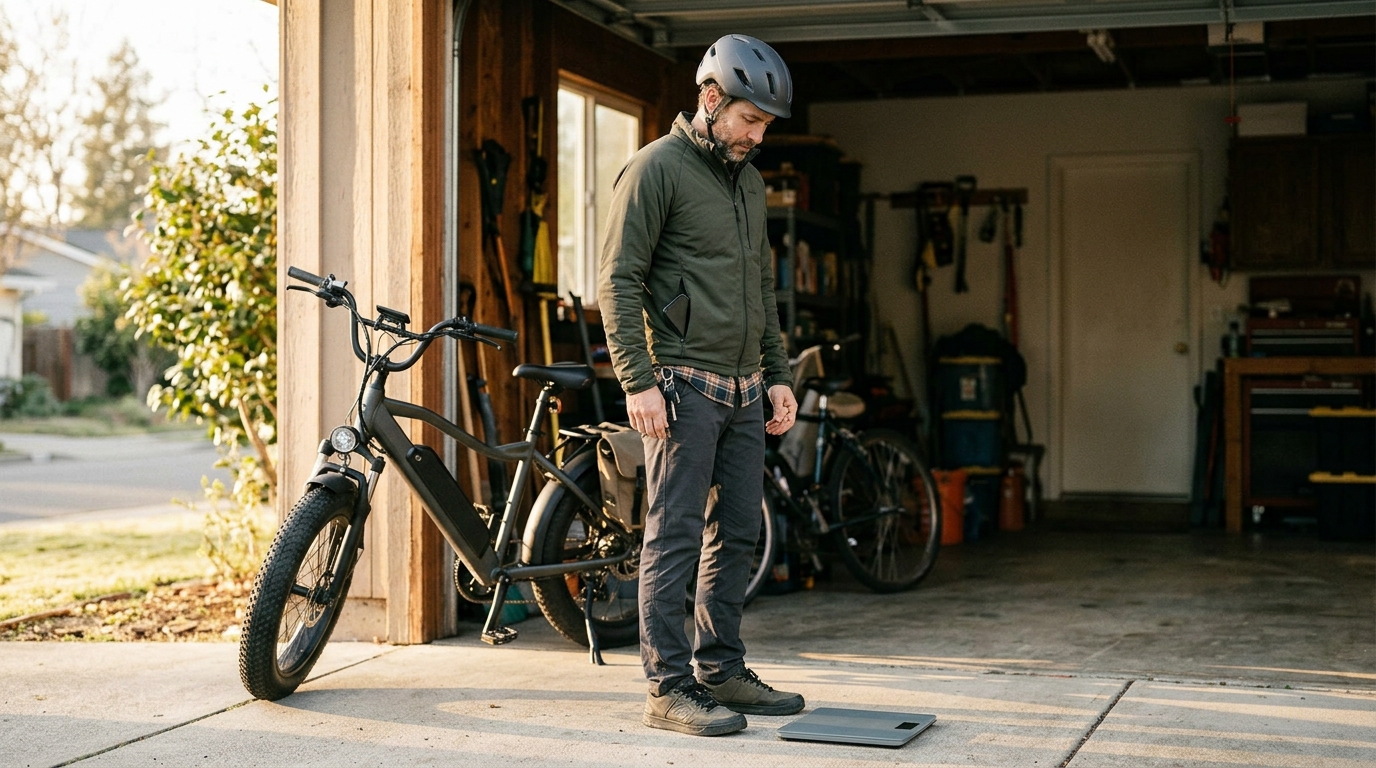
This is where buyers often make the wrong comparison. They see a bike with a 275 lb payload rating and think, “I’m under that.” Then they add a passenger, a rear cushion, a gallon of milk, a chain lock, and a tote bag full of cans (cans are sneaky).
| Scenario | Payload math | 275 lb rating result |
|---|---|---|
| 165 lb rider + 30 lb groceries + 8 lb lock | 203 lb | Good margin |
| 210 lb rider + 35 lb groceries + 12 lb basket | 257 lb | Tight, still under |
| 220 lb rider + 55 lb child + 10 lb child seat | 285 lb | Over limit |
| 175 lb rider + 115 lb adult passenger | 290 lb | Over limit before bags |
Federal e-bike law has a separate 170 lb rider figure, but that number is about speed classification, not your bike’s carrying limit. 15 U.S. Code § 2085 defines a low-speed electric bicycle using a 170 lb operator for motor-only speed testing, along with a motor under 750 watts and less than 20 mph on motor power alone.
Different question. Different number.
Rear Rack Weight Limits
The rear rack is usually the first place payload math breaks. A bike may have enough total payload left, but that doesn’t mean all remaining weight can sit behind the saddle.
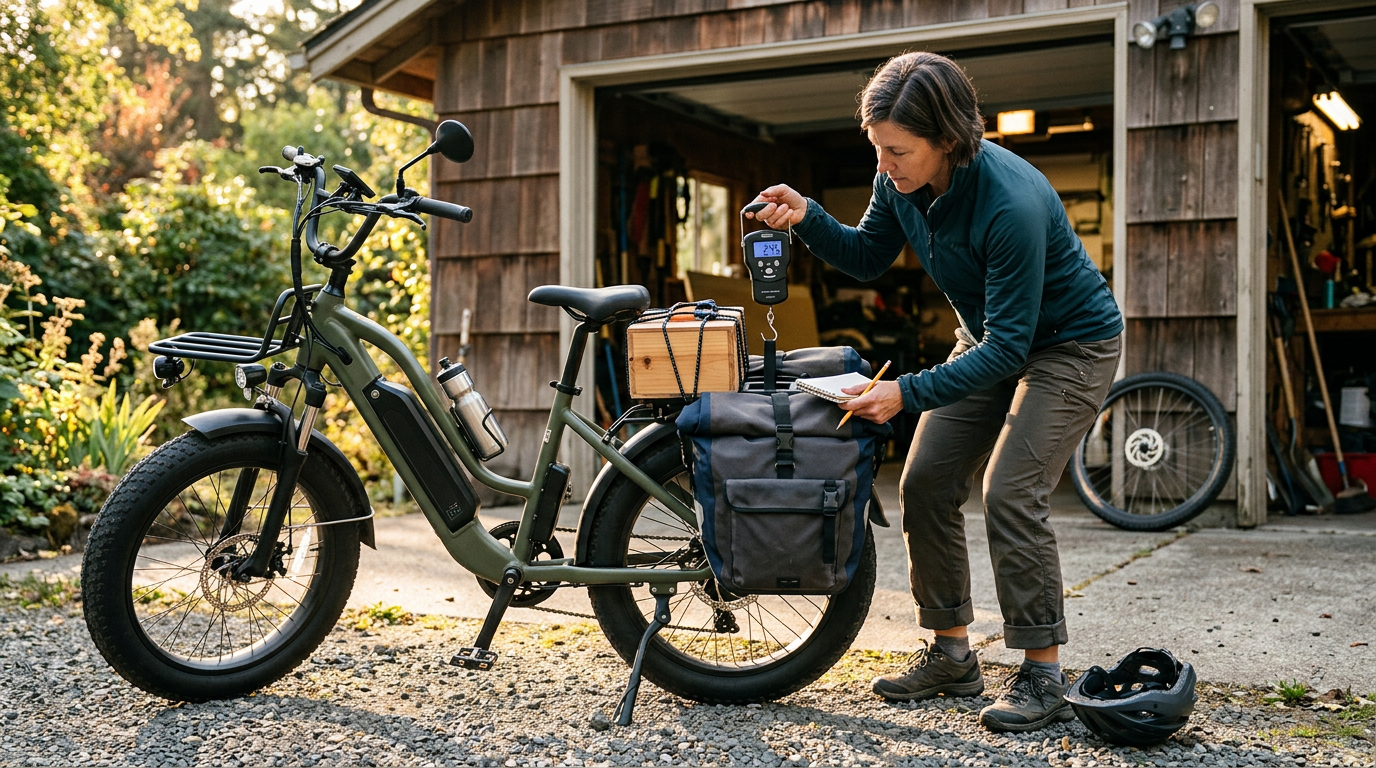
A rear rack has its own job: carry a load without bending, cracking welds, loosening bolts, or making the bike wag at speed. A child seat has another rating. A rear basket has another. If those numbers conflict, ride by the lowest one.
Use this order:
- Bike total payload rating
- Rear rack or rear deck rating
- Passenger kit, child seat, or basket rating
- Tire pressure and tire sidewall limits
- Local passenger rules
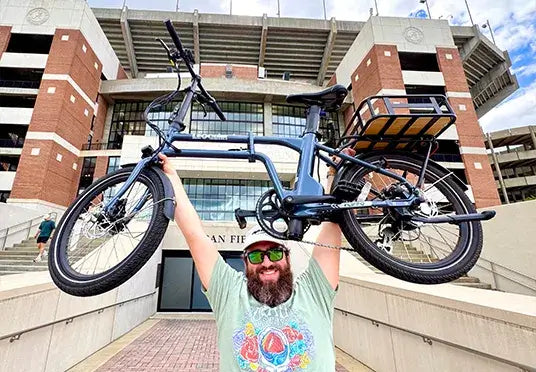
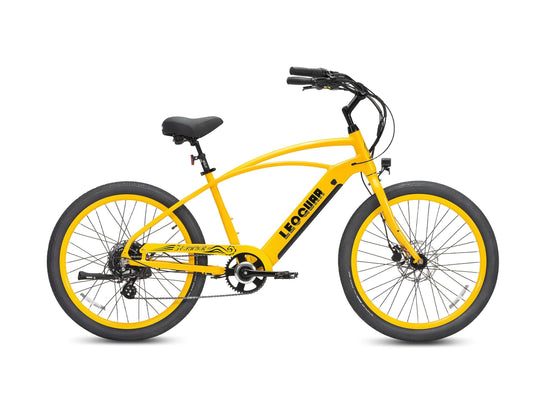
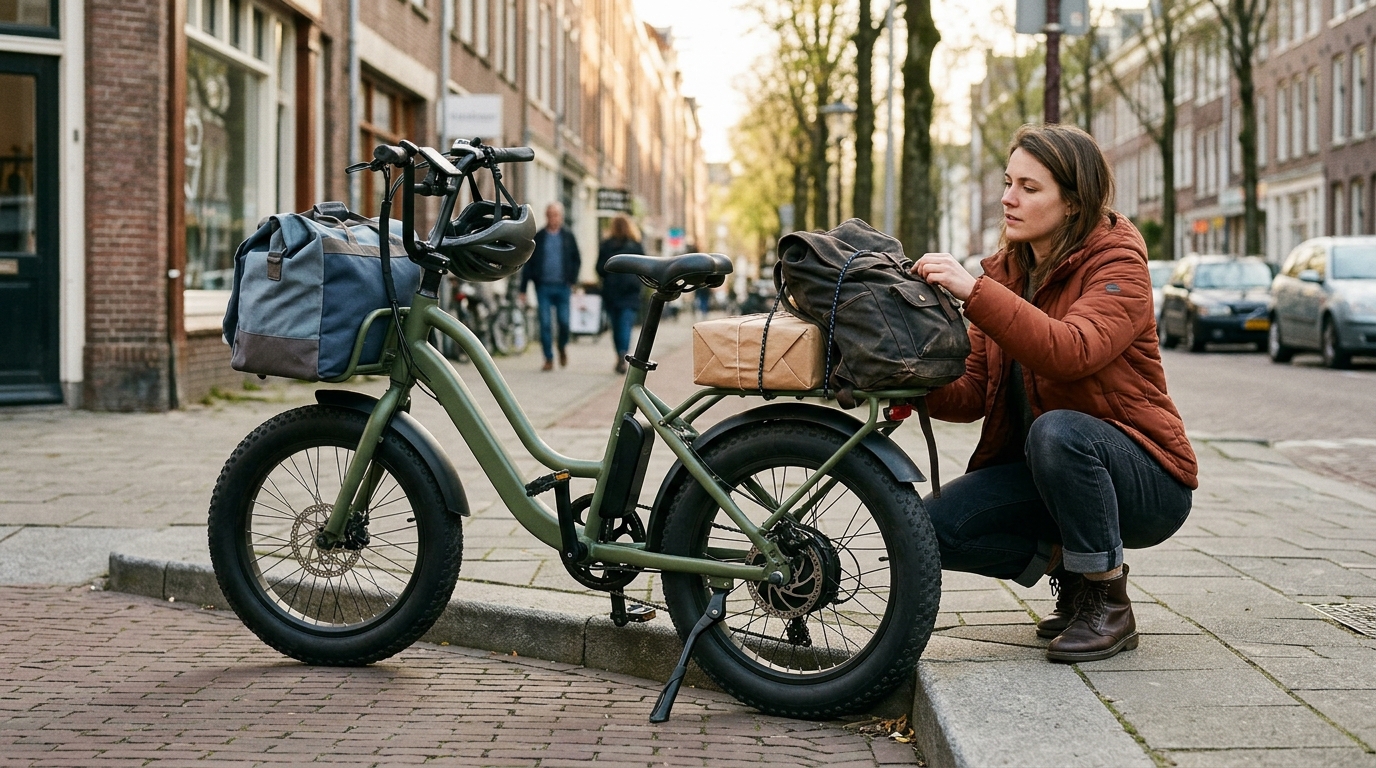
A frame-integrated rack is better than a thin bolt-on rack for utility riding because the load path goes into the frame instead of hanging from small attachment points. Leoguar’s Sprint uses an integrated rear rack with a 3-in-1 rear mount for cargo, child-seat use, or baskets, which is the right direction for a daily commuter ebike that may carry work gear in the morning and groceries at 6 p.m.
Still, don’t treat the rack like a pickup bed. A 40 lb child and a 10 lb child seat are already 50 lb over the rear wheel. Add a backpack to the same rack and the bike may still roll, but the handling gets slow and rear-heavy.
Passenger Payload Decisions
Passenger weight needs a harder yes-or-no than grocery weight. Groceries don’t lean in a turn. A person does.
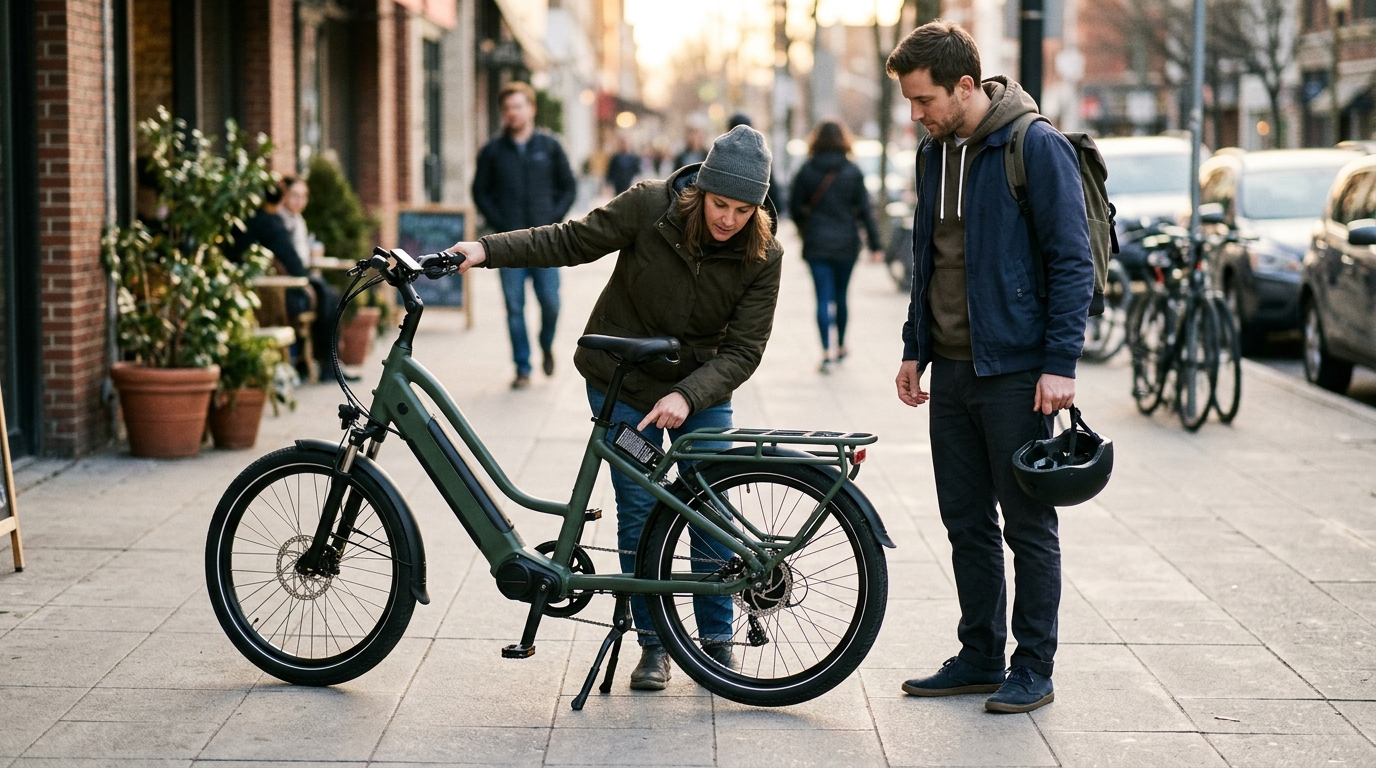
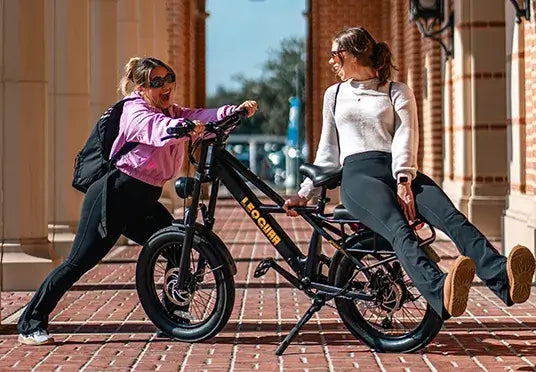
For a passenger, check for a real rear seat, foot support, hand support, wheel guards, and a rack or frame rating that names passenger use. If those parts aren’t there, skip it. A cushion alone doesn’t make a utility ebike passenger-ready.
| Passenger setup | Better choice | Why |
|---|---|---|
| Small child in certified child seat | Utility ebike with compatible rack | Stable if within limits |
| Teen or adult passenger | Passenger-rated utility/cargo ebike | Higher rear load and movement |
| Heavy rider plus passenger | Higher-payload cargo platform | Payload disappears fast |
| Pet carrier or crate | Low-mounted basket or trailer | Less body movement |
The math can get ugly fast. A 190 lb rider, 85 lb passenger, and 8 lb rear seat equals 283 lb before a lock, water bottle, or backpack. On a 275 lb bike, that’s over. No drama needed. Pick a higher-payload utility bike or leave the passenger off that trip.
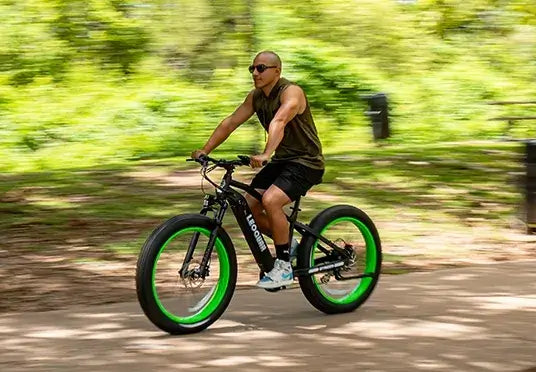
For solo utility errands, a fat tire ebike can feel calmer on broken pavement because wider tires add contact patch and bump absorption. The drawback is weight and rolling resistance, so range planning gets more conservative.
Range, Brakes, And Hills
Payload doesn’t just sit there. It asks for more current from the battery, more torque from the motor, more grip from the tires, and more brake force at every stop sign.
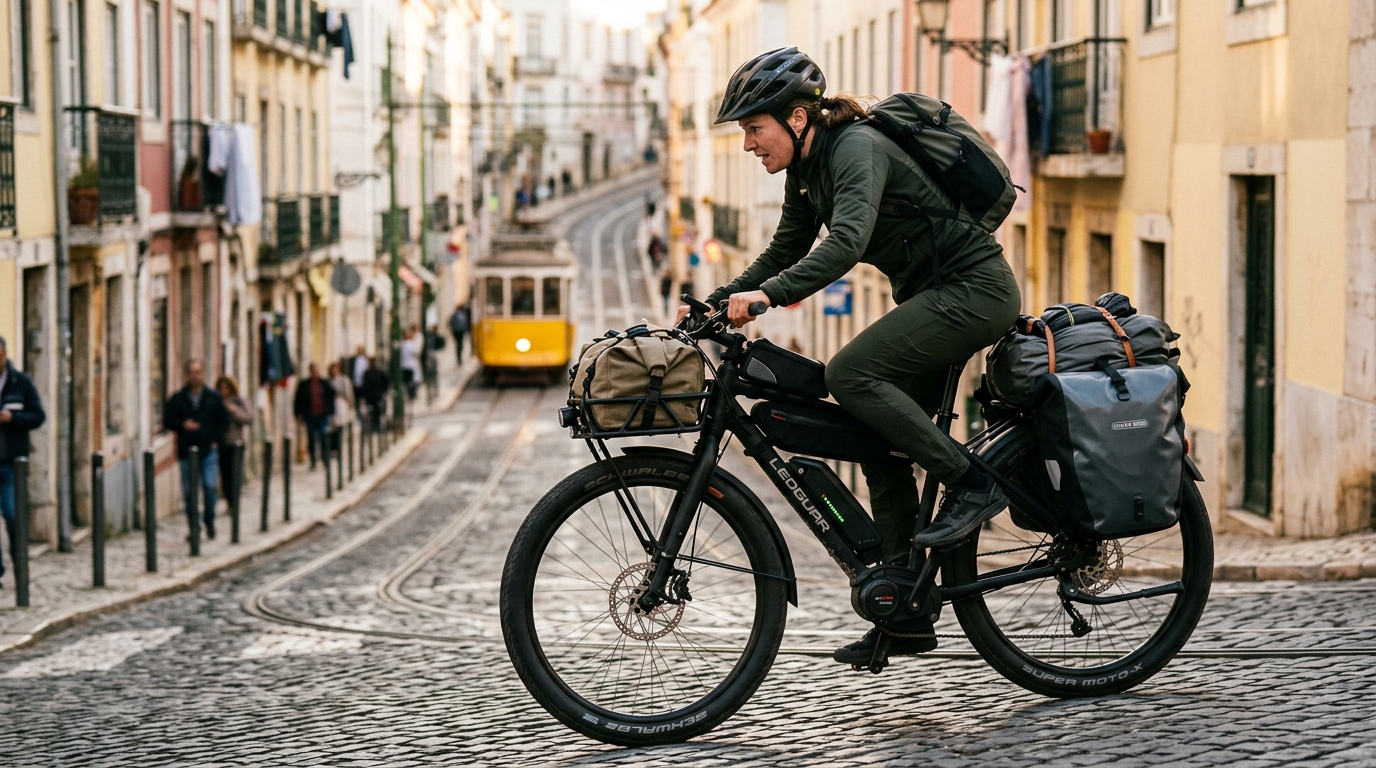
A flat grocery run is easy. A loaded climb is the test.
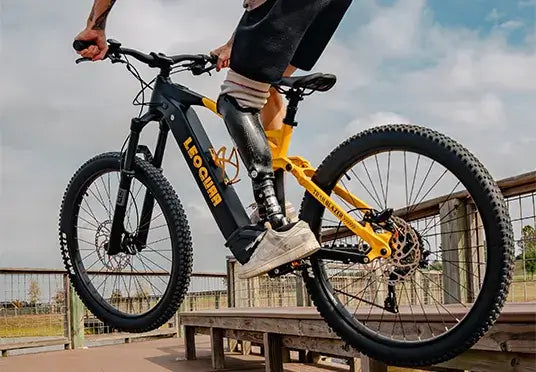
On a utility ebike, hub motors work well for city errands and moderate hills when you stay within the payload rating. If you live in a hillier area, stop-and-go with heavy loads will expose the difference between “enough power” and “comfortable power.” A mid drive ebike makes more sense when climbing performance matters more than rack utility because it can work through the bike’s gears instead of pushing from the rear hub alone.
Brakes deserve the same attention. Leoguar’s Sprint uses 180mm front and rear brake rotors, and that size is a practical choice for loaded city riding. But no brake spec cancels physics. Add 60 lb to the bike and your stopping distance grows, especially on wet pavement, downhill streets, painted crosswalks, and loose gravel at driveway edges.
UL certification belongs in this conversation too, just not as a payload number. The UL 2849 Electrical Systems for eBikes standard covers the electrical system, including the drive unit, battery, battery management system, wiring, power inlet, and charger. It doesn’t replace frame, rack, tire, or passenger load ratings.
For Leoguar Bikes, treat UL language as model-specific proof rather than a blanket payload claim. Check the current product page for the exact UL scope listed on the bike you are considering, then do the mechanical payload math separately: build quality and certification matter, but they do not raise frame, rack, tire, or passenger limits.
Sprint Payload Example
Leoguar Sprint Fat Tire Utility Ebike is rated for 275 lb of payload, with a 55 lb bike weight, 614Wh battery, 350W rear hub motor, 20 x 3.0-inch tires, and up to 55 miles of range. That makes Sprint a strong fit for solo commuting, grocery runs, campus trips, school drop-offs within rating, and light weekend utility riding.
Here’s the clean way to decide if Sprint fits your use:
| Your use case | Payload example | Sprint fit |
|---|---|---|
| 180 lb rider + 20 lb work bag | 200 lb | Yes |
| 200 lb rider + 35 lb groceries + 8 lb lock | 243 lb | Yes, with margin |
| 215 lb rider + 45 lb child + 10 lb seat | 270 lb | Very tight |
| 190 lb rider + 105 lb passenger | 295 lb | No |
Sprint works best when you want one bike for errands, commuting, and everyday hauling without moving into a long-tail cargo bike. The 20-inch wheels keep the load lower than a tall 26-inch setup, and the 3.0-inch tires help with potholes, curb cuts, gravel shoulders, and rough bike-lane edges.
The tradeoff: 275 lb is not a heavy-duty cargo rating. If your regular plan includes an adult passenger, a heavy rider plus child seat, or weekly bulk shopping, buy for that reality. Don’t buy for the best-case ride.
FAQ
Does rider weight count as payload?
Yes. Rider weight is part of payload on most ebike spec sheets, along with cargo, passenger weight, bags, locks, baskets, and child seats.
Is rear rack capacity separate?
Yes. Rear rack capacity is separate from total bike payload. If the rack rating is lower than the bike payload rating, follow the rack rating.
Can I carry an adult passenger?
Only if the ebike, rear rack, seat, footrests, and passenger hardware are rated for adult passenger use. A cushion on a rack is not enough.
Does payload reduce ebike range?
Yes. More payload makes the motor work harder, especially during starts, hills, headwinds, and high assist. Plan less range when riding loaded.
Before choosing a utility ebike, write your heaviest normal ride on paper: you, the passenger, the groceries, the basket, the lock, all of it. If that number fits with real margin, explore Leoguar Bikes models by the job you need the bike to do: Sprint for daily utility, Fastron for fat-tire stability, and Trailblazer when range and climbing performance matter more than rear cargo.


Leave a comment