




How Much Does Electric Bike Assembly Cost and How Long Does It Take?
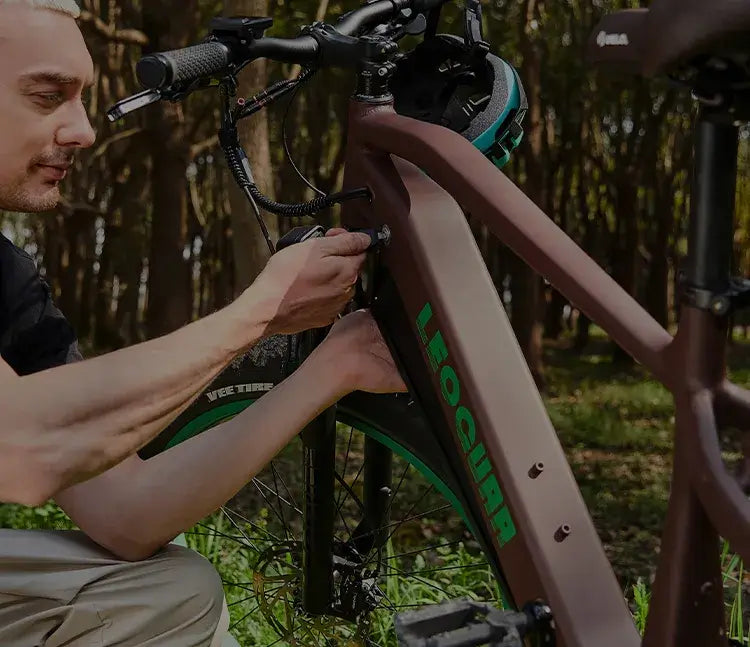
You can generally expect the cost of having a professional assemble your e-bike to range from $100 to $250 and the hands-on work itself to take between 1.5 and 3 hours; although the figures themselves are simple, it is the details associated with them that guarantee a safe, reliable, and enjoyable first ride.
It's not merely about convenience since it's also about safeguarding your investment, your warranty, and most importantly your safety. When an e-bike is assembled by a professional it works at its best from the very first day, which gives you assurance each time you ride. In this guide we'll look at those costs, explain the time aspects, and show you precisely how to locate a reliable e-bike assembly near me service so that you can go on the road with confidence.

DIY vs. Pro Assembly
There's a strong urge to put together your new e-bike yourself, and it does seem like a good way to save hundreds of dollars or so, with a good number of people feeling that they have the necessary mechanical ability. What is true is that someone with an interest in mechanics can usually manage to carry out the job on a standard bicycle without any serious problems.
However, an e-bike is a completely different kind of machine, having a number of extra layers of complexity which pose considerable risks if not handled properly. The main point of difference is the way in which the electrical and mechanical systems are integrated, a aspect which calls for specialized knowledge. The following points show why professional assembly is a wiser investment:
Electrical Systems: Connecting the battery, controller, display, and motor sensors requires precision that most DIYers lack. A simple mistake like a pinched wire or a reversed connector can lead to a non-functional bike, a fried controller, or even a short circuit that could be dangerous.
With regard to weight and torque, e-bikes are heavier and have to cope with greater forces from the motor, so each and every bolt is more important than on ordinary bikes.
The bolts on the stem, handlebars, cranks, and wheels must be tightened to the exact specifications set out by the manufacturer using a torque wrench; over-tightening may damage the components while insufficient tightening can result in a catastrophic failure when in motion and thus put your safety in serious danger.
Safety and Liability: A brake that is not properly adjusted or one with a loose headset presents a much greater danger when travelling at 25 mph than at 10 mph. Professional mechanics make sure that your bike complies with the essential safety standards for micromobility devices, a point which a do-it-yourselfer is likely to overlook.
Warranty coverage: A number of direct-to-consumer e-bike brands say that their warranty can be cancelled if damage is caused by incorrect assembly, which could leave you with thousands of dollars if any problems arise. By paying a professional, you get a record of the correct servicing, which helps with a warranty claim should a component fail early on. To sum it up, the following is a comparison of the tasks.
| Standard Bike Assembly | E-bike Assembly (Adds These) |
|---|---|
| Install handlebars, stem, seatpost | Securely mount and connect battery |
| Install front wheel and pedals | Connect motor, controller, and sensor wiring |
| Adjust mechanical brakes | Install and program the LCD display |
| Tune derailleur/gears | Check all electrical connections for function |
| Basic safety check | Perform firmware checks or updates if needed |
| Torque all bolts to higher e-bike specs |
The Real Cost
Although our first price range of between $100 and $250 is a suitable one to begin with, the ultimate price for the e-bike assembly service will be determined by a number of important factors. If you understand these factors, you will be able to budget properly and identify fair pricing when you see it, thus avoiding being taken by surprise through unexpected charges.
The cost is mainly affected by the type of shop, the complexity of the bike, and the geographic location. Although a specialist local bike shop employing certified e-bike mechanics will tend to charge more than a regular sporting goods store or a mobile mechanic, it usually has a great deal of expertise. It is faster and cheaper to put together a simple single-speed commuter e-bike than it is to build a full-suspension electric mountain bike (eMTB) or a complicated cargo e-bike with a lot of wiring.
Labor rates differ greatly between large metropolitan areas and smaller towns. For a better understanding of the situation, we have divided the services into three common service levels that are usually offered by shops.
| Service Tier | What's Included | Typical Cost Range |
|---|---|---|
| Basic Assembly | Full mechanical build from the box, basic safety check, inflation of tires. Adjustments are minimal. | $100 - $150 |
| Standard Assembly | Includes everything in Basic, plus detailed tuning of gears and brakes, and a final torque check of all critical bolts. | $150 - $200 |
| Premium Build | Includes everything in Standard, plus installation of accessories (racks, fenders), hydraulic brake bleed (if needed), and advanced wheel truing. | $200 - $300+ |
Hidden Costs & Add-Ons
You should be aware that there are various add-ons which can greatly increase your total bill if you're unprepared, so it's best to talk to the shop about them before you collect your bike.
The cost of fitting accessories such as electric bike racks, fenders, or lights is generally between $15 and $50 for each item. Hydraulic brake bleeding, which might be necessary if the brakes feel spongy right from the start, ranges from $30 to $60 per brake and can therefore result in a significant expense. Setting up tubeless tires for eMTBs and high-end gravel e-bikes costs $25 to $50 per wheel.
How Long It Takes
It's useful when you leave your bike there to know how the time is spent and to realise that rushing isn't a good idea. Although the practical work involved in a normal assembly lasts between 1.5 and 3 hours, the whole process goes beyond simply tightening bolts since safety and accuracy are essential. To guarantee both quality and safety—which protect you and their reputation—a professional mechanic carries out a careful procedure.
Here is a typical timeline for a professional e-bike assembly:
The check-in and assessment process takes between 15 and 20 minutes, during which the mechanic will unpack the bike and carefully examine both the frame and all the other parts for any damage that may have been caused during shipping.
The mechanical assembly is the main part of the construction process, lasting between 60 and 90 minutes and requiring the correct fitting of the handlebars, stem, seatpost, the wheels, and the pedals with careful attention to alignment and fit.
The adjustment of the drivetrain and brakes takes between 30 and 45 minutes, which is the part where the mechanic's expertise is most evident since he carefully tunes the various components. He adjusts both the front and rear derailleurs so that the shifting is clear, aligns the brake calipers, and makes sure that the brake pads make full contact with the rotors for maximum stopping power.
The final torque and safety check takes between 15 and 20 minutes and involves the use of a calibrated torque wrench to verify that each of the important fasteners is up to the mark. The mechanic examines every critical fastener—this includes the stem bolts, the crank arms, and the axle nuts—in order to make sure it meets the manufacturer's exact specifications, since this is absolutely essential for safety.
The "Test Ride & Final Adjustments" process takes between 10 and 15 minutes, consisting of the mechanic taking the bike for a short test ride to make sure that the brakes, gears, and electronic systems all work correctly when under load.
It is also necessary to take into account the shop's lead times since these can influence when you receive your Affordable Ebikes back. Although the job only takes a few hours, a busy shop could have a backlog of several days, particularly during peak season. We always advise phoning in advance to find out their present turnaround time so that you can make your plans accordingly.
Your Pre-Assembly Checklist
Based on our experience with a large number of new riders, we have found that a little bit of preparation makes a big difference to your success. If you take these five simple steps before you go to the shop, you can avoid the most frequent problems, save yourself some time, and be sure to get efficient service which will enable you to start riding sooner.
Document the Arrival: Before you even open the box, take a few photos of its external condition to protect yourself if there are issues. Once you open it, take more photos showing how the parts were packed, which creates a clear record of the bike's condition. This documentation is invaluable if you discover shipping damage and need to file a claim with the e-bike manufacturer or shipping company.
Perform a Parts Inventory: Find the parts list in your owner's manual and carefully check it against the contents of the box to make sure nothing is missing. Make sure every bolt, reflector, and component is accounted for before you leave home, since missing parts can delay your assembly significantly. It is far better to discover a missing derailleur hanger or a specific bolt before you are paying a mechanic for their time.
Gather the Essentials: When you take the bike in for assembly, you must bring everything the mechanic needs to do the job right. This includes the entire bike in its box, the battery, the keys for the battery lock, the charger, and the owner's manual since each item serves a specific purpose. The mechanic needs all of these items to perform a complete assembly, test the electronics, and reference torque specifications for your specific model.
Charge the Battery: Arrive with a fully charged battery so the mechanic can immediately test all electronic functions. The mechanic needs power to test the motor, run diagnostics, and perform any necessary firmware updates on the system, and a dead battery can cause frustrating delays.
Decide on Accessories: If you purchased accessories like a rack, fenders, or a new light system, decide which ones you want to be installed during the initial build. Bringing them with you allows the shop to provide a single, all-inclusive quote and saves you a return trip for additional installations.
Finding a Qualified Service
Finding the right person for the job is crucial since not all bike shops are equipped or willing to work on direct-to-consumer e-bike brands. Here's a simple, three-step strategy for locating a trustworthy and competent e-bike assembly service near you that will do the job right.
Step 1: Start with the Source
Your first stop should be the website of the e-bike brand you purchased from since they know their products best. Most reputable manufacturers have a "Dealer Locator" or "Service Center" page that lists approved shops in your area. These listed shops are either authorized dealers or partners who are familiar with the brand's products and have the right tools and knowledge.
Step 2: Use Smart Search Terms
Go beyond a generic search for "e bike assembly near me" since that might not find the specialists you need. To find shops with real e-bike expertise, try more specific terms in your search engine that target experienced mechanics.
Try searching for "[Your Bike Brand] assembly near me" to find shops familiar with your specific model. Look for "Bosch certified mechanic near me" if your bike has a Bosch system, since certification indicates specialized training. Search for "Mobile e-bike mechanic [Your City]" if you prefer service at your location, or "E-bike repair shop [Your City]" to find dedicated specialists.
Step 3: Vet Potential Shops
When you've produced a shortlist, carry out a number of phone calls to put direct questions to them in order to find out about their real level of expertise. For example, ask them whether or not they assemble direct-to-consumer e-bike brands such as [Your Bike Brand] to verify that they do work with your kind of bike.
To find out your typical price and turnaround time for a Pedal Assist Electric Bikes assembly so that you can compare the different options and prevent any surprises, ask whether your mechanics are certified or if they have received any formal training as e-bike technicians, since those shops that spend on certified training are often a better choice. Also, check online reviews and look for reviews on Google or Yelp that refer to e-bike assembly or repair.
The fact that other e-bike owners have given positive feedback is a good indication of the product's quality and reliability.

From Assembly to Upkeep
Don't regard the assembly of your e-bike as merely a one-off job, rather see it as the start of an important relationship with a local expert. Since your smart e-bike is a major investment, just as with any other vehicle it needs regular maintenance if it is to remain safe and last for many years. The mechanic who puts together your bike is the best person to assist you with its maintenance because they already know the particular model and the way it has been set up.
Here's how to build that long-term support system:
Arrange the first tune-up: After you have ridden your bike for the first 100 to 200 miles, the cables will stretch and the bolts may settle, something that is entirely normal but still requires attention. Since a follow-up tune-up is necessary for both optimal performance and safety, you should ask the mechanic about setting it up when you collect your newly assembled bike.
Check whether they can carry out repairs on e-bikes, provide diagnostics, and source parts for your brand, as not every shop offers complete services. Having a shop you can rely on for future problems gives you a great deal of peace of mind and helps avoid the stress that comes with issues arising.
Save their contact details by storing the shop’s phone number and address in your phone and also writing them down in a safe place at home. In future, when you need a flat repaired, a brake adjustment, or a diagnosis for an error code, you won’t have to begin your search from the beginning or spend time looking for assistance.
When you hire a qualified professional to put together your e-bike, you're not merely paying for a service—you're forming a partnership with an expert who will help you stay safe on your rides for years to come.
Frequently Asked Questions
Q: Can I build my e-bike myself in order to save some money?
A: We do not recommend doing it even though it is possible since e-bikes have intricate electrical systems and demand exact torque specifications which most do-it-yourselfers do not possess either the necessary tools or the required knowledge to deal with safely. Incorrect assembly may nullify your warranty and pose serious safety hazards.
Q: What is the usual cost of having an e-bike assembled by a professional?
A: A professional assembly of an e-bike generally ranges from $100 to $250, the exact amount depending on where you are, the complexity of your bike, and the type of service you select. Assembly on a basic level begins at about $100, whereas premium builds including accessories can cost $300 or above.
Q: How long will it take for the shop to put my e-bike together?
A: The actual assembly work takes 1.5 to 3 hours, but you should factor in the shop's schedule. During busy seasons, you might wait several days for an appointment, so it's best to call ahead and ask about current turnaround times.
Q: What should I bring when I take my e-bike for assembly?
A: Bring everything: the complete bike in its box, the battery (fully charged), battery keys, charger, owner's manual, and any accessories you want installed. Missing any of these items can delay your assembly or prevent proper testing.
Q: How do I find a qualified shop for e-bike assembly near me?
A: Start with your bike manufacturer's dealer locator, then search for certified e-bike mechanics in your area. Call potential shops to ask about their experience with your bike brand and check online reviews from other e-bike owners before making your choice.


Leave a comment