




Big Tire Electric Bike: 2025 Buyer’s Guide to Fat Tire eBikes
What Makes These Bikes Special
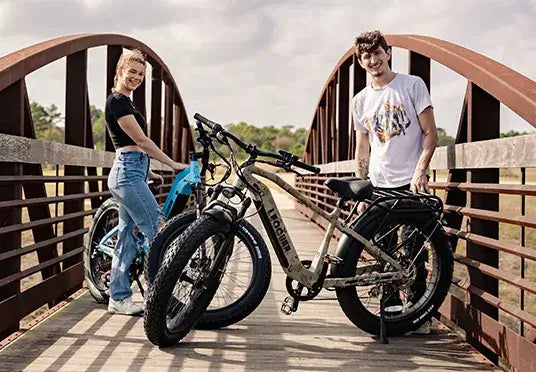
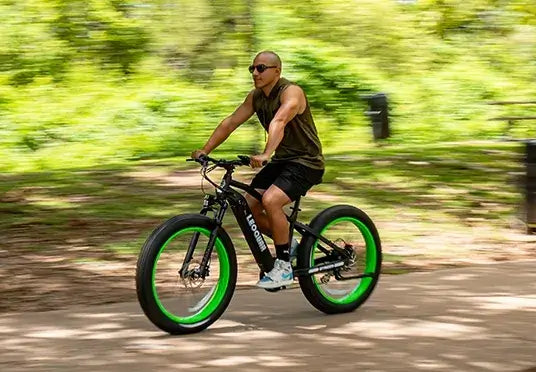
Picture one bike that works on sand, snow, and city streets. A big tire electric bike makes this dream real. These bikes give you freedom to ride anywhere, anytime. A big tire electric bike has extra-wide tires that are 4 to 5 inches across. Most people call them fat tire e-bikes. The wide tires help you ride on surfaces where regular bikes would get stuck.
This guide shows you everything about these bikes for 2025. You'll learn why they're great, what features matter most, and whether one fits your needs. We'll also clear up wrong ideas people have about these bikes.
Understanding Fat Tires
Fat tires are more than just big wheels. The width and air pressure work together to create something special.
Size and Pressure Work Together
Fat tires are 4 inches wide or bigger. But the real magic happens with low air pressure. Regular road bikes use 100 PSI of air pressure, but fat tire bikes use much less. Low pressure lets the tire spread out and touch more ground. This gives you better grip on bumpy surfaces. It also helps you float over soft stuff like sand or snow instead of sinking in. You change the pressure based on where you ride. Soft surfaces like snow or sand work best with 5 to 15 PSI. Hard trails and roads need 20 to 25 PSI for faster riding.

How They Compare to Other E-Bikes
Here's how fat tire e-bikes stack up against other types:
| Feature | Fat Tire eBike | Mountain eBike (eMTB) | Commuter/Hybrid eBike |
|---|---|---|---|
| Tire Width | 4.0"-5.0"+ | 2.2"-2.8" | 1.5"-2.2" |
| Ideal Terrain | Sand, Snow, Mud, Trails, Pavement | Technical Trails, Steep Climbs | Pavement, Bike Paths, Light Gravel |
| Primary Advantage | Unmatched All-Terrain Versatility & Comfort | Agility & Technical Off-Road Performance | Efficiency & Speed on Pavement |
Why People Love These Bikes
Fat tire e-bikes solve real problems that other bikes can't handle. They open up new places to ride and make cycling more fun.
Ride Anywhere You Want
This is why most people buy these bikes. The wide, soft tires grip almost any surface. You can ride on beaches, snowy trails, muddy paths, and rocky ground that would stop other bikes. Think about riding along the ocean at sunset or exploring forest trails in winter. These bikes turn impossible rides into easy adventures. They roll over roots and rocks like they're not there.
Comfort That Amazes You
The big tires act like built-in shock absorbers. They soak up bumps, cracks, and holes in the road. This makes your ride smooth and easy on your body. Even without fancy suspension, a fat tire bike feels smoother than regular bikes with suspension forks. The wide base also makes you feel stable and confident, especially if you're new to cycling or feel wobbly on thin tires.
Ride All Year Long
Most people only bike in good weather. A big tire electric bike changes that completely. These bikes work great in snow, rain, and slush when other bikes become useless. You can commute to work in winter or explore trails year-round. This means you get more use from your bike and more fun throughout the year. Your investment pays off in all four seasons.
What to Look for When Buying
Shopping for these bikes can feel overwhelming with all the technical details. Focus on these five key areas to get a bike that works well for you in 2025.
Motor Power Matters Most
The motor makes your bike electric and powerful. Fat tire bikes need strong motors because they're heavier than regular bikes. You'll find two main types of motors. Hub motors sit in the wheel and push you forward smoothly. They cost less and work great for most riding. Mid-drive motors sit near the pedals and use the bike's gears. They climb hills better and feel more natural when you pedal. They cost more but work best for serious trail riding. Look for at least 750 watts of power. Many 2025 bikes have over 1000 watts for quick starts. High torque ratings of 80Nm or more help you climb steep hills and start from stops easily.
Battery Gives You Range
The battery decides how far you can ride. Bigger batteries let you go farther, but they also cost more and weigh more. Most 2025 fat tire e-bikes have 48-volt batteries with 15 to 20 amp-hours of capacity. This gives you 720 to 960 watt-hours of total energy. Real-world range is usually 30 to 60 miles, depending on how much you pedal and what terrain you ride. Some new bikes offer two batteries for 90+ mile range. Always buy bikes with UL 2849 and UL 2271 safety certifications to prevent battery fires.
Brakes Keep You Safe
Heavy bikes that go 20+ mph need powerful brakes. This is not something to skip or cheap out on. Mechanical disc brakes use cables like regular bikes. They work okay but need strong hands and frequent adjustments. Hydraulic disc brakes use fluid in sealed lines. Hydraulic brakes stop you much better with less effort. They adjust themselves and give you better control. For fat tire e-bikes, hydraulic disc brakes are essential for safety. Look for large brake rotors of at least 180mm. Bigger rotors handle heat better and stop you faster.
Suspension Smooths Your Ride
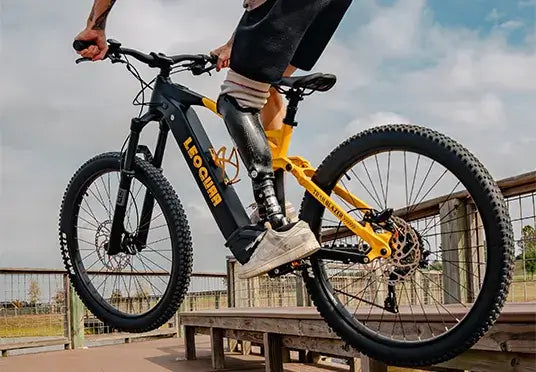
The fat tires already make your ride smooth, but suspension adds even more comfort. You have three choices that affect cost, weight, and comfort. Rigid bikes have no suspension and rely only on tire cushioning. They're lightest and need the least maintenance. Front suspension adds a shock fork that soaks up bumps from the front wheel. Full suspension has shocks front and rear for maximum comfort on rough trails. It's heaviest and most expensive but keeps your tires glued to the ground on technical terrain.
Frame Design Affects Comfort
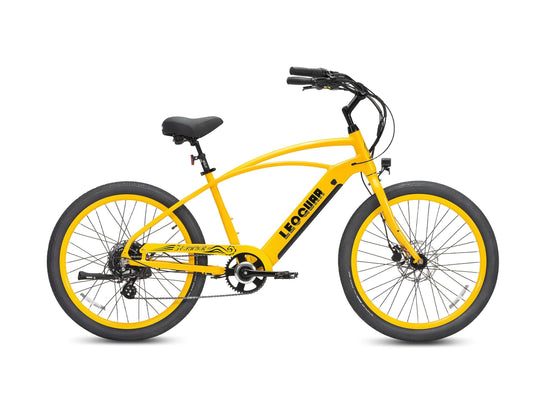
The frame holds everything together and affects how the bike fits you. Two main styles serve different needs. High-step frames have a high top tube like traditional bikes. They're strongest but harder to get on and off. Step-through frames have a low or missing top tube. Step-through designs make it super easy to mount and dismount. They're perfect for commuting, older riders, or anyone who stops frequently. Always check the size chart to get a frame that fits your height and leg length properly.
Clearing Up Wrong Ideas
People believe some false things about these bikes. Let's fix the most common mistakes.
They're Not Just for Snow
This is the biggest myth we hear. Yes, they work amazingly in snow, but they're fantastic city bikes too. The big tires laugh at potholes and roll smoothly over cracked pavement. They hop curbs easily and handle rough city streets better than any other bike. Many people buy them just for comfortable urban riding and never see snow.
They're Not Slow or Hard to Ride
Without a motor, fat tires do create more drag than thin ones. But these bikes have powerful motors designed to overcome that resistance completely. The electric assist makes them feel quick and responsive. From a stop, the high torque gives you fast acceleration. Maintaining speed feels effortless once you're moving. You'll be surprised how zippy they feel.
Weight Becomes an Advantage
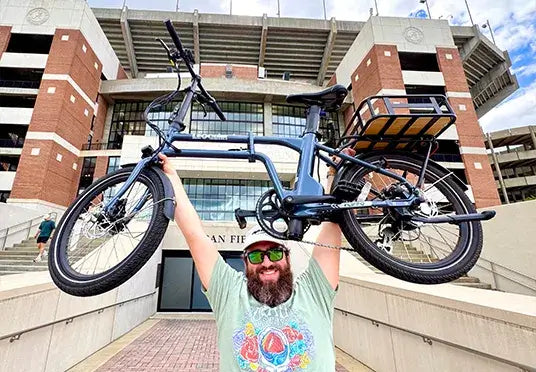
These bikes weigh 65 to 85 pounds, which is heavy. But this weight makes them incredibly stable at speed and planted on rough terrain. You feel confident and in control. If you need to store or transport your bike, many companies now make folding fat tire models. These fit in car trunks and closets when folded up.

Deciding If This Bike Fits You
Fat tire e-bikes are amazing tools, but they're not right for everyone. This breakdown helps you decide if one matches your riding goals. You'll love a fat tire e-bike if you want to explore beyond paved roads. These bikes excel at dirt roads, forest trails, beaches, and hidden paths that regular bikes can't handle. They're perfect if you need year-round transportation that works in rain, snow, and slush.
Comfort seekers will appreciate how these bikes glide over bumps instead of jarring you. The stable, forgiving ride reduces fatigue on long trips. They're also great for heavier riders or anyone carrying cargo like groceries or gear. You might prefer something else if speed and efficiency matter most to you. Racing cyclists who want the lightest, most aerodynamic bike possible should look elsewhere. People who live in apartments and need to carry bikes upstairs daily might find the weight challenging. If you only ride on perfect, smooth bike paths and never want to explore other terrain, a lighter commuter bike might serve you better.
Your Next Adventure Starts Here
You now have expert knowledge to choose the right bike. A big tire electric bike isn't just a purchase-it's your ticket to freedom and year-round fun. Think about how you'll mainly use your bike. Commuting, trail riding, and beach cruising each favor different features like electric bike suspension type and frame style. Use your main purpose to guide your choices. Read reviews and watch videos of bikes that interest you. If possible, find a local shop that offers test rides. Feeling the unique stability and power firsthand is the best way to know if it's right for you. The adventure is waiting for you to begin.
Frequently Asked Questions
How much do fat tire electric bikes cost?
Quality fat tire e-bikes typically range from $1,500 to $4,000. Entry-level models with basic features start around $1,500, while premium bikes with advanced motors and full suspension can cost $3,500 or more. Consider your budget alongside the features you actually need.
How fast can fat tire electric bikes go?
Most fat tire e-bikes are limited to 20 mph with electric assist to comply with regulations. Some models offer 28 mph speeds but may require registration in certain areas. The actual speed depends on your pedaling effort, terrain, and local laws.
Can you ride fat tire e-bikes in the rain?
Yes, most fat tire e-bikes are designed to handle wet conditions. The wide tires provide excellent traction on wet surfaces, and the electrical components are typically water-resistant. However, avoid riding through deep puddles or submerging the bike completely.
How long do the batteries last before needing replacement?
Quality lithium batteries typically last 3 to 5 years or 500 to 1,000 charge cycles before significantly losing capacity. Proper care like avoiding extreme temperatures and not fully draining the battery can extend its life. Replacement batteries usually cost $400 to $800.
Do I need a license to ride a fat tire electric bike?
In most places, no license is required for e-bikes that assist up to 20 mph and have motors under 750 watts. However, laws vary by location, so check your local regulations. Some areas treat faster e-bikes like mopeds and require registration or licenses.


Leave a comment