



Best Fat Tire Electric Bikes in 2026: Top 20-Inch and 26-Inch Picks for Every Ride Style
Why the Best Fat Tire Electric Bikes Are Gaining Popularity
You've seen them—e-bikes with huge tires that look unstoppable. These bikes can handle almost any terrain you throw at them. But with so many choices available, picking the right one feels impossible.
We tested dozens of models to solve this problem. Our team spent hundreds of hours riding these bikes on trails, city streets, and everything in between. This guide covers both 26-inch models built for serious off-road adventures and compact 20-inch models perfect for city life.
Here's everything you need to find your perfect fat tire e-bike.
Best Fat Tire Electric Bikes at a Glance: Quick Comparison
These are the best fat tire e-bikes we tested. Each model dominates its category with excellent performance and solid value.
| Model Name | Category | Wheel Size | Key Feature | Price Point |
|---|---|---|---|---|
| Aventon Aventure.2 | Best Overall | 26" | Smart Torque Sensor & Premium Build | $$$ |
| Lectric XP 3.0 | Best 20-Inch Folder | 20" | Amazing Value & Easy Storage | $ |
| Rad Power Bikes RadRover 6 Plus | Best for Off-Road | 26" | Monster Motor & Hill Power | $$ |
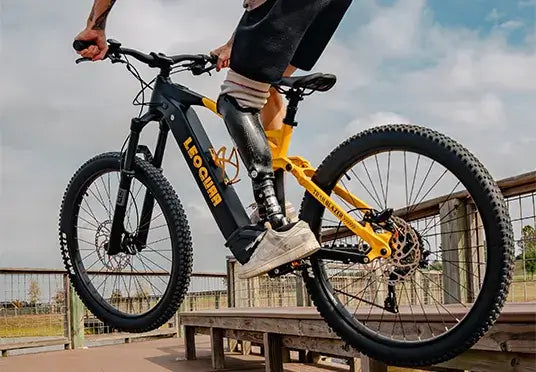
| Leoguar Fastron ST & SO | Best Value All-Terrain | 26" | Strong Motor, Fat Tires & Great Range | $$ |
| Himiway Zebra | Best for Long Range | 26" | Huge Battery & Smooth Ride | $$$ |
In-Depth Reviews of 20-Inch and 26-Inch Fat Tire eBikes
We tested these bikes on pavement, dirt trails, sand, and steep hills. Here's why each model earned its spot on our list.
Aventon Aventure.2 - Best Overall All-Terrain Beast
Who should buy this bike? Riders who want premium quality and don't mind paying for it. This bike handles daily commutes and weekend trail adventures equally well.
What makes it special is the torque sensor. This feature makes the motor respond perfectly to how hard you pedal. The bike feels natural, not like a runaway scooter. Build quality is outstanding with clean welds, built-in lights, and a sleek frame design.
The downsides? It costs more than most other options. At 77 pounds, it's also heavy and hard to lift onto bike racks.
- Motor: 750W Rear Hub (1130W Peak)
- Battery: 48V, 15Ah (720Wh)
- Brakes: Hydraulic Disc Brakes
- Weight: 77 lbs
Lectric XP 3.0 - Best 20-Inch Folder
This bike targets city riders, RV travelers, and anyone with limited storage space. You get fat tire fun without needing a garage.
The value here is incredible. For a very reasonable price, you get a powerful, comfortable folding e-bike that fits in most car trunks. The rear rack is strong enough for groceries or work bags. The step-through frame option makes getting on and off much easier.
To keep costs low, it uses a simpler sensor system that feels less smooth than premium models. The mechanical brakes work fine but don't stop as powerfully as hydraulic ones.
- Motor: 500W Rear Hub (1000W Peak)
- Battery: 48V, 10.4Ah (500Wh)
- Brakes: Mechanical Disc Brakes
- Weight: 64 lbs
Rad Power Bikes RadRover 6 Plus - Best for Off-Road
Adventure riders who spend more time on dirt than pavement will love this bike. It's built like a tank for challenging terrain.
The custom 750W motor delivers incredible torque. It powered up steep, loose dirt hills where other bikes failed. The front suspension fork has 60mm of travel, combined with 4-inch tires to smooth out rocks and ruts. The updated frame makes the bike feel balanced even on technical trails.
Like other premium models, it's quite heavy. Its off-road focus makes it feel sluggish on smooth pavement compared to commuter-focused bikes.
- Motor: 750W Geared Rear Hub
- Battery: 48V, 14Ah (672Wh)
- Brakes: Hydraulic Disc Brakes
- Weight: 73.4 lbs
Leoguar Fastron ST & SO – Best Value All-Terrain
These bikes offer impressive power and features at a mid-range price. They’re built for riders who want trail-ready performance without spending a fortune.
The highlight is a 750W rear hub motor (1000W peak) paired with a 48V 15Ah battery. We rode up to 60 miles on a single charge with moderate pedaling. Hydraulic disc brakes and 26x4.0" tires deliver smooth control on pavement, dirt, and sand. Both the step-thru (Fastron ST) and step-over (Fastron SO) frames are built for adventure.
The cadence sensor system works well and keeps the ride natural. With 5 pedal assist levels, a half-twist throttle, and a color display with USB-C charging, you get a lot for the price. At 55 lbs (without battery), it’s also one of the lighter fat tire bikes we tested.
- Motor: 750W Rear Hub (1000W Peak)
- Battery: 48V, 15Ah (720Wh)
- Brakes: Hydraulic Disc Brakes
- Weight: 55 lbs (without battery)
How to Choose the Best Fat Tire Electric Bike for Your Ride Style
Wheel size is the most important decision you'll make. It changes how the bike feels and where it works best. The choice between 20-inch and 26-inch fat tires should match your lifestyle.
| Feature | 20-Inch Fat Tires | 26-Inch Fat Tires |
|---|---|---|
| City Riding | Excellent for quick turns and tight spaces | Good but slower to maneuver |
| High Speed Stability | Good but can feel less stable on fast descents | Excellent stability at all speeds |
| Rolling Over Obstacles | Fair - smaller wheels get caught more easily | Excellent - rolls over everything smoothly |
| Storage & Transport | Excellent - often foldable and lighter | Poor - takes lots of space and very heavy |
| Best Use | City commuting, RV life, limited storage | Trail riding, long tours, maximum capability |
Choose 20-inch wheels if you need a portable bike for city riding and tight spaces. Pick 26-inch wheels when you want maximum stability and the ability to handle any terrain.
Must-Have Features in a Fat Tire eBike
Understanding these core parts will help you make a smart choice. Consumer advocacy buying guides stress that matching components to your needs is critical.
Motor Power & Type
The motor powers your bike and determines how it feels to ride. Most fat tire e-bikes use rear hub motors, which are reliable and affordable. Power gets measured in watts (W) - 500W works great for flat areas and lighter riders, while 750W handles steep hills and heavy loads better.
Some bikes use mid-drive motors located at the pedals. These offer better balance and efficiency but cost more money.
Battery Capacity & Range
Battery capacity gets measured in watt-hours (Wh). You calculate this by multiplying volts (V) by amp-hours (Ah). Higher Wh numbers mean longer range. Most fat tire e-bikes offer 600Wh to 960Wh, providing 30-60 miles of real-world range depending on terrain and rider weight.
Don't trust maximum range claims from manufacturers. Look at the Wh rating for accurate comparisons between bikes.
Brakes: Mechanical vs. Hydraulic
Brakes are a safety essential that you cannot compromise on. Fat tire e-bikes are heavy and fast, requiring serious stopping power.
Mechanical disc brakes use cables to activate the brake pads. They cost less and are easier to fix but need more hand strength and provide less power. Hydraulic disc brakes use fluid to transfer force, providing much better stopping power and control while self-adjusting for pad wear.
We strongly recommend hydraulic brakes for any fat tire e-bike.
Suspension
Front suspension forks contain springs or air chambers that compress to absorb bumps and impacts. With 4-inch wide tires, suspension isn't just about comfort - it's about control. It keeps your front wheel on the ground through rough sections, dramatically improving steering and safety on trails.

What It's Like to Own a Fat Tire Electric Bike
Riding a fat tire e-bike creates a unique experience. After years of testing, we want to share practical realities beyond the spec sheets.
The incredible fun factor cannot be overstated. There's genuine joy in effortlessly rolling over curbs, grass, and bumpy paths that stop regular bikes. These bikes open up four-season cycling, floating over sand and handling light snow when others stay home.
But there are practical considerations too. Weight is the biggest trade-off - lifting a 70-80 pound bike onto car racks or carrying it upstairs is genuinely difficult. Tire pressure makes a huge difference in how the bike rides. Lower pressure (10-15 PSI) creates a soft, grippy feel for trails, while higher pressure (20-25 PSI) makes the bike roll much faster on pavement.
Maintenance requires some planning. Finding replacement 4-inch tubes and tires can be harder and more expensive than standard bike parts. Keep a spare tube on hand for peace of mind.
Finding Your Perfect Fat Tire eBike Match
The best fat tire electric bike is the one that matches your primary riding style. Start by honestly assessing where you'll ride most often. The wheel size decision will guide you more than any other specification.
Focus on components that deliver safety and quality ride feel once you've chosen wheel size. Prioritize powerful hydraulic brakes and motors from reputable brands over chasing the highest wattage numbers. A well-built bike with quality components will provide years of reliable fun and adventure.
Frequently Asked Questions
1. Q: How fast can fat tire e-bikes go?
A: Most fat tire e-bikes can reach 20-28 mph with motor assistance, depending on local regulations. The motor cuts out at these speeds, but you can pedal faster if you want.
2. Q: Can I ride a fat tire e-bike in the rain?
A: Yes, most fat tire e-bikes are designed to handle light rain and wet conditions. However, avoid riding through deep puddles or heavy downpours to protect the electrical components.
3. Q: How much do fat tire e-bikes weigh?
A: Most fat tire e-bikes weigh between 60-85 pounds. The 20-inch folding models tend to be lighter (60-70 lbs), while 26-inch models are heavier (70-85 lbs) due to larger frames and batteries.
4. Q: Do I need special maintenance for fat tires?
A: Fat tires require the same basic maintenance as regular bike tires, but replacement parts can be more expensive and harder to find. Check tire pressure regularly and keep a spare tube since 4-inch tubes aren't available at every bike shop.
5. Q: What's the difference between a fat tire e-bike and a regular e-bike?
A: Fat tire e-bikes have much wider tires (4+ inches vs 1-2 inches) that provide better traction and stability on loose surfaces like sand, snow, and dirt. They're heavier but can handle terrain that would stop regular e-bikes.


Leave a comment