




10Ah, 15Ah, or 20Ah? Choosing the Right 48V Electric Bike Battery Size
An electric bike battery powers your entire ride. It controls how fast you go, how far you travel, and how your bike feels when you ride it. When you buy a new e-bike or want to upgrade your current one, picking the right battery is one of the most important choices you will make. Many riders find that a 48V system gives them the best mix of power and efficiency, offering much better torque and hill-climbing ability than 36V systems.
The ebike battery capacity you choose within the 48V category matters a lot. Finding the right 48V electric bike battery size means balancing range, weight, and cost perfectly. The Ampere-hour (Ah) rating tells you how much energy the battery can store, like the size of your bike's gas tank. Higher Ah ratings mean more energy storage and longer rides. Total energy gets measured in Watt-hours (Wh), which you calculate by multiplying voltage by amp-hours (V x Ah = Wh). This number gives you the best way to compare different batteries.

This guide covers the three most popular capacities for 48V systems: 10Ah, 15Ah, and 20Ah. We will explain how each one performs, how much it weighs, and when to use each type, helping you choose based on real experience and actual data.
Quick Comparison
Here's a simple overview of how these three popular 48V battery sizes compare. Use this as your starting point to see which type fits your needs best.
| Battery Size | Total Energy | Best For |
|---|---|---|
| 48V 10Ah | 480 Wh | Short commutes, flat terrain, and keeping the bike lightweight. |
| 48V 15Ah | 720 Wh | The "sweet spot" for most riders, balancing excellent daily range with manageable weight. |
| 48V 20Ah | 960 Wh | Long-distance commuters, heavy cargo hauling, steep hills, and high-power motors. |
Each size works best for different riding styles. Some focus on being light and portable, while others eliminate worry about running out of power on long rides. Your choice depends completely on how you ride, what terrain you face, and how far you travel each day.
Estimated Range
Real-world range depends on many things like rider weight, wind, hills, tire pressure, and how much you use the throttle. The table below shows what you can expect from each battery size when using Pedal Assist (PAS) compared to using only the throttle.
| Battery Size | Estimated PAS Range | Estimated Throttle-Only Range |
|---|---|---|
| 10Ah (480Wh) | 25–35 miles (40–56 km) | 15–20 miles (24–32 km) |
| 15Ah (720Wh) | 40–55 miles (64–88 km) | 25–30 miles (40–48 km) |
| 20Ah (960Wh) | 60–80+ miles (96–128+ km) | 35–45 miles (56–72 km) |
Using pedal assist makes your battery last much longer because you add your own power to help the motor. Using only the throttle drains energy much faster and cuts your total distance significantly.
Weight and Portability
The physical weight of your electric bike battery is something many people forget to consider. More capacity means more lithium-ion cells inside the battery case, which adds noticeable weight to your bike. This extra weight affects how your bike handles and how easy it is to carry around.
10Ah Battery: This lightest option weighs around 6–7 lbs (2.7–3.2 kg). The low weight makes your bike feel quick and responsive, and you can easily remove it and carry it inside for charging, which helps a lot if you live in an apartment or need to charge at work.
15Ah Battery: This middle option weighs about 9–11 lbs (4.1–5 kg). You'll notice the extra weight when lifting your bike or carrying the battery, but most riders can handle it easily, and it's worth it for nearly twice the range of a smaller battery.
20Ah Battery: This heavy option weighs 13–15 lbs (5.9–6.8 kg) or more. The heavy weight can change how your bike balances and make it feel less responsive. Carrying it any distance becomes difficult, so it works best on bikes where you can leave the battery attached while charging.
Motor Compatibility
Your battery works as part of an electrical system, and its size must match your motor's power needs. A bad match leads to poor performance and can make your parts wear out faster. The main issue is whether your battery can provide high continuous power without suffering from voltage sag.
Voltage sag happens when the voltage drops temporarily because the motor needs a lot of current, like when accelerating hard or climbing steep hills. Smaller batteries with fewer cells struggle to supply this high current, causing the voltage to drop. This makes your bike feel sluggish or suddenly lose power, and it puts stress on the battery cells and management system, possibly causing early damage.

For motors rated between 250W and 500W, a 10Ah battery usually works well. These motors don't demand as much peak power, so smaller batteries can handle them without too much strain.
For powerful 750W to 1000W motors, you should get a 15Ah or 20Ah battery. These larger batteries spread the electrical load across more cells, letting them deliver high current with minimal voltage sag. This keeps your bike feeling strong and powerful even on the steepest hills while protecting your battery's long-term health.
Which One to Buy?
Now that we've covered the technical details, let's find the perfect match for your needs.
Choose a 48V 10Ah Battery If:
You are a city commuter, student, or casual rider whose trips are predictable and fairly short. This battery works for people who want a lightweight, quick bike more than maximum range.
- Your daily round-trip stays under 15 miles consistently.
- You ride mostly on flat ground or gentle hills.
- You want a folding e-bike or need a lightweight setup for easy transport and storage.
- Your motor runs between 250W–500W.
- You're on a tight budget and want the cheapest way to get a 48V system.
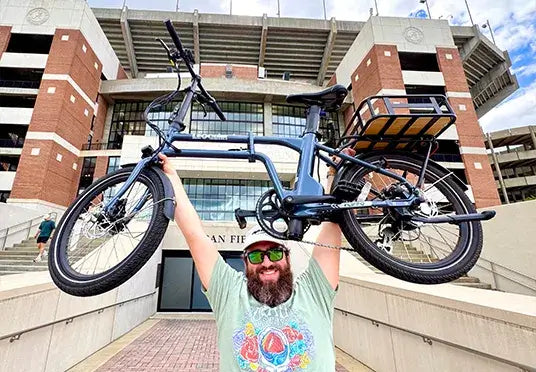
The Leoguar Flippo folding ebike shows this combination perfectly. Its 48V 10Ah (480Wh) battery gives plenty of range for city commuting while keeping the bike light and portable, which matches exactly what a folding e-bike should do.

Choose a 48V 15Ah Battery If:
You are the typical all-around rider who wants options. You want the freedom to explore, handle any reasonable daily commute, and tackle different terrain without constantly worrying about your battery dying. This gives you the best value and performance for most e-bike users.
- You want reliable daily commuting without range anxiety.
- Your rides include moderate hills or need sustained power.
- Your motor runs between 500W–750W.
- You want the absolute best balance of range, weight, and cost.
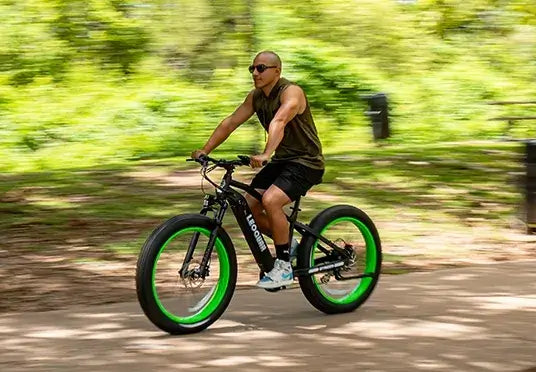
The Fastron SO Fat Tire Ebike matches this battery size perfectly. Its 48V 15Ah (720Wh) battery provides the strong power and long range needed to use its all-terrain fat tires fully, whether you're on pavement, trails, or sand.

Choose a 48V 20Ah Battery If:
You are a power user who needs maximum range and performance possible. The extra weight matters less than needing to cover long distances, haul heavy loads, or power a high-performance motor.
- You regularly ride 40+ miles in one trip.
- You use your e-bike for deliveries, pull a trailer, or ride a heavy cargo bike.
- Your motor is 750W–1000W or more, and you use the throttle frequently.
- Your route includes frequent, steep, and long hills.
This battery suits long-distance touring, professional delivery work, or enthusiasts who want to push their e-bike to its limits. The peace of mind from having a 960Wh energy reserve is the main benefit.
To help you choose the perfect match, ask yourself these final questions:
* What wattage is your e-bike motor?
* How many miles do you need to travel on your longest typical trip?
* Do you plan to use mainly the throttle or pedal assist?
Answering these questions will point you directly to the electric bike battery that serves your needs best, making sure every ride is great.
FAQ
Q: How long does it take to charge each battery size?
A: A 10Ah battery typically takes 4-6 hours to charge fully, a 15Ah battery takes 6-8 hours, and a 20Ah battery takes 8-10 hours. Charging time depends on your charger's amperage and the battery's current charge level.
Q: Can I upgrade from a smaller battery to a larger one on my existing e-bike?
A: Yes, you can usually upgrade to a larger capacity battery as long as it has the same voltage (48V) and fits your bike's mounting system. Make sure your motor controller can handle the increased capacity safely.
Q: How many years will these batteries last before needing replacement?
A: Most lithium-ion e-bike batteries last 3-5 years or 500-1000 charge cycles before losing significant capacity. Proper care like avoiding extreme temperatures and not fully draining the battery can extend its life.
Q: Is it safe to leave my battery on the charger overnight?
A: Modern e-bike batteries have built-in management systems that stop charging when full, making overnight charging generally safe. However, it's still best practice to unplug the charger once charging is complete to maximize battery lifespan.
Q: What happens if I use a battery that's too small for my motor?
A: Using an undersized battery can cause voltage sag, reduced performance, overheating, and shortened battery life. Your bike may feel sluggish during acceleration or hill climbing, and the battery management system may shut down to protect the cells.


Leave a comment