







Unisex E Bikes: 7 Problems Solved by Skipping Gender Labels
Beyond the Label
Shopping for a new electric bike often starts with a confusing choice: "men's" or "women's"? We think this old way of labeling bikes is becoming useless and outdated. A true unisex e bike isn't just a "one-size-fits-all" compromise that doesn't work well for anyone. Instead, it shows a smart design approach that focuses on making bikes adjustable and easy to use for everyone. This approach cares about real features, not marketing labels.
The main parts are low-step or step-thru frames for easy getting on and off, plus parts you can adjust like the seat, handlebars, and stem. This design idea isn't just about including everyone; it's a smart way to fix many common problems that bike riders face every day. When we stop thinking about "boy bikes" and "girl bikes," we can find a bike that gives better comfort, more uses, and better value for everyone. This article talks about seven specific problems that a well-designed unisex e bike solves.
The Industry's Big Shift
This move away from gender labels isn't just our opinion; it's a big trend across the cycling world. Many top bike companies are getting rid of "women-specific" models completely. They are replacing them with more sizes and frame shapes designed to fit many different human bodies, no matter if you're male or female.
This change is based on real data, not old ideas about how men's and women's bodies are different. As shown in an evolving industry view on gender-specific bikes, bike companies now know that a person's height and inseam are much better ways to find the right bike fit than gender. When companies focus on these measurements, they can create unisex e bikes that fit more people better, making shopping easier and more effective for customers.

7 Frustrating Problems Solved
Choosing a unisex e-bike is more than a modern choice; it's a practical one that solves real-world cycling challenges. From sharing within a household to ensuring long-term value, the benefits are clear and real. Here, we break down seven common problems and explain how an inclusive design approach provides the perfect solution.
Solving The Sharing Dilemma
For couples, families, or roommates, the "one bike, multiple riders" problem is very common. Buying separate e-bikes for everyone costs too much money and takes up lots of storage space. A unisex e bike built to be adjustable solves this problem perfectly.
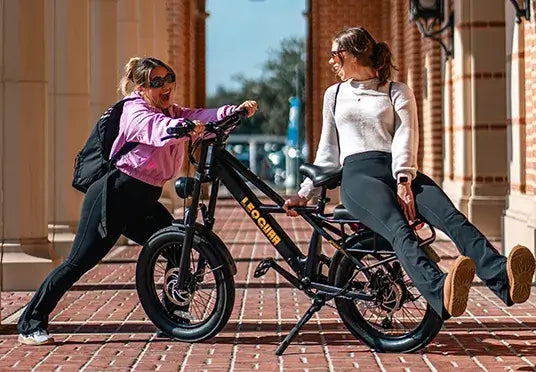
A low step-thru frame works for people of many different heights, and important parts are designed for quick changes without tools. Think about this: your partner, who is five inches shorter, just finished riding. In less than 30 seconds, you can raise the seat using a quick-release clamp and move the adjustable stem to change the handlebar position for your own comfortable, upright posture. This is the everyday convenience that makes sharing a single, high-quality e-bike work in real life.
Easy and Safe Mounting
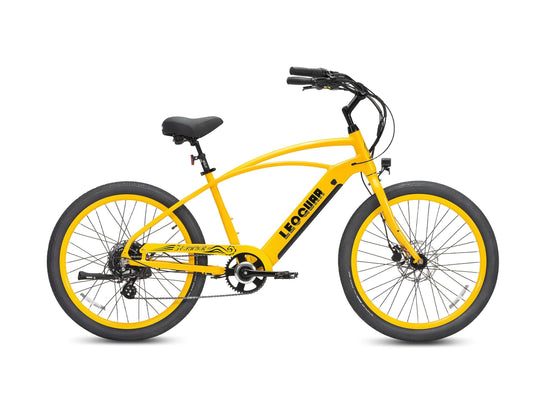
Swinging a leg over a high top tube can be awkward, uncomfortable, and sometimes even dangerous. This is hard for many riders, not just those who can't bend easily. The step-thru frame, a key feature of unisex e bikes, is the best solution, giving easy and safe getting on and off.
This feature helps a lot for:
- Riders with hip, back, or knee mobility problems.
- Commuters making frequent stops in city traffic.
- Anyone carrying cargo or a child on a rear rack.
- Riders wearing everyday clothes like jeans, a skirt, or a suit.
By removing this physical barrier, the bike becomes easier to use and encourages more frequent rides for daily errands and commutes.
Ending Uncomfortable Over-Reach
Feeling overly stretched out on a bike is a common cause of back, shoulder, and wrist pain. This "over-reach" happens when the distance from the seat to the handlebars is too long for a rider's body and arm length. While old-style bikes have a fixed reach that you can't change, modern unisex e bikes fix this with smart, adjustable parts.
They often have swept-back handlebars that bring the grips closer to the rider and, most importantly, an adjustable angle stem. This lets you change both the height and reach of the handlebars, changing your posture from a strained, aggressive lean to a relaxed, upright position. A simple side-by-side comparison would show the big difference: one rider hunched over in pain, the other sitting comfortably, in full control.
Overcoming Sizing Confusion
Gender labels can actually push buyers toward a bike that doesn't fit them well. A taller woman might skip over a "men's" large frame that would be perfect for her, while a shorter man might miss out on a "women's" small frame that fits him better. Unisex e bikes get rid of this confusion completely.
We tell buyers to ignore the sticker and focus on what really matters: the company's size chart. These charts use real measurements like rider height and inseam to suggest the right frame size. This opens up many more options for every customer, giving them better choices and better fits.
Most modern unisex e-bike models are designed around a broad fit range, with a single frame size often working for riders from 4'11" to over 6'2", ensuring a better and more comfortable fit for all.
Improving Resale Value
When you buy an e-bike, it's a big investment that costs a lot of money. It's smart to think about its long-term value and how much you can sell it for later. A bike that is heavily marketed and labeled for a specific gender automatically cuts its potential second-hand market by about 50%.
When it comes time to sell, you're looking for a very specific type of buyer, which makes it harder to find someone who wants it. In contrast, a versatile and highly adjustable unisex e bike appeals to many more people. Men, women, tall riders, short riders—they can all see themselves using the bike comfortably.
This wider appeal helps the e-bike keep its value much better over time, making it a smarter money decision from day one.
The 'Partner Won't Ride' Issue
An often-overlooked barrier to sharing a bike is how it looks. A bike with a design or color scheme that feels too "masculine" or "feminine" can make a partner or family member not want to ride it. It may seem silly, but it's a real factor in how much a shared bike gets used.
Modern unisex e bikes solve this by using clean lines, smart frame designs, and neutral or universally appealing colors. They are designed to look stylish, modern, and welcoming to everyone. This removes the looks barrier, making it something the whole household is proud to use.
Debunking Performance Myths
There's a myth that won't go away that gender-specific frames offer a big performance advantage. For the elite road racer or professional mountain biker, a frame's stiffness-to-weight ratio can provide tiny gains. However, for the 99% of us using an e-bike for commuting, fun rides, and fitness, this doesn't matter at all.
The single most important "performance" factor is a comfortable fit that makes you want to ride regularly. A poorly-fitted, gender-specific bike that causes you pain will always be "outperformed" by a perfectly-fitted unisex bike that you love to ride. Comfort is performance, because a bike that sits in the garage offers zero performance at all.
A Great Unisex E-Bike Checklist
To help you cut through the marketing noise, we've made an expert checklist. When looking at unisex e bikes, ignore the labels and look for these four key signs of a truly versatile and high-quality machine.
Frame Geometry is King: The foundation of an accessible bike is its frame design. Look for a "step-thru" or "low-step" design where the top tube is either missing or slopes down a lot, creating a very low standover height. This is the single most important feature for easy mounting and getting off, making the bike approachable for everyone, no matter their mobility or what clothes they're wearing.
Ultimate Adjustability: A great unisex e bike is like a chameleon that can change to fit different people. Check for adjustability in three key areas that matter most. First, the seat should not only move up and down but also slide forward and backward on its rails to fine-tune your position relative to the pedals. Second, look for an adjustable angle stem; this is a critical part that lets you bring the handlebars closer or push them farther away, completely changing your riding posture.
Finally, check for handlebars with a comfortable "sweep," meaning they curve back toward you, promoting a natural wrist angle.
Check the Load Capacity: A bike designed for multiple users and various tasks needs to be strong and sturdy. Don't just look at the rider weight limit; check the "total payload capacity" which is more important. This number tells you the maximum weight the bike can safely handle, including the rider, cargo, and any accessories you add. For a truly versatile utility bike, we recommend a total payload capacity of at least 275-300 lbs (approximately 125-136 kg). This ensures it can handle a heavier rider plus a full load of groceries or a child seat safely.
Understand the E-Bike Class: Not all e-bikes are created equal in terms of power and speed, so knowing the difference is important. Knowing the classification system helps you match the bike to your needs and local laws. In the U.S., there are the three classes of e-bikes that you should know about. Class 1 provides pedal-assist up to 20 mph and is the most common type.
Class 2 has a throttle and assists up to 20 mph, giving you more control options. Class 3 provides pedal-assist up to 28 mph and is faster for commuting. For leisurely path riding, a Class 1 or 2 is great and will meet most people's needs. For keeping up with city traffic, a Class 3 is often the better choice.

Real-World Family Impact
Consider the fictional Jackson family to see these benefits in action in a real situation. They invested in a single, high-quality unisex e bike to serve their diverse needs instead of buying multiple bikes. On weekday mornings, the bike is set for Mark's 6'1" frame for his 5-mile commute to the office with the seat high and handlebars positioned for efficient riding.
On Saturday, his wife Sarah, who is 5'5", takes it for a grocery run to the local market. In less than a minute, she lowers the seat with the quick-release lever and adjusts the stem to bring the handlebars up and back for a comfortable, upright ride. The low step-thru frame makes it easy for her to manage, even with bags full of groceries hanging from the bike.
Their college-age son even borrows it on weekends to meet friends across town for social activities. For the Jacksons, one smart purchase provides three distinct transportation solutions, saving them money and space while meeting everyone's different needs.
Frequently Asked Questions
Q: Can a unisex e-bike really fit both short and tall riders comfortably?
A: Yes, modern unisex e bikes are designed with extensive adjustability in mind. With features like adjustable stems, sliding seat posts, and step-thru frames, a single bike can typically accommodate riders ranging from 4'11" to over 6'2". The key is focusing on the manufacturer's size chart rather than gender labels.
Q: Are unisex e bikes as durable as gender-specific models?
A: Absolutely. Unisex e bikes often have higher payload capacities and more robust construction because they're designed to serve multiple users and various purposes. Quality unisex models typically support 275-300 lbs total payload, making them suitable for heavier riders plus cargo.
Q: Will a unisex e-bike perform as well as a bike designed specifically for my gender?
A: For 99% of riders, a properly fitted unisex e bike will perform better than a poorly fitted gender-specific bike. Comfort and proper fit are the most important performance factors for commuting, leisure riding, and fitness. Elite racers might notice marginal differences, but for everyday use, fit trumps gender-specific design.
Q: How long does it take to adjust a unisex e-bike between different riders?
A: With quality quick-release components and adjustable stems, switching between riders typically takes 30 seconds to 2 minutes. The main adjustments are seat height, seat position, and handlebar angle/height. Many families find this minor inconvenience is far outweighed by the cost savings and convenience of sharing one high-quality bike.
Q: Do unisex e bikes hold their value better than gender-specific models?
A: Yes, unisex e bikes typically have better resale value because they appeal to a much broader market. Instead of limiting potential buyers to roughly 50% of the population, a versatile unisex design can appeal to riders of any gender, height, and riding style, making them easier to sell and more valuable in the long run.


Leave a comment