



Best Bike Racks 2026: Top Hitch, Tailgate and Roof Options for Every Vehicle
Finding the Right Bike Rack
Choosing the best bike racks can feel like solving a puzzle. There are so many types, brands, and features that it becomes hard to know where to start. You have planned your trip and your bikes are ready to go. But getting them there safely is still a problem you need to solve.
This guide will help you find the answer. We have spent many hours testing, installing, and using these racks to give you clear advice. We will help you find the perfect rack for your car, your bikes, and your money, with special attention to electric bikes and truck owners. For people who need quick answers, here are our top three picks:
- Best Overall: Kuat Piston Pro X. This rack gives you easy use with one-touch arms and strong metal build that lasts for years.
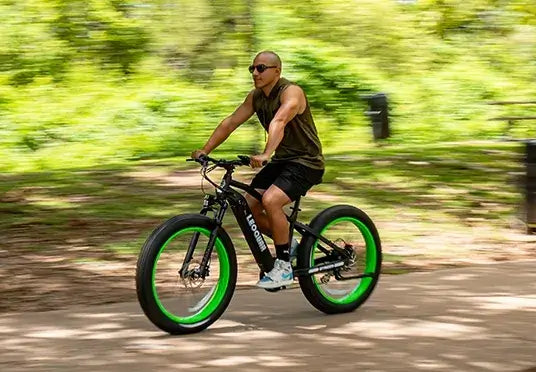
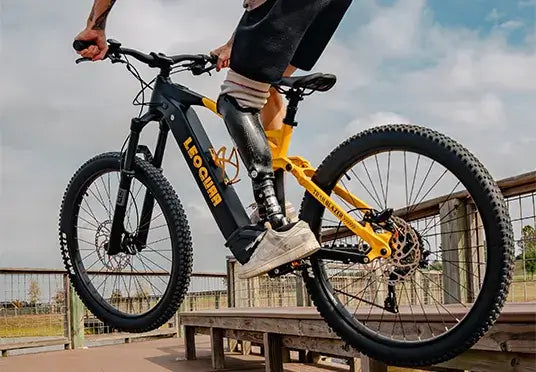
- Best for E-Bikes: Leoguar 2-Bike Hitch Rack. It holds up to 200 lbs and tilts down for easy trunk access.
- Best Value: 1Up USA Equip-D Single. This rack is super strong with all-metal parts and a design that can grow as your needs change.
How to Choose a Bike Rack
You need to answer three questions before looking at products. This simple plan helps you focus on what you need instead of what stores are selling, which helps you make a smart choice.
Your Vehicle Type
Your car, SUV, truck, or RV decides what racks you can use. It controls which types of racks will even work with your vehicle. Cars without trailer hitches can only use roof or trunk racks. Vehicles with hitches can use the most stable and strong racks available. Think about details that matter for your specific vehicle too. SUV owners should check if the rack tilts enough to let the back door open. Truck owners need to decide between using the hitch and keeping the bed free, or using a tailgate pad and keeping the hitch open for towing.
Your Bike Type
The bikes you ride matter just as much as the car you drive. Weight, frame design, and tire size will rule out many racks right away.
Weight is the most important thing for electric bikes. Many e-bikes weigh 50-70 pounds, which is too heavy for most regular racks. You must pick a heavy-duty rack made for e-bikes to move them safely. Frame design matters if you ride expensive carbon fiber road or mountain bikes. You need a rack that does not touch the frame. These are usually platform racks that hold the bike by its wheels, keeping the fragile carbon frame safe from clamps that can break it. Tire size is important if you ride fat bikes with 4-inch tires. You will need a rack with big wheel trays to fit them.
Your Biking Style
Think about how you use your bikes. Your lifestyle decides which features matter most to you. This goes beyond technical details and gets to what makes a rack right for you personally.
Weekend riders care most about speed and ease. A rack that loads and unloads fast, and stores easily during the week, works best for this group. Family haulers need racks that can carry three, four, or more bikes of different sizes, from adult mountain bikes to small kids bikes. E-bike riders focus on strength and easy loading. They need racks with high weight limits, good security features, and ideally a ramp to help with loading. Off-road riders need extreme strength and durability.
The best bike rack for trail riders has great ground clearance for rough forest roads and rock-solid stability to keep bikes secure over bumps and holes.

Main Bike Rack Types
Learning about the four main types of bike racks is your next step. Each type has clear good and bad points that match the needs you just figured out.
Hitch-Mounted Racks
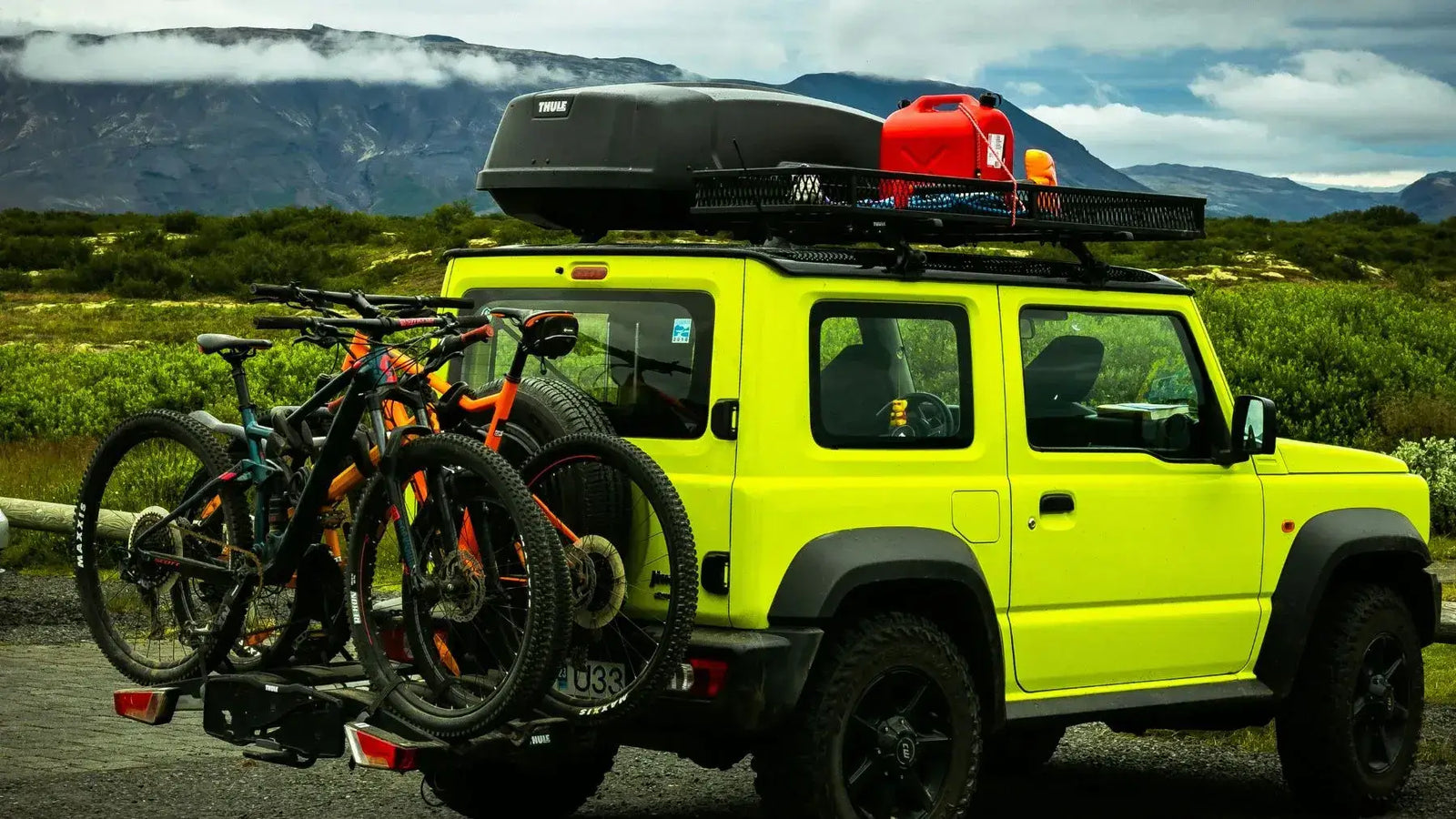
These racks slide into your car's square receiver hitch. They come in two main styles: platform racks that support bikes by their wheels, and hanging racks that hold bikes by their frames.
Good points include being very stable and secure, with little bike movement, easy loading especially with platform style, ability to handle heavy bikes, and leaving the roof free for other cargo boxes or gear. Bad points are that your vehicle must have a hitch receiver, they can be heavy and hard to store, and may block access to the trunk unless they tilt down or swing away. These work best for e-bike riders, family haulers, off-road riders, and anyone with a hitch who wants the most secure and user-friendly choice.
Roof-Mounted Racks
These systems attach to your car's factory or aftermarket crossbars. They offer a secure way to carry bikes while leaving the back of the car completely open.
Good points include clear rear view and full access to the trunk, very secure hold on the bike, and the base rack system can carry other gear like skis or kayaks. Bad points are that you must lift bikes overhead which is hard with heavy bikes, they increase wind noise and hurt gas mileage, and create risk of hitting low areas like garages. These work best for road cyclists with light bikes, people who already have roof rack systems, and those who need frequent trunk access.
Trunk-Mounted Racks
These are the most basic racks, using straps and hooks to attach to the trunk lid or back hatch of a car. They typically work with sedans or hatchbacks.
Good points include being the cheapest option usually, lightweight and easy to store, and not needing a hitch or roof bars to install. Bad points are being the least secure mounting style with higher risk of the rack moving during travel, possibly scratching or denting the car's paint if not installed carefully, and may not fit all car shapes or bike frames well. These work best for occasional cyclists, budget-conscious buyers, and owners of cars without hitch receivers.
Tailgate Pads
This is a simple but effective solution for pickup trucks. A tailgate pad is a thick, strong blanket that goes over the truck's tailgate, letting bikes hang over it with the front wheel outside the bed.
Good points include being very simple and fast to set up, ability to carry many bikes typically 5-7, and being a cheap way to haul for a group. Bad points are offering little security against theft, bikes can move and rub against each other on bumpy roads, and almost always blocking the backup camera. These work best for groups of mountain bikers going to trails and truck owners who need a quick, high-capacity solution for short trips.
In-Depth Product Reviews
After lots of testing, we found the top performers in each type. These recommendations come from real-world use, focusing on strength, ease of use, and overall value.
Best Overall Platform Rack
Kuat Piston Pro X
The Piston Pro X is simply the best of bike rack engineering. What makes it special is how easy it is to use. Loading a bike takes no effort thanks to the one-handed hydraulic arms.
You just place the bike and press a lever; the arms close smoothly around the tires with a satisfying click. There is no contact with the bike frame, making it safe for any bike. The whole rack is built from metal, with special coated parts that promise years of smooth operation. It costs more money, but it's the kind of product you buy once and trust for ten years.
Best Rack for E-Bikes
Leoguar 2-Bike Hitch Rack

The Leoguar 2-Bike Hitch Rack tackles two common challenges for e-bike riders: weight and convenience. It supports up to 200 pounds in total, or 100 pounds per bike, making it suitable for even the heaviest electric models.
Its tilt-down design allows easy trunk access without removing the bikes, while adjustable arms and anti-loosening bolts keep everything secure. Built-in reflectors improve visibility at night, and the rack folds compactly when not in use, making storage simple.
Best Value and Modularity
1Up USA Equip-D Single
1Up USA racks have a legendary reputation for lasting a long time, and the Equip-D is no different. Made entirely of aluminum in the USA, it feels like it will never break.
Its true value lies in its modular design. You can buy the single-bike base rack today and, as your needs change, buy add-on trays to carry up to four bikes. This buy-as-you-grow system is perfect for cyclists whose needs might change, from solo rider to family hauler. The design holds bikes securely by the tires and folds up into a very small and hidden profile when not in use.
Best Premium Vertical Rack
North Shore Racks NSR 6-Bike
For serious mountain bikers who shuttle with a crew, the NSR 6-Bike is the clear winner. As the original vertical rack, its design has been perfected for off-road abuse.
The unique crown-cradle system holds bikes by the fork crown, preventing any contact between handlebars, pedals, and frames which is a common problem on other racks. It provides excellent ground clearance for navigating rough roads and is built tough enough to handle the roughest shuttle days. It's a specialized tool for a specific purpose, and it does that purpose perfectly.
Best Budget Hitch Rack
Kuat Sherpa 2.0
While not the cheapest rack available, the Sherpa 2.0 offers the best mix of premium features, low weight, and good price. It's a fantastic value.
Made from lightweight aluminum, the rack weighs only 32 pounds, making it very easy to install and remove by yourself. Yet it doesn't skip on features. It includes a foot-operated pivot lever to tilt the rack down, a semi-built-in bike lock, and a tool-free hitch system that tightens the rack securely in the receiver. It's the perfect choice for someone who wants a premium experience without the top-tier price.
Best Tailgate Pad for Trucks
Race Face T2 Tailgate Pad
The Race Face T2 makes the simple tailgate pad concept much better. Where basic pads let bikes slide and bang together, the T2 has raised bumpers and individual straps that create separate cradles for each bike.
This system greatly reduces bike-on-bike contact and keeps them stable on rough roads. We were impressed by the thick, high-density foam padding and the strong, weather-resistant outer material. It also includes an adjustable rear camera window, making sure you don't have to give up safety for convenience. This is the best electric bike rack for truck owners who prefer the pad style.
Best Roof Rack System
Thule ProRide XT
For those who prefer a roof-mounted setup, the Thule ProRide XT is outstanding. Its most brilliant feature is the torque-limiting dial.
As you tighten the clamp around the bike's downtube, the dial clicks once you've reached the best, secure pressure. This completely removes the guesswork and prevents you from over-tightening and possibly damaging a delicate carbon fiber frame. It's a smart, secure, and user-friendly solution for carrying one bike at a time on your roof.
Best Trunk-Mounted Rack
Saris Bones EX 3-Bike
Trunk racks often have problems with being unstable and not fitting vehicles well, especially on modern cars with plastic spoilers. The Saris Bones EX 3-Bike solves this problem.
Its unique, arched leg design lets it fit cleanly over most spoilers, greatly increasing the number of cars it works with. It's made from 100% recycled, injection-molded plastic that is surprisingly strong and won't rust. In our testing, it proved to be the most stable and well-built trunk rack available, making it a trustworthy choice in a category filled with weak options.
Electric Bike Rack for Truck
Finding the best electric bike rack for truck presents unique challenges. Truck owners need to haul heavy bikes while often wanting to keep bed space for other gear and deal with higher bumper height.
Why Trucks are Different
A truck's high payload capacity is good, but lifting a 60-pound e-bike into the bed is serious work. Also, the higher hitch receiver on many trucks can make the slope of a loading ramp on a hitch rack quite steep. The key is to balance ease of loading, security, and the usefulness of the truck bed itself.
Top Truck Solutions
Based on these needs, three solutions stand out for moving an e-bike with a truck:
Hitch Platform Racks: This is the best all-around solution. Models like the Leoguar 2-Bike Hitch Rack or a heavy-duty 1Up USA rack provide unmatched stability and security. The ramp feature is especially valuable given the truck's height. For full tailgate access, consider pairing the rack with a swing-away adapter.
Tailgate Pads: If you can comfortably lift your e-bike, a high-quality pad like the Race Face T2 is a great option. It's fast to load and leaves your hitch free for towing. It's an excellent choice for carrying multiple bikes, including e-bikes.
In-Bed Racks: For maximum security and a completely clean look, in-bed mounts that bolt to the truck bed are an option. They hold the bike securely, but they permanently use valuable bed space and still require you to lift the e-bike into the bed.
Final Verdict
Choosing the best bike rack isn't about finding one product that's perfect for everyone. It's about finding the one that's perfect for you. By starting with the three key questions about your vehicle, your bikes, and your biking style, you can confidently narrow the field to the right type of rack. From there, you can select a model that fits your budget and feature needs.
To make it simple, our top recommendations stay strong:
- For the best overall performance, strength, and unmatched ease of use, choose the Kuat Piston Pro X.
- For e-bike owners who need high weight capacity and easy loading, the Leoguar 2-Bike Hitch Rack is the clear winner.
- For a bombproof, American-made rack that offers incredible value and can grow with you, look no further than the 1Up USA Equip-D.
Investing in the right bike rack is an investment in your hobby. It removes the single biggest hassle of getting to the ride, making sure you spend less time struggling in the driveway and more time enjoying the trail.
Frequently Asked Questions
1. Q: Can I use a regular bike rack for my electric bike?
A: Most regular bike racks cannot safely carry electric bikes because e-bikes typically weigh 50-70 pounds, which exceeds the weight limit of standard racks. You need a heavy-duty rack specifically rated for e-bikes to transport them safely.
2. Q: What's the difference between platform and hanging hitch racks?
A: Platform racks support bikes by their wheels and don't touch the frame, making them ideal for carbon fiber bikes and heavier e-bikes. Hanging racks suspend bikes from their frames and are typically lighter and less expensive but may not work well with unusual frame shapes or very heavy bikes.
3. Q: Do I need a special hitch for a bike rack?
A: Most bike racks fit standard 1.25-inch or 2-inch receiver hitches. The 2-inch receivers are generally stronger and better for heavier loads like e-bikes. If your vehicle doesn't have a hitch, you'll need to have one professionally installed or choose a roof or trunk-mounted rack instead.
4. Q: How do I know if a bike rack will fit my vehicle?
A: Check the manufacturer's vehicle compatibility guide, which lists specific makes and models. For hitch racks, ensure your vehicle has the correct receiver size. For roof racks, you'll need crossbars. For trunk racks, verify your vehicle's shape is compatible, especially if it has a spoiler.
5. Q: Are bike racks secure against theft?
A: Most quality bike racks include some form of locking mechanism to secure bikes to the rack and the rack to the vehicle. However, no lock is completely theft-proof. For maximum security, use high-quality locks, park in well-lit areas, and consider removing bikes when leaving them unattended for extended periods.


Leave a comment