





Shop Electric Bikes: Deals That Balance Price and Performance
Understanding the E-Bike Market
When you shop electric bikes, the market can feel overwhelming. You're faced with super cheap deals that seem too good to be true and expensive models that cost as much as a used car. The huge number of options makes choosing hard. This guide will help you cut through all the confusion. Our goal is to give you a clear way to find real value. We're not looking for the cheapest bike, but the best bike for you—one that balances price, performance, and long-term value perfectly. You'll learn how to figure out what performance means for your needs, check the parts that really matter, and find deals that don't sacrifice quality.
What E-Bike Performance Really Means
Performance gets talked about a lot, but it's more than just top speed. Real performance is about how the bike feels when you ride it, how well it handles your daily needs, and how reliable it stays after thousands of miles. It's about ride quality, not just numbers on paper. Let's look at the four main parts of e-bike performance.
Motor Power and Type
The motor is your e-bike's heart. Power gets measured in Watts (W) and torque in Newton-meters (Nm). Watts show how much power the motor can keep going, while torque tells you how well it can speed up from a stop and climb hills. You need a high-torque motor (60 Nm or more) if your ride has steep hills.
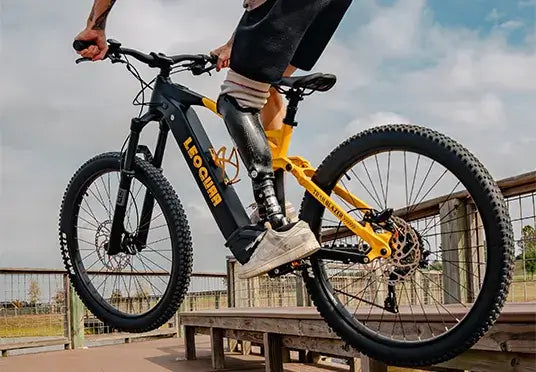
You'll see two main types: hub-drive and mid-drive motors. Hub motors sit in the wheel and work great for most people. Mid-drive motors sit by the pedals and feel more natural when you pedal, plus they're better for tough terrain and serious climbing, but they cost more.
Battery and Range
The battery is like your e-bike's gas tank. We measure its size in Amp-hours (Ah) or Watt-hours (Wh), which you get by multiplying Volts by Amp-hours. A bigger Wh number means a larger tank and more range.
Don't pay extra for range you won't use. A 10-mile flat ride needs way less battery than a 40-mile hilly trip. A typical 500Wh battery gives you 25-50 miles of range, but this changes based on hills, how much help you use, your weight, and even tire pressure.
Brakes and Drivetrain
Fast bikes need to stop safely. This can't be compromised. Look for disc brakes because they stop better in all weather than old rim brakes. You'll find two types: mechanical and hydraulic. Mechanical disc brakes use cables and are easier to fix, while hydraulic brakes use fluid and give you more powerful, steady, and smoother stopping with less effort.
The drivetrain includes the gears, chain, and shifters. Parts from known brands like Shimano or SRAM, even basic ones, show quality and reliability. They work better and last longer than unknown brands.
Frame and Comfort
A bike you don't like riding will just sit in your garage. A good ride starts with a well-built frame and comfortable contact points. Most affordable e-bikes use aluminum frames, which balance strength, weight, and cost well.
Look for comfort features. A suspension fork smooths out bumps on rough roads. Good grips and a comfortable seat can change your ride from work into fun. These details show a bike made for real use.
E-Bike Price Ranges
Understanding what you get at different prices helps manage your expectations and focus your search. We've split the market into three main groups.
| Price Range | What You Get | Best For |
|---|---|---|
| Under $1,200 | Basic hub motors (often under 500W), smaller batteries (less than 500Wh), mechanical disc brakes, and basic parts. | Casual riders, short flat rides, or people trying e-bikes without spending a lot. |
| $1,200 - $2,500 | Powerful hub motors (500W-750W) or basic mid-drives, bigger batteries (500Wh-750Wh), hydraulic disc brakes, and name-brand parts (like Shimano Altus/Acera). | Daily commuters, riders dealing with some hills, and anyone wanting a reliable main way to get around. This range gives the best value. |
| $2,500+ | High-torque mid-drive motors (Bosch, Brose, Shimano), built-in batteries, premium suspension, and high-end parts. Frames might be lighter. | Enthusiasts, long-distance riders, serious off-road users, and those who want the latest technology and best performance. |
The $1,200 to $2,500 range is where most people find their perfect bike. Based on our experience and what industry experts say, this segment gives you the highest ratio of quality and performance for every dollar. You get reliable, name-brand parts and solid performance without paying for premium features you might not need.
Your Value-Focused Checklist
Before you buy, check any potential e-bike against this list. It helps you see past the marketing and judge the real, long-term value of a deal.
Is the battery UL-Certified? This is the most important question you can ask. UL 2849 or UL 2271 certification means the battery and electrical system have been tested hard to prevent fires. This critical safety standard should never be negotiable. If a brand doesn't advertise it, ask, and if they can't confirm it, walk away.
What warranty do you get and who backs it? One year on the frame and electronics is standard. Two years shows the maker trusts their product. Just as important is who honors that warranty—is support handled by a responsive, US-based team you can actually reach?
Are the parts from known brands? Look for names you recognize, even on small parts. Brakes from Tektro, tires from Kenda, and gears from Shimano are all good signs. These companies have reputations to protect and their parts are usually more reliable and easier to service or replace than unknown alternatives.
How good is the service and support? We've seen many riders get frustrated after buying a cheap online bike, only to find that no local bike shop will work on it. An e-bike is complex, and it's useless if it can't be maintained. Look for brands with partner shops or a clear plan for help after you buy—this support is a huge part of a bike's overall value.
Does the bike fit my actual needs? Go back to the performance basics. Don't get talked into a 750W motor and 70-mile range if your daily ride is five miles on flat paths. Be honest about how you'll use it, because as top review sites always stress, your lifestyle, location, and budget matter most in choosing the right bike.
How to Shop Deals Like a Pro
Finding a great deal means more than just looking at sale pages. It's about smart timing and knowing where to look.
Timing Matters
The best discounts show up at specific times each year.
* Seasonal Sales: When summer ends, many brands and shops offer fall discounts to clear out this year's stock before new models arrive.
* Holiday Sales: Big shopping holidays like Black Friday, Cyber Monday, and President's Day are perfect for e-bike deals.
* New Model Releases: When a brand launches a new version, last year's model often gets sold at a big discount, giving you fantastic value.
Look Beyond Big Box Stores
Many of the best value brands sell Direct-to-Consumer (DTC). By selling online and shipping straight to you, they cut out the middleman and pass savings to you. While you might need to do some final assembly yourself, the value is often too good to pass up.
Consider Certified Refurbished
For those wanting premium performance without the premium price, certified refurbished or open-box models are a great choice. These are often returns or demo bikes that have been checked, serviced, and certified by the maker. You get a like-new bike at a big discount, usually with full or partial warranty.
Understand the Sale
Not all sales are real deals. Be smart and do your homework. Check the bike's price history if you can and compare its parts to similarly priced bikes. A bike with a huge discount that still uses low-quality, no-name parts might not be a deal at all.

Making Your Final Choice
The best e-bike is the one that makes you excited to ride. After you've narrowed your choices using the guides above, a few final steps will make sure you buy something you'll love for years.
Why Test Rides Matter
If possible, ride the bike before you buy it. Nothing replaces feeling how a bike handles, how the motor kicks in, and how the frame fits your body. Many DTC brands have partner showrooms or demo events, and if you're looking at a brand sold in local shops, a test ride is a must.
Assembly and First Service
Think about how the bike arrives. Will it be put together professionally at a shop, or will it come in a box to your door? If you're not handy with tools, factor in the cost of having a local bike shop assemble it—typically $100-$200. All new bikes also have a break-in period, so plan for a professional tune-up after your first 100-200 miles to adjust cables and make sure everything runs smoothly.
With this guide, you can now navigate the market with confidence. The goal isn't just to shop electric bikes, but to become a smart buyer who can spot real quality and invest in a machine that will bring you joy, freedom, and usefulness for years to come. When you shop deals on electric bikes, remember that the best value comes from finding the right balance of features for your specific needs. Happy riding.
Frequently Asked Questions
Q: How much should I spend on my first e-bike?
A: For most first-time buyers, the $1,200 to $2,500 range offers the best value. This price range gets you reliable components, good performance, and proper safety certifications without paying for premium features you might not need yet.
Q: What's the difference between hub-drive and mid-drive motors?
A: Hub motors are located in the wheel and are great for flat terrain and casual riding. Mid-drive motors are positioned by the pedals, feel more natural when pedaling, and perform better on hills and rough terrain, but they typically cost more.
Q: How important is UL certification for e-bike batteries?
A: UL certification is extremely important for safety. UL 2849 or UL 2271 certification means the battery has been rigorously tested to prevent fires and electrical issues. Never buy an e-bike without proper battery certification.
Q: What kind of range can I expect from an e-bike battery?
A: A typical 500Wh battery provides 25-50 miles of range, but this varies greatly based on terrain, how much motor assistance you use, your weight, weather conditions, and tire pressure. Consider your actual riding needs rather than maximum possible range.
Q: Should I buy an e-bike online or from a local shop?
A: Both have advantages. Local shops offer test rides, professional assembly, and ongoing service support. Online direct-to-consumer brands often offer better value for money but may require self-assembly and have limited local service options. Consider your mechanical skills and local service availability when deciding.


Leave a comment