





Shifter Cable Replacement Cost: What You'll Pay on a Bike or Ebike
The Short Answer: What's the Bottom Line?
When your e-bike shifting becomes unreliable, a new shifter cable is often the solution. On average, you can expect the shifter cable replacement cost for an electric bike at a professional bike shop to range from $75 to $200. This total combines two main factors: the cost of the new cable and housing plus the mechanic's time to do the work.
This price is a general estimate that can change based on several factors. The final bill depends on your bike's specific design, the shop's hourly labor rate, and the quality of the parts you choose. A simple external cable replacement on a basic e-bike will cost less, while a bike with complex internal routing and integrated electronics will cost more.
Breaking Down the Cost: A Detailed Look
To understand the total shifter cable replacement cost, you need to see how the bill splits between parts and labor. This helps you understand what you are paying for and why prices vary from one bike to another.
Parts Cost: Not All Cables Are Created Equal
The physical parts—the inner wire and the outer housing—are a small part of the total cost, but quality matters for performance and how long they last. E-bikes use the same types of cables as regular bicycles, though they may need longer lengths of housing due to larger frames.
- Standard Cable Kits ($15 - $30): These are the basic workhorses that get the job done reliably. Brands like Jagwire and Shimano offer excellent entry-level kits that work well for most riders.
- Coated/Performance Kits ($35 - $75+): For riders who want the smoothest possible shifting, these kits offer a big upgrade. The inner cables have a special coating that helps them glide easily inside the housing, making shifts feel lighter and more precise.
- Premium Sealed Kits ($75+): These cables last the longest in harsh conditions like rain and mud. They include extra seals and liners to keep dirt and water out of the housing, which helps the cable last longer and work better between services.

Labor Cost: The Price of Expertise
Labor makes up the biggest part of the shifter cable replacement cost. A shop's hourly rate usually ranges from $75 to $150 per hour. The replacement involves more than just threading a new wire-it requires several careful steps.
First, the mechanic removes the old cable and housing carefully. Then they cut the new housing to the perfect length and route the new cable through the frame and shifter. Next, they attach the cable to the gear changer and pull it to the correct starting tension. The most important step is tuning, where the mechanic adjusts the gear changer's limit screws and barrel adjuster to make sure the chain moves perfectly between each gear. Finally, they test everything to make sure it works perfectly.
The time needed can range from 30 minutes for a simple, externally routed bike to over 90 minutes for a complex, internally routed e-bike.
| Cost Component | Typical Price Range | Key Factors Influencing Cost |
|---|---|---|
| Parts (Cable & Housing) | $15 - $75+ | Standard vs. Performance/Coated, Brand (Shimano, Jagwire) |
| Labor (Professional) | $60 - $125+ | Bike shop's hourly rate, complexity of the bike, internal routing |
| Estimated Total | $75 - $200+ | Combination of the above factors |
The E-Bike Factor: Why Your Bike Costs More
You might wonder why a shifter cable replacement cost on an e-bike is often higher than on a regular bike. The parts are the same, but the work is more involved due to how e-bikes are built. Here are the four main challenges a mechanic faces when working on electric bikes.
Challenge 1: Complex Internal Routing
Most modern electric bikes hide their cables inside the frame to look clean and protect cables from damage. While this looks nice, it makes a mechanic's job much harder. They must guide the new cable and housing through a frame already crowded with wires for the battery, motor, and display. This requires special tools and a lot of patience, like performing surgery through a small opening.
Challenge 2: Working Around Motor and Battery
The motor or large electric bike battery often blocks the cable's path through the frame. On some models, the motor or battery mount may need to be loosened or partially removed just to reach the entry and exit points for the shifter housing. This adds extra steps to the process that don't exist on regular bikes, which directly increases the labor time.
Challenge 3: Integrated Electronics and Sensors
Many mid-drive ebikes have a part called a shift sensor. This smart device cuts motor power for a split second when you shift gears on electric bike, reducing stress on your chain for smoother changes under load. The shifter cable runs directly through this sensor, so during a replacement, the mechanic must carefully take apart this connection and correctly put the new cable back in. It's an extra step that only e-bikes need and requires careful work and knowledge.
Challenge 4: Heavier and Bulkier Frames
This is a small but real factor in the overall cost. E-bikes weigh much more and are more awkward to handle than regular bikes. Moving a 50-70 lb bike on and off a repair stand and rotating it to reach different parts simply takes more effort and time. This handling time is a small but real part of the overall labor charge.
DIY vs. Hiring a Pro: Making the Right Choice
With labor being the biggest expense, you may want to try the job yourself. For some people, this is a great option that saves money and teaches a new skill. For others, it can lead to a frustrating day and a bike that shifts worse than before.
The Case for DIY Replacement
The biggest benefits of doing your own shifter cable replacement are saving money on labor and learning a new skill. If you are good with tools and mechanical work, this is definitely something you can learn to do.
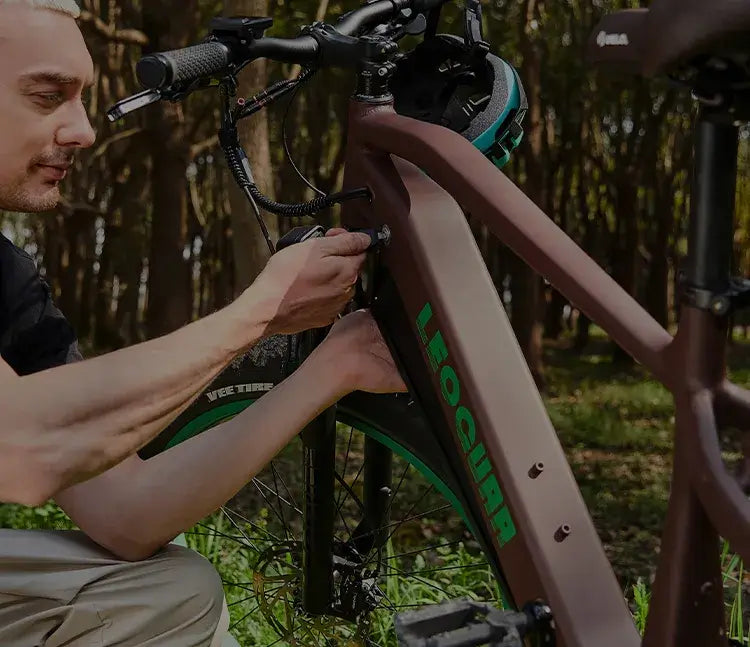
When we do this job in our workshop, the most important tools are high-quality cable and housing cutters. Using regular pliers will crush the housing and damage the cable, leading to poor shifting from the start. We also make sure to have hex keys for the gear changer bolts and a sharp pick to help guide the cable through tricky frame openings. Finally, new ferrules (the caps on the housing ends) and a cable end crimp are needed for a clean, professional finish.
Essential Tools for DIY:
- High-quality bicycle cable and housing cutters
- Set of metric hex keys (usually 4mm and 5mm)
- Needle-nose pliers
- A new shifter cable and housing kit
- New ferrules and a cable end crimp
When to Call a Professional Mechanic
While DIY work can be rewarding, there are clear situations where calling a pro is smarter, safer, and more efficient. A professional guarantees the job is done right, ensuring your bike is safe and shifts perfectly every time.
Call a pro if:
- You are not confident in your mechanical skills
- Your e-bike has complex internal cable routing and you don't have guide tools or experience
- You are not comfortable with the fine-tuning needed to make gears shift perfectly
- Your e-bike has a shift sensor that must be correctly installed on the new cable
- You lack the specific tools, especially proper cable and housing cutters
- Your time is valuable and you want a guaranteed, perfect result without the hassle
Know the Signs: When to Replace Your Cable
How do you know if your shifting problems are due to a bad cable? Cables and housing wear out over time from friction, dirt, and metal fatigue. As the legendary Sheldon Brown noted, cables are a wear item and need regular replacement. Look for these common warning signs:
- Sloppy or Spongy Shifting: The shifter lever feels mushy and lacks the crisp, clicky feedback it once had. This often happens when a cable stretches or housing gets compressed over time.
- Delayed Shifts: You click the shifter, but there's a noticeable pause before the gear actually changes. This points to too much friction in the system, where the cable struggles to move inside the housing.
- Inability to Shift: The shifter lever moves, but nothing happens at the gear changer. This almost always means the cable has broken, usually at the head inside the shifter or at the gear changer clamp bolt.
- Visible Frayed Wires: Check the cable where it enters the shifter and where it's clamped at the gear changer. If you see even one or two broken wire strands, the cable is damaged and about to fail completely, so replace it right away.
- Grinding and Noise: If your gears grind consistently or you can't get the gear changer to quiet down with adjustments, it could be that a worn cable isn't letting the gear changer move to its exact position for each gear.

A Note on Electronic Shifting
It's important to mention that more high-end e-bikes now come with electronic shifting systems like Shimano Di2 or SRAM AXS. These systems do not use steel cables like traditional systems do. Instead, they use electrical wires (Di2) or wireless signals (AXS) to tell the gear changers to move.
If you have one of these systems, shifting problems are diagnosed in a completely different way. Issues usually relate to a dead battery, a loose connection, or a part failure rather than cable problems. Troubleshooting involves checking battery levels, making sure connections are secure, and sometimes using a diagnostic app. Repair costs are not related to shifter cable replacement cost and can be much higher if a part like a gear changer or shifter needs replacement. For issues with these systems, check the official Shimano technical documents or SRAM's service portal.
Final Thoughts: Investing in a Smooth Ride
While a shifter cable replacement cost of $75 to $200 might seem like just another maintenance expense, it's one of the best investments you can make in your riding experience. Crisp, reliable shifting is essential to enjoying your smart commuter ebike, whether you're commuting to work or exploring new trails on the weekend.
Remember that the higher cost for e-bike service comes from the added complexity of internal routing, motors, and sensors—not from different parts. Whether you decide to learn the skill of DIY replacement or trust your bike to a professional mechanic, fixing a worn-out cable is important maintenance. It brings back your bike's performance, protects your expensive drivetrain parts from wearing out too soon, and makes sure every click of your shifter results in a perfect, quiet gear change.
Frequently Asked Questions
Q: How often should I replace my electric bike shifter cable?
A: Most shifter cables last 1-3 years depending on how often you ride and the conditions you ride in. If you ride daily or in wet, muddy conditions, you may need replacement annually. Light recreational riders might get 2-3 years from a cable.
Q: Can I use regular bike cables on my e-bike?
A: Yes, e-bikes use the same shifter cables as regular bikes. However, e-bikes may require longer housing due to larger frames and different routing paths. Make sure to get the correct length when purchasing replacement parts.
Q: What's the difference between doing it myself versus paying a shop?
A: DIY replacement can save you $60-125 in labor costs but requires proper tools and mechanical skills. Professional installation guarantees proper adjustment and function, especially important for e-bikes with complex internal routing or shift sensors.
Q: Why does my e-bike cable replacement cost more than a regular bike?
A: E-bikes have more complex internal routing, motors and batteries that block access, and often include shift sensors that require careful handling. These factors increase labor time from 30 minutes to potentially 90 minutes or more.
Q: How do I know if my shifting problems are from the cable or something else?
A: Cable problems usually cause spongy shifter feel, delayed shifts, inability to shift, or visible frayed wires. If your bike has electronic shifting (Di2, AXS), problems are more likely battery or connection related rather than cable issues.


Leave a comment