




Motorized Pedal Bicycle: Rules, Access Limits, and Real-World Use
Defining the Motorized Bicycle
Electric bikes are becoming more popular every day. But this has created a lot of confusion about what they are and where you can ride them legally. This guide will help clear up that confusion by explaining the rules and classifications in simple terms. We want to give you the knowledge you need to ride safely and legally.
Let's start with the basic terms. A "motorized pedal bicycle" is a type of electric bicycle that has a motor to help you pedal, not replace your pedaling completely. This makes it very different from a moped or motorcycle. Most states use a 3-Class System to organize these bikes into categories. Understanding this system is the most important step to knowing e-bike laws.
The federal government sets basic rules for these bikes. The Consumer Product Safety Act defines a "low-speed electric bicycle" as a bike with working pedals, a motor under 750 watts, and a top speed of 20 mph with motor help. These federal rules mainly control how bikes are made and imported. State and local laws decide where and how you can actually ride them. Here's how the classification system works:
| Feature | Class 1 | Class 2 | Class 3 |
|---|---|---|---|
| Motor Assist | Pedal-Assist Only | Pedal-Assist & Throttle | Pedal-Assist Only |
| Max Assisted Speed | 20 mph | 20 mph | 28 mph |
| Motor Wattage (Typical U.S. Limit) | 750W | 750W | 750W |
| Common Use Case | Bike paths, multi-use trails | Urban commuting, leisure | Fast commuting, road riding |
Class 1 bikes only help when you pedal and stop helping at 20 mph. Class 2 bikes also stop at 20 mph but have a throttle that can power the bike without pedaling. Class 3 bikes help you pedal up to 28 mph but don't have a throttle.
Navigating Key Regulations
The most important thing to remember is that laws change from state to state and city to city. The 3-Class system helps organize things, but your local rules determine where you can actually ride. Always check your local laws before you start riding.
Federal, State, and Local Laws
Think of e-bike laws as having three levels.
- Federal Law: This defines what makes an e-bike different from a motorcycle or moped for manufacturers.
- State Law: This is where most riding rules come from, including age limits, helmet rules, and where you can ride.
- Local Law: Cities and parks make the final decisions about their specific bike paths and trails.
Common Regulations to Know
You need to check your local laws, but many places have similar rules. Here are the key things to look up for your area:
- Age Restrictions: Many states require riders to be at least 14 or 16 years old, especially for Class 3 bikes.
- Helmet Laws: Bike helmet rules often depend on the bike class and how old the rider is.
- Licensing & Registration: Most e-bikes don't need a driver's license, registration, or insurance, which is a big advantage over mopeds.
- Speed Limits: Just because your bike can go 28 mph doesn't mean you can ignore posted speed limits.
The PeopleForBikes' state-by-state guide is a good place to start looking up rules. For the most accurate information, check your state DMV website.
Understanding Trail Access
"Where can I ride it?" is the question we hear most often. The answer usually depends on what class your e-bike is, since land managers use these classes to decide who can use their trails.
On-Street Bike Lanes
If regular bikes are allowed, e-bikes usually are too. All three classes can typically use public roads and painted bike lanes. Class 3 bikes work especially well on roads because their 28 mph speed helps riders keep up with traffic safely.
Multi-Use Paths
These paved paths are shared by walkers, skaters, and cyclists, so the rules are much stricter. Class 1 e-bikes are accepted almost everywhere. Class 2 ebikes are sometimes allowed, but you might not be able to use the throttle. Class 3 bikes are often banned completely because they're considered too fast for mixed-use areas.
Mountain Bike Trails
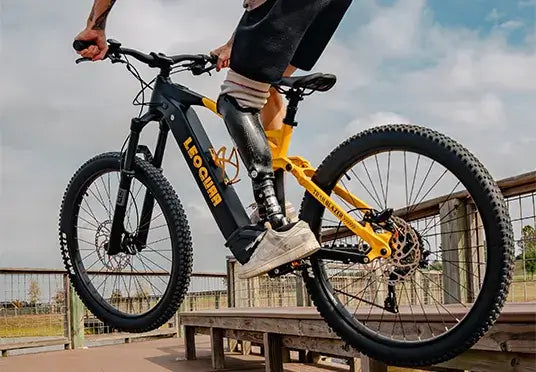
Trail access for mountain biking is the most complicated area. Each land manager sets their own rules, whether it's a city, state park, or federal agency like the Bureau of Land Management. Electric mountain bikes have created a lot of debate in the biking community. Some trails welcome Class 1 e-mountain bikes, while others stick to a strict "no motors" policy. Always look for signs at the trailhead and check the land manager's website before riding.
Real-World Use Cases
Understanding specs and laws is important, but how does a pedal motor bicycle actually change your daily life? We see it making a real difference for people every day by solving problems and creating new opportunities.
The Urban Commuter: Beating the Traffic
Many commuters who used to drive or take trains now ride past traffic jams on their e-bikes. They get to work feeling energized instead of sweaty because the motor helped them up hills. Class 2 or 3 bikes let them keep up with city traffic safely. Over a year, they save thousands of dollars on gas, parking, and train tickets while getting exercise every day.
The Suburban Parent: The Ultimate Errand-Runner
Parents love turning boring errands into fun family activities with e-bikes. You can add child seats or cargo baskets to carry groceries or take kids to the park. The motor makes it easy to start moving even when the bike is loaded down, turning it into a real car replacement for local trips.
The Recreational Rider: Exploring Further
E-bikes help people with different fitness levels ride together. Couples can finally enjoy long rides when one person uses a little motor assistance to keep up. Older riders who thought they couldn't bike anymore can explore long trails without worrying about getting too tired to make it back. The motor isn't about avoiding exercise - it's about making adventures possible that might otherwise be too difficult.

Choosing Your Perfect Ride
Picking the right pedal motor bicycle is about understanding what you need, not just looking at technical specs. Answer a few simple questions about how you want to ride, and you can choose a bike that fits your life perfectly.
1. How do you want to ride: Pedal-assist or throttle?
This choice determines whether you want a Class 1/3 or Class 2 bike. Pedal-assist bikes feel like regular bicycles that are just more powerful - the motor only works when you pedal. Throttle bikes let you cruise without pedaling at all, like a motorcycle.
2. What is your terrain: Hills or flats?
Be honest about the hills in your area. Steep hills need more powerful motors with high torque (measured in Newton-meters). Flat areas can work fine with smaller, lighter motors.
3. What is your daily distance?
Battery capacity is measured in watt-hours (Wh), and bigger numbers mean longer range. For 10-mile daily rides, a 400-500Wh battery works well. For 40-mile weekend trips, look for 600-750Wh batteries or dual-battery systems.
4. Where will you ride: Paved paths or rugged trails?
Your riding surface should guide your choice. Don't buy a Class 3 bike if you'll only ride on paths where they're banned. Choose a Class 1 for bike paths, Class 3 for road commuting, or an e-mountain bike for off-road adventures.
5. What kind of ride feel do you want?
E-bikes use two types of sensors to control the motor. Cadence sensors work like an on/off switch - they give you power as soon as you start pedaling. Torque sensors are more advanced - they measure how hard you're pedaling and add power based on your effort. Torque sensors create a much more natural riding experience that feels like you just have super-strong legs.
Frequently Asked Questions
Q: Do I need a driver's license to ride a motorized pedal bicycle?
A: In most states, you don't need a driver's license, registration, or insurance for Class 1, 2, or 3 e-bikes. This is one of their biggest advantages over mopeds. However, some states have minimum age requirements, so check your local laws.
Q: Can I ride my e-bike in the rain?
A: Most e-bikes are designed to handle light rain and wet conditions, but they're not completely waterproof. Avoid riding through deep puddles or heavy downpours. Always dry off your bike after wet rides and store it in a dry place.
Q: How far can I ride on a single battery charge?
A: Range depends on battery size, terrain, rider weight, assist level, and weather. Most e-bikes can go 20-50 miles on a single charge. Factors like steep hills, heavy loads, and high assist levels will reduce your range.
Q: What happens if my battery dies while I'm riding?
A: You can still pedal an e-bike like a regular bicycle when the battery is dead. It will be heavier than a normal bike, but it's completely rideable. This is why e-bikes have functional pedals - they're not just for show.
Q: Are e-bikes allowed on all bike paths and trails?
A: No, access varies greatly by location and bike class. Class 1 e-bikes have the widest access, Class 2 bikes are sometimes restricted, and Class 3 bikes are often banned from multi-use paths. Mountain bike trails have their own rules set by individual land managers. Always check local signage and regulations before riding.



Leave a comment