




Electric Bicycle Buy Online: How to Avoid Costly Mistakes
When you decide to electric bicycle buy online, you open a door to incredible variety and value. The excitement is real: finding that perfect bike that promises freedom, fitness, and a fun new way to travel. But so is the fear. The thought of spending thousands on a machine you've never touched, only for it to arrive damaged, be the wrong size, or have zero service support, is a valid concern.
So, can you find a fantastic e-bike online without the risk? Yes, absolutely. But the process requires more diligence than simply comparing prices and features. It requires a strategy. We've been through this process countless times and have seen the common pitfalls. This guide is our roadmap for you, designed to walk you through the critical steps to avoid costly mistakes and turn your online purchase from a gamble into a confident investment. We'll cover pre-purchase research, identifying hidden costs, understanding warranties, and exactly what to do when that big box arrives at your door.
The Pre-Purchase Checklist
Before you get close to the "add to cart" button, a structured research phase is necessary. This is where you prevent the most common and expensive errors, like buying the wrong type of bike or choosing a questionable brand.
Define Your Riding Needs
First, be honest about how you will use the bike. It's easy to be swayed by aggressive marketing, but your daily reality should guide your choice. Ask yourself these questions:
- Where will I ride most? Paved city streets, steep neighborhood hills, gravel paths, or technical trails?
- How far is my typical ride? A three-mile commute or a 30-mile weekend adventure?
- What will I carry? Just myself, or will I need to haul groceries, a laptop bag, or even a child?
Your answers point directly to the right category of e-bike:
- Commuting: Look for integrated fenders, lights, and rear racks for carrying essentials. Comfort and reliability are key.
- Trail/Adventure: Focus on front suspension (or full suspension), higher motor torque for climbing, and durable, knobby tires.
- Leisure/Cruising: A relaxed, upright riding position and a step-through frame for easy mounting are common features.
- Cargo/Utility: Focus on a robust frame, high payload capacity, and a stable, long wheelbase.

Decode Important Specs
E-bike spec sheets can be overwhelming. Let's simplify and focus on the "Big Three" that determine the ride feel, safety, and performance.
Motor: You'll see Hub-drive and Mid-drive. A hub motor (in the wheel) is often found on more affordable bikes and is great for flatter terrain. A mid-drive motor (at the pedals) provides a more natural, balanced feel and excels at climbing hills because it leverages the bike's gears. Don't focus too much on wattage; torque, measured in Newton-meters (Nm), is a better indicator of climbing power. 80 Nm or more is excellent for steep hills.
Battery: Capacity is measured in Watt-hours (Wh). A higher number generally means more range, but this is always an estimate. Your weight, the terrain, and your level of pedal assist will dramatically affect actual mileage. The most critical factor, however, is safety. Only consider bikes with UL 2849 certified batteries, which have undergone rigorous testing to prevent fire hazards.
Brakes: You'll find mechanical and hydraulic disc brakes. Mechanical brakes use a cable and are simpler to maintain but offer less stopping power. Hydraulic brakes use fluid and provide far superior, more controlled stopping power with less hand effort. For a heavy, fast e-bike, we consider hydraulic brakes an essential safety feature.
| Feature | Casual Commuter | Hill Climber / Adventurer |
|---|---|---|
| Motor | Hub Drive (500W), ~50Nm Torque | Mid-Drive, 750W+, 85Nm+ Torque |
| Battery | 400-500Wh, UL Certified | 600Wh+, UL Certified |
| Brakes | Mechanical Disc (Good) | Hydraulic Disc (Essential) |
DTC vs. Local Shops
You have two main purchasing channels. Direct-to-Consumer (DTC) brands sell exclusively online, offering lower prices and a huge selection. The trade-offs are that you must assemble the bike yourself, you can't test ride it, and getting service can be a challenge. Brands sold through a Local Bike Shop (LBS) cost more, but they come with professional assembly, the chance for a test ride, and ongoing service support. A smart hybrid approach is to do your research online, then check if any DTC brands you like have showrooms or partner shops in your area.
Vet The Online Seller
Not all online brands are created equal. Before you trust a company with your money, look for these signals of a reputable seller:
- A professional website with a clear physical address and a working phone number.
- Transparent, easy-to-find warranty and return policies. If they're buried in fine print, that's a red flag.
- Responsive customer support. Send them a pre-sale question via email or chat. A quick, helpful response is a great sign.
- Look for reviews on independent forums like Reddit's r/ebikes and in media outlets that perform independent testing and evaluations. Don't rely solely on reviews curated on the company's own website.
Get The Right Fit
An incorrectly sized bike is a costly mistake because it leads to discomfort, pain, and ultimately, not riding. Don't guess your size.
- Measure your inseam accurately (from the floor to your crotch, wearing your riding shoes).
- Carefully consult the brand's sizing chart on their website. Every brand is different.
- Find the bike's "standover height"—the height of the top tube from the ground. Ensure this is at least an inch or two lower than your inseam so you can stand over the bike comfortably.
- If you're between sizes, contact the company's customer service with your height and inseam. Their guidance is another test of their quality.
Uncovering Hidden Costs
The price you see on the website is rarely the final price. To create a realistic budget when you electric bicycle buy online, you must account for these often-overlooked expenses.
Shipping & Handling
Many brands offer "free shipping," but the devil is in the details of the return policy. If you need to send the bike back for any reason, you are almost always responsible for the return shipping costs. For a box that is large, heavy, and awkwardly shaped, this can easily cost $200 or more. Furthermore, be wary of shipping damage. When the bike arrives, inspect the box for major punctures or crushing before you sign the delivery receipt.
The Assembly Hurdle
Most online e-bikes arrive "95% assembled." From our experience, this final 5% is the most mechanically sensitive part. It involves more than just attaching the pedals and handlebars. You will need to install the front wheel, align the brake calipers, and potentially adjust the gear derailleur. This requires specific tools, time, and a degree of mechanical confidence.
If you're not comfortable with this, budget for professional assembly. Bike shop assembly fees typically range from $100-$250. Crucially, you must call local shops before you buy the bike. Many shops refuse to assemble or service DTC e-bikes they don't sell due to liability concerns and unfamiliarity with the components. Finding a willing mechanic beforehand saves a massive headache.
"Day One" Essentials
Your e-bike is not ready for the road right out of the box. You need to budget for essential gear to ride safely and protect your investment.
- A high-quality lock. E-bikes are a prime target for theft; a cheap cable lock won't do.
- A certified helmet. Higher average speeds mean higher risks.
- Lights. If your bike doesn't have an integrated lighting system, you'll need a front and rear light for visibility.
- A floor pump with a pressure gauge to keep your tires properly inflated.
Long-Term Maintenance
What happens in a year when a sensor fails or you need a new battery? This is a critical question. Before buying, investigate the brand's long-term support plan. Do they have a network of service partners? Is it easy to find and order replacement parts like controllers, displays, and batteries directly from their website? A brand with no clear plan for sourcing spare parts is a risky long-term investment.
Scrutinizing The Fine Print
The warranty and return policies are legal documents designed to protect the company. You need to read them carefully to understand how they protect—or fail to protect—you as the consumer.
Warranty Red Flags
A big "5-Year Warranty" banner often only applies to the metal frame. The parts that are most likely to fail—the motor, battery, and controller—typically have a much shorter warranty, often just one year. Look for common exclusions that can void your coverage, such as:
- Normal "wear and tear" items like tires, brake pads, and chains.
- Any damage resulting from water exposure.
- Issues that the company determines were caused by improper assembly or maintenance.
The Return Policy Maze
Returning an e-bike is not like returning a shirt. It's logistically difficult and can be expensive. Pay close attention to these terms:
- Return Window: Is it 14 days or 30 days from the date of delivery?
- Restocking Fees: Many companies charge a fee, often 15-25% of the bike's price, to process a return.
- Condition: Policies almost always state the bike must be in "new" or "unused" condition and returned in its original packaging. This means if you assemble it, ride it, and decide you don't like it, you may not be able to return it for a full refund. Keeping and repacking the enormous box is a challenge in itself.
Your E-Bike Has Arrived
The day the delivery truck arrives is exciting. By following a methodical process, you can protect yourself and ensure your new electric bike is in perfect condition.
Step 1: Document Everything
Before you even touch the box cutter, take photos of the box from all angles. If there is visible damage, document it with close-up pictures. This is your primary evidence if you need to file a shipping damage claim.
Step 2: The Initial Inspection
Once you open the box, perform a careful visual inspection of the bike. Check for any scratches or dings on the frame, bent wheel rims, or broken plastic components. Compare the contents of the box against the packing list to ensure all parts and tools are present.
Step 3: Assembly & Safety Check
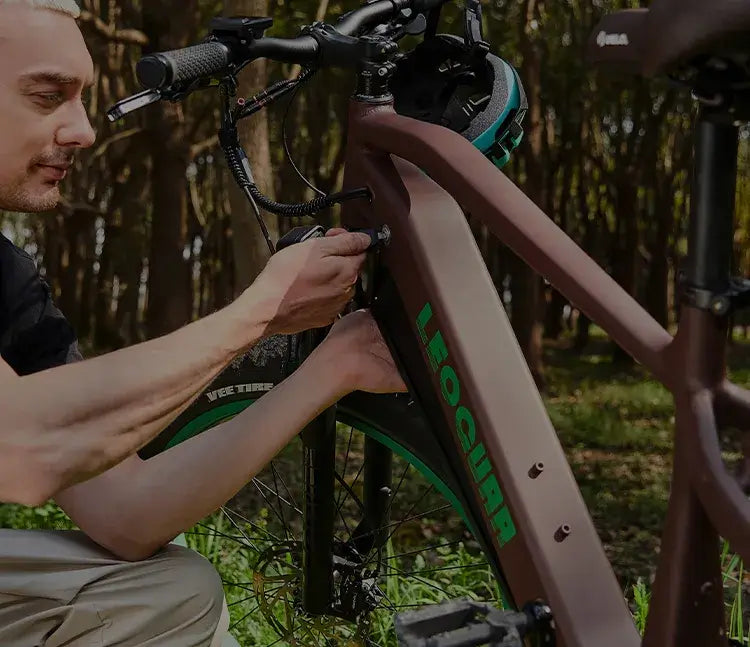
We strongly recommend having a professional mechanic perform the final assembly and a full safety check. The cost is a small price to pay for the peace of mind that your brakes are properly aligned and all critical bolts are torqued to specification. If you choose to do it yourself, be meticulous. Tighten every bolt, ensure the brakes are not rubbing and have strong stopping power, and inflate the tires to the recommended pressure printed on the sidewall.
Step 4: The First Ride
Your first ride should be short, slow, and in a safe area away from traffic. Go through all the gears and test all levels of pedal assist. Listen for any unusual clicks, creaks, or grinding sounds. Test the brakes to ensure they can bring you to a smooth, firm stop. Address any minor issues immediately.

Your Confident Purchase
To successfully buy electric bicycle online is to be a prepared and informed shopper. It's about shifting your focus from just the initial price to the total picture: the right electric bike for your needs, the true cost of ownership, and the long-term viability of the brand you choose. By doing your homework, reading the fine print, and performing a thorough check upon arrival, you bypass the risks and move straight to the reward. You've done the work, and now you can confidently enjoy the thousands of miles of freedom and fun that await.
Frequently Asked Questions
Q: How much should I budget beyond the bike's listed price when I electric bicycle buy online?
A: Plan for an additional $300-$500 beyond the bike's price. This includes potential assembly fees ($100-$250), essential accessories like a good lock and helmet ($100-$200), and possible return shipping costs if needed ($200+).
Q: Is it safe to buy an e-bike online without testing it first?
A: Yes, but only if you do thorough research on sizing and choose reputable brands with good return policies. Measure your inseam carefully, consult sizing charts, and ensure the company offers at least a 30-day return window.
Q: What's the most important safety feature to look for in an online e-bike purchase?
A: A UL 2849 certified battery is crucial for fire safety. Additionally, hydraulic disc brakes are essential for heavier e-bikes, as they provide superior stopping power compared to mechanical brakes.
Q: How can I find a bike shop willing to assemble my online e-bike purchase?
A: Call local bike shops before purchasing and ask about their policy on assembling direct-to-consumer e-bikes. Many shops refuse due to liability concerns, so finding a willing mechanic beforehand prevents major headaches.
Q: What should I do if my e-bike arrives damaged from shipping?
A: Document everything with photos before opening the box, especially any visible damage. Take pictures of the bike and all components during unboxing. Contact both the shipping company and the e-bike manufacturer immediately with your documentation to file damage claims.


Leave a comment