



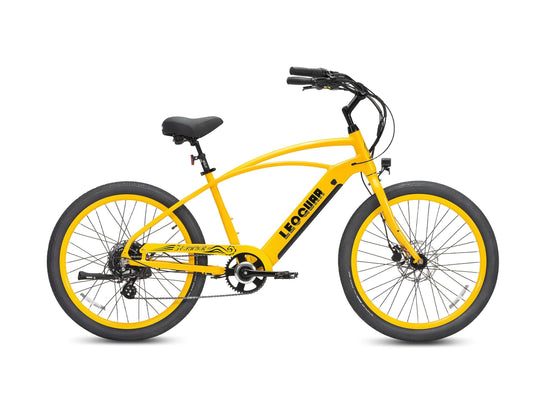


Motorized Cruiser Bicycle: Comfort Cruiser Upgraded With A Motor
Picture the perfect bike ride: a sunny day, a gentle breeze, and a relaxed, upright posture as you cruise along the boardwalk or through a scenic park. It captures cycling comfort. Now, what if you could keep that same supreme comfort but flatten hills, fight headwinds, and ride further than ever before?
That's the promise of the motorized cruiser bicycle, the perfect evolution of the beloved comfort cruiser. This isn't about replacing the joy of pedaling. This guide will walk you through everything you need to know about this exciting blend of classic comfort and modern power.
Cruiser Evolution
To understand the motorized version, we must first appreciate its roots. The classic cruiser is an icon of laid-back cycling. It is, as many experts describe it, a laid-back, simple, and stylish bike.
The Soul of a Cruiser
The timeless appeal of a comfort cruiser bicycle comes from a few key characteristics that prioritize the rider's experience. These features work together to create pure cycling joy.
- Relaxed, Upright Riding Position: This geometry reduces strain on your back, neck, and wrists, allowing for longer, more comfortable rides.
- Wide, Cushioned Saddles: These saddles are often called "sofas" for a reason.
- Swept-Back Handlebars: This design promotes a natural, relaxed arm position, bringing the controls comfortably toward you.
- Balloon Tires: Wide and soft, these tires absorb bumps and cracks in the pavement.
- Simple Mechanics: Many traditional cruisers are single-speed with coaster brakes.
The "Motorized" Upgrade
A motorized cruiser bicycle takes all those beloved features and integrates a modern electric drive system. This system consists of a motor, a battery, and a controller. It's crucial to understand that this doesn't turn your bike into a motorcycle. It's an assist system designed to amplify your own pedaling power. It makes the ride easier and more accessible. It's the same comfortable bike you love, just with a superpower.
Why Add a Motor?
So, why take a perfectly good cruiser and add a motor? The answer lies in solving the few challenges that can limit the pure joy of cruising.
Conquer Hills and Headwinds
The heavy frame and relaxed geometry of a classic cruiser can make hills a daunting task. A steep incline or a strong, persistent headwind can turn a pleasant ride into a grueling workout. The electric motor changes this equation entirely. With the flick of a switch, the motor provides the torque you need to make hills feel flat and headwinds disappear.
Go Farther, Explore More
On a traditional bike, every ride is a calculation. This "range anxiety" can keep you from exploring new routes. The motor assist dramatically extends your potential riding distance. A 10-mile ride becomes a 30-mile adventure.
Accessible for Everyone
Cycling is a wonderful activity, but it's not always accessible to everyone. Physical limitations, varying fitness levels, or recovery from an injury can be significant barriers. The motorized cruiser bicycle is a great equalizer. It allows riders of different ages and abilities to ride together and enjoy the outdoors without overexertion.
The Sweat-Free Commute
The practicality of a motorized cruiser for daily errands or commuting cannot be overstated. You get the benefit of fresh air and light exercise. This makes the bike a far more viable and enjoyable transportation option for getting to work, the grocery store, or meeting friends.
Deconstructing the Cruiser
When you start looking at different models, you'll encounter technical specs. These components are easy to understand when you connect them to the actual riding experience. For a deeper dive, reviewing an in-depth look at e-cruiser specs can be very helpful.
| Component | What It Is | What It Means for Your Ride |
|---|---|---|
| The Motor (Hub vs. Mid-Drive) | The part that provides power. Hub motors are located in the center of the rear (or front) wheel. Mid-drive motors are located at the crankset, where the pedals are. Most cruisers use hub motors for their simplicity and smooth power delivery. | Hub motors are excellent for relaxed cruising and provide a gentle "pushing" sensation. They are quiet, reliable, and cost-effective. Mid-drive motors feel more like natural, amplified pedaling and are more efficient on very steep, long hills, but are often more expensive. |
| The Battery (Volts & Amp-Hours) | This is the "gas tank" for your motor. Voltage (V) is like the power of the system, while Amp-hours (Ah) represent the capacity or "size of the tank." The total energy is measured in Watt-hours (Wh), which is Volts multiplied by Amp-hours. | Higher Ah means longer range. A common battery size on a motorized cruiser is 48V 14Ah (672Wh). This can typically provide 30-60 miles of range, but this figure varies greatly based on assist level, terrain, wind, and rider weight. Look for batteries with UL certification for safety. |
| Pedal Assist vs. Throttle | Pedal Assist (PAS) provides motor power automatically as you pedal. Sensors detect your pedaling and add a boost. A Throttle provides power on demand, even if you aren't pedaling. It's usually a twist-grip or a thumb-lever. | Pedal assist feels more like traditional biking, just easier, and is great for maintaining a consistent speed. A throttle is fantastic for getting a heavy bike started from a complete stop or for giving you a quick boost of power when you need a break from pedaling. Many motorized cruisers offer both. |
| Frame and Geometry | The bike's skeleton. Cruisers are famous for their relaxed geometry and are often available in step-through (with a low or no top bar) or classic step-over (with a higher top bar) frame styles. | Step-through frames are incredibly easy to get on and off, making them perfect for casual riding, running errands, or for riders with any mobility concerns. Step-over frames offer a traditional look and slightly more frame rigidity, which some taller or heavier riders may prefer. |
The Real-World Experience
Spec sheets can only tell you so much. The true magic of a motorized cruiser bicycle is in the feeling it gives you. Imagine setting out on a beautiful, sunny afternoon. You wheel your bike to the end of the driveway, which sits at the bottom of a slight incline.
- The Start: Instead of a wobbly, strenuous first few pedal strokes to get the heavy bike moving uphill, you give the throttle a gentle twist. The motor hums to life, and you glide away from the curb, perfectly stable and in control.
- The First Incline: A few blocks later, you approach a short, steep overpass. On a regular cruiser, this is the part of the ride you'd dread—the huffing and puffing, the out-of-the-saddle effort. Now, you simply press a button on your handlebar controller to increase the pedal assist from level one to three.
- The Long Stretch: You're now on a long, scenic path along the waterfront. A steady headwind is blowing. In the past, this would have felt like riding through sand. Today, you barely notice it.
- The Journey Home: After a 15-mile loop that would have previously left you exhausted, you turn back toward home. Instead of feeling drained and counting down the blocks, you feel refreshed and energized.
Is a Cruiser Right for You?
A motorized cruiser is a fantastic machine, but it's not for everyone. To help you decide if it's your perfect match, we encourage you to ask yourself these practical questions.
- How would I describe my ideal ride? If your answer includes words like "relaxed," "comfortable," "scenic," and "low-stress," you are on the right track.
- What does my local terrain look like? Do you live in a flat coastal town or an area with constant rolling hills?
- What is my primary goal? Are you looking for a bike for gentle exercise, fun weekend explorations, running errands, or commuting to work?
- What's my desired ride distance? If you dream of taking rides longer than 5-10 miles but feel limited by your current stamina, a motorized version will be a complete game-changer.
- How important is ease of use? With features like intuitive controls, simple operation, and accessible step-through frames, these bikes are among the easiest and most user-friendly e-bikes available.

A Practical Buying Guide
Ready to take the next step? Keep these four crucial points in mind before you make a purchase.
- A Test Ride is Essential: You can read reviews all day, but nothing compares to actually riding the bike. A test ride allows you to feel the bike's weight, test the riding position, and experience how the motor engages.
- Check the Cruiser Ebike Battery Certification: The battery is the most expensive and critical component of your e-bike. For safety and reliability, insist on a battery that is UL 2849 or UL 2271 certified.
- Understand the Warranty and Support: An e-bike has more complex components than a traditional bicycle. Find out what the warranty covers and for how long.
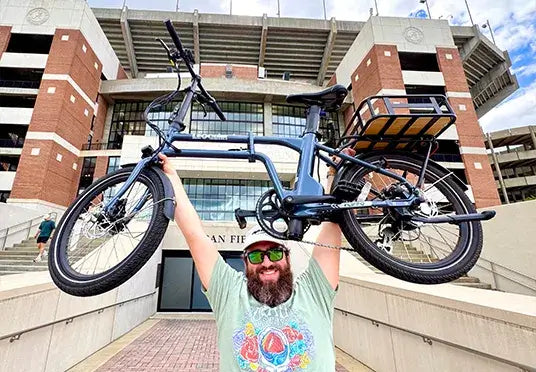
- Consider the Weight and Size: Motorized cruiser bicycles are heavier than their non-motorized counterparts, often weighing 50-70 pounds or more. Will you need to carry it up stairs to an apartment? Will you be lifting it onto a car rack?
Frequently Asked Questions
How far can I ride on a single charge?
Most motorized cruiser bicycles can travel 30-60 miles on a single charge. The actual range depends on factors like your weight, terrain, wind conditions, and how much you use the motor assist.
Do I need a license to ride a motorized cruiser bicycle?
In most states, you don't need a license for e-bikes that have motors under 750 watts and top speeds under 28 mph. However, local laws vary, so check your area's specific regulations before riding.
How long does it take to charge the battery?
Most e-bike batteries take 4-6 hours to fully charge from empty. Many riders charge their bikes overnight, so they're ready for the next day's adventures.
Can I ride the bike if the battery dies?
Yes, you can pedal a motorized cruiser bicycle like a regular bike even when the battery is dead. However, the bike will be heavier than a standard cruiser, so pedaling will require more effort.
What maintenance does a motorized cruiser bicycle need?
These bikes need regular maintenance like any bicycle: tire pressure checks, brake adjustments, and chain lubrication. The electrical components typically require minimal maintenance, but you should keep the battery charged and store it properly during winter months.


Leave a comment