



Lightest Foldable E Bike: What You Gain (and Give Up) in Weight
The Dream of the Featherlight E-Bike
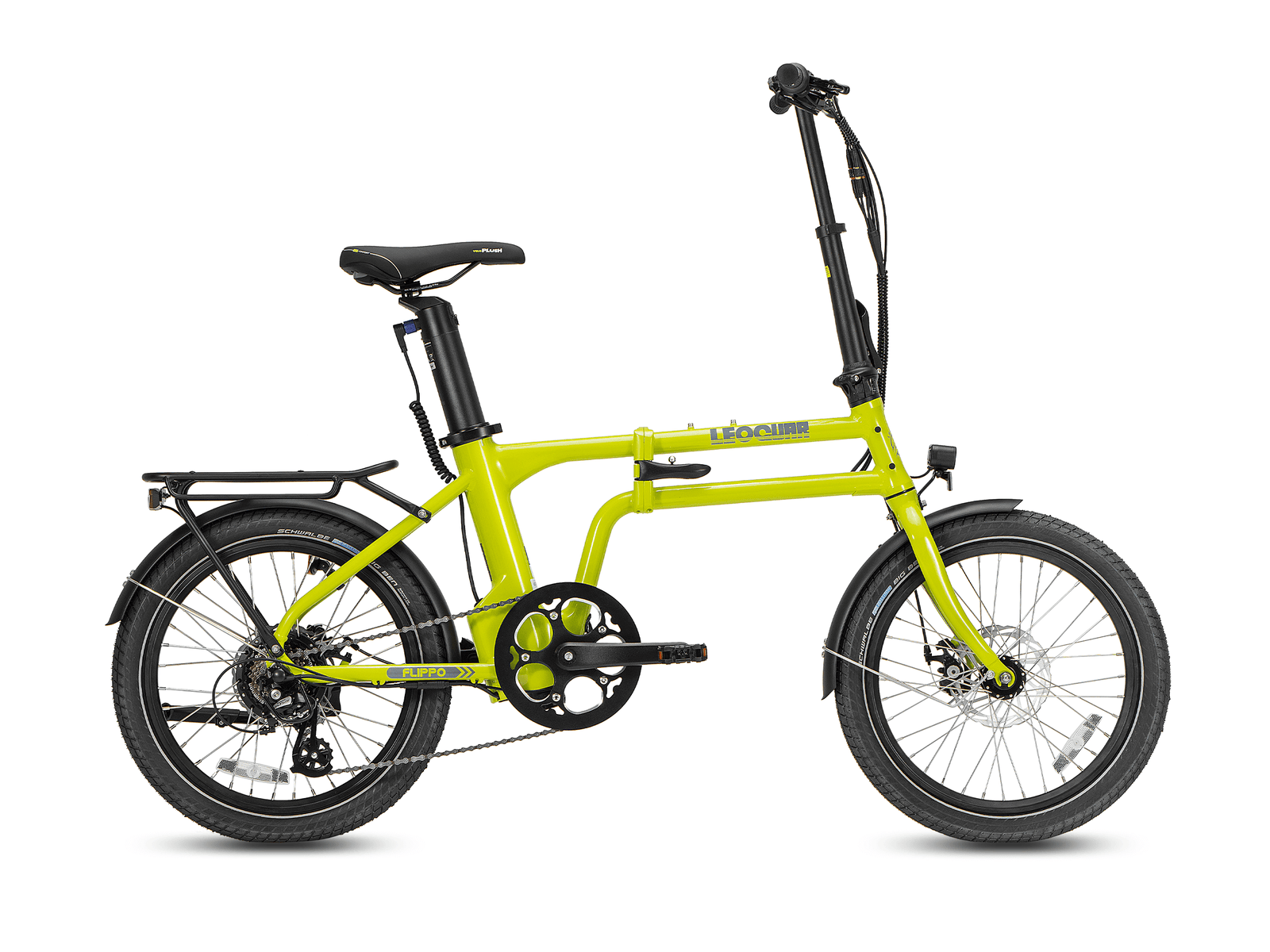
The appeal of the lightest foldable e bike is immediate and powerful. It's the vision of easily carrying your bike up stairs to your apartment, lifting it into a car trunk without thinking twice, or walking through a crowded train station without breaking a sweat. This bike promises to solve the "last mile" problem and remove the most common barriers to e-bike ownership: weight and bulk.
But in engineering, every gram saved comes at a cost. Getting the lowest weight possible involves a series of specific, calculated trade-offs. This isn't a bad thing; it's a design choice. This guide will explore both the incredible benefits you gain and the necessary sacrifices you make with an ultra-light model.
We will help you decide if this specialized category of e-bike is truly the right fit for you by examining:
- Portability vs. Power
- Range vs. Weight
- Durability vs. Cost
What You Gain: Shedding Pounds
Choosing one of the lightest foldable e-bikes on the market delivers a unique set of advantages that can change your relationship with your commute and your city. This section is about the real benefits you feel every time you lift, ride, and store your bike. We've found that for the right user, these gains are not just conveniences; they are game-changers.
Unmatched Portability
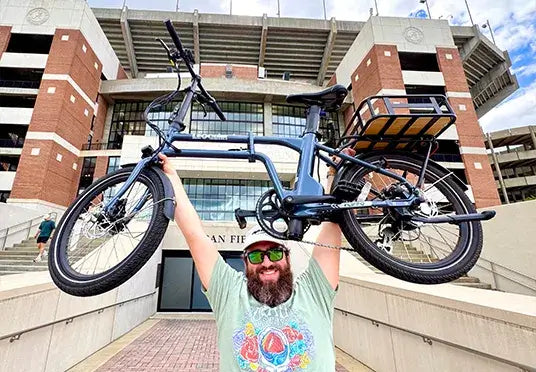
This is the number one reason to seek out a lightweight model. Imagine the freedom of not thinking twice before carrying your bike up three flights of stairs after a long day.
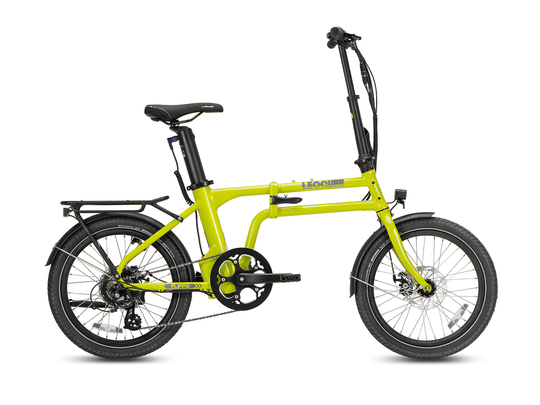
The difference between a 14 kg (30 lb) bike and a 23 kg (50 lb) bike is huge. The lightest foldable e bikes typically fall in the 12-15 kg (26-33 lbs) range. In contrast, standard and more powerful foldable e-bikes often weigh 20-25 kg (45-55 lbs) or more.
This weight difference is what makes multi-modal commuting—combining cycling with a train, bus, or subway—not just possible, but practical. It transforms the bike from a vehicle into a personal accessory you can take almost anywhere.
A More Natural Ride Feel
A heavy e-bike can sometimes feel like you're driving a machine. A lighter e-bike feels like you're riding a bicycle. The reduced mass makes the bike more agile, responsive, and nimble. It's easier to move through tight city corners and dense pedestrian traffic. When you turn the motor off or use a low-assist setting, the experience is nearly identical to riding a high-quality, non-electric folding bike. This creates a more connected and engaging ride, where the motor assists your effort rather than dominating the experience.
Effortless Storage Solutions
A lighter bike isn't just easier to carry; it's easier to live with. Combined with a compact folding mechanism, its low weight makes storage a non-issue.
You can easily lift it onto a shelf in a garage, tuck it into a small coat closet, slide it under your desk at the office, or store it in the tight confines of an RV or boat. This benefit is a major selling point for urban dwellers in small apartments, where every square foot matters. As highlighted by cycling experts, this space-saving design is a key advantage for modern city living.
What You Give Up: Hidden Costs
For every gain in weight savings, there is a corresponding trade-off. This isn't a critique of lightweight e-bikes but rather an honest accounting of the engineering choices required to create them. Understanding these compromises is crucial to avoid disappointment and ensure you're investing in a bike that matches your real-world needs.
Compromised Power and Torque
The single biggest contributor to an e-bike's weight, after the frame, is the motor and battery. To save weight, the lightest foldable e bike models almost universally use smaller, less powerful hub motors. These are typically rated at 250W, which is perfectly adequate for flat terrain and gentle inclines. However, they stand in contrast to the 500W or even 750W motors found on heavier, more utility-focused e-bikes.
In the real world, this means an ultra-light e-bike may feel sluggish on very steep hills, requiring significant pedaling effort from you. It will also have less "zippy" acceleration from a complete stop compared to its more powerful counterparts. If your commute involves challenging climbs, this is a critical consideration.
Reduced Battery Range
There is a direct and unavoidable correlation between battery capacity (measured in Watt-hours, or Wh) and weight. A bigger battery gives you more range, but it also adds significant mass.
To achieve their featherlight status, these bikes use smaller, lighter batteries, often with capacities under 300Wh. While manufacturers may advertise impressive ranges of "up to 60 miles," these figures are typically based on ideal conditions: a light rider on flat ground using the lowest-assist setting.
Under real-world conditions with hills, stop-and-go traffic, and a higher level of assistance, you should expect a more realistic range of 20-30 miles (32-48 km) on a single charge. This may be plenty for a daily commute but could limit longer weekend explorations.
Less Durability and Fewer Features
Shedding every possible gram means making sacrifices in other areas. While advanced materials like carbon fiber are incredibly light and strong for their weight, they can also be more brittle and less resistant to certain types of impacts compared to aluminum or steel. Furthermore, features that add comfort and utility are often the first to go. You will rarely find suspension forks or seatposts on the lightest models, as they add weight and complexity.
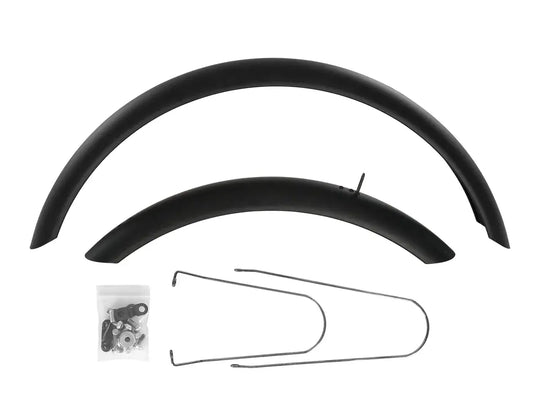
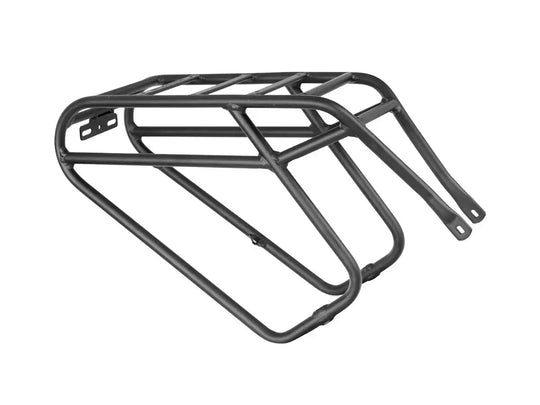
Fenders, integrated cargo racks, and kickstands are often omitted or offered as heavier, optional add-ons. Tires are typically narrower to reduce rolling resistance and weight, which can result in a harsher ride on imperfect pavement. As expert analyses often point out, there is a direct trade-off between achieving the lowest weight and including a robust feature set.
A Higher Price Tag
It costs more to make something lighter. The research, development, and advanced materials—especially carbon fiber—required to engineer a durable yet featherlight frame come at a premium.
Specialized, lightweight components, from the motor to the wheelset, also carry a higher price. As a result, the lightest foldable e bike models often have a significantly higher cost per feature compared to their heavier, aluminum-framed counterparts. You are paying a premium specifically for the benefit of weight reduction.
A Visual Trade-Off Analysis
To simplify the decision, it helps to see the direct "give and take" of choosing a lightweight model. Here is a clear breakdown of what you gain versus what you give up.
| What You GAIN with a Lightweight Foldable Ebike | What You GIVE UP in Return |
|---|---|
| Effortless Portability (Carrying up stairs, onto trains) | Lower Motor Power (Slower on steep hills) |
| Agile & Natural Ride Feel (Feels like a regular bike) | Shorter Battery Range (More frequent charging) |
| Simple, Compact Storage (Fits in small closets, under desks) | Fewer Comfort Features (Often no suspension, narrower tires) |
| Sleek, Minimalist Aesthetic | Potentially Lower Durability (Depending on materials and build) |
| Advanced Engineering & Materials | Significantly Higher Cost (Premium price for weight savings) |
Who Is This Bike Really For?
Moving beyond specs, the best way to know if a lightweight foldable e-bike is right for you is to see if you fit one of the ideal user profiles. From our experience, these bikes are a perfect match for some, but a poor choice for others.
The Multi-Modal Commuter: This person's daily journey involves a mix of cycling and public transportation. They might bike to the train station, fold the bike, ride the train, and then unfold it for the final leg to the office. For them, every pound saved is a massive win. A heavy bike makes this routine a chore, while a light one makes it seamless.
Verdict: An excellent choice. The ease of folding and carrying is the most important feature, outweighing the loss of power or extensive range for the "last mile" of their journey.
The Apartment Dweller with Stairs: This rider lives on an upper floor in a building with no elevator. Their primary barrier to owning any e-bike is the daily task of getting it into and out of their home. A 50-pound bike is a non-starter, but a 30-pound one is manageable.
Verdict: A game-changer. This is likely the only type of e-bike that is truly practical for their living situation. For them, low weight isn't a luxury; it's a necessity.
The Long-Distance Rider or Cargo Hauler: This person wants an e-bike for long weekend rides on country roads, weekly grocery runs, or attaching a child seat. They have a garage for storage and prioritize power, range, and utility over portability.
Verdict: Likely a poor fit. They would be better served by a heavier, more powerful, and more robust foldable or non-foldable e-bike with a larger battery, suspension, and built-in cargo capabilities.
The RV or Boat Owner: This user needs a compact vehicle for getting around a large campground, marina, or exploring a new town. Storage space is at a premium, and lifting the bike in and out of the vehicle is a frequent task. Rides are typically shorter and on relatively flat terrain.
Verdict: A strong contender. The compact folded size and low weight are ideal for this use case, where extreme power and range are secondary to convenience and portability.

The Technology Behind Weight Loss
How do manufacturers achieve these impressively low weights? It's a combination of material science, clever integration, and minimalist component choices. Understanding this helps you appreciate the engineering and identify a quality lightweight design.
Frame Materials
The frame is the primary area for weight savings. The two main options are high-grade, hydroformed aluminum alloys and carbon fiber. Lightweight aluminum is the more common and cost-effective solution, offering a good balance of weight, strength, and price. Carbon fiber is the ultimate choice for shedding grams. It has a superior strength-to-weight ratio, allowing for strong, featherlight frames, but it comes at a significantly higher cost and can be more susceptible to damage from sharp impacts.
Motor & Battery Integration
As mentioned, smaller is lighter. These bikes use compact, lightweight hub motors (usually in the rear wheel) instead of heavier, more complex mid-drive systems.
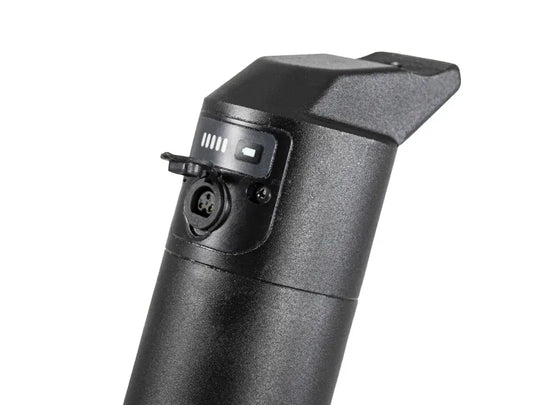
Battery technology has also evolved. Many lightweight models integrate smaller batteries directly into the frame's downtube or, in some clever designs, even hide them within the seatpost. This saves the weight of a bulky external case and creates a sleeker, more minimalist look, but it inherently limits the battery's maximum capacity.
Component Choices: The "Gram-Shaving" Game
Beyond the big components, designers "shave grams" from every part of the bike. This includes:
- Drivetrain: A single-speed drivetrain is simpler and lighter than a multi-gear system with derailleurs and shifters.
- Wheels: Using smaller wheels (16-inch or 18-inch instead of the more common 20-inch) saves weight in the rims, tires, and spokes.
- Accessories: Forgoing "standard" items like fenders, racks, and heavy-duty kickstands is an easy way to cut a kilogram or more from the final weight.
Conclusion: Is It Your Best Choice?
The lightest foldable e bike is a masterpiece of focused engineering. It delivers on its promise of ultimate portability in a way that heavier bikes simply cannot match. For the right person, it can be a truly liberating tool for urban mobility. However, it is not universally "best." The pursuit of low weight requires deliberate sacrifices in power, range, and features.
The best e-bike is not the one with the lowest number on the scale; it's the one that aligns with your specific lifestyle, your daily routes, your storage situation, and your budget. By weighing the gains and give-ups, you can confidently decide if the freedom of a featherlight e-bike is the right choice for you.
Frequently Asked Questions
How much should the lightest foldable e bike weigh?
The lightest foldable e bikes typically weigh between 12-15 kg (26-33 lbs). This is significantly lighter than standard foldable e-bikes, which often weigh 20-25 kg (45-55 lbs) or more. The weight difference makes a huge impact on portability and ease of carrying.
What is the typical range of a lightweight foldable e-bike?
Under real-world conditions with hills, stop-and-go traffic, and higher assistance levels, you should expect a realistic range of 20-30 miles (32-48 km) on a single charge. While manufacturers may advertise ranges up to 60 miles, these figures are based on ideal conditions with light riders on flat ground using minimal assistance.
Are lightweight foldable e-bikes less durable than heavier models?
Lightweight e-bikes can be less durable in some aspects due to the materials and design choices needed to reduce weight. Carbon fiber frames, while strong for their weight, can be more brittle than aluminum or steel. Additionally, features like suspension and robust components are often sacrificed to achieve lower weight.
Why are the lightest foldable e bikes more expensive?
The higher cost comes from advanced materials (especially carbon fiber), specialized lightweight components, and extensive research and development required to engineer a durable yet featherlight frame. You're paying a premium specifically for the benefit of weight reduction, which requires more expensive manufacturing processes and materials.
Who should avoid buying a lightweight foldable e-bike?
Long-distance riders, cargo haulers, and those who frequently ride on steep hills should consider heavier, more powerful alternatives. If you need maximum range, high power output, or extensive cargo capacity, a heavier e-bike with a larger battery and more powerful motor would better serve your needs.



Leave a comment