




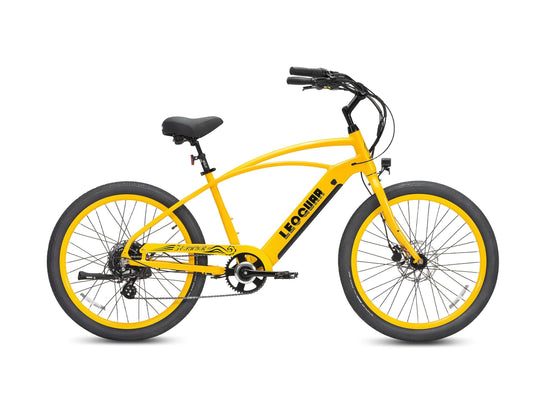


Hub Electric Bike: Buy One or Use a Hub Motor Conversion Kit?
The Core Decision
The decision between a pre-built hub electric bike and a conversion kit comes down to three things: your budget, how comfortable you are with tools, and what you need from your bike. There's no single right answer for everyone. By understanding the main differences, you can pick the right path for your electric bike journey. Here is what you need to know:
- Choose a pre-built hub electric bike if: You want something reliable that works perfectly right away, and you don't mind paying more for peace of mind with a full warranty. You want to ride, not fix things.
- Choose an electric bike conversion kit hub motor if: You're working with less money, you like building things yourself, and you want to upgrade a bike you already own and love.
What is a Hub Motor?
Before we go deeper, let's understand the main technology. The hub motor is the heart of this type of electric bike. Its simple design is what makes it so popular.
The Basics of Hub Motors
A hub motor is a small electric motor that sits in the center of your bike's wheel. It uses magnets to spin the wheel directly, which moves you forward. This is different from a mid-drive motor that works through your bike's chain and gears. The motor, controller, and gears all fit inside the hub, so it looks very clean and simple.
Front Hub vs. Rear Hub
Where you put the hub motor changes how your bike feels and how hard it is to install.
Front Hub:
-Ride Feel: Feels like the bike is pulling you forward, almost like all-wheel drive.
-Installation: Easier to install because it doesn't mess with your bike's gears.
-Weight: Can help balance your bike if you have a heavy battery on the back.
Rear Hub:
-Ride Feel: Feels more normal, like the bike is pushing you from behind. Most people prefer this feeling.
-Traction: Grips better when going uphill or on loose ground because more weight is on the back wheel.
-Installation: A bit harder to install because you have to work around your gears.

Path 1: The Pre-Built Bike
The first option is buying a complete hub electric bike from a store. This is the easy choice where experts picked all the parts for you. It's made to work great with no hassle on your part.
The Advantages
- Perfect Integration: Every part works together perfectly because they were designed as a team. Wires are hidden inside the frame, and everything looks professional.
- Warranty Protection: This is huge-if anything breaks, you have one company to call for help. The warranty covers everything, so you don't have to worry about fixing problems yourself.
- Safety First: The whole bike is built to handle electric power from the start. The frame is strong enough, the brakes work well, and everything meets safety standards.
- Ready to Go: You can buy it and ride it the same day with almost no setup needed.
The Disadvantages
- Higher Cost: You'll pay a lot more upfront compared to a conversion kit.
- Limited Choices: You're stuck with what the company decided-you can't easily change the motor power or battery size.
- Another Bike: If you already have a bike you love, this means buying a second bike, which takes up more space.
Who is it For?
Pre-built hub electric bikes work best for people who commute every day and need something reliable, people who don't like working on bikes, or anyone who wants something that works perfectly right away.
Path 2: The DIY Kit
The second option is converting your current bike using an electric bike conversion kit hub motor. This lets you add electric power to a bike you already know and trust. You get to save money and make it exactly how you want it.
The Advantages
- Save Money: This is the biggest reason people choose kits-they cost much less than buying a new electric bike.
- Make It Yours: You control everything-motor power, battery size, and you keep the bike you already love riding.
- Help the Planet: You're giving new life to an old bike instead of throwing it away, which is great for the environment.
- Learn Something: Building it yourself feels amazing and teaches you how your bike works.
The Disadvantages
- You Fix Everything: You have to install it yourself and fix any problems that come up later.
- No Single Warranty: Different parts have different warranties, so if things don't work together, you might get stuck between companies.
- Parts Might Not Fit: You have to make sure everything works with your specific bike, which takes research.
- Safety Concerns: Your regular bike wasn't built for electric speeds, so you need to make sure it's strong enough and has good brakes.
Who is it For?
Hub motor conversion kits are perfect for people on a budget, people who enjoy building things, and cyclists who love their current bike and want to give it electric power.
Pre-Built vs. Kit Showdown
Let's compare both options side by side to make your choice easier. This breakdown shows how they match up on the things that matter most.
| Factor | Pre-Built Hub E-Bike | Hub Motor Conversion Kit |
|---|---|---|
| Total Cost | High ($1,200 - $2,500+) | Low to Medium ($400 - $900) |
| Installation Effort | None | Medium to High (several hours) |
| Performance | Optimized but fixed | Highly variable and customizable |
| Reliability & Warranty | High (single, comprehensive warranty) | Varies by component (DIY troubleshooting) |
| Customization | Low | High (you choose motor, battery, etc.) |
| Ride Feel | Integrated and balanced | Can be front- or rear-heavy |
A Realistic Cost Analysis
The price tag is just the beginning of what you'll spend. Let's look at what both options really cost over three years.
Initial Investment
- Pre-Built: A good entry-level hub electric bike costs $1,200 to $2,500. You're paying for the bike, electric parts, and the warranty that protects you.
- Kit: A solid hub motor conversion kit runs $400 to $900. You might need to buy some tools if you don't have them already.
Maintenance and Repairs
- Pre-Built: For the first year or two, warranty covers most repairs, which saves you money. After warranty ends, you might need special e-bike mechanics who charge more than regular bike shops.
- Kit: You do the work yourself, which saves labor costs. Replacement parts like throttles are cheap and easy to find online. But if something big breaks like the motor or battery, you pay for everything.
The Cost of Battery Replacement
This is a big expense for any e-bike owner. E-bike batteries last 3-5 years before they lose too much power to be useful.
- Pre-Built: Replacement batteries are made just for your bike and cost $500 or more. They're expensive but guaranteed to work perfectly.
- Kit: You can often find cheaper generic batteries, but you have to make sure they work with your system.
The Verdict on Value
Kits cost less to start, but pre-built bikes give you reliability, warranty protection, and save your time. The peace of mind might be worth paying extra for many riders.

Is Your Bike Conversion-Ready?
Before you order a hub motor kit, check if your current bike can handle the conversion safely. Using this checklist will save you money and frustration.
1. Frame and Fork Material
- Good Choice: Steel or aluminum frames are strong and can handle hub motor stress.
- Be Careful: Carbon fiber frames are risky-most experts say don't put hub motors on carbon bikes because the clamping force can crack the frame.
2. Brake System
- Question: Do you have disc brakes or rim brakes?
- What This Means: Disc brakes work much better with electric bikes because they stop you faster and work better when wet. If you have rim brakes, make sure they're in great shape and consider upgrading the brake pads.
3. Drivetrain Condition
- Question: Are your chain, gears, and chainring worn out?
- What This Means: Electric power makes worn parts worse-chains will skip and shifting gets rough. Clean and fix your drivetrain before converting, especially for rear hub motors.
4. Dropout Spacing and Strength
- Question: How wide are the slots where your wheels attach?
- What This Means: This is super important:
-Front hub motors need 100mm spacing
-Rear hub motors need 135mm spacing
-Measure your bike carefully-forcing the wrong size can break your frame
-Make sure the metal is thick enough to handle the motor's power
-Always use a torque arm (a metal brace) to protect your frame
Frequently Asked Questions
How long do hub motor electric bikes typically last?
A well-maintained hub electric bike can last 5-10 years or more. The motor itself is very reliable since it has few moving parts. The battery is usually the first component that needs replacement after 3-5 years. With proper care, the motor, controller, and other electric parts often outlast the mechanical bike components.
Can I install a hub motor conversion kit myself if I'm not very mechanical?
While it's possible, hub motor installation requires basic bike maintenance skills and several hours of work. You'll need to be comfortable removing wheels, working with electrical connections, and following detailed instructions. If you've never worked on bikes before, consider having a local bike shop do the installation-many shops will install kits you provide.
What's the difference in power between front and rear hub motors?
The power output is typically the same whether the motor is in the front or rear wheel. The main differences are in how the power feels and performs. Rear hub motors provide better traction for hills and loose surfaces because they push from where most of your weight sits. Front hub motors can feel less natural but are easier to install and create an all-wheel-drive sensation.
Do hub motors require special maintenance compared to regular bikes?
Hub motors need very little extra maintenance since they're sealed units. You should keep them clean and dry, check electrical connections occasionally, and avoid submerging them in water. The main maintenance focuses on the battery-store it properly, don't let it fully discharge, and charge it regularly. Regular bike maintenance like brake adjustments becomes more important due to the extra speed and weight.
How do I know if my existing bike frame is strong enough for a hub motor conversion?
Check that your frame is steel or aluminum (avoid carbon fiber), measure your dropout spacing to ensure proper fit, and inspect the dropout thickness-they should be sturdy metal, not thin stamped pieces. Look for any existing cracks or damage, especially around the wheel mounting points. If your bike is older or has been heavily used, consider having a bike mechanic inspect the frame before conversion. Always use a torque arm regardless of frame material.


Leave a comment