





Why Ride a Fat Tire Bike? 7 Benefits You Should Not Ignore
Have you ever seen them? Rolling down a beach, cruising along a snowy trail, or even just bouncing over city potholes with impossible ease. These monster trucks of the bicycle world, with their huge tires, always make people ask: why fat tire bike? It's a good question. In a world of sleek road bikes and quick mountain bikes, these bulky machines seem strange. But they are far from a trick.
The simple answer is that fat tire ebikes offer a unique mix of flexibility, comfort, and confidence that opens up a new world of riding. They are designed to go where other bikes simply can't. This guide will cut through the curiosity and break down the main benefits of fat tire bikes. We'll explore the core technology, detail the advantages that matter most, and help you decide if a fat tire bike is right for you.
What Makes a Fat Tire Bike Special?
To understand the magic of a fat tire bike, you have to start with the tires themselves. It's not just about looks; it's about physics. The main advantage comes down to two key principles: a massive contact patch and very low tire pressure.
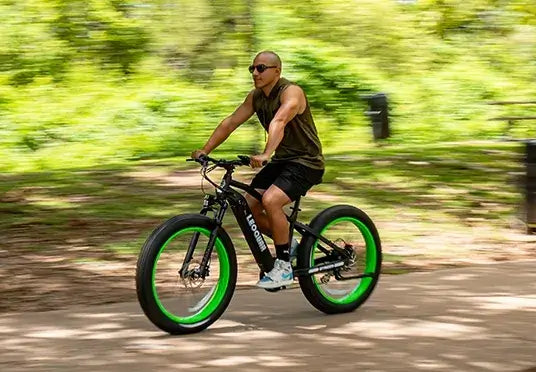
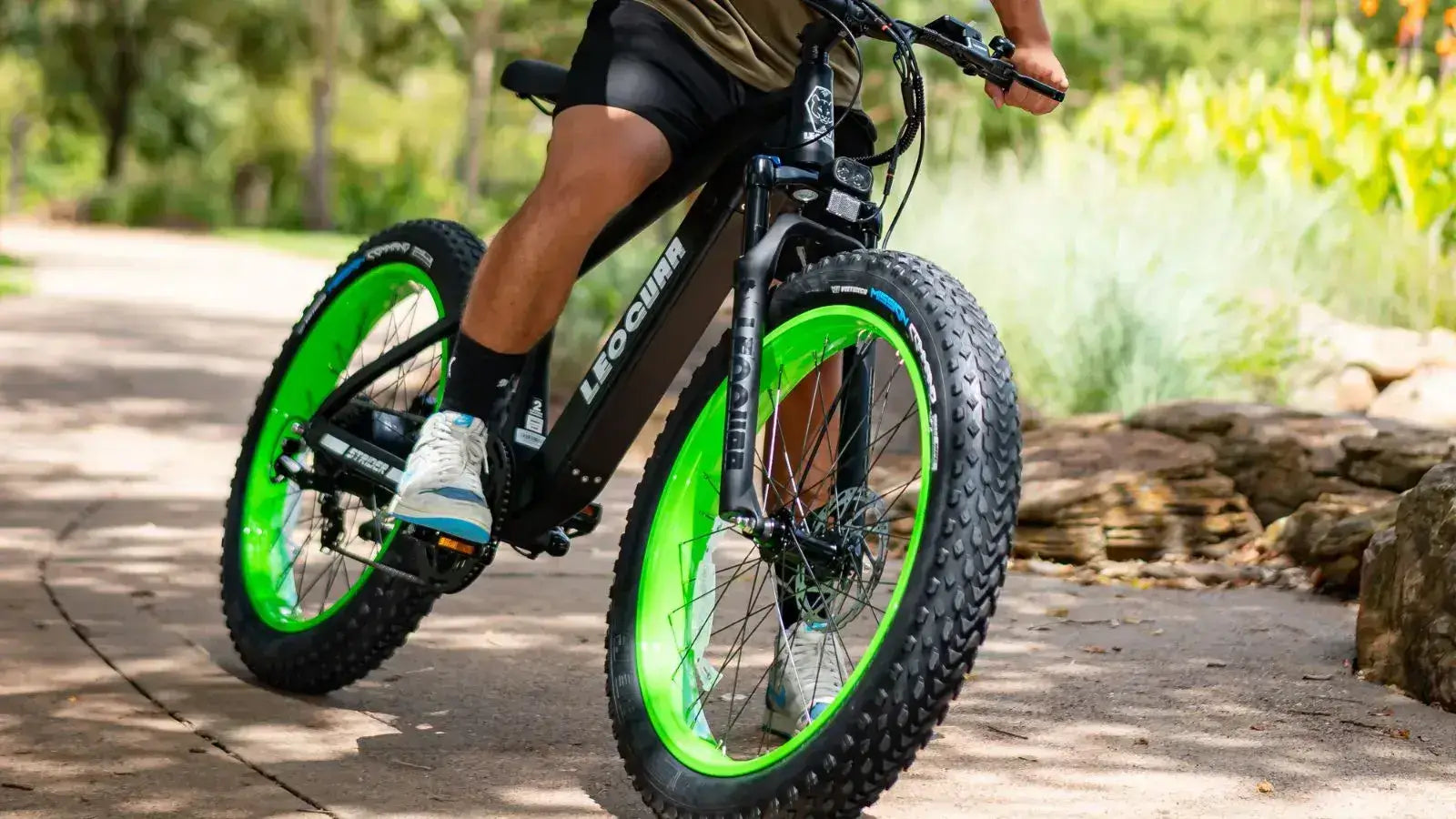
A typical fat tire ranges from 4.0 to 5.0 inches wide, which is double the width of a standard mountain bike tire. This creates a much larger footprint, or contact patch, on the ground. Think of it like the difference between walking on snow in boots versus wearing snowshoes. Your boots sink, but snowshoes spread your weight over a larger area, allowing you to "float" on top. Fat bike tires do the same on soft surfaces like sand, mud, and snow.
This large volume allows you to run very low tire pressure—often between 5 to 15 PSI, compared to the 25-45 PSI of a mountain bike. This low pressure lets the tire bend and mold itself around obstacles, absorbing impacts and providing a level of grip that other bikes can't match.
Top 7 Fat Bike Benefits That Riders Love
While their ability to conquer snow and sand gets all the attention, the real-world benefits of fat tire bikes extend to all kinds of riders and terrains. Here's why they are so much more than just a niche winter toy.
1. All-Terrain Dominance
This is the main feature. A fat bike's ability to float over soft surfaces means you can ride on loose sand, deep snow, and thick mud—terrains that would instantly stop a regular bike. But its capability doesn't end there.
On a typical trail, those wide, low-pressure tires roll over wet roots, loose gravel, and bumpy, grassy fields with unshakable grip and stability. It transforms "unrideable" paths into your new playground, effectively erasing the boundaries of where you can go on two wheels.
2. Unmatched Comfort
The massive volume of air in fat tires acts as a natural, built-in suspension system. As you ride, the tires soak up bumps, vibrations, and chatter from the ground before they ever reach your body.
From a first-hand perspective, the feeling is less like riding a bike and more like gliding. Cracked pavement and city potholes that would send a jarring shock through the frame of a road bike are reduced to soft thumps. On a trail, you float over root lattices and rock gardens that would otherwise rattle your teeth.
3. Confidence-Inspiring Stability
For beginners or riders who feel nervous on loose terrain, a fat bike is a game-changer. The wide contact patch creates an incredibly stable platform. It feels planted and secure, reducing the twitchiness that can make new cyclists anxious.
This stability also provides amazing traction. When cornering on loose gravel or riding over wet leaves, the tires maintain a strong grip on the ground, minimizing the chance of slipping out. This inspires a level of confidence that encourages you to tackle more challenging routes.
4. A Surprisingly Effective Workout
A common myth is that fat bikes are "too hard to pedal." It's true they have higher rolling resistance and weigh more, which requires more effort. But this can be framed as a major positive.
Pushing those big tires provides a more intense workout in a shorter amount of time, building both heart fitness and muscle strength. If your goal is fitness, the fat bike delivers an excellent, low-impact challenge. This increased effort is a great way to improve your overall health, as studies show that Cycling may help you lose weight and build endurance.
5. Year-Round Cycling Freedom
Many people buy a fat bike for winter, only to discover it's fantastic for the other three seasons as well. It's a true "one-bike solution" for many riders.
You can take it on a sandy beach adventure in the summer, explore muddy forest trails in the fall, cruise through snowy landscapes in the winter, and enjoy a comfortable commute in the spring. This flexibility makes it a smart and practical investment, ensuring your bike doesn't have to be put away when the weather changes.
6. Simplicity and Lower Maintenance
Many fat bikes, especially entry-level and mid-range models, feature a rigid frame and fork, meaning they have no suspension components. While this might sound like a drawback, it's a huge plus for maintenance.
Suspension systems have moving parts, seals, and fluids that require regular, and often expensive, servicing. A rigid fat bike is a mechanically simpler machine. With fewer complex parts to break or maintain, it's a robust, reliable, and low-hassle option for riders who just want to get out and ride.
7. The "Fun Factor"
This benefit shouldn't be underestimated. There is a unique, undeniable joy in riding a fat bike. It feels like a monster truck, capable of rolling over curbs, small logs, and other obstacles with a satisfying sense of power. This playful nature changes how you see your environment; every park, trail, and even urban landscape becomes a potential playground. This "fun factor" is a powerful motivator, turning a workout into a fun-filled escape and encouraging you to ride more often.
Why a Fat Tire Bike Might Be Right for You
A fat tire bike offers incredible advantages, but it's not the perfect solution for every cyclist. Your ideal bike depends entirely on your priorities, your local terrain, and your riding style. Here's a practical guide to help you decide.
A Fat Tire Bike is an Excellent Choice If...
- You are an Adventurer: You want to break free from paved paths and smooth trails. You dream of exploring sandy coastlines, snowy backcountry, and rugged, off-the-beaten-path routes without limits.
- You Prioritize Comfort: You dislike the jarring feeling of bumps and potholes. Whether due to back or joint sensitivity or simply a preference for a smoother ride, the "built-in suspension" of fat tires is your top priority.
- You are a Beginner: You're new to cycling or returning after a long break. You want the most stable, sure-footed, and confidence-inspiring ride possible to help you feel safe and in control as you build your skills.
- You Want a Do-It-All, Year-Round Bike: You value versatility and want one reliable bike that can handle everything from your daily commute to weekend trail rides and winter fun.
You Might Want to Reconsider If...
- You are a Speed Demon: Your primary goal is achieving maximum speed and efficiency on pavement or hard-packed trails. The weight and rolling resistance of fat tires will hold you back.
- You Need a Lightweight Bike: You live in a third-floor apartment, need to carry your bike on public transport, or frequently lift it onto a car rack. Fat bikes are noticeably heavier than their skinny-tired counterparts.
- You Ride Exclusively on Pavement: While you can ride a fat bike on pavement, and many do for comfort, the extra pedaling effort may feel inefficient if you never take advantage of its off-road capabilities.
- You are a Competitive Racer: In most disciplines like road racing or cross-country mountain biking, the weight and slower acceleration of a fat bike are significant competitive disadvantages.

Fat Tire Electric Bike Advantages You Should Know
The single biggest complaint about fat tire bikes—that they can be hard to pedal—has been brilliantly solved by modern technology. Enter the electric fat tire bike.
This combination has become one of the most popular and fastest-growing segments in the cycling market for a good reason. An electric fat bike takes all the benefits we've discussed—the incredible traction, all-terrain capability, stability, and comfort—and eliminates the primary drawback.
The electric motor provides a pedal assist that completely negates the extra effort required to push the wide tires. Suddenly, hills flatten out and headwinds disappear. The bike feels light and responsive, allowing you to focus on the pure joy of the ride.
This doesn't mean you aren't getting exercise. You still have to pedal, and you can choose the level of assistance you want. Research has shown that riding an e-bike is a legitimate form of exercise that improves cardiovascular functioning.
The motor simply makes the experience more accessible, allowing you to ride farther, tackle more challenging terrain, and keep up with faster friends. It transforms the fat bike from a niche adventure vehicle into an incredibly practical and fun machine for everyone.
The Verdict: Your Gateway to Adventure
So, why fat tire bike? Because it trades raw, top-end speed for unmatched freedom.
It's a machine built not for the race course, but for exploration, comfort, and pure, unadulterated fun. These bikes have proven they are far more than a passing fad; they are a legitimate category that empowers riders to break out of the ordinary.
They are for the adventurer who sees a sandy beach and thinks "I want to ride that," for the beginner seeking a stable platform to build confidence, and for the everyday rider who just wants a more comfortable and capable way to get around. A fat tire bike is a key, unlocking new trails, new seasons, and a new sense of what's possible on two wheels.
Frequently Asked Questions
1. Q: Are fat tire bikes harder to pedal than regular bikes?
A: Yes, fat tire bikes require more effort to pedal due to their weight and rolling resistance. However, this provides a better workout and can be eliminated with an electric fat bike that offers pedal assistance.
2. Q: Can I ride a fat tire bike on regular pavement?
A: Absolutely! While fat bikes excel off-road, they work perfectly fine on pavement. Many riders enjoy them for commuting due to their comfort and ability to handle potholes and rough surfaces with ease.
3. Q: How much do fat tire bikes typically weigh?
A: Fat tire bikes usually weigh between 30-40 pounds, which is heavier than standard mountain bikes (25-30 lbs) or road bikes (18-25 lbs). The extra weight comes from the larger tires, rims, and often more robust frame construction.
4. Q: What tire pressure should I use on a fat bike?
A: Fat bike tire pressure typically ranges from 5-15 PSI, much lower than regular bikes. Start around 10 PSI and adjust based on your weight, terrain, and comfort preferences. Lower pressure provides better traction on soft surfaces, while higher pressure works better on hard-packed trails.
5. Q: Are fat tire bikes suitable for beginners?
A: Yes, fat tire bikes are excellent for beginners! Their wide tires provide exceptional stability and confidence-inspiring traction, making them forgiving for new riders. The comfortable ride quality also reduces fatigue, allowing beginners to enjoy longer rides while building their skills.


Leave a comment