




Electric Motorized Mountain Bike: E-MTBs With Trail Power
A Trail-Ready E-MTB on a Budget?
Yes, you can find an electric motorized mountain bike with real trail power without spending a fortune. But it takes smart choices. When we talk about a budget-friendly electric mountain bike, we don't want the cheapest bike available. We want the best value e-MTB that can handle real singletrack trails.
We've seen ads for bikes costing over $10,000 and understand why people hesitate. Many riders wonder if there's a cheaper way to have serious fun. This guide will break down the key parts, explain what matters most in a budget electric motorized mountain bike, and show you how to spot a great deal versus a bike that will let you down on the trail.
Defining Budget and Power
First, we need to match our hopes with what's actually available. The words "budget-friendly" and "trail power" mean specific things for a good electric motorized mountain bike. A "budget-friendly" price for a new, trail-ready e-MTB typically means $1,500 to $3,000 in 2025. Watch out for bikes priced much lower than this. They often cut corners on motor quality, battery safety, and frame strength that make them bad for real mountain biking.
"Trail power" isn't just about having a motor. It's about having the right power and parts to match. Here are the must-have numbers:
- Motor Torque: This is measured in Newton-meters (Nm) and shows the turning force that gets you up steep hills. For real trail riding, you need at least 60Nm of torque. Top systems from brands like Bosch or Shimano often give 85-120Nm, so a 60-70Nm motor is pretty good for a budget bike.
- Battery Capacity: This is measured in Watt-hours (Wh) and decides how far you can ride. A 500Wh battery is the minimum for good trail rides without worrying about running out of power.
- Suspension Travel: This separates a real e-MTB from a hybrid with knobby tires. You need a proper suspension fork with at least 120mm of travel to absorb hits and stay in control on rough ground.
- Brakes: The extra weight and speed of an electric mountain bike make good stopping power crucial. Hydraulic disc brakes are required for safety and control.
Core Components: Save vs. Splurge
Understanding a bike's parts list helps you find real value. Not all parts are the same, and knowing where a brand spent money and where they saved tells you everything about what the bike is meant to do.
Motor: Mid-Drive vs. Hub-Drive
The motor is the heart of any electric motorized mountain bike. On a budget, you'll see two main types. Mid-drive motors apply power at the pedals and are the better choice. They feel more natural when pedaling, balance better by keeping weight low and centered, and climb hills better. Brands like Bafang, and sometimes entry-level systems from Shimano or Bosch, show up in higher-end budget bikes.
Hub-drive motors sit in the center of the rear wheel and are more common on cheaper bikes. They create a "pushing" feeling instead of the natural help of a mid-drive. While less smooth for technical, slow climbing, a powerful and well-made hub motor can still work great on flowing trails and fire roads. We suggest choosing a mid-drive, but a quality hub-drive from a good brand shouldn't automatically rule out a bike if the other parts are solid.
The Battery: Beyond Capacity
While 500Wh capacity is our suggested minimum, how the battery is built also matters. You'll see both integrated batteries that sit inside the frame tube for a cleaner look and better protection, and external batteries that mount on top of or below the frame tube. External batteries can be easier to remove for charging away from the bike or swapping, but integrated systems are usually preferred. More importantly, look for information on the battery cells. Even if the bike brand puts together the battery pack, the cells inside should come from trusted makers like Samsung, LG, or Panasonic. This is a key sign of how long it will last, how well it performs, and how safe it is.
Suspension: Hardtail vs. Full-Sus
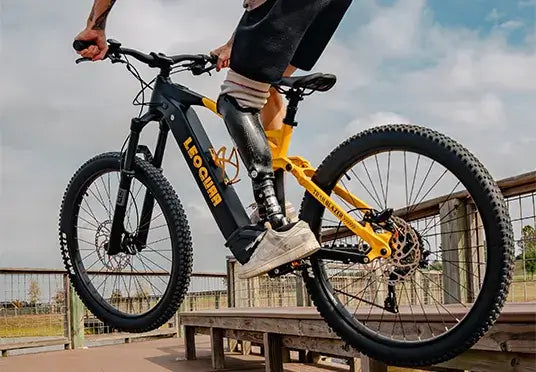
This is one of the biggest choices in this price range. A hardtail e-MTB has a suspension fork at the front but a solid rear end. At a price under $3000, a hardtail will almost always give you more for your money. Companies can afford to add a better fork, stronger brakes, and a more reliable gear system compared to a full-suspension bike at the same price. This makes it a great choice for riders on smoother trails or those who want better pedaling power and lower upkeep.
Budget full-suspension bikes do exist and offer comfort from a rear shock. However, this is where trade-offs become serious. The rear shock and suspension parts are often very low quality, leading to poor performance, extra weight, and possible reliability problems. As expert reviews often highlight, a high-quality hardtail is often a better and more capable trail bike than a poor full-suspension model in the budget category.
Brakes and Drivetrain
Your control system is not the place to save money. For the speeds and weight of an electric motorized mountain bike, hydraulic disc brakes are required for safety. Mechanical disc brakes just don't offer the power or control needed. Look for rotor sizes of at least 180mm. If you find a bike in this price range with 4-piston calipers instead of the standard 2-piston, consider it a huge bonus, as they provide better stopping power and heat handling.
For the gear system, the brand name matters less than the gear range. A wide-range cassette (like 11-46t or larger) is crucial for tackling steep climbs, especially if you need to use your own power in a low-assist mode to save battery. A modern 1x (single chainring) setup with at least 10 speeds is what you should look for.
The Buyer's Framework
To make your search easier, we've created a system to check any potential electric motorized mountain bike. Use this list to quickly judge if a bike is trail-ready.
Must-Haves: Non-Negotiables
- A proper MTB frame shape with a slack head tube angle and long reach, not a changed commuter or cruiser frame.
- Hydraulic disc brakes with at least 180mm rotors.
- A suspension fork with at least 120mm of travel and some form of adjustment (like a lockout or rebound dial).
- A motor and battery system from a trusted brand with available reviews, specs, and customer support.
- A wide-range 1x gear system with at least 10 speeds.
Good-to-Haves: Value Adds
- A dropper seatpost, which lets you lower the saddle with a remote for downhills. This is a game-changer but can be added later.
- A mid-drive motor for its better performance and natural feel.
- Full suspension, if the parts are from known brands and not overly compromised.
- 4-piston hydraulic brakes for maximum stopping power.
Red Flags to Avoid
- Mechanical disc brakes or, even worse, rim brakes.
- Suspension forks with less than 100mm of travel or no damping controls.
- Unclear or unbranded motor/battery specs with no published torque (Nm) or capacity (Wh) numbers.
- Old 7 or 8-speed gear systems with a limited gear range, often using a cheap freewheel instead of a modern cassette.
Finding Your Perfect Fit
The "best" bike depends entirely on you. We often see two main types of riders looking for a budget electric motorized mountain bike, each with different needs.
Profile: The Trail Explorer
This is someone who rides local singletrack on weekends. They want to go further, explore new trail networks, and tackle moderate climbs and descents without being completely tired. Their priority is reliability and balanced, all-around performance. For this rider, we suggest a quality hardtail e-MTB. A bike with a 120-140mm fork, a dependable motor (either a quality hub-drive or an entry-level mid-drive), and a 500-630Wh battery will give the best part quality for the price, offering a durable and fun platform for years of adventure.
Profile: The Adventurer
This rider values comfort over sharp handling, perhaps due to back problems or just preferring a smoother ride. They want to tackle long days in the saddle with less tiredness, and their terrain is more about covering ground on rough fire roads and less-technical trails than high-speed descents. For this rider, a budget full-suspension e-MTB can be a great choice. We suggest being realistic about the part trade-offs but making sure the main frame, motor, and battery are from trusted sources. As independent tests of various e-MTB models confirm, the choice between hardtail and full-suspension heavily depends on the rider's main terrain and priorities.

Beyond the Purchase
Your spending doesn't stop with the bike itself. Planning for essential gear and future upkeep ensures a safe and sustainable entry into the sport.
Essential Riding Gear
Before your first ride, make sure you have the proper safety equipment. This is not optional.
- A quality helmet, preferably with MIPS or a similar rotational impact protection system.
- Riding gloves for grip and protection.
- Appropriate closed-toe shoes.
- A trail-side repair kit including a multi-tool, tire levers, a portable pump, and a spare inner tube.
Smart First Upgrades
Budget bikes have to save money somewhere, and it's often on the "contact point" parts. The best bang-for-your-buck upgrades are:
- Tires: The stock tires on budget bikes are often the biggest performance problem. Upgrading to a set of quality tires from a brand like Maxxis or Schwalbe will dramatically improve grip and confidence.
- Pedals: Most bikes come with flimsy plastic pedals. A set of quality flat pedals with metal pins will provide a huge boost in grip and control.
- Grips: A new pair of ergonomic or lock-on grips is a cheap way to improve comfort and reduce hand tiredness on long rides.
Maintenance Considerations
Finally, be aware that an electric motorized mountain bike puts more strain on its parts. The added weight and motor power mean you will wear through replacement parts like chains, cassettes, and brake pads faster than on a non-electric bike. Planning for a budget for regular maintenance and replacement parts is a key part of responsible e-MTB ownership.
Frequently Asked Questions
Q: What's the minimum budget I need for a trail-capable electric mountain bike?
A: For a new, trail-ready electric motorized mountain bike, plan to spend at least $1,500-$3,000. Bikes priced significantly below this range often make critical sacrifices in motor quality, battery safety, and frame durability that make them unsuitable for real mountain biking.
Q: Should I choose a hardtail or full-suspension e-MTB on a budget?
A: At the sub-$3,000 price point, a hardtail will almost always offer more value for your money. Manufacturers can afford to spec better forks, stronger brakes, and more reliable drivetrains compared to full-suspension bikes at the same price. A high-quality hardtail is frequently better than a compromised full-suspension model in the budget category.
Q: What motor torque do I need for trail riding?
A: For legitimate trail riding, look for a motor with at least 60Nm of torque. This is the minimum needed to handle steep climbs effectively. Premium systems often deliver 85-120Nm, so a 60-70Nm motor represents good value in a budget bike.
Q: Are hub-drive motors acceptable for trail riding, or do I need a mid-drive?
A: While mid-drive motors are preferred for their natural feel and superior climbing performance, a quality hub-drive from a reputable brand can still be effective on flowing trails and fire roads. Don't automatically rule out a bike with a hub-drive if the other components are solid and the motor has good specifications.
Q: What should I upgrade first on a budget electric mountain bike?
A: The best first upgrades are typically the contact points: tires, pedals, and grips. Budget bikes often have poor stock tires that significantly limit performance, so upgrading to quality tires from brands like Maxxis or Schwalbe will provide the biggest improvement in traction and confidence.


Leave a comment