




Electric Motor for eBike: How Many Amps Does a 750W Motor Use?
You're looking at a 750W electric motor for an ebike and wondering just how much power it draws. It's a great question that gets to the heart of e-bike performance, efficiency, and range. The answer isn't a single number. Understanding the variables is key to mastering your ride.
The short answer is: a 750W electric motor for ebike running on a standard 48V battery will draw about 15.6 amps to maintain that power output.
However, that's just the starting point. The actual amp draw is a moving target. It changes constantly based on your battery's voltage and whether you're cruising on a flat road or accelerating up a steep hill. In this guide, we'll break down the simple math behind this calculation. We'll also explore how different battery voltages change the answer and dive into the critical difference between nominal and peak amps. By the end, you'll not only know how many amps your motor uses but also understand what that means for your real-world range and power.
Watts, Volts, and Amps
To truly understand your electric bike electrical system, you need to grasp the relationship between three key terms: Watts, Volts, and Amps. This isn't as complex as it sounds. It is the foundation for making informed decisions about your bike.
The Core Electrical Formula
At the heart of every electric motor for ebike is a basic power equation:
Power (Watts) = Voltage (Volts) × Current (Amps)
Think of it like water flowing through a pipe.
* Voltage (Volts) is the water pressure. Higher voltage means more pressure pushing the electricity through the system.
* Current (Amps) is the diameter of the pipe. Higher amps mean a greater volume of electricity can flow at once.
* Power (Watts) is the total force of the water coming out of the end of the pipe. It's the result of pressure and flow rate combined.
Understanding this is key to grasping foundational e-bike motor technology, which determines how power is delivered to your wheels. A higher voltage system can deliver the same power with less current. This has important implications for efficiency.
Calculating for Your Motor
To figure out how many amps a motor is drawing, we can simply rearrange the formula:
Current (Amps) = Power (Watts) / Voltage (Volts)
With this formula, we can see that to find the amps for a 750W motor, we need one more crucial piece of information. We need the voltage of the battery powering it.

How Voltage Changes Amps
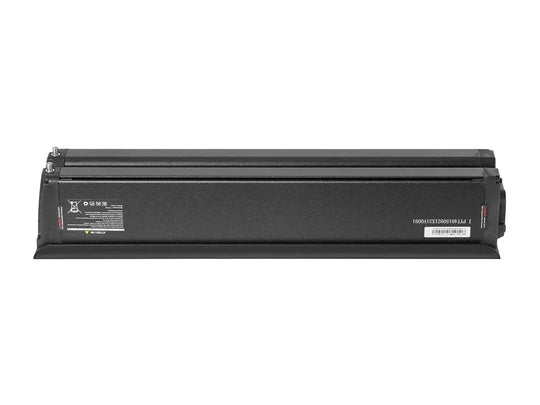
The battery is the fuel tank of your e-bike. Its voltage rating directly impacts how many amps your 750W motor will draw. The most common configurations you'll encounter are 36V, 48V, and 52V systems.
Common eBike Battery Voltages
- 36V: Often found in older, more budget-friendly, or lightweight commuter e-bikes. It's a capable system but requires more current to produce the same power as a higher-voltage setup.
- 48V: This is the industry "sweet spot" and the most common standard for a 750W electric motor for ebike. It offers a great balance of performance, efficiency, and cost.
- 52V: Popular among performance enthusiasts and the DIY community. A 52V battery provides a noticeable boost in power and efficiency. It allows the motor to run cooler and often faster.
Amp Draw Comparison
Let's apply our formula to a 750W motor across these three common voltages. The results clearly show why voltage matters so much.
| Battery Voltage | Calculation (750 Watts / Voltage) | Nominal Amp Draw |
|---|---|---|
| 36V | 750W / 36V | ~20.8 Amps |
| 48V | 750W / 48V | ~15.6 Amps |
| 52V | 750W / 52V | ~14.4 Amps |
As you can see, a higher voltage system draws fewer amps to produce the exact same 750 watts of power. This is a critical concept. Lower amperage means less stress on the battery, controller, and motor wiring. It translates to less heat and greater overall system efficiency.
Peak Amps vs. Nominal Amps
Here is where we move beyond simple math and into the real world of e-bike performance. The "750W" printed on your motor is only part of the story. The true gatekeeper of your bike's power is the motor controller.
Nominal vs. Peak Power
The 750W rating on your electric motor for ebike is its nominal power. This is the continuous power level the motor is designed to handle for extended periods without overheating.
However, for short bursts, like accelerating from a stoplight or powering up a short, steep incline, the system can deliver peak power. This peak power can often be significantly higher than the nominal rating. It sometimes reaches 1000W, 1200W, or even more. What determines this peak? The controller's amp limit.
The Controller's Role
The motor controller is the electronic brain of your e-bike. It takes your input from the throttle or pedal assist sensor and tells the battery how many amps to send to the motor. Every controller has a maximum amp rating. For a typical 750W kit, you'll commonly find controllers rated for 22A, 25A, or even 30A. This controller rating, not the motor's 750W label, dictates your bike's true acceleration "punch."
Let's use an example:
* You have a 750W nominal motor with a 48V battery and a 25A controller.
* While cruising, you might be using 15.6A to produce 750W (48V x 15.6A ≈ 750W).
* But when you hit the throttle hard, the controller can allow a peak draw of 25A.
* This results in a temporary peak power of: 48V × 25A = 1200 Watts.
This is why a well-matched 750W system can feel surprisingly powerful. It's the controller unleashing that peak wattage that gives you thrilling acceleration.
Why This Matters for Riding
This difference between nominal and peak power is what you feel on the road. The sustained, steady power for cruising is the nominal rating at work. That exciting surge of force when you accelerate away from a stop sign is the controller delivering a peak amp draw. The conversation around e-bike power is constantly evolving. Some systems push beyond traditional limits, but understanding the controller's role is fundamental. As noted in a review of modern eMTB motors, the battery and controller capabilities are often the true bottleneck, not the motor itself. This is why some manufacturers are exploring systems that exceed the 750w limit to provide even greater performance.
Real-World Impact
Understanding amp draw isn't just an academic exercise. It has a direct and measurable impact on two of the most important aspects of your e-bike experience. These are battery range and component longevity.
Amp Draw and Battery Range
Your battery's capacity is measured in Amp-Hours (Ah). Think of it as the size of your fuel tank. A 48V 15Ah battery can, in theory, deliver 15 amps for one hour, or 1 amp for 15 hours. Your range is determined by how quickly you drain those amp-hours.
Simple Range Formula: Range ≈ Battery Capacity (Ah) / Average Amp Draw (A) × Average Speed (mph)
If you have a 15Ah battery and your average amp draw is 10A while cruising at 18 mph, your estimated ride time is about 1.5 hours (15Ah / 10A). This gives you a theoretical range of 27 miles (1.5h x 18mph).
If you ride aggressively, constantly demanding peak amps (e.g., 25A), your ride time plummets to just 0.6 hours (15Ah / 25A). This drastically reduces your range. This highlights how crucial it is to match your battery and motor system for your intended use. This point is often emphasized in guides on how to choose the best electric bike motor.
Amp Draw and Component Heat
Every time current flows through a wire, it generates heat. This is known as resistive heating or I²R loss. The key part of that formula is that heat is proportional to the square of the current (Amps).
This means:
* Doubling the amps quadruples the amount of heat generated.
* A 20A draw generates four times more waste heat than a 10A draw.
This is the most compelling argument for higher-voltage systems. As we saw in our table, a 36V system needs 20.8A for 750W, while a 52V system needs only 14.4A. The 36V system is generating significantly more waste heat to do the same amount of work. Excessive heat is the enemy of electronics. It reduces the efficiency of the motor and degrades the battery cells over time. It can also lead to premature failure of the controller. Running a cooler, more efficient system means a longer life for all your components.
Choosing Your System
So, which system is right for you? It depends on your priorities: budget, performance, or a balance of both. This quick guide can help you decide.
Quick Reference Guide
| Rider Profile | Priority | Recommended System | Why? |
|---|---|---|---|
| The Daily Commuter | Reliability, Balance | 48V System | The industry standard for a reason. Offers great performance, excellent efficiency, and the widest compatibility with parts and batteries. |
| The Performance Enthusiast | Power, Efficiency | 52V System | Delivers higher peak power and runs cooler under load. Ideal for heavy riders, hilly terrain, or those who want maximum "punch." |
| The Budget Builder | Cost-Effectiveness | 36V System | Can be a viable option if paired with a smaller motor (e.g., 350W-500W) or for lightweight, flat-terrain builds where high power isn't needed. |
The 48V Sweet Spot
For the vast majority of riders looking to buy or build a bike with a 750W electric motor for ebike, a 48V system is the ideal choice. It provides ample power for spirited acceleration and hill climbing without putting undue stress on the components. The market is flooded with high-quality, reliable 48V batteries and controllers. This makes it easy to find parts and support.
When to Choose 36V or 52V
Choose a 36V system only if you're on a very tight budget and your power needs are modest. It can work, but it will run hotter and less efficiently at 750W compared to its higher-voltage counterparts.
Choose a 52V system if you crave that extra bit of performance. The slight increase in top speed and the noticeable boost in torque, combined with better thermal efficiency, make it the go-to choice. It's perfect for DIY builders and power users who want to get the absolute most out of their 750W motor.

Conclusion
So, how many amps does a 750W electric motor for an ebike use? While the technical answer at a 48V nominal rating is 15.6 amps, the real answer is: "it depends."
We've learned that the actual amp draw is a dynamic value determined by:
1. Battery Voltage: Higher voltage lowers the amps needed for the same power.
2. The Controller: This is the real boss, setting the peak amp limit that defines your acceleration.
3. Your Riding Style: Aggressive riding with frequent acceleration demands high amps, reducing range.
By understanding the interplay between watts, volts, and amps, you're no longer just a rider. You're an informed owner. You can now diagnose issues, plan upgrades, and make purchasing decisions with confidence. This ensures your electric motor for fast ebike is perfectly matched to your needs for years of reliable and thrilling rides.
Frequently Asked Questions
How many amps does a 750W electric motor for ebike draw at different voltages?
A 750W motor draws different amounts of current depending on the battery voltage. At 36V, it draws approximately 20.8 amps. At 48V, it draws about 15.6 amps. At 52V, it draws around 14.4 amps. Higher voltage systems are more efficient because they require less current to produce the same power output.
What's the difference between nominal and peak amp draw on an e-bike motor?
Nominal amp draw is the continuous current your 750W motor uses during steady riding, typically around 15.6 amps on a 48V system. Peak amp draw is the maximum current the controller allows during acceleration or climbing, which can be 25-30 amps or more. This peak current provides the extra power boost you feel when accelerating hard.
How does amp draw affect my e-bike's battery range?
Your battery range is directly related to amp consumption. If you have a 15Ah battery and draw an average of 10 amps, you'll get about 1.5 hours of ride time. If you constantly use peak power at 25 amps, your ride time drops to just 0.6 hours. Moderate riding with lower amp draw significantly extends your range.
Why do higher voltage e-bike systems run more efficiently?
Higher voltage systems like 52V require fewer amps to produce the same wattage as lower voltage systems. Since heat generation increases with the square of the current, lower amp draw means much less waste heat. This results in cooler operation, better efficiency, longer component life, and less battery drain.
Should I choose a 36V, 48V, or 52V system for my 750W motor?
For most riders, 48V is the sweet spot offering great performance, efficiency, and parts availability. Choose 36V only if you're on a tight budget and have modest power needs. Choose 52V if you want maximum performance, better efficiency, and don't mind paying more for the enhanced capabilities.



Leave a comment