













How to Charge Ebike Battery Without a Charger?
You can charge an ebike battery without its charger, but only do this in a real emergency. These methods are risky and dangerous.
The best rule is simple: always use the original charger or a certified, compatible ebike battery charger made for your specific battery. Trying other methods can cause fires, damage your battery forever, and cancel your warranty.
This guide is only for people stuck in emergencies. We don't recommend these methods for normal use. We'll explain why your specific charger matters so much, show you the emergency methods and their risks, and help you find a safe replacement. Your safety and your expensive battery are what matter most.
The Role of Your Charger
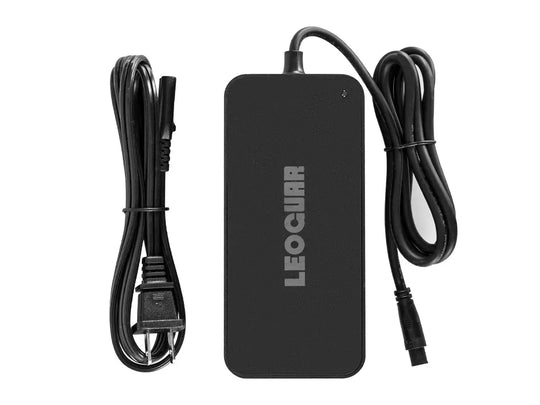
An ebike battery charger does much more than just send power to your battery. It's a smart device that works with your battery's safety system. Just matching the plug and getting power to flow will cause problems. You need to understand three important parts to see the risks.

Voltage, Amps, and the BMS
Voltage (V): Your charger's output voltage must exactly match your battery's full charge voltage. This isn't the same as the number printed on the side (like 48V). A 48V lithium-ion battery usually needs a charger that puts out exactly 54.6V to reach 100%. A charger with too low voltage won't fully charge the battery. One with too high voltage will damage the cells and create a fire risk.
Amperage (A): Amperage controls how fast your battery charges. A 2A charger is normal, while a 4A charger charges fast. Using a charger with too much amperage for your battery can make it overheat and hurt its life span.
Battery Management System (BMS): The BMS is the "brain" of your battery pack. This circuit board inside is the most important safety feature. It protects each lithium-ion cell from getting too much charge, losing too much charge, short circuits, and getting too hot. A proper ebike battery charger talks to the BMS using a specific charging method called Constant Current, Constant Voltage (CC/CV) to make sure each cell stays balanced and charges safely. Experts at Battery University say understanding how lithium-ion batteries are charged helps them last longer. Skipping the BMS communication is the main danger in DIY charging.
The Real Risk of Fire
When charging isn't controlled right, lithium-ion batteries can enter "thermal runaway." This is a fast chain reaction where the cells get very hot, release dangerous gases, and often catch fire or explode.
This isn't just a theory. Fire departments are dealing with more fires from electric bikes and scooters. The National Fire Protection Association talks about the serious fire safety risks associated with lithium-ion batteries, saying many fires come from bad or wrong charging equipment. Using a homemade solution turns your battery from a safe power source into a dangerous hazard.
Emergency Charging Methods
Warning: These methods are only for emergencies and have big risks of battery damage, fire, and injury. Do this at your own risk. We strongly say no unless you're an expert with electronics and have the right tools and safe workspace.
| Method | Risk Level | Required Equipment | Technical Skill | Potential Outcome |
|---|---|---|---|---|
| Adjustable DC Power Supply | Medium | Bench Power Supply, Multimeter, Correct Wires/Connector | Advanced | Controlled partial or full charge |
| Another Ebike's Charger | Medium-High | A charger with identical voltage/connector | Beginner | Risky, potential for BMS conflict |
| Solar Panel + Charge Controller | Medium | Solar Panel, Solar Charge Controller, Wires | Intermediate | Slow, trickle charge |
| Car Battery + Boost Converter | High | Car Battery, DC-DC Boost Converter, Multimeter | Advanced | Very risky, high chance of error |
DIY Charging: Expert Guide
Using a variable DC bench power supply is the most controlled "safest" risky option. In our workshop, we use this controlled method when testing a battery without its charger. It needs precision, the right equipment, and constant watching. Never leave this process alone.
Essential Equipment
You need a Variable DC Power Supply with adjustable voltage and current limits. You also need a Digital Multimeter and wires with the right connector for your battery's charge port. Set up in a fire-safe area like a concrete floor away from anything that can burn. Keep a fire extinguisher (Class ABC or D) nearby.
The Step-by-Step Process
WARNING: This process skips some of the battery's built-in safety features. A mistake in voltage, current, or wire direction can destroy the battery and cause a fire. Be extremely careful.
Step 1: Find Your Battery's Numbers. Look for the normal voltage (like 48V) and the full charge voltage (like 54.6V) on your battery's label. The amperage of the original charger (like 2A) should also be on the label.
Step 2: Set Up the Power Supply. With the power supply OFF and not connected to the battery, set the voltage to the exact full charge voltage (like 54.6V). Then set the current limit to a safe, low number like 1A or 2A. Never go above your original charger's amp rating.
Step 3: Check Wire Direction. This is the most important step. Use your multimeter to find the positive (+) and negative (-) spots on your battery's charging port and mark them. Do the same for the wires from your power supply. Connecting backwards will likely destroy the BMS right away and is a serious fire risk.
Step 4: Connect the Battery (Power OFF). With the power supply still off, connect your charging wires to the battery's charge port securely. Make sure the positive and negative wires can't touch each other.
Step 5: Turn On and Watch. Turn the power supply on and watch the readings. The current should jump to your set limit (like 2A), and the voltage should drop to match the battery's current voltage. As the battery charges, this voltage will slowly go up.
Step 6: Check Temperature. Put your hand on the battery pack every few minutes. It might get slightly warm, but if it gets uncomfortably warm or hot, turn off the power supply right away. This means there's a problem.
Step 7: Disconnect. The battery is almost full when the current starts to drop below your set limit. Once the current falls very low (below 0.1A), charging is done. Turn OFF the power supply before taking the wires off the battery.
As seen in discussions among electronics hobbyists, this method needs a good understanding of electronics. If any of these steps are unclear, don't try this.
Dangerous Charging Mistakes
Many "tricks" found online aren't just bad ideas; they're extremely dangerous. Never try these things:
Never Connect Directly to a Car Battery
A car battery is 12V but can give hundreds of amps. A 48V ebike battery needs about 54.6V to charge. The huge voltage difference and uncontrolled current will destroy the BMS and battery cells, almost certainly causing a fire.
Never Use a Laptop Charger
Even if the plug fits, a laptop charger won't work for your ebike battery. It has the wrong voltage (usually 19V), wrong amperage, and doesn't have the right charging method or BMS communication. This will definitely damage your battery.
Never Connect Wires to a Wall Outlet
This is the most dangerous mistake possible. Plugging battery wires directly into a wall outlet tries to force high-voltage AC power into a DC battery. This will cause an immediate short circuit, explosion, fire, and risk of deadly shock.
Finding a Safe Replacement
After handling an emergency, the only real solution is to get the right charger. This is easy if you know what to look for.
Identify Your Battery Needs
You need three key pieces of information from your battery's label or old charger. First is voltage: look for the battery voltage like 36V, 48V, or 52V - the replacement charger must match exactly. Second is amperage: the original charger's output amperage like 2A, 3A, or 4A - you can match this or choose slightly lower for better battery health but slower charging. Third is connector type: look at the charging plug to identify common types like round DC Barrel, multi-pin XLR, or rectangular RCA connector.
Where to Buy
Option 1 (Best): Contact the original ebike maker or dealer where you bought the bike. This is the only way to guarantee 100% safety and compatibility.
Option 2 (Good): Buy from a trusted ebike parts supplier. These specialists understand battery and charger compatibility and usually sell high-quality, tested products.
Option 3 (Use with Care): Online stores like Amazon. If you must use this option, be very careful and don't buy the cheapest one. Look for chargers listed as UL Certified or CE Certified, which means they've been tested for safety. Pay attention to UL 2849 certification for e-bike electrical systems, which is the best standard for safety.
Universal Charger Risks
A "universal 48v ebike battery charger" can be risky. While some are well-made by good brands, many are cheap, uncertified products. The main risks are wrong peak voltage output even if advertised correctly, poor quality parts that can break, and bad connectors that don't connect securely. Always check the exact voltage output, certification, and connector type before buying.

Conclusion: Charge Smart
While you can technically charge an ebike battery without its charger, the methods are complex and full of risk. An ebike battery costs a lot of money, and your safety is priceless. Your battery's health and your home's safety depend on using a compatible, certified ebike battery charger. Don't risk it and take the time to get the right tool for the job.
FAQ
Can I use any charger that fits my ebike battery?
No, never use a charger just because it fits. The charger must have the exact voltage, correct amperage, and proper communication with your battery's BMS. Using the wrong charger can damage your battery or cause a fire.
What happens if I charge my ebike battery with the wrong voltage?
Using too low voltage won't fully charge your battery. Using too high voltage will damage the cells, create a fire risk, and can cause thermal runaway where the battery overheats and catches fire.
Is it safe to use another ebike's charger on my battery?
Only if both chargers have identical voltage, amperage, and connector type. Even then, different BMS systems might not communicate properly, which can be risky. It's better to use your original charger.
How can I tell if my battery is damaged from wrong charging?
Signs include the battery getting very hot while charging, not holding a charge as long as before, swelling or bulging, strange smells, or the charger not working at all. Stop using it immediately if you notice any of these signs.
Where's the safest place to buy a replacement ebike battery charger?
The safest option is buying directly from your ebike manufacturer or authorized dealer. Second best is a reputable ebike parts supplier. If buying online, only choose UL or CE certified chargers and avoid the cheapest options.




Leave a comment