




Are Electric Bikes Good for Long Distance? What to Expect
Yes, electric bikes are great for long-distance riding. Your success depends on three key things: picking the right bike, setting realistic goals, and planning your ride well. An e-bike is not magic. Its range changes based on many factors. The bike you choose and how you prepare matter a lot for a good trip.
This guide covers everything you need to know. We will start by explaining what "long distance" really means for an e-bike, then look at the technology that makes these rides possible. After that, we will talk about how to pick the best bike for your needs and give you a step-by-step guide to planning and doing your first long-distance electric bike ride.
What Long Distance Really Means
On an e-bike, long distance is measured more by hours riding and battery life than total miles. You want to finish your ride with battery left over, not barely make it home. Here is how we break down long distance electric bike riding into different levels.
The Extended Commute covers 20-40 miles. Almost any modern e-bike can do this distance on one charge. It works great for long trips to work or big errands without worrying about running out of power. The Day Trip goes 40-70 miles. This is the perfect range for a real long-distance e-bike adventure. You need a good bike and some basic planning about assist levels and hills. This is where the real fun starts.
The Epic Tour covers 70+ miles per day. This level needs special equipment and careful planning. You need a touring e-bike, often with two batteries, and a plan for charging during your ride. The reward is being able to take a real multi-day adventure that changes what you think is possible on two wheels.

How E-Bike Power Works
To understand long-distance ability, you need to know about the battery and motor. These are the heart and muscles of your e-bike. Their specs directly affect how well your ebike performs on the road.
Watt-Hours: Your Fuel Tank
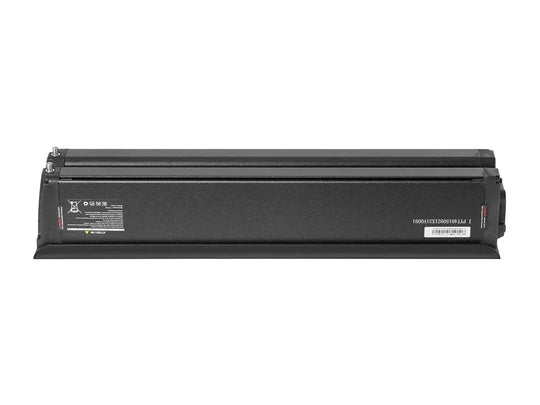
The most important number for e-bike range is battery capacity, measured in Watt-hours (Wh). Think of Wh as your fuel tank size. A higher Wh number means more stored energy, which usually means longer range. For example, a standard 500Wh battery might give you 25-50 miles in real conditions, while a bigger 750Wh battery could reach 40-70 miles.
For serious long-distance riders, companies now make dual-battery systems with over 1000Wh total. This basically doubles your potential range and makes 100-mile days actually possible.
Hub vs. Mid-Drive Motors
The motor turns battery power into movement. The type and location of the motor greatly affects efficiency and how the bike feels, especially on long rides.
Mid-Drive Motors sit at the bike's pedals and put power directly into the drivetrain. This lets the motor use the bike's gears, making it very efficient on hills and different terrain. For long-distance touring, a mid-drive motor is the pro choice because it is efficient and feels natural, like it is boosting your own pedaling.
Hub Motors sit in the front or rear wheel hub. They are simpler, often cheaper, and give a clear "pushing" or "pulling" feeling. They work great for flatter long commutes but can be less efficient on long, steep climbs because they work separately from the bike's gears.
| Feature | Mid-Drive Motor | Hub Motor |
|---|---|---|
| Best For | Hilly terrain, touring, efficiency | Flatter commutes, budget-conscious |
| Efficiency | Higher (uses bike's gears) | Lower on hills |
| Feel | Natural, like amplified pedaling | A distinct "pushing" sensation |
| Maintenance | More complex | Simpler |
Real-World Range Facts
One of the biggest confusing points for new e-bike buyers is the gap between advertised range and real performance. This section gives you an honest view and tools to estimate your own potential range correctly.
The 100-Mile Range Myth
Companies often advertise impressive range numbers, sometimes over 100 miles. You need to understand that these numbers come from perfect, lab-like conditions: a very light rider, on perfectly flat ground, with no wind, using the lowest possible assist setting. In the real world, your range will almost certainly be lower. Companies are not lying; they are just showing the absolute best case. As a rule, you can expect your actual range to be about 30-50% less than the highest advertised number, a fact confirmed by rigorous independent testing.
Six Things That Affect Range
Your e-bike's range changes with every ride. Here are the six key factors that have the biggest impact:
Pedal Assist Level (PAS) is the most important factor. Riding in "Eco" or "Tour" mode uses little battery power, while "Turbo" or "Boost" mode uses a lot. Using the highest assist level can cut your potential range by more than half compared to the lowest setting.
Terrain matters a lot because hills are the enemy of battery life. Every climb forces the motor to work harder, using much more power. A route with 2,000 feet of climbing will drain your battery much faster than a flat one of the same distance. Rider and cargo weight affects range because it takes more energy to move more weight. A heavier rider or a bike loaded with bags will get less range than a lighter rider with no cargo.
Wind and weather create extra challenges since riding into strong headwind is like riding up a constant invisible hill. It creates drag and forces the motor to work harder. Also, cold temperatures (below 40°F/5°C) can temporarily reduce a lithium-ion battery's efficiency and total capacity. Tires and pressure matter because knobby, wide tires at low pressure create more rolling resistance than smooth, narrow tires inflated to higher pressure. This extra friction requires more energy to overcome.
Riding style affects efficiency since smooth, steady pedaling uses less energy than a ride with frequent stops, starts, and hard acceleration. Every time you speed up from a stop, you use a burst of power.
Picking Your Long-Distance Bike
A good long-distance e-bike needs more than just a big battery and powerful motor. On rides that last for hours, comfort and durability are just as important as electronic specs. Discomfort leads to tiredness, which can end a ride just as surely as a dead battery. Here is a checklist of features to look for in a great long distance electric bike:
Comfortable geometry is essential because an aggressive, hunched-over racing position is terrible for long rides. Look for bikes with an upright or slightly forward-leaning riding position. Companies often use terms like "touring," "endurance," or "commuter" geometry to describe this more relaxed position. Quality suspension helps by having a suspension fork at the front to absorb bumps and reduce tiredness in your arms and shoulders. For ultimate comfort, a suspension seatpost can make a huge difference by absorbing vibrations before they reach your lower back.
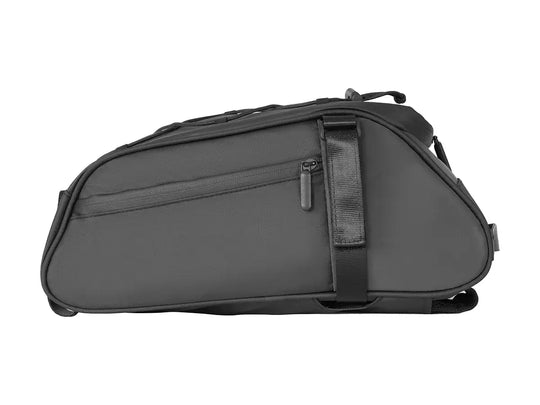
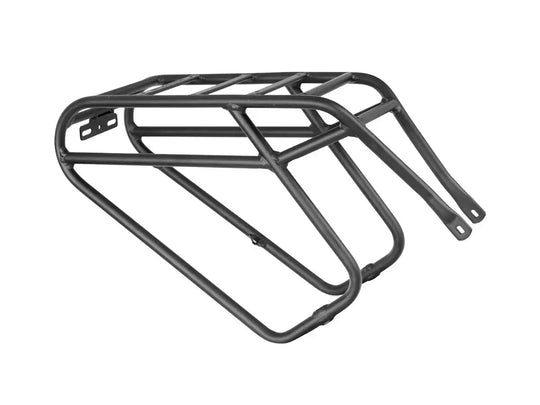
Good contact points are the three places your body touches the bike. A comfortable, supportive seat is a must. Ergonomic, wing-shaped grips can prevent hand numbness, and good platform pedals provide a stable base for your feet. Durable, puncture-resistant tires prevent problems since getting a flat tire 30 miles from home can turn an adventure into a disaster. Look for bikes with tires that have built-in puncture protection. They add some weight but provide valuable peace of mind. Cargo ability lets you carry essentials for a long ride like extra clothes, food, water, and tools. An integrated rear rack is a must-have feature for any serious long-distance e-bike.
These features are exactly why modern e-bikes have made everyday cycling feel possible again for many people, helping them tackle longer and more ambitious rides with confidence.
Planning Your First Long Ride
With the right knowledge and bike, it is time to put theory into practice. This guide will walk you through planning and doing your first 50-mile e-bike adventure, using the same process experienced e-bike tourers use.
Route and Battery Planning
First, map your journey using a cycling app like Komoot or Ride with GPS. These tools provide bike-friendly routing and, most importantly, show you the route's elevation profile. Knowing where the hills are is critical. This leads to "battery budgeting" where you do not start your ride in Turbo mode. Think of your battery in segments. Use the lowest effective assist level (Eco or Tour) on flat sections and downhills. Save the higher assist levels (Sport or Turbo) for challenging climbs where you truly need them. This smart use of power is the key to getting maximum range.
The Pre-Ride Check
Before every long ride, do an "A-B-C-Quick Check":
- A for Air means check your tire pressure. Properly inflated tires roll more efficiently. The recommended pressure is written on the tire's sidewall.
- B for Brakes means squeeze your brake levers to make sure they feel firm and work properly.
- C for Chain means look at your chain to make sure it is clean and lightly oiled, not dry and squeaky or covered in dirt.
And the most obvious check: make sure your battery was charged to 100% overnight.

Essential Packing List
For a 50-mile ride, you need to be self-sufficient. While you do not need to pack for a cross-country trip, a few essentials are must-haves. When looking for gear, consider starting with a list of the best electric touring bike options for 2026 to see what features are prioritized.
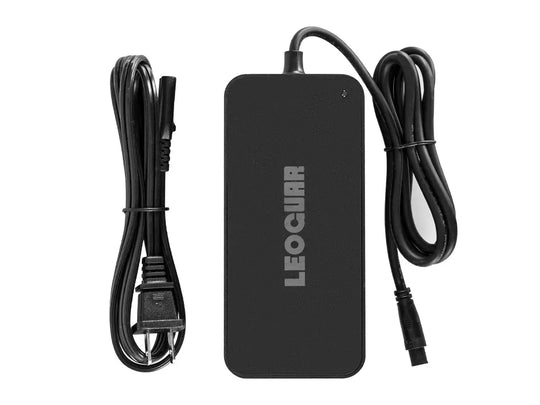
Your pack should always include the Trinity: your e-bike charger (in case you find a friendly café for a top-up), a basic multi-tool with common Allen keys, and a flat kit (tire levers, a spare tube or patch kit, and a portable pump). Beyond the bike essentials, pack at least two water bottles, energy-rich snacks (like granola bars or bananas), a lightweight rain jacket, and your fully-charged phone.
With this knowledge and preparation, the answer to "are electric bikes good for long distance" becomes a clear yes. They are powerful tools that make hills easier, shorten distances, and open up a world of adventure that was once out of reach for many. Now go plan that ride.
Frequently Asked Questions
Q: How far can an electric bike go on a single charge?
A: Most e-bikes can travel 25-70 miles on a single charge, depending on battery size, terrain, rider weight, and assist level used. A 500Wh battery typically provides 25-50 miles in real-world conditions, while larger 750Wh batteries can reach 40-70 miles.
Q: What is considered long distance for an electric bike?
A: Long distance varies by rider experience. Extended commutes are 20-40 miles, day trips are 40-70 miles, and epic tours are 70+ miles per day. The key is finishing with battery power remaining rather than pushing the absolute limit.
Q: Are electric bikes good for long distance touring?
A: Yes, electric bikes are excellent for long distance touring when properly equipped. Look for bikes with large batteries (750Wh+), mid-drive motors, comfortable geometry, and cargo capacity. Dual-battery systems can enable 100+ mile days.
Q: How do I extend my electric bike's range for longer rides?
A: Use lower assist levels on flat terrain, save higher assist for hills, maintain proper tire pressure, reduce cargo weight, plan routes to avoid headwinds when possible, and pedal consistently rather than relying entirely on the motor.
Q: What should I pack for a long distance electric bike ride?
A: Essential items include your charger, multi-tool, flat repair kit, pump, two water bottles, energy snacks, rain jacket, and fully charged phone. For rides over 50 miles, consider extra layers and emergency supplies.



Leave a comment