




Electric Bike United States: E‑Bike Sales Trends And What Buyers Want
The E-Bike Revolution is Here
The two-wheeled revolution is happening right now. E-bikes have changed from a strange new idea to something normal people buy every day across the United States. You see them everywhere now. They're changing how we get to work, have fun, and even move our families around.
This article will show you what's really happening in the electric bike United States market. We'll look at how fast sales are growing and which types of bikes people want most. More importantly, we'll tell you what buyers really care about today. When you understand these trends, you can make a better choice about which bike to buy.
Charting the E-Bike Surge
E-bike sales in the USA are growing incredibly fast. It's like a wave that's changing how people get around. The numbers tell an amazing story that goes way beyond just seeing more bikes on the road. According to recent market analysis, Americans are buying e-bikes faster than ever before, and e-bike sales are actually beating electric car sales.
This growth isn't random. Several big changes in society and money matters are driving this trend together. E-bikes aren't just cool gadgets anymore-they solve real problems in modern American life. Here's why people are buying them:
- Economic Savings: Gas prices go up and down, and owning a car costs a lot of money. E-bikes cost much less for daily trips. You save big money on gas, insurance, and fixing things.
- Health & Wellness: E-bikes give you a great workout that's easy on your body. The motor helps when you need it, so people of all fitness levels and ages can ride them.
- Urban Mobility: If you live where traffic is bad, e-bikes are perfect for getting around jams and parking problems. You can skip traffic and park anywhere easily, which is transforming American cities and how people commute.
- Environmental Impact: More people want to help the environment now. E-bikes don't create pollution for short and medium trips, which make up most of our daily travel.

Popular E-Bike Categories
The word "e-bike" covers many different types of bikes made for different purposes and lifestyles. Knowing which types American buyers like most helps you figure out which one might work for you. The market has grown beyond basic models, and certain types have become clear winners.
The All-Rounder: Commuter & Hybrid
This type forms the backbone of the e-bike market. These bikes work well for many different things, making them perfect for replacing your car on daily trips to work, running errands, or weekend rides on paved paths. Most of these models have features that make daily use easier, like medium-power motors (usually 500W to 750W), built-in lights so people can see you, fenders to keep you clean, and back racks for carrying bags. They balance performance and usefulness in a way that appeals to lots of people.
The Family Hauler: Cargo & Utility
This might be the most game-changing type of e-bike, and it's getting hugely popular, especially in suburban America. These are like "minivans of the bike world," built to carry heavy loads, whether that's a week's worth of groceries or two kids on the back. Key features include strong frames with long backs or front boxes, very stable design, and amazing weight capacity, often 350-400 pounds. A powerful motor is absolutely necessary to handle the extra weight, especially going uphill.
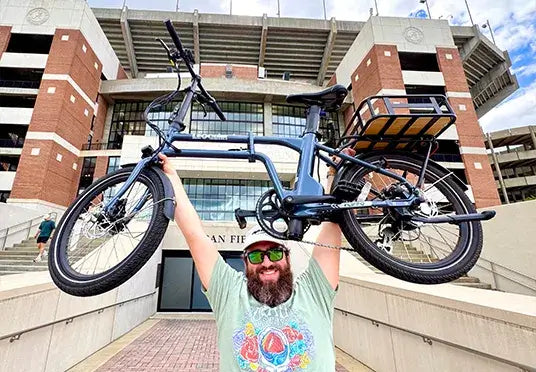
The Urban Explorer: Folding & Compact
For city people living in apartments or those who combine train rides with bike rides, folding e-bikes change everything. The main selling point is that you can carry them easily. These bikes fold down to fit in car trunks, under office desks, or in small closets. This convenience comes with some trade-offs, like smaller wheels that can feel less stable on rough roads and smaller batteries that don't last as long. However, for "last-mile" commuting, nothing beats their usefulness.
The Trail Tamer: Fat Tire & Off-Road
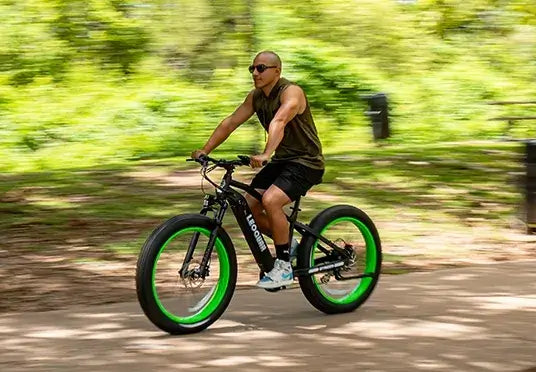
People first made these for riding on sand or snow, but fat tire e-bikes have found a surprising number of fans in cities and suburbs. The 4-inch or wider tires provide incredible cushioning, smoothing out potholes and rough roads for a super comfortable ride. While they work great on trails and dirt surfaces, many buyers in the electric bike United States market choose them just because they ride so comfortably and confidently on city streets.
| Bike Category | Primary Use Case | Key Feature |
|---|---|---|
| Commuter/Hybrid | Daily travel, errands | Efficiency, integrated accessories |
| Cargo/Utility | Carrying kids, groceries | High payload capacity, stability |
| Folding/Compact | "Last-mile" travel, small spaces | Portability, lightweight frame |
| Fat Tire/Off-Road | All-terrain, comfortable ride | 4-inch+ wide tires, powerful motor |
What Features Buyers Want
As the market grows up, so do the buyers. The conversation has changed from "Do I want an e-bike?" to "Which specific features will give me the best experience?" We're seeing people move away from basic, cheap options toward wanting quality, safety, and performance. Here's what smart buyers care about most right now.
The Power Debate: Torque vs. Cadence Sensors
This makes one of the biggest differences in how the bike feels to ride. A cadence sensor works like a simple on/off switch-as soon as you start pedaling, it tells the motor to give a set amount of power. A torque sensor is much smarter. It measures how hard you're pedaling and gives you help based on that.
From our testing, the difference is huge. A torque sensor makes you feel like you suddenly have super strong legs, making hills smooth and natural to climb. The bike feels like part of your body. A cadence sensor can feel jerky and weird, which works okay for flat ground but feels rough on hills and varied terrain. We're seeing smart buyers willing to pay more for the better ride feel of a torque sensor.
The Safety Imperative: UL-Certified Batteries
After news reports about fires from cheap batteries, safety has become a top worry. This has led to a major push for improved safety certification. The best standard is UL 2849, a complete certification from Underwriters Laboratories that tests the whole e-bike electrical system-the battery, charger, and controller-for fire and electrical safety. With new rules like the one in New York City requiring this certification for all e-bikes sold, UL 2849 is quickly becoming something any safety-minded buyer in the United States must have.
Braking Power: Hydraulic Brakes
E-bikes are heavier and faster than regular bikes. This simple fact makes good brakes essential. While cheaper e-bikes use mechanical disc brakes operated by steel cables, the market is quickly moving toward hydraulic disc brakes as the standard. Hydraulic systems use fluid to transfer force from the lever to the part that stops the wheel, giving much more stopping power with less hand effort. For heavier cargo bikes or faster Class 3 commuters, the reliable, all-weather performance of hydraulic brakes is a crucial safety feature that informed buyers now expect.
Range and Removability: The Battery Equation
"Range anxiety" is a real worry for e-bike riders. Nobody wants their motor to die when they're miles from home. Because of this, we've seen steady demand for bigger battery capacities, measured in watt-hours (Wh). While 500Wh used to be standard, batteries of 600Wh, 750Wh, and even bigger are becoming common as buyers want the freedom to ride longer without worry. Just as important is wanting removable batteries. For millions of Americans living in apartments or who can't park their bike near an outlet, a battery that can be unlocked and carried inside for charging is absolutely necessary.

Navigating E-Bike Laws
The legal rules for e-bikes in the United States can seem confusing, but they directly affect what you can buy and where you can ride. Understanding this system is key to choosing the right bike. Federal law provides a foundation, but states and local areas make the final decisions.
The Three-Class System
To create a standard framework, the industry and groups like PeopleForBikes have promoted a three-class system for e-bikes, which most states have adopted.
- Class 1: Pedal-assist only (the motor only works when you pedal), with a maximum assisted speed of 20 mph.
- Class 2: Has a throttle that can power the bike without pedaling, with a maximum motor-powered speed of 20 mph.
- Class 3: Pedal-assist only, with a higher maximum assisted speed of 28 mph. People often call these "speed pedelecs."
Federal vs. State Rules
While federal consumer product safety rules define a "low-speed electric bicycle" with a 750W motor limit, the actual road rules are set by each state. The good news is that this has created consistency in many places. Over 35 states now use the three-class framework, which generally treats e-bikes like regular bicycles, meaning you don't need a license or registration. However, it's always important to check local rules, as helmet requirements and age limits can be different.
How Regulations Influence Choice
These laws directly affect market trends. The 28 mph top speed of Class 3 e-bikes makes them very popular with commuters who want to keep up with city traffic. Many companies sell bikes that ship as Class 2 but can be "unlocked" through software to Class 3 performance, giving users flexibility. On the other hand, trail access matters a lot for recreational riders. Many bike paths and state parks that allow e-bikes only let Class 1 models in, worried about the higher speeds of Class 2 (with throttle) and Class 3 bikes. This means a buyer who wants maximum trail access might specifically choose a Class 1 e-bike.
Riding into the Future
The electric bike market in the United States is more exciting than ever. The explosive growth will continue, driven by people clearly wanting more affordable, healthy, and enjoyable transportation. As we've seen, this growth is turning into clear trends: a big shift toward usefulness with cargo and fat tire bikes, and smarter buyers who know what to look for.
The main message for anyone shopping today is that the focus has moved beyond just the motor. Today's informed American e-bike buyer cares about a complete experience defined by better ride quality (torque sensors), proven safety (UL certification), and everyday usefulness (hydraulic brakes and good range). By understanding these trends, you're no longer just a customer; you're an informed part of the two-wheeled revolution. The perfect e-bike for your life is out there, waiting for you to find it.
FAQ
Q: What's the difference between Class 1, Class 2, and Class 3 e-bikes?
A: Class 1 e-bikes only help when you pedal and top out at 20 mph. Class 2 e-bikes have a throttle and also max out at 20 mph. Class 3 e-bikes only help when you pedal but can go up to 28 mph. Most states treat them differently for where you can ride.
Q: How far can an e-bike go on one charge?
A: Most e-bikes can go 20-60 miles on one charge, depending on the battery size, how much you pedal, the terrain, and your weight. Bigger batteries (measured in watt-hours) generally give you longer range.
Q: Do I need a license to ride an e-bike?
A: In most states, you don't need a license, registration, or insurance for e-bikes that follow the three-class system. However, some states have age requirements and helmet rules, so check your local laws.
Q: Are e-bike batteries safe?
A: High-quality e-bikes with UL 2849 certification are very safe. This certification tests the entire electrical system for fire and safety risks. Avoid cheap, uncertified batteries that have caused fires in some cases.
Q: What should I look for when buying my first e-bike?
A: Focus on a torque sensor for natural ride feel, UL-certified battery for safety, hydraulic brakes for good stopping power, and enough battery capacity for your typical rides. Also consider whether you need a removable battery for charging convenience.


Leave a comment