




Best Hill Climbing Ebike: Watts vs Torque Guide
With the best hill climbing ebike, that steep hill in front of you no longer looks like a nightmare. You're at the bottom, and your legs already hurt just looking at it. This moment separates casual riders from real climbers, and it makes you question your bike choice. As you start to pedal, you wonder: did I buy the right bike? Should I have focused on a motor with more watts, or was the salesperson right about torque being more important? This confusion happens to everyone. When looking for the best hill climbing ebike, the battle between watts and torque can feel overwhelming. This guide will cut through the confusion and help you understand what these terms really mean.
Let's get straight to the point. For climbing hills, torque matters more than watts. Torque is the twisting force that gets you moving from a stop and pushes you up steep hills, especially when you're going slow. Watts are more about keeping your speed once you're already moving. Think of torque as the initial push and watts as the power to keep going. While high watt numbers look impressive on paper, torque is what stops you from getting stuck when the hill gets really steep. But this is only part of the story, and we need to understand how these two forces work together to find the best hill climbing ebike.
Understanding Power on Ebikes
To make a smart choice, you need to understand how ebike power works. Watts and torque are the two numbers people talk about most, but they do very different things. Learning this difference is the first step to finding a bike that really works for you.
What is Torque?
Torque is your "getting started" power. Think about using a wrench to loosen a tight bolt - the twisting force you put on that wrench is torque. On an ebike, torque shows how much rotational strength the motor has. It's the force that gets you moving from a red light or pushes your bike up a steep trail when you're going slowly. High torque means the motor can give you a strong push right when you need it, especially when you're pedaling slowly. For climbing hills, this is the most important thing that makes a bike feel powerful.
Watts are your "keeping going" power. A watt measures how fast work gets done, and the basic formula is Power equals Torque times Speed. Going back to the wrench example - if electric bike torque is the force you use, watts show how fast you can turn that wrench. A motor with high watts can keep giving power even at high speeds. This is why you notice watts more on flat roads where you want to go fast and stay fast. As bike experts have explained, power shows the total work ability of the motor.

The Climber's Example
Here's a simple way to think about it:
- Torque is like a weightlifter who has huge strength to lift heavy weights off the floor. This is what you need to get yourself and your bike moving up a steep hill from slow speeds.
- Watts are like a runner who can keep a very high speed for a long distance. This is what you need to cruise at 20 mph on flat bike paths.
For the best hill climbing ebike, you need the weightlifter's strength first.
| Feature | Torque (Nm) | Power (Watts) |
|---|---|---|
| Main Job | Twisting Force | Rate of Work |
| What It Feels Like | The first "punch" from a stop | Ability to keep high speed |
| Best For | Starting, speeding up, climbing steep hills | High-speed riding on flat ground |
| Simple Example | The Strength (Weightlifter) | The Speed (Runner) |
Beyond Just the Motor
A powerful motor is just one piece of the puzzle. The best articles about this topic often list specific bike models, but they all say the same thing: the best hill climbing ebike works as a complete system. Looking only at torque or watts is like judging a car just by engine size and ignoring everything else like the transmission and brakes.
How Everything Works Together
Many people think you can just push a button and fly up hills without trying. Good modern ebikes don't work that way - they use smart sensors that measure how hard you're pedaling and give you help that matches your effort. This creates what we call the "Power Team": Motor Power plus Your Pedaling plus the Right Gears. The system rewards smooth, steady pedaling and makes the ride feel natural and powerful instead of jerky like a scooter.
Mid-Drive vs Hub Motors
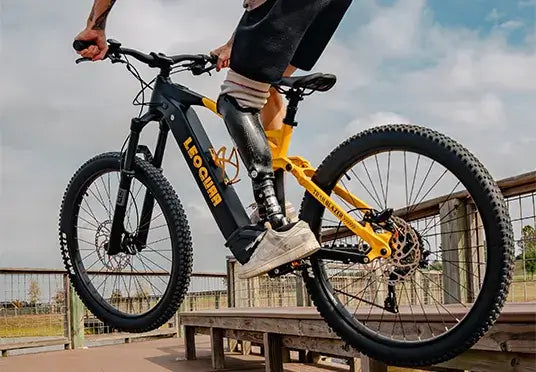
Where the motor sits on the bike makes a huge difference for climbing. Mid-Drive Motors sit in the middle of the bike at the pedals. Their big advantage is that they power the chain, so the motor can use the bike's gears just like your legs do. When you shift to an easier gear, it multiplies the torque going to the rear wheel. This makes mid-drive systems the clear winners for steep and technical climbing. Premium bikes like the Leoguar Trailblazer EMTB has mid-drives with 100 Nm of torque or more.
Hub Motors sit in the wheel hub and apply power directly to the wheel without using gears. High-power hub motors can work well on moderate hills and cost less money. However, on long, hard climbs, they can overheat because they can't use gearing to reduce the strain.
For the absolute best hill climbing ebike performance, mid-drive motors are better.
Why Gears Matter
Good gears are your secret weapon on climbs. A bike with many gears, especially a very easy "granny gear," lets you keep pedaling at a comfortable pace even when the hill gets really steep. When you pair this with a mid-drive motor, both you and the motor work in the most efficient range. This makes climbing feel easier and uses less battery power too.
Battery Power for Hills
Climbing hills uses tons of energy, which drains your battery much faster than flat riding. A bike might say it goes 50 miles, but that can easily drop to 25 miles if you're climbing lots of hills. For serious hill climbing, look for a battery with high capacity measured in Watt-hours (Wh). A 500Wh battery is a good start, but for long rides in hilly areas, 600Wh to 750Wh gives you much more safety margin.
Safe Descents
What goes up must come down safely. Conquering the climb is only half the job - you need to get down safely too. This is where brakes become super important. For any serious hill-climbing ebike, hydraulic disc brakes are absolutely necessary. They give much better stopping power than cable brakes. Also look for bigger brake rotors (180mm or 200mm) because they handle heat better and won't fade on long descents.
What to Look For
Now that you understand the complete system, here's a practical shopping list for the best hill climbing ebike.
Torque Numbers That Matter
This is your main sign of climbing strength.
- 50-60 Nm: Good enough for moderate hills and city commuting in hilly areas.
- 70-85 Nm: The sweet spot for most riders, giving strong performance on sustained climbs and steeper trails.
- 85 Nm and up: The premium level that will handle almost any climb you can find without slowing down.
Choose the Right Motor Type
As we talked about, mid-drive motors are better for using gears and handling technical terrain. However, a high-torque hub motor can still work well and cost less for road and light trail use.
Battery Size Matters
Don't get stuck with a dead battery halfway up a mountain. Look for at least 500Wh, and if you're heavier, plan long rides, or live in very hilly areas, we strongly suggest 600Wh or more.
Don't Forget Brakes and Gears
You must have hydraulic disc brakes. Check the gear range - a cassette with a big cog (42-tooth or bigger) will save you on steep hills.
Real-World Use
The "best" bike depends completely on what you need. Numbers on paper can only tell you so much.
Match Your Riding Style
The perfect bike for someone commuting in hilly San Francisco is different from one for mountain biking in the Alps. The commuter needs reliability, maybe fenders and racks, and enough power for paved climbs. The mountain biker needs good suspension, grippy tires for loose dirt, and a mid-drive motor for technical rocky climbs. Figure out how you'll mainly use the bike first, then find one with the right climbing power.
Learn Good Technique
Even the best hill climbing ebike works better with good riding skills. Remember that you and the bike are partners. Shift to easier gears before you need them, not after you're already struggling. Try to pedal at a steady, consistent pace instead of mashing hard gears slowly. On very steep climbs, lean forward and lower your chest toward the handlebars to keep the front wheel on the ground.

Your Next Adventure
The argument between watts and torque often misses the bigger picture. While torque is definitely the most important single number for climbing power, the best hill climbing ebike is a complete working system. It's a high-torque motor working together with good gears, powered by a strong battery, and controlled by reliable brakes. It's a bike that feels like a natural extension of your own effort, helping you ride further and higher than you thought possible. With this knowledge, you can now look past the flashy marketing numbers and judge an ebike as a complete package. The right bike is out there, waiting to turn that scary hill from an obstacle into an invitation for your next adventure.
Frequently Asked Questions
Q: Is torque or watts more important for climbing hills on an ebike?
A: Torque is more important for hill climbing. Torque provides the rotational force needed to get you moving from a stop and push you up steep inclines at low speeds. While watts help maintain speed once you're moving, torque is what prevents you from getting bogged down when the gradient gets steep.
Q: What's the minimum torque I should look for in a hill climbing ebike?
A: For moderate hills and urban commuting, 50-60 Nm is sufficient. For most riders who want strong climbing performance, 70-85 Nm is the sweet spot. If you plan to tackle very steep or technical terrain, look for 85 Nm or higher.
Q: Are mid-drive motors really better than hub motors for climbing?
A: Yes, mid-drive motors are superior for hill climbing because they can leverage the bike's gears. When you shift to an easier gear, it multiplies the torque delivered to the rear wheel, just like it does for your legs. Hub motors apply power directly to the wheel without this gearing advantage.
Q: How much battery capacity do I need for hill climbing?
A: Climbing hills drains batteries much faster than flat riding. Start with at least 500Wh, but for longer rides in hilly terrain, 600-750Wh provides much better range. Remember that a bike's advertised range can be cut in half when climbing significant hills.
Q: What other features besides motor power should I consider for a hill climbing ebike?
A: Don't overlook hydraulic disc brakes for safe descents, a wide gear range with low "granny gears" for efficient climbing, and larger brake rotors (180-200mm) to handle heat on long descents. The complete system matters more than just motor specs alone.


Leave a comment