


Best Commuter Ebike: Which One Won’t Make Your Daily Ride a Chore?
Your Daily Trip's Problems
Let's be honest: going to work every day can be the worst part of your day. You're either stuck in traffic jams, packed onto a crowded train, or riding a regular bike only to arrive at work sweaty and tired. It feels like a task you have to do twice a day. But what if it didn't have to be this way?
Ebike commuting is also moving far beyond a niche trend. Market forecasts show strong long-term growth globally and in the U.S., which tells you more riders are choosing e-bikes as a practical daily transport tool, not just a weekend extra. That makes picking the best commuter ebike more important than ever. An electric bike can change this daily struggle into something good, giving you back time, energy, and even some fun.
This guide helps you find the best commuter ebike for your life. If you're searching for the best commuter ebike in 2026, the answer is not one single model for everyone. The best commuter ebikes right now usually share the same traits: reliable range, practical commuter features, comfortable geometry, and low day-to-day hassle. The right choice depends on whether your ride is short and urban, long and hilly, or mixed with public transport.
We won't just list many popular models. Instead, we'll give you a clear way to understand what you need, so you can pick from the best ebikes for commuting and find the perfect match for your daily trip.
The Three Main Ideas
Before we talk about details, let's make things simple. A great commuter ebike that won't become another task is built on three main ideas: It works well, feels good, and helps you in real ways. Any bike you think about should be judged by these rules.
- It works well: Your commuter ebike needs to work every single day. This means strong parts that can handle daily use, a good battery from a trusted company, and a motor that gives steady power without stopping. When it works well, you have a stress-free ride. A good commuter ebike also does not mean giving up movement. Research has found that e-bike commuting can still support meaningful physical activity, and even shorter commutes can reach healthy exercise intensity. That helps explain why the best commuter ebike feels easier than a regular bike, but still adds real movement to your week.
- It feels good: If a bike hurts to ride, you won't use it. Good feeling comes from sitting up straight so you can see traffic well, a seat that supports you on longer rides, grips that fit your hands, and sometimes springs to smooth out cracked roads and holes.
- It helps you in real ways: A great work bike is made for the real world. This covers the important features that make your life easier: built-in guards to keep you dry, a back rack for carrying your bag or food, and built-in lights so you can see and be seen. It also means thinking about the electric bike weight, which matters if you need to carry it up stairs.
Know Your Trip
The "best" ebike means nothing without knowing how you'll use it. Budget matters too. If you want the best commuter ebike under $1500, focus on simple city-ready models with a hub motor, a practical battery, and essentials like lights and fenders. If your budget is closer to the best commuter ebike under $2000 range, you can usually expect better ride feel, stronger brakes, a larger battery, and more useful everyday features.
The best commuter ebike for a 2-mile flat ride in the city is totally different from one for a 15-mile hilly trip in the suburbs. That difference matters in real life because many ebike trips are not just extra rides. Owner survey data shows e-bikes often replace car trips, with replaced driving averaging about 9.3 miles per trip. So if your regular commute is around 8 to 10 miles each way, a commuter ebike can realistically become part of your normal transport routine.
To find the right fit, you first need to know your type of trip. This idea of matching bike type to how you use it is backed by experts, as seen in Consumer Reports' buying guide, which shows how different styles like folding or cargo bikes serve different real needs. Which one sounds most like you?
Type 1: The City Rider
- Your Trip: Short and easy, usually under 5 miles each way on mostly flat city streets. You move through heavy traffic, bike lanes, and may need to bring your bike into an office, an elevator, or up stairs to your home.
- What You Care About: Being able to move quickly through traffic, low total weight so you can carry it, and small size.
- Best Bike Features: Look for a light frame (under 55 lbs is good), maybe a folding design for easy carrying, and thinner, fast tires. A smaller battery (350-400Wh) is often enough for your shorter distance, which helps keep the weight and cost down.
For many riders, the best lightweight commuter ebike for city riding is not the one with the biggest motor or battery. It's the one you can move easily, park easily, and ride through traffic without feeling like you're handling a heavy machine. In daily city use, lower weight often matters more than extra power.
Type 2: The Long-Distance Rider
- Your Trip: A longer ride, often 10 miles or more each way. Your route likely has big hills, different road types, and long parts where you need to keep up speed.
- What You Care About: Battery power to finish a round trip without worry, motor strength to make hills easy, and comfort for long time riding.
- Best Bike Features: A big battery (500Wh or more) is a must. A stronger motor, especially a mid-drive system, will make hills feel easy. Look for features like front springs, a soft seat, and wider tires to make sure you have a smooth, comfortable ride over any road.
Type 3: The Mixed Transport Rider
- Your Trip: You use the best of both worlds, using your ebike for part of the trip and public transport (like a train or bus) for the rest.
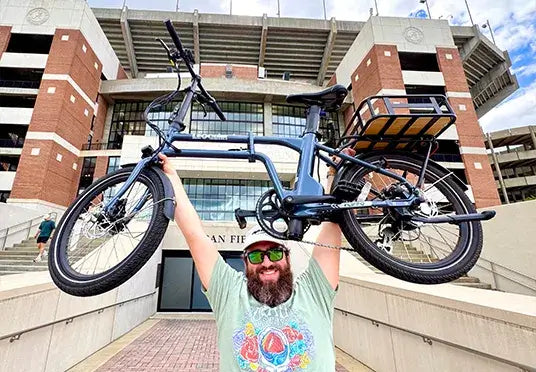
- What You Care About: Being able to carry it is everything. You need a bike that is light enough to carry and small enough to store easily on a crowded train or under a desk.
- Best Bike Features: A good folding system is a must. The best folding commuter ebike for commuting or public transit should solve a real storage problem, not create a new one. It should fold fast, lock securely when folded, and feel manageable on stairs, platforms, and tight apartment corners. If the bike is still bulky and awkward after folding, it will feel like work very quickly. The bike must be easy and quick to fold and unfold. Low weight (best under 50 lbs) is very important. Features like built-in wheels or a frame design that's easy to grab and carry make a big difference in your daily life.
Understanding the Technology
So what should you look for in the best commuter ebike? Start with the basics that affect daily use most: enough battery for your real round trip, a motor setup that matches your terrain, easy charging, low-maintenance parts, and practical commuter extras you will actually use. These matter more than flashy specs on a product page.
Technical details can be hard to understand, but they directly change how a bike feels and whether it becomes fun or a task. Here's what you need to know, explained in real-world terms.
Hub vs. Mid-Drive
The motor is the heart of your ebike, and where it sits changes how the whole ride feels.
| Feature | Hub Motor | Mid-Drive Motor |
|---|---|---|
| Feel | A "pushing" feeling. The motor is in the wheel hub (front or rear) and moves the bike forward on its own from your pedaling. | An "boosting" feeling. The motor is at the pedals, adding power through the gear system. It feels like your own strength is made bigger. |
| Cost | Usually less expensive. | Usually more expensive. |
| Care | Simpler system. Changing a flat tire can be harder. | More complex system, but makes wheel removal easier. |
| Best Use | Great for City Riders on flat ground. | Great for Long-Distance Riders who need to climb hills well. |
Torque vs. Cadence
The sensor is the brain of your ebike. It tells the motor when to help, and its type is the secret to a smooth ride. This is one of the most important, yet overlooked, features. From our experience, a cadence sensor feels like a simple on/off switch. You start pedaling, and after a short wait, the motor starts at a set power level. It can feel jerky and unnatural, especially in stop-and-go traffic.
A electric bike torque sensor, however, feels natural. It measures how hard you press on the pedals and gives matching power right away. Press lightly, and you get a gentle boost. Push harder to climb a hill, and the motor gives you more power. It feels like your legs just became super strong. A torque sensor is often the sign of a higher-quality, better commuter ebike.
The Battery
Don't just look at the advertised "miles" of range, which can be misleading. The real measure for battery size is watt-hours (Wh). For a daily trip of any real length, we suggest a battery of at least 400-500Wh to avoid worry about running out. That is a practical starting point for many riders. Real-world survey data suggests e-bike trips often replace car trips of roughly 9 miles, so a commuter covering a normal city round trip does not always need an oversized battery. What matters more is having enough real range for your full day with some margin for wind, hills, and colder weather.
Also, think about real use. Can you remove the battery? This is important for anyone who can't bring their whole bike inside to charge. Finally, and most importantly, look for safety approval. A battery with a UL 2849 approval has been carefully tested for fire safety, an important standard that is becoming an industry benchmark for the best ebikes for commuting.
Hidden Tasks
Two things often overlooked are weight and care. The truth is that a 70-pound ebike is a task to lift onto a car rack, carry up a few steps, or move in a tight space. Pay attention to the listed weight, especially if you're a City Rider or Mixed Transport Rider.
Care can also become a hassle. For daily commuting, low maintenance is a real quality-of-life feature. Hydraulic disc brakes, puncture-resistant tires, full fenders, and a belt drive can save time over the long run. If you ride to work often, the best commuter ebike is usually the one that asks the least from you between rides.
A traditional bike chain needs regular cleaning and oil to run smoothly, and it can leave grease marks on your pants. For a truly "set-it-and-forget-it" experience, think about a bike with a Gates Carbon Belt Drive. This system uses a carbon-fiber belt instead of a chain. It's almost silent, needs no oil, and lasts much longer than a chain, removing one of the most common care tasks.
Our Suggestions
Now that you have the framework, let's connect it to bike types. The specific brand is less important than finding a bike that matches the features of your type.
For the City Rider
You should look at lightweight single-speed or geared ebikes. These bikes focus on simplicity and low weight over a huge battery or powerful motor. Folding ebikes also fit in this group. Brands in this area focus on making the bike quick and easy to handle in tight city spaces.
For the Long-Distance Rider
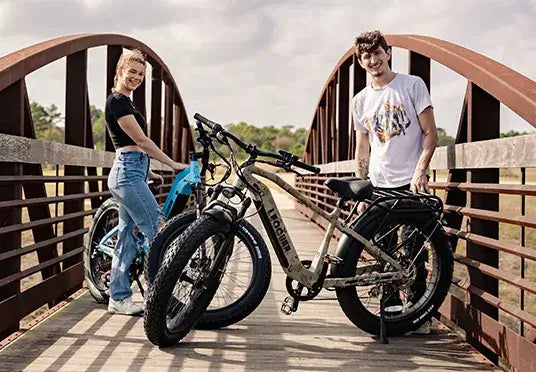
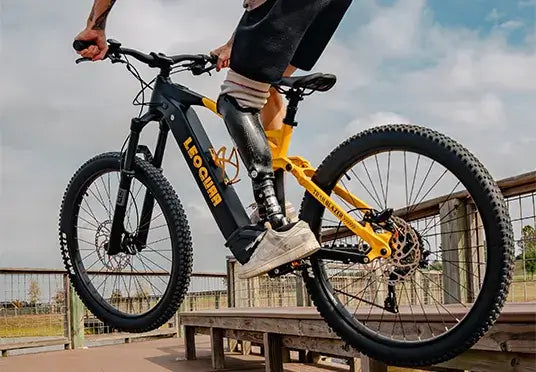
Your perfect bike is likely a Class 3 ebike (helping up to 28 mph) with a mid-drive motor, a large battery, and all the useful extras. These are often called "commuter" or "hybrid" ebikes and are built for distance and power. As an example of this type, a bike like the Leoguar Trailblazer EMTB, noted in Wirecutter's review of the best e-bikes for commuters, fits this profile perfectly because it combines a powerful motor with great cargo space, making it a true car replacement.
For the Mixed Transport Rider
Your search should focus on purpose-built folding ebikes. Pay close attention to the quality of the hinge system—it should feel solid and secure. Check the folded size to make sure it will fit on your local train or bus, and confirm the weight is something you can really carry. The best models in this class don't give up ride quality just because they fold.

Must-Have Extras
Finally, a great commuter ebike is only part of what you need. To make your ride safe and useful, don't forget these important extras. Many of the best commuter ebikes include some of these already.
- Guards: Totally needed. They keep water, mud, and road dirt from splashing up onto your clothes, making sure you arrive at your destination clean and dry.
- Back Rack: A strong rack is a game-changer. It lets you use bags to carry your laptop, change of clothes, or food, taking the weight off your back for a more comfortable ride.
- Built-in Lights: Must-have for safety. Built-in lights are powered by the bike's main battery, so you never have to worry about them running out of charge. A bright headlight helps you see the road, and a taillight makes sure traffic can see you.
- A Good Lock: Your ebike is a valuable purchase. Protect it with a strong U-lock or a heavy-duty chain lock.
- A Helmet: The single most important piece of safety gear you can own. Always wear one.
Frequently Asked Questions
What's the best range for a commuter ebike?
For most people, a battery with 400-500Wh gives enough range for daily commuting without worry. This usually provides 20-40 miles of range depending on terrain, weather, and how much you pedal. If your round trip is over 30 miles, consider a larger battery.
Should I get a folding ebike or a regular one?
Choose a folding ebike if you need to carry it upstairs, store it in small spaces, or take it on public transport. Pick a regular ebike if you have secure parking and want maximum comfort and performance for longer rides.
How much should I expect to spend on a good commuter ebike?
Quality commuter ebikes typically range from $1,200 to $3,500. Budget models around $1,200-$1,800 work well for shorter city trips, while premium models $2,500-$3,500 offer better components, longer range, and more features for serious daily commuting.
Do I need special bike lanes to ride an ebike to work?
No, ebikes can use regular roads just like traditional bikes. However, bike lanes make commuting safer and more enjoyable. Check your local laws, as some areas have specific rules about where different classes of ebikes can ride.
How long does it take to charge an ebike battery?
Most ebike batteries take 3-6 hours to fully charge from empty. Many riders charge overnight or during their work day. Some batteries can be removed for convenient indoor charging, which is especially helpful if you can't bring the whole bike inside.
Should I choose a lightweight commuter ebike or a fully equipped one?
Choose a lightweight commuter ebike if you carry your bike upstairs, bring it indoors, or ride shorter city routes. Choose a more fully equipped model if you want better comfort, a bigger battery, and built-in commuter features like racks, fenders, and stronger lights. The best commuter ebike for daily use is the one that fits your routine with the fewest compromises.
Is the best commuter ebike under $1500 good enough for daily use?
Yes, for many riders it is. A good commuter ebike under $1500 can work very well for shorter and flatter trips if it has reliable basics and useful commuter features. If you commute farther, climb hills often, or want a smoother ride feel, moving closer to the under $2000 range usually gives you a better long-term experience.


Leave a comment