









Electric Bike Battery Placement: Pros, Cons & Removal Tips
Why Battery Location Matters
The battery is your electric bike's heart. It gives power that changes your ride, but where this heart sits matters just as much as how strong it is. Electric bike battery placement is a key design choice that directly affects ride quality, handling, balance, and even your daily routine. Understanding these differences helps you choose a bike that performs well and fits into your life perfectly.
This guide covers everything you need to know. We'll look at why placement matters, compare different types, and give you a step-by-step guide to remove your electric bike battery safely and easily.
How Battery Position Affects Your Ride
The spot where your e-bike's battery sits greatly affects its Center of Gravity (CoG). This is the point where the bike's weight balances perfectly. A lower and more central CoG gives you a more stable, predictable, and natural-feeling ride. Think about carrying a heavy backpack. If you wear it high on your shoulders, you feel top-heavy and wobbly. If you put it low and tight against your back, you feel much more balanced and quick. The same idea applies to an e-bike battery, which is often the heaviest part on the bike. A well-placed battery makes these things better:
- Stability: At higher speeds or going downhill, a low CoG keeps the bike steady and cuts down wobbling.
- Handling: The bike feels more responsive and nimble when turning since the weight doesn't fight your movements.
- Balance: On bumpy surfaces or when starting and stopping, a balanced bike is easier to control and feels more secure.
Main Types of Battery Spots
E-bike makers have chosen a few key spots for mounting the battery. Each has different good and bad points that work for different types of ebikes and riders.
Down Tube Mounted
This is one of the most common and effective spots. The battery mounts on the outside of the bike's down tube—the long tube that runs from the handlebars down to the pedals. It sits low and central in the frame, making an ideal center of gravity.
Pros:
- Great weight spread for a stable and natural ride feel.
- Allows for bigger, higher-capacity batteries.
- Usually easy to remove for charging or security.
- Good airflow around the battery helps with cooling.
Cons:
- Can look bulky and clearly shows the bike is an e-bike.
- More exposed to weather, dirt, and possible impacts than hidden options.
Fully Integrated
With this design, the battery hides completely inside the down tube of the frame. This makes a clean, smooth look that often makes it hard to tell you're even riding an electric bike. It's the top pick for riders who care most about looks.
Pros:
- Sleek, hidden appearance that looks like a regular bicycle.
- Best protection for the battery from weather, impacts, and theft.
- Keeps a low and central center of gravity for great handling.
Cons:
- Removal process can take more steps (like unlocking and sliding out from the bottom).
- Frame must be bigger and heavier to fit the internal battery.
- May have slightly less capacity compared to an external battery of the same size due to frame limits.

Rear Rack Mounted
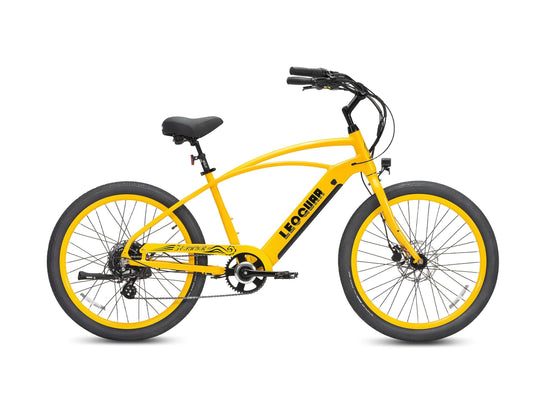
This placement puts the battery into or onto a rear cargo rack. It was very common on early e-bike models and stays popular on city, cruiser, and step-through electric bikes where a low top tube makes down tube mounting hard.
Pros:
- Very easy to reach, remove, and install.
- Frees up the main frame triangle, which is great for step-through designs.
- Lets you use a rear rack for cargo at the same time.
Cons:
- Makes a high and rearward center of gravity, which can hurt handling.
- The bike can feel "tail-heavy," especially when cornering or if the rack also has cargo.
- Less stable on bumpy ground or at high speeds.
Seat Tube Mounted
A less common but good compromise, this design puts the battery upright behind the seat tube. It keeps the weight more central than a rear rack mount and is often used on smaller frames, folding bikes, or some step-through models.
Pros:
- Keeps weight more central and lower than a rear rack mount, giving better balance.
- Frees up the down tube, which can be useful for certain frame designs or for mounting water bottles.
- Usually easy to remove.
Cons:
- Raises the center of gravity higher than a down tube mount.
- Can get in the way of dropper post installation or limit how low the saddle can be set.
Quick Comparison Chart
To help you see the differences, here is a quick comparison of the main electric bike battery placement options.
| Placement Type | Stability | Looks | Easy Access | Best For |
|---|---|---|---|---|
| Down Tube (External) | Excellent | Good | Excellent | All-around performance, MTB, commuting |
| Integrated (Internal) | Excellent | Excellent | Good | Riders who want looks and performance |
| Rear Rack | Fair | Fair | Excellent | Step-through frames, casual city riding |
| Seat Tube | Good | Good | Excellent | Folding bikes, small frames, step-throughs |
How to Choose the Right Placement
The best electric bike battery placement depends totally on what you want as a rider. There's no single "best" option—only the best option for you.
For Performance and Handling
If you are a performance rider who enjoys spirited trail riding, fast commuting, or simply wants the most stable and responsive ride possible, your choice is clear. Pick a down tube mounted or fully integrated battery. Both of these spots offer the lowest and most central center of gravity. An integrated battery gives you a cleaner look and better protection, while an external down tube battery often provides easier access and possibly a larger capacity for the price.
For Convenience and Commuting
For daily commuters, especially those living in apartments, convenience is most important. An external down tube or rear rack mounted battery is often the easiest to remove every day for off-bike charging. If you prefer a step-through frame for easy mounting and dismounting in city traffic, a rear rack or seat tube placement is often the only option and works perfectly well for urban environments. The slight handling trade-off is often worth the added practicality.
For Looks
If you love the idea of an e-bike but prefer the classic look of a regular bicycle, a fully electric bike integrated battery is the only way to go. The sleek, hidden design is a game-changer for riders who want power without the bulk. These bikes are perfect for group rides or for anyone who values a clean look.
How to Remove E Bike Battery Safely
Knowing how to remove e bike battery is important for charging, storage, and security. While the exact method varies by brand, the general process is the same.
Safety First
Before you begin, always put safety first.
- Power Down: Turn off the e-bike's entire electrical system.
- Remove the Key: If the key is in the lock, remove it before you start.
- Work in a Dry Area: Handle the battery and electrical contacts in a dry, clean place to prevent short circuits.
The Removal Process
Most removable batteries follow a simple lock-and-release system.
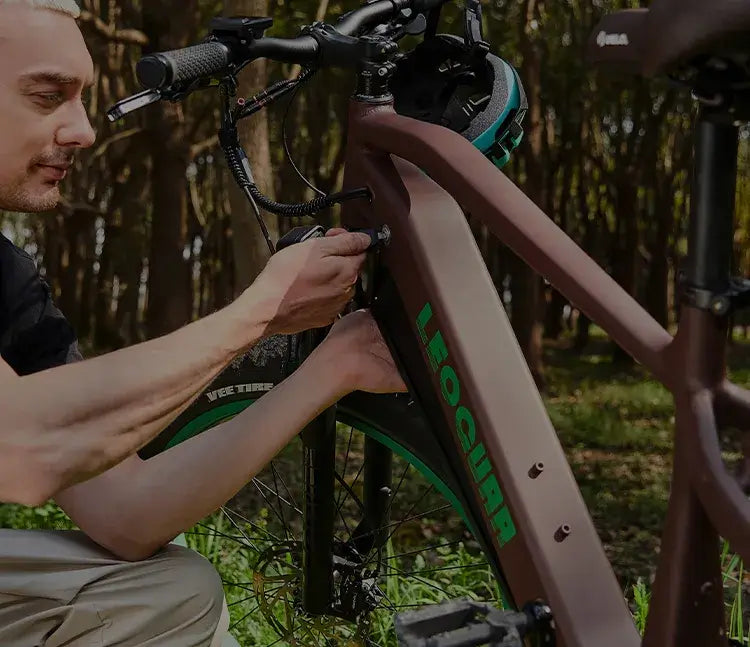
- Unlock the Battery: Put the key that came with your e-bike into the lock on the battery mount. Turn the key to the "unlocked" position. On many bikes, this doesn't release the battery but simply unlocks the latch.
- Activate the Release: Look for a release latch, button, or a second key position. You may need to press a button or turn the key further to disengage the physical lock holding the battery in place.
- Support and Slide: Hold the battery securely with one hand to support its weight. With your other hand, gently slide or pivot the battery out of its mount. Never force it. If it feels stuck, stop and check what's wrong.
Pro Tips for Stuck Batteries
If your battery won't move, don't panic.
- Wiggle Gently: Try wiggling the battery gently from side to side as you pull. Sometimes it just needs to be coaxed out of a tight fit.
- Check for Debris: Look at the area around the battery and its mount for dirt, gravel, or other debris that might be jamming it.
- Use a Plastic Tool: If needed, you can use a soft plastic pry tool (like those used for car trim) to carefully create a gap. Don't use a metal screwdriver, as it can damage the battery casing or the bike's frame.
Re-installing Your Battery
To re-install, line up the battery with the connectors on the mount and slide it back into place until you hear a solid "click." This confirms it is securely seated. Turn the key to the "locked" position to secure it against theft and prevent it from vibrating loose while you ride.

Moving and Storing Your Battery
When moving your e-bike on a car rack, we highly recommend removing the battery. This reduces the total weight on the rack and protects the battery from weather and road vibration. When storing your e-bike for a long time, remove the battery and keep it indoors in a cool, dry place, ideally with a charge level between 40% and 80%.
Frequently Asked Questions
What is the best battery placement for stability?
Down tube mounted and fully integrated batteries provide the best stability. By placing the battery's weight low and central within the bike's frame, they create an optimal center of gravity that leads to a more balanced and predictable ride.
Can I replace my battery with a different placement type?
Generally, no. An e-bike's frame is specifically designed for a certain battery type and mount. You cannot switch from a rear rack battery to a down tube battery without changing the entire frame. When replacing your battery, you must use one that is designed for your specific e-bike model to ensure compatibility and safety.
Is an integrated battery hard to remove?
While it may require an extra step or two compared to an external battery, an integrated battery is still designed to be removed by the owner. The process typically involves unlocking it and sliding it out from an opening in the frame. Always check your e-bike's user manual for specific instructions.
How often should I remove my e-bike battery?
You should remove your battery whenever you need to charge it, if you're storing the bike for more than a few days, or when transporting the bike on a car rack. Daily commuters often remove their batteries every day for indoor charging, especially those living in apartments.
Does battery placement affect the bike's range?
Battery placement itself doesn't directly affect range, but it can impact efficiency. Better-balanced bikes with optimal weight distribution may require slightly less energy to maintain speed and stability, potentially giving you a small improvement in overall range and ride quality.


Leave a comment