







E Bike Snow Tires: Tips, Benefits, And What To Watch Out For
The first snowfall brings a tough choice for e-bike riders. You can store your bike until spring or gear up for the cold. Riding over fresh snow sounds fun, but slippery roads can be scary.
Your standard electric bike tires are dangerous on snow and ice. They just aren't made for winter conditions. The best solution is a set of special e bike snow tires. This one upgrade is the most important thing you can buy for winter riding. It changes your e-bike from dangerous to safe and confident. You get better safety, more control, and the freedom to ride all year long. This guide covers why you need winter tires, what types work best, and how to use them right.
Why Standard Tires Fail
Standard tires fail in winter because of science, not just bad tread patterns. The problem starts with the rubber itself. Regular tire rubber works best in warm weather, but it gets worse when temperatures drop.
Standard tire rubber gets hard and stiff when it's colder than 7°C (45°F). Hard rubber can't grip the tiny bumps on road surfaces, so you lose traction on cold pavement and especially on snow or ice. The rubber becomes more like hard plastic than soft, grippy material. Summer and all-season tires have tread patterns made for wet roads. These patterns have shallow grooves that fill up with snow and slush quickly. Instead of gripping the ground, they become smooth and slippery with no way to bite into snow.
E-bikes are heavier and have more power than regular bikes. This extra weight and motor power demand more grip from your tires. When cold weather already makes standard tires slippery, the instant power from your motor can make the wheel spin out and cause you to lose control.
Anatomy of a Winter Tire
Real e bike winter tires are built from scratch to handle cold, snow, and ice. Every part is designed to give you traction where regular tires can't grip. Learning about these features helps you understand why they work and choose the right ones.
The special rubber compound comes first. Winter tire rubber has more silica and other materials that keep it soft even when it's freezing. This softness lets the tire stay in contact with the ground, giving you steady grip on cold pavement and packed snow. The tread pattern is aggressive and open. Winter tires have deep, widely-spaced knobs or lugs. These deep lugs work like claws that dig into soft snow to find grip, while the wide spaces let the tire throw off snow and slush as it turns.
Metal studs give you the ultimate winter security. These are small steel or carbide pins stuck right into the tire's tread blocks. While good rubber and tread work great on snow, they can't help on pure ice, but studs physically bite into icy surfaces and give you amazing control and braking power during freeze-thaw cycles or on black ice.
Studded vs. Non-Studded
The biggest choice you'll make is between studded and non-studded winter tires. The right choice depends on one thing: whether you regularly ride on ice. A non-studded winter tire handles deep snow well, but it's no better than a summer tire on ice patches.
| Feature | Studded Winter Tires | Non-Studded Winter Tires (Aggressive Tread) |
|---|---|---|
| Best For | Ice, hard-packed snow, mixed freeze-thaw cycles | Soft snow, slush, cold but clear pavement |
| Primary Advantage | Unmatched grip and safety on icy surfaces | Quieter, more efficient on clear roads, better on deep snow |
| Key Disadvantage | Noisy and slow on dry pavement; can damage floors | Zero grip on sheer ice; less effective on frozen slush |
| E-Bike Impact | Higher rolling resistance may slightly reduce battery range | More efficient, preserving battery range better than studs |
| Rider Profile | The daily commuter who cannot avoid ice; the trail rider in icy areas. | The recreational rider in snowy (but not icy) areas; those in regions with mostly powder snow. |
If your commute has plowed roads that can refreeze, or if you live where ice storms happen often, studs aren't a luxury—they're necessary. For riders who mostly face soft, powdery snow on trails or unplowed paths, a high-quality, non-studded fat ebike or mountain ebike tire might work better and be more efficient.
More Key Buying Features
Besides choosing studded or non-studded tires, several other features make a great e bike snow tire different from an okay one. Paying attention to these details helps you get a tire that's tough, safe, and perfect for your e-bike and riding style.
Tire Width and Float
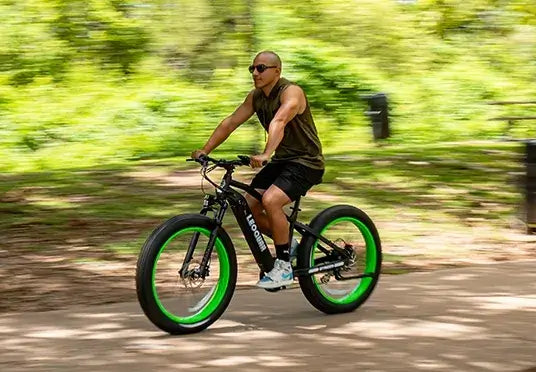
Wider tires, especially fat tires found on fat bikes (usually 3.8 inches or wider), work much better in deep snow. When you run them at very low air pressure, their big contact area lets them float on top of snow instead of cutting in and getting stuck. This floating principle is key for riding in fresh, unpacked powder, so for standard e-bikes, choose the widest winter tire that fits safely in your frame and fork to get better stability and traction in snowy conditions.
E-Bike Specific Ratings (E-Rated)
An e-bike is heavier and faster than a standard bike, so its tires need to handle those forces. Look for tires with an E-Rating like E-25 or E-50. An E-50 rating means the tire is strong and safe for e-bikes going up to 50 km/h (31 mph), and these tires have stronger construction and tougher materials designed to handle the extra weight and motor power without wearing out too fast or breaking.
Puncture Protection
Getting a flat tire is never fun, but it's much worse in freezing cold with numb fingers. Winter roads often hide sharp things like glass and metal under snow and dirt, so a good winter tire should have strong puncture protection under the tread. Brands use different technologies like Kevlar belts or reinforced casings to prevent flats, which gives you valuable peace of mind on cold days.
Pro Riding Tips
Getting the right e bike snow tires is half the work. The other half is changing how you ride. These tires give you much better grip, but they don't break the laws of physics, so using these pro habits will give you the most control and safety.
Master your electric bike tire pressure because this is the most effective change you can make. For snow and ice, lower pressure works better since it creates a bigger contact area, letting the tire conform to uneven surfaces and helping the tread work more effectively. Start with 20-25 PSI for standard-width winter tires and an incredibly low 5-10 PSI for fat bike tires, then experiment to find what works best for your weight and the day's conditions.
Smooth and steady movements win the race. Jerky actions are the enemy of traction, so every input—speeding up, braking, and turning—must be smooth and careful. When starting, use a lower pedal-assist level to avoid spinning the rear wheel since the instant, high power of an e-bike's top assist modes can easily overpower even the best winter tire.
Break in your new studded tires properly. This is an important step that many people miss because new studs need to be seated correctly in the tire's rubber to prevent them from tearing out too early. Before hitting the ice, ride your new studded tires for 25-50 miles on clean, paved roads to gently scuff the rubber around each stud's base, locking it securely in place for the season.
Read the surface and become an active observer of the terrain ahead. Learn to spot potential dangers like shiny or dark, wet-looking patches on cold days, which are often black ice. Aim for fresh, untrodden snow for the best grip when possible, be careful of ruts created by cars since the frozen edges can catch your wheel and throw you off balance, and always choose your line carefully while anticipating turns well ahead of time.
Common Pitfalls and Downsides
To give you the complete picture, we must be honest about the trade-offs that come with e bike snow tires. Understanding these downsides helps you set realistic expectations and avoid common frustrations.
Increased battery consumption happens because the aggressive treads and soft rubber that make winter tires so effective also create much more rolling resistance. Studded tires demand the most power, so you will notice your e-bike battery doesn't last as long. Plan for shorter trips, charge more often, or consider carrying your charger with you.
Noise and drag on pavement are real issues. Studded tires are loud on dry pavement, making a distinct buzzing or crackling sound, and they also feel noticeably slower and more sluggish than summer tires. This is the price of safety—you give up some efficiency on clear roads for non-negotiable security on ice.
The risk of overconfidence can be dangerous. Winter tires can feel so secure that they make you think you're invincible, but it's important to remember that while they dramatically expand your riding abilities, they can't guarantee you won't slip. A sharp turn on an unexpectedly slick patch of ice can still bring you down, so always ride carefully and respect the conditions.
Potential for surface damage is something to watch. The carbide tips on studded tires are hard enough to scratch and damage surfaces, so be mindful when bringing your bike indoors since they can easily mark hardwood floors, vinyl, and even some types of concrete or garage coatings. Use a mat or be prepared to carry your bike across sensitive flooring.

Ride Confidently All Year
Winter doesn't have to mean the end of your riding season. With the right preparation, it can become a new and rewarding cycling experience. We've seen that standard tires are unsafe in the cold and that specialized e bike winter tires are the foundation of safe winter riding.
The choice is simple: if you face ice, you need studs. If you only face snow, aggressive non-studded tires will work well. By matching the right tires with smart riding techniques, you turn your e-bike into a capable, year-round vehicle. Don't let your investment sit in the garage for four months. Gear up, ride smart, and take back your winter.
Frequently Asked Questions
Q: How much do e bike snow tires typically cost?
A: E bike snow tires usually cost between $40-120 per tire, depending on the brand, size, and whether they're studded. Studded tires generally cost more than non-studded ones, but they provide essential safety on icy surfaces. Consider this an investment in year-round riding safety rather than just an expense.
Q: Can I use regular bike winter tires on my e-bike?
A: Regular bike winter tires may not be safe for e-bikes due to the extra weight and motor power. Always look for tires with an E-Rating (like E-25 or E-50) that certifies they can handle e-bike speeds and forces. Using non-rated tires could lead to tire failure or reduced performance.
Q: How long do studded winter tires last?
A: With proper use and break-in, studded winter tires can last 2-4 seasons depending on how much you ride on pavement versus snow/ice. Riding frequently on dry pavement wears out studs faster. Store them properly in the off-season and they'll serve you well for multiple winters.
Q: Are there any legal restrictions on studded tires?
A: Some areas have restrictions on studded tires, typically limiting their use to certain months (usually October through April) to protect road surfaces. Check your local regulations before purchasing studded tires, as rules vary by state, province, or country.
Q: What's the best tire pressure for winter riding?
A: Lower pressure generally works better in snow and ice. Start with 20-25 PSI for standard winter tires and 5-10 PSI for fat bike tires, then adjust based on your weight and conditions. Lower pressure increases the contact patch and improves traction, though it may feel sluggish on clear pavement.


Leave a comment