

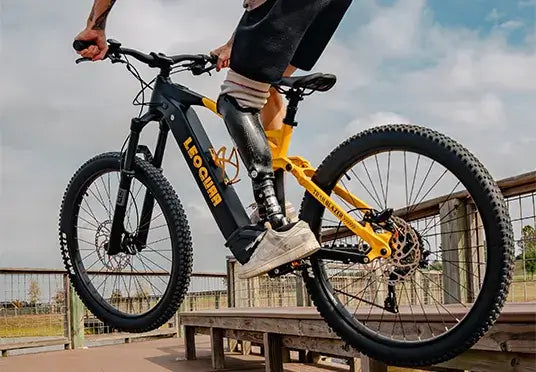


E-Bike Front Light: What Matters Most—Lumens, Beam, Or Battery?
Why Your E-Bike Needs the Right Front Light
Riding an electric bike changes how you think about speed and distance. You go faster and farther than on a regular bike. This puts more stress on every part of your bike, especially your front light. Your light isn't just something nice to have anymore. It's your main tool for seeing where you're going and making sure others can see you.
What matters most when choosing a light? Some people think it's all about how bright it is. Others focus on how the light spreads out or how long the electric bike battery lasts. The truth is that no single thing is most important. The best e-bike front light balances brightness, beam shape, and power in the right way. What works best depends on how and where you ride.
This guide will help you understand these key parts. We'll also look at other important things people often forget about. By the end, you'll know how to pick the perfect front light for your electric bike.
Understanding the Three Main Parts
Every good e-bike front light has three main parts that work together. These are brightness (measured in lumens), beam pattern, and power source. If one part is weak, it can make the whole light less effective. Let's look at what each one means for your rides.
Brightness: More Isn't Always Better
Lumens tell you how much total light a source puts out. You'll see this number on every light you look at. But focusing only on the highest number is a mistake many people make. Sometimes more lumens can actually be worse. A super bright light drains your battery faster and can blind other people if the beam isn't shaped right. The right amount of lumens depends on where you ride. Here's how to think about it:
| Riding Environment | Recommended Lumens | Primary Purpose |
|---|---|---|
| Urban/Well-Lit City | 300 – 800 Lumens | To be seen by cars and pedestrians. Lights up potholes and immediate road hazards. |
| Suburban/Rural Roads | 800 – 1200 Lumens | To see the road ahead on unlit paths and be seen from a greater distance. |
| Trail/Off-Road | 1200+ Lumens | To fully illuminate dark, technical terrain, revealing roots, rocks, and turns at speed. |
Most people who ride e-bikes in the city do well with 400 to 800 lumens. This gives you good visibility without draining your battery too fast. If you often ride on dark bike paths or country roads, you should consider getting around 1000 lumens for better safety. Beyond brightness, urban riders should also consider side visibility. A wide beam angle—ideally up to 180 degrees—helps ensure you're seen at intersections and when crossing driveways. Some front ebike lights incorporate side cutouts or lens designs that boost lateral illumination, which is crucial in city traffic where threats don’t only come from the front. Trail riders need the most power since they move fast in complete darkness. They often use lights with 1500 lumens or more to see everything clearly.

Beam Pattern: How Light Hits the Ground
How your light shapes and aims the beam might be even more important than raw brightness. A 1000-lumen light with a bad beam can work worse than a 600-lumen light with good optics. There are two main types of beam patterns you should know about.
StVZO lights have a sharp cut-off at the top of the beam. This design sends all the light down onto the road and keeps it out of other people's eyes. It lights up your path really well without creating dangerous glare for drivers, cyclists, or people walking. If you ride anywhere that you share space with others, a light with this type of beam is the most responsible choice. Companies like Lezyne and Busch & Müller make high-quality StVZO lights.
Flood or trail beams work the opposite way. They're made for off-road and mountain biking, casting a wide, cone-shaped beam to light up as much of the trail as possible. This helps you see hanging branches, spot turns, and keep your side vision on technical trails. While perfect for the woods, this type of beam can be disruptive and unsafe on roads with traffic.
Some newer lights give you both options. They have a main cut-off beam and a second high-beam mode you can turn on when the path is clear, just like car headlights.
Power Source: Built-In or Separate
For e-bike front lights, you have two main power choices. Each one has clear benefits. Integrated lights connect straight to your e-bike's main battery. The biggest benefit is that you can set it and forget it. Your light is always powered and ready to go, controlled through your bike's display or buttons. You never have extra batteries to charge. But getting it installed can be complex and often needs a professional to make sure it works with your bike and doesn't void your warranty. You need to match the light's voltage needs to what your e-bike puts out. E-bike systems from Bosch, Shimano, and Brose have specific outputs and connectors, so picking a compatible light is essential.
Self-contained lights are complete units with their own internal battery that you charge with USB. Their main advantage is that they're portable and easy to install. You can mount one in seconds on any bike, making it great if you own multiple bikes. The downside is that you have to remember to keep it charged, and the battery doesn't last forever. High-brightness modes will drain the battery much faster than low or flashing modes. When looking at a self-contained light, pay close attention to how long it runs at the brightness levels you'll actually use.
As new ebike laws roll out across regions like California and beyond, it's important to stay informed. By 2026, most U.S. jurisdictions require electric bikes to have a red rear reflector or a solid or flashing rear light with a built-in reflector, visible from at least 500 feet. Some new rules also mandate daytime visibility, not just night use. When shopping for ebike lights, check if the model meets visibility standards in your area to avoid fines and stay safe on the road.
Other Important Features
A really great e-bike front light does more than just put out good light. The physical design and extra features separate good lights from great ones you can count on for years.
Mounting: Keeping Your Light Steady
E-bikes vibrate more and go faster than regular bikes, which will quickly show if your mount is flimsy. A secure mount is absolutely necessary. Look for strong mounting systems, often made from machined aluminum, that clamp firmly to your handlebars. These work much better than simple rubber straps, which can let the light shift or droop on rough roads. Some lights offer fork or fender mounts, which can look cleaner and provide a stable, low position that's excellent for casting shadows over road problems, making them easier to see. A stable mount ensures your beam always points the right way and won't fail while you're riding.
Durability: Built to Last
Your e-bike is a vehicle you can use all year, and your light must handle all kinds of weather. This is where build quality and waterproofing matter. An IP rating tells you how well the light resists dust and water.
IPX4 means it's splash-resistant from any direction. This works for light rain and road spray. IPX5 can handle sustained, low-pressure water spray and is good for heavier rain. IPX7 can be underwater up to 1 meter deep for 30 minutes, giving you peace of mind for riding in downpours.
Beyond the electric bike IP rating, look for a housing made from tough materials like aluminum. It's stronger than plastic and also acts as a heat sink, pulling heat away from the LED to ensure steady performance and longer life.
Smart Features: Making Life Easier
Modern e-bike front lights include technology that makes them safer and more convenient. A Daytime Running Light mode is one of the most important safety features, providing a distinct, attention-getting flash pattern designed for all-day visibility. Other useful features include automatic sensors that adjust brightness based on surrounding light, a high/low beam switch for toggling between city and open-road settings, and charge indicators that show you how much runtime is left.
Some advanced rear ebike lights also include a brake light function that automatically brightens or flashes when you slow down. This helps following vehicles or cyclists respond more quickly, especially in stop-and-go traffic. If you often ride in busy areas or during low-light conditions, a brake-responsive rear light can significantly enhance your visibility and safety without requiring extra rider input. For integrated lights, look for smooth operation with your e-bike's display, letting you switch modes without taking your hands off the grips.
In some regions like California, new regulations now explicitly permit either a solid or flashing red rear light, provided it includes a built-in reflector. While a solid rear light ensures consistent visibility, a flashing mode can enhance contrast in busy traffic and may help drivers judge distance more effectively. If your ebike light system includes a rear unit, choosing one with both solid and flashing modes ensures you comply with local laws while improving real-world safety.
Picking Your Perfect Light
Now that you understand the basics, we can match a light to what you actually need.
For City Commuters
Your main goals are to be seen by traffic and to light up the road right in front of you. You need to avoid blinding others. The best choice is an e-bike front light with 400-800 lumens and a clear StVZO cut-off beam. An integrated, hardwired model works perfectly, removing any worry about charging. A strong Daytime Running Light mode adds major safety benefits. For high-traffic urban environments, pairing a 600–800 lumen front light with a wide-angle rear light that offers day flash or brake mode can dramatically boost your presence on the road. Look for models rated IPX5 or higher to ensure reliability in wet conditions. A thoughtfully matched front-rear lighting setup turns your ebike into a highly visible, year-round commuting machine.
For Trail Riders
You need to turn night into day. Your priorities are maximum light output, a wide field of view, and equipment that can take a beating. You need a high-output light of 1200 lumens or more with a wide flood beam. A tough, self-contained unit often provides the highest output and flexibility. Many serious trail riders use two lights: a powerful flood beam on the handlebars and a second, slightly less powerful spot beam on their helmet to light up wherever they look.
For Mixed Riding
You ride a mix of city streets, bike paths, and occasional light trails or gravel roads. You need something that works everywhere. A light in the 800-1200 lumen range offers a great compromise. Look for a model with multiple modes, including a commuter-friendly cut-off beam and a more powerful flood or high-beam setting. A self-contained battery gives you the flexibility to easily move the light between bikes or remove it for charging.
Installation and Setup
Getting your light installed properly is the final step. For a self-contained light, this is straightforward: use the provided shims to make sure the clamp fits your handlebar size snugly and tighten it securely. For an integrated, hardwired light, we strongly recommend professional installation by a qualified e-bike mechanic. They have the right tools and knowledge to safely connect the light to your bike's motor system, ensuring correct voltage and keeping your warranty valid.
Once mounted, do one last important check: aim your beam. Sit on your electric light bike in your normal riding position and aim the light so the brightest part of the beam hits the ground 20 to 30 feet ahead. For StVZO beams, make sure the horizontal cut-off is below the eye level of oncoming drivers.

Making the Right Choice
Choosing the right electric bike headlight isn't about finding the brightest or most expensive option. It's about honestly looking at your riding habits and picking a high-quality, reliable system that meets those needs. By focusing on the right combination of lumens, proper beam pattern, dependable power source, and strong construction, you invest in more than just equipment. You invest in confidence, freedom, and most importantly, your safety on every ride.
FAQ
Q: How many lumens do I really need for city commuting?
A: For most city riding, 400-800 lumens is plenty. This gives you good visibility without draining your battery too fast or blinding other people. If your city has lots of dark bike paths, consider going up to 1000 lumens.
Q: What's the difference between StVZO and flood beam patterns?
A: StVZO beams have a sharp cut-off at the top that keeps light out of other people's eyes while lighting up the road. Flood beams spread light in all directions and are better for trails but can blind oncoming traffic on roads.
Q: Should I get an integrated light that connects to my e-bike battery or a separate rechargeable light?
A: Integrated lights are convenient because you never have to charge them separately, but they need professional installation. Separate lights are easier to install and move between bikes, but you have to remember to charge them.
Q: How do I know if my light mount is secure enough?
A: Look for mounts made from machined aluminum rather than plastic or rubber straps. The mount should clamp firmly to your handlebars without any wiggle. If your light shifts or droops while riding, you need a better mount.
Q: What IP rating do I need for riding in the rain?
A: IPX4 handles light rain and road spray. IPX5 works for heavier rain. IPX7 can handle being underwater and gives you peace of mind for riding in downpours. For most riders, IPX5 is a good balance of protection and cost.


Leave a comment