







Leoguar Zephyr ST vs Pedego Interceptor: Which Cruiser Ebike Wins?
Choosing a cruiser electric bike is about comfort, style, and joy. It's perfect for easy trips along the boardwalk, simple commutes to work, and finding the fun in cycling again. Two great options stand out in this popular category: the Leoguar Zephyr ST and the Pedego Interceptor. The main question for buyers is simple: which one gives you the best experience and value?
Our goal is to break down every spec to answer that question clearly. We looked at the power systems, design features, and practical details of both models to find which cruiser electric bike offers the best mix of performance and price. Both bikes work well, but our research shows a clear winner. The Leoguar Zephyr ST gives most riders a better and more modern package because of its tech advantages and much lower price. Let's look at the details to see why.
At a Glance Showdown
This table shows the most important specs side by side for those who want a quick answer. It gives you an instant view of where each bike does well and makes the key differences clear before we dig into what these numbers mean in real life.
| Feature | Leoguar Zephyr ST | Pedego Interceptor |
|---|---|---|
| Price | $1,399 | $1,949 |
| Weight | 58 lbs | 64.8 lbs |
| Payload Capacity | 275 lbs | 250 lbs |
| Warranty | 2 years | 2 years |
| Battery Capacity | 720Wh | 546Wh |
| Battery Position | Downtube (Low Center of Gravity) | Rear Rack (High Center of Gravity) |
| Battery Safety | UL 2271 Certified | UL 2271 Certified |
| Battery Lock | Patented Dual-Lock Structure | Normal Lock |
| Battery Cell Inspection | Included | Not Included |
| Charger | GaN 3A Fast Charger | Normal 2A Charger |
| Charging Time | ~5 hours | ~6 hours |
| Display | 2.0" TFT Color Display | LCD Display |
| Communication Protocol | CAN bus | CAN bus |
| Sensor | Cadence Sensor | Cadence Sensor |
| Safety Passed | Yes (Comprehensive System Safety) | Not Specified |
Power, Range, and Charging
The electrical system is the heart of any cruiser electric bike since it controls how far you can go and how much you'll enjoy the ride. Here, we go beyond the basic numbers to show what they mean for your daily trips.
The Battery Battle
Electric bike battery capacity is the most important factor for range, and we measure it in watt-hours (Wh). The Leoguar Zephyr ST takes a big lead here with its 720Wh battery, while the Pedego Interceptor uses a smaller 546Wh battery. The math is easy: the Zephyr ST holds about 32% more energy. This means much longer rides in real life since you can go further, climb more hills, or run extra errands before you need to recharge.
Some people might notice that the Interceptor uses a 52V system while the Zephyr uses 48V. Higher voltage can give slightly quicker acceleration at first, but total energy capacity matters much more for how far you can go overall. For the relaxed cruising style these bikes are made for, the huge range advantage of the Zephyr's 720Wh battery gives riders much more value.

Both bikes use batteries that are UL 2271 certified, which is a must-have safety standard. This tests for heat stability, shock, vibration, and other possible dangers. Having UL 2271 certified battery systems gives you peace of mind because the battery has been tested carefully for safety and reliability.
Convenient Charging
Waiting for your bike to charge wastes time in your day. Leoguar fixes this with a modern 3A GaN fast charger, which is better than Pedego's standard 2A charger. GaN technology makes chargers smaller, more efficient, and faster, and this detail really affects how easy the bike is to use.
- Leoguar Zephyr ST: A full charge takes about 5 hours.
- Pedego Interceptor: A full charge takes about 6 hours.
Cutting an hour off charging time gives you more flexibility. You can quickly charge your battery before an evening ride or get back on the road faster after a long commute, and it's a convenience feature that shows focus on modern user needs.
Ride Feel and Practicality
How a cruiser electric bike feels to ride and use every day matters just as much as its electrical specs. Handling, weight, and smart design features decide whether a bike is fun or annoying to use daily.
| Spec | Leoguar Zephyr ST | Pedego Interceptor |
|---|---|---|
| Frame Style | Step-thru | Step-thru |
| Weight | 58 lbs | 64.8 lbs |
| Payload Capacity | 275 lbs | 250 lbs |
| Battery Placement | Downtube | Rear Rack |
| Rear Weight Distribution | Lower and centered | Higher and rear-mounted |
| Warranty | 2 years | 2 years |
Frame, Geometry, and Balance
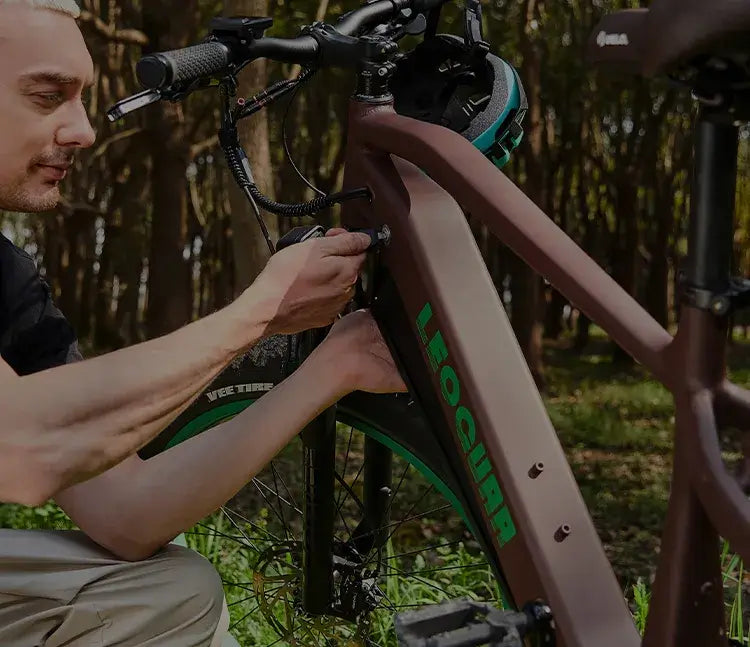
The biggest design difference that affects ride quality is where the battery goes. The Leoguar Zephyr ST puts its battery inside the downtube of the frame, which places the heaviest part low and centered for the best center of gravity. You feel this right away as a rider since the bike is more stable, balanced, and predictable, especially when turning or moving at slow speeds.

The Pedego Interceptor mounts its battery on a rear rack instead. This design puts a lot of weight high and toward the back of the bike, which creates a more top-heavy feel that hurts handling. The bike may feel less stable, and the rear can feel like it wants to swing out in turns, especially when you also load the rack with groceries or a bag. For bikes where comfort and stability matter most, the best cruiser electric bikes focus on a low center of gravity, making the Zephyr ST's downtube design simply better engineering for ride quality. Both models do have the easy step-thru ebike frame that makes getting on and off simple for all riders.
Weight and Payload
The Leoguar Zephyr ST weighs 58 lbs while the Pedego Interceptor weighs 64.8 lbs, which might seem like a small difference on paper. In real life, this almost 7-pound advantage matters a lot since a lighter bike is easier to pedal without electric help, giving it a more natural feel if you ride with the motor off. More importantly, it's much easier to handle when lifting it onto a car rack, moving it into a tight garage space, or carrying it up stairs.
The Zephyr ST also has a higher payload capacity of 275 lbs compared to the Interceptor's 250 lbs. That extra 25 lbs of capacity gives you more options since the bike can more easily handle heavier riders or let you carry more cargo like groceries, a child seat, or gear for a beach day without going over the safe operating limits.
Display and Security
How riders interact with the bike's systems is another area where modern design makes a difference. The Zephyr ST has a bright 2.0-inch TFT color display that's easy to read in direct sunlight, shows more information at once, and feels like a more premium, modern part. The Pedego Interceptor uses a more traditional black and white LCD that works but lacks the clarity and user-friendly experience of a modern color screen.
Leoguar also adds a smart security and stability feature with its patented dual-lock battery structure. This system locks the battery into the frame at two points, which reduces vibration and rattle while also giving better protection against theft compared to a standard single-lock system. It's a small but smart detail that makes both the ride quality and owner peace of mind better.
The Value Equation
The price difference between these two bikes is significant. At $1,399, the Leoguar Zephyr ST costs $550 less than the $1,949 Pedego Interceptor, which raises an important question: what are you getting for that extra $550? A direct comparison of features shows the higher price isn't justified by the product itself.
| Category | Leoguar Zephyr ST | Pedego Interceptor |
|---|---|---|
| Price | $1,399 | $1,949 |
| Price Difference | $550 lower | $550 higher |
| Battery Capacity | 720Wh | 546Wh |
| Charging Time | ~5 hours | ~6 hours |
| Weight | 58 lbs | 64.8 lbs |
| Payload Capacity | 275 lbs | 250 lbs |
| Display | 2.0" TFT Color Display | LCD Display |
| Warranty | 2 years | 2 years |
| Dealer Network Mentioned | Not emphasized | Physical dealer network |
Leoguar's Value at $1,399
When we look at the Zephyr ST, we see a cruiser electric bike where the lower price doesn't mean fewer features. It actually beats the competition in almost every key area, and for its price, you get superior parts and smart design choices.
- Higher Capacity Battery: 32% more energy for much longer range.
- Lighter Overall Weight: Almost 7 lbs lighter for better handling and easier transport.
- Higher Payload Capacity: 25 lbs more carrying ability for increased flexibility.
- Faster, Modern Charger: A 3A GaN charger saves time and adds convenience.
- Superior Color Display: A modern TFT screen for a better user experience.
- More Stable Frame Design: An integrated downtube battery for a lower center of gravity and better handling.
- Enhanced Security: A dual-lock battery system for stability and theft protection.
This list shows that the Zephyr ST isn't just cheaper; it's a better-equipped bike overall.
Pedego's Extra Cost
So where does the Interceptor's extra $550 go? The main reason seems to be brand recognition and a large physical dealer network since Pedego is one of the older, more established names in the US ebike market with many local shops that offer sales, service, and test rides. This network has value, especially for customers who want in-person support above everything else.
However, from a pure product-value view, the premium is hard to defend. You pay more for a bike that is heavier, has shorter range, charges slower, uses less stable battery placement, and has less modern technology. The 52V system is a minor technical point that gets completely overshadowed by the battery's much lower overall energy capacity, so the smart consumer has to decide whether the perceived value of a legacy brand name and dealer network is worth a $550 premium for a product with clearly inferior specs.
A Deeper Dive
Beyond the main features, the smaller details of a bike's construction show its overall engineering approach. Both bikes share some modern standards, but the Zephyr ST includes extra safety and quality features that are worth noting.
Drivetrain and Sensors
Both the Zephyr ST and the Interceptor use a cadence sensor. This type of sensor turns on the motor as soon as it detects that you are pedaling, and the power delivery is immediate, which is perfect for the relaxed nature of a cruiser electric bike. It gives a simple, easy on/off feel to the assist that many riders prefer for casual cruising and city commuting since you pedal and the bike helps you go. It's a reliable and cost-effective system that works well for this category.
System Communication
A sign of a well-engineered modern ebike is the use of a CAN bus protocol for its electronic system, which both models have. This is basically a central nervous system for the bike that lets the motor, battery, controller, and display communicate with each other smoothly over a single, strong network. For riders, this means better system reliability, more accurate battery readings, and easier repairs if service is ever needed since it's a high-end feature that makes sure all the electronic parts work together perfectly.

Enhanced Safety Measures
Safety is a top priority, and while both bikes have UL-certified batteries, the Leoguar Zephyr ST goes further by passing additional safety certifications. This Safety Passed designation means the bike's entire system has been tested to prevent dangerous problems like unwanted acceleration or motor engagement, which is a critical safety layer that gives extra confidence and ensures the bike will only provide power when you want it to. Leoguar's quality control also includes individual battery cell inspection, giving a more complete and clear picture of the battery's health and quality from the very start.
Who Is Each Bike For?
Your personal priorities will guide your final decision. Based on our analysis, we can create clear profiles for the ideal rider of each bike.
Choose the Leoguar Zephyr ST
This bike is the clear choice for most riders. You should choose the Zephyr ST if you are a value-conscious buyer seeking the most performance and modern features for your money. You should also pick it if you want long, uninterrupted rides and the freedom that comes with a larger battery and greater range.
You'll appreciate this bike if you like modern conveniences like a faster charger, a bright color display, and a lighter overall package. It's perfect if you plan to carry cargo or need to lift your bike frequently, making the higher payload and lower weight big benefits. You'll also love it if you value a stable, confident ride feel that comes from a well-balanced frame with a low center of gravity.
Choose the Pedego Interceptor
The reasons for choosing the Interceptor are more specific and rely less on the bike's technical strengths. You might choose the Interceptor if your highest priority is having access to a local, physical dealer for a test ride and in-person service, and you have a Pedego shop nearby.
This bike makes sense if brand heritage and a long-standing market presence matter more to you than a spec-for-spec value comparison. You might also pick it if you're willing to pay a significant price premium for the brand name and dealer support, despite the bike's technical disadvantages in range, weight, and features.

Summary
After a complete head-to-head comparison, the conclusion is clear. While the Pedego Interceptor is a working cruiser electric bike from an established brand, it gets outmatched and out-valued by the Leoguar Zephyr ST in almost every important category.
The Zephyr ST offers a better riding experience on all fronts since it provides much longer range thanks to its larger battery, a more stable and confidence-inspiring ride due to its smart frame design, and greater day-to-day convenience with its lighter weight and faster charger. When you add in modern touches like the color display and enhanced safety features, all at a price point that is $550 lower, the choice becomes obvious.
The Pedego Interceptor relies on its brand recognition and dealer network to justify a premium price for a product with outdated design choices and inferior specs. For the informed rider in today's market, the Leoguar Zephyr ST delivers not only a better cruiser electric bike but also a much smarter investment since it proves that you no longer need to choose between price and performance. You can have both.
Frequently Asked Questions
Q: How long do the batteries last on these cruiser electric bikes?
A: Both bikes use high-quality lithium batteries that typically last 3-5 years with regular use. The Leoguar Zephyr ST's larger 720Wh battery will give you significantly more range per charge compared to the Pedego Interceptor's 546Wh battery, meaning fewer charge cycles over time which can help extend overall battery life.
Q: Can I ride these bikes without using the electric motor?
A: Yes, both bikes can be ridden like regular bicycles without motor assistance. The Leoguar Zephyr ST has an advantage here because it's almost 7 pounds lighter than the Pedego Interceptor, making it easier to pedal when the motor is off or if the battery runs out during a ride.
Q: What's the difference between the downtube and rear rack battery placement?
A: The Leoguar Zephyr ST's downtube battery placement creates a lower center of gravity, making the bike more stable and easier to handle. The Pedego Interceptor's rear rack battery placement makes the bike feel more top-heavy and can affect balance, especially when turning or carrying additional cargo on the rack.
Q: Do I need special maintenance for these cruiser electric bikes?
A: Both bikes require similar maintenance to regular bicycles, plus some basic electric system care. You should keep the battery charged, store it properly in extreme temperatures, and have the electrical components checked periodically. Both models come with 2-year warranties and use reliable components that don't require extensive special maintenance.
Q: Which bike is better for carrying groceries or cargo?
A: The Leoguar Zephyr ST is better for cargo carrying because it has a higher payload capacity (275 lbs vs 250 lbs) and its downtube battery placement leaves the rear area free for cargo accessories. The Pedego Interceptor's rear rack battery takes up space that could otherwise be used for cargo, and the higher weight placement can make the bike less stable when loaded with additional items.


Leave a comment