




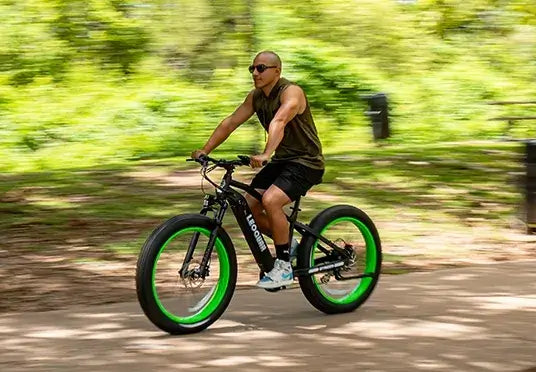



Is Riding an E-Bike Safe for Seniors? Essential Tips and Recommendations
Introduction
Benefits of E-Bikes for Seniors
Safety Considerations When Riding E-Bikes
| Safety Gear | Key Function |
| Helmet | Protects against head injuries |
| Reflective Clothing | Enhances visibility in low-light conditions |
| Knee & Elbow Pads | Reduces injury risk during falls |
| Gloves | Improves grip and reduces impact injuries |
| Lights & Turn Signals | Increases road safety and communication |

Tips & Recommendations for Safe Riding
| Feature | Importance | Recommended Standard |
| Step-Through Frame | Ease of mounting/dismounting | Low or step-through design |
| Adjustable Power Settings | Control over motor assistance | Levels 1-3 (or more granular adjustment) |
| Weight Considerations | Handling and maneuverability | Lightweight frame with durable build |
| Braking System | Responsive control | Hydraulic or dual-disc brakes |
| Display Simplicity | Avoiding distraction | Clear, legible interface |
Unique Insights: Real-life Experiences and In-depth Analysis
Expert and Authoritative Advice
Conclusion & Final Thoughts
FAQs
1. What are the key safety features to look for in e-bikes for seniors?
- Step-through frame, adjustable power settings, reliable brakes, and clear display interface.
2. How much does a good quality e-bike for seniors cost in 2026?
- Quality e-bikes for seniors typically range from $1,500 to $3,500, depending on features and brand.
3. Are e-bikes safe for seniors with balance issues?
- Yes, with proper features like low center of gravity, step-through frames, and adjustable power assistance.
4. What health benefits do seniors get from riding e-bikes?
- Improved cardiovascular health, better balance, increased muscle strength, and enhanced mental clarity.
5. How long do e-bike batteries last for senior riders?
- Most modern e-bike batteries last 30-60 miles per charge and 3-5 years with proper maintenance.


Leave a comment