

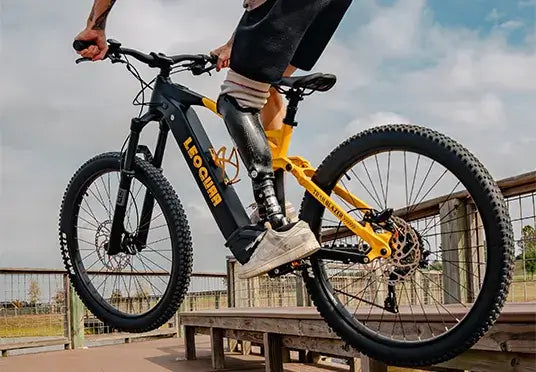


Fat Tire Electric Bicycle Accessories: 10 Winter Must-Haves for Cold Riding
There's a special magic to riding through a quiet, snow-covered landscape on a fat tire electric bike. The sound of tires crunching on fresh powder creates an experience unlike any other. But let's be honest: riding in cold weather can feel scary. Cold temperatures, hidden ice, and short days create real problems.
With good preparation, winter riding becomes not just possible but amazing. The secret lies in changing both your electric bike and your thinking from warm-weather to all-weather mode. This isn't about just surviving the cold; it's about loving it. The right fat tire bicycle accessories make this change happen.
This guide breaks down the 10 essential accessories that keep you safe, warm, and your electric bike working well all winter long.
Why Winter Demands Gear
You can't take your summer setup into snow and expect it to work. Winter riding creates special challenges that need specific fat tire bicycle accessories. Learning about these challenges helps you beat them. We build our winter prep around three main ideas.
Safety comes first. Winter means much less daylight. A ride starting in afternoon sun can end in complete darkness. Ice patches hide under light snow, and it's hard for you and others to see clearly.
Personal comfort matters for safety. Fighting cold, wind, and wetness never stops. Being cold isn't just uncomfortable; it's dangerous. Numb fingers can't work brakes well, and when your body gets too cold, you can't enjoy riding or make smart choices. Cold-weather cycling experts say layering clothes and protecting hands and feet is absolutely necessary.
Your bike needs protection too. Cold weather hurts your bike badly. Slush, road salt, and dirt damage your gears and frame quickly. E-bike batteries lose 20-30% of their power in freezing weather.
Safety & Control Essentials
Your first job should be preparing your electric bike for winter's main dangers: low light and slippery surfaces. These accessories help you stay in control and see clearly, turning dangerous situations into manageable ones.
1. High-Lumen Lighting System
In winter, lights help you see dangers, not just help others see you. A strong front light helps you spot dangerous black ice, frozen ruts, and other hazards before you hit them. We suggest a system with at least 800 lumens for the front light. This gives enough power to light up the trail far enough ahead so you can react in time. We've ridden dark forest trails where a powerful light showed ice that a weak light would have missed, preventing a crash. A bright, flashing red rear light is just as important to make sure people behind you can see you from far away.
2. Winter or Studded Tires
This might be the most important winter upgrade you can make. Regular fat electric bike tires work well in many conditions, but they use rubber that gets stiff in cold weather, reducing grip. Winter tires use softer rubber that stays flexible when it's cold and have more aggressive tread patterns with tiny cuts that give extra grip on snow. For the best safety, especially where temperatures go up and down, studded tires are the answer. These fat tire bike parts put small metal studs in the tread, giving amazing grip on pure ice.
3. A Low-Pressure Tire Gauge
In snow, low tire pressure works best. Running tires at 3-8 PSI lets them float on top of snow instead of digging in and getting stuck. It greatly increases how much tire touches the ground, giving maximum grip. The problem is that regular pumps don't work well at these low pressures. A difference of one or two PSI can completely change how the bike handles. A special digital or dial gauge for low pressure is absolutely needed. It lets you set your tire pressure exactly right for each day's conditions, making sure you get the best performance and control.
Personal Comfort and Warmth
If you're not warm, you won't have fun. More importantly, numb hands and feet create serious safety problems. These accessories create protection from bad weather, letting you ride longer and more comfortably.
4. Quality Gloves or Pogies
Your hands face the wind while working brakes and shifters. The hard part is balancing warmth with the finger control needed to operate your electric bike. Thick ski gloves can feel awkward. We have two main solutions for this problem.
Good lobster-style or five-finger winter cycling gloves work well to start. They give good warmth while keeping some feel for the controls. For really cold conditions, pogies (also called bar mitts) work best. These are warm covers that attach to your handlebars, creating a warm, protected space for your hands. You can wear much thinner gloves inside, giving you great finger control. We've learned that for rides below 15°F, pogies change everything, turning a brutal ride into a comfortable one.
5. Insulated, Waterproof Footwear
Cold, wet feet will end a ride faster than almost anything else. Your feet don't move much while pedaling, making them get cold easily. Regular cycling shoes or hiking boots often don't have enough warmth. We strongly suggest buying winter cycling boots or good, warm, waterproof hiking boots. Wear them with wool socks that move sweat away from your feet. Cotton gets wet, stays wet, and pulls heat from your feet, making you miserable and possibly unsafe.
6. Full-Coverage Fenders
This might seem like a small accessory, but it makes a huge difference. A 4.0-inch fat electric bike tire can throw amazing amounts of snow, slush, and freezing water onto your legs, back, and face. Getting soaked with near-freezing water feels terrible and makes you lose heat fast. Full-coverage fenders made for fat tire bicycles are essential. They keep you and your bike's gears much cleaner and drier, which helps both comfort and electric bike care.
Bike Protection and Essentials
Winter is tough on equipment. Cold, wetness, and rough grit require taking care of your bike before problems happen. These final accessories protect your investment and help you handle problems on the trail, where small issues can quickly become big ones.
7. Wet-Condition Chain Lube
Regular "dry" chain lube works for clean, dry conditions. It washes off almost right away in snow and slush, leaving your gears noisy, slow, and likely to rust. A thick, waterproof "wet" lubricant is essential. It's made to stick to the chain even in terrible conditions, keeping water out and protecting the metal. You'll need to use it more often than in summer, but it's worth it for smooth-running and long-lasting gears.
8. Frame Protection Tape
This is simple but works really well. As you ride, your boots, pants, and jacket—often covered with rough ice and grit—will rub against your electric bike frame. This happens especially on the top tube where you swing your leg over, or near your heels. Over one season, this can easily wear through your electric bike's paint. Putting clear, thick protective tape on these spots easily protects your frame's finish.
9. Insulated Hydration System
People often forget to drink water in cold weather because they don't feel thirsty. However, you still lose water through breathing and sweating. The problem is that a regular water bottle freezes solid surprisingly fast. The answer is an insulated water bottle or, even better, a hydration pack with an insulated tube. For a hydration pack, wear the water bag under your jacket, close to your body, and blow water back out of the tube after drinking to stop it from freezing.
10. A Reliable Multi-Tool & Pump
Bike problems that are small annoyances in summer can end your ride in winter. Your fingers get cold and clumsy, making even easy repairs hard. Being stuck on a remote trail as temperature drops is dangerous. Carrying a good multi-tool and reliable hand pump is not optional. The best electric bike multi-tools handle common trail repairs, from loose bolts to chain problems. Make sure your pump works with your valve type and that you know how to use both tools before you need them.

Deep Dive: Winter Tires
We talked about tires earlier, but they're so important for winter fat biking safety and performance that they need a closer look. Picking the right tire from all the fat tire bicycle accessories can feel overwhelming, but it comes down to your local conditions and budget. Important factors include tread pattern, rubber type, and whether they have studs. We can group them into three levels.
The Three Tiers of Winter Traction
Good (Standard All-Season Fat Tires): These are probably the tires that came with your electric bike. They work best on packed snow trails and in dry, cold conditions. You can make them work better by running very low pressure to increase contact with the ground, but they don't grip ice well and the rubber gets stiff and less grippy in deep cold.
Better (Winter-Specific Non-Studded Tires): This is a big step up. These tires use softer rubber that stays flexible and grippy even when temperatures drop way down. They also have more aggressive and open tread patterns designed to throw off snow and bite into softer surfaces. They work great for areas with steady snowfall but not much ice.
Best (Factory-Studded or Studdable Tires): This is the ultimate choice for safety and confidence. If your riding involves any chance of ice—from frozen puddles to trails after freeze-thaw cycles—studs are necessary. Factory-studded tires have carbide studs placed strategically for best grip during turns and braking. Studdable ebike tires have pockets molded into the tread, letting you install studs yourself, offering a customizable and often cheaper option.
Here's a simple breakdown to help you decide:
| Tire Type | Best For | Pros | Cons |
|---|---|---|---|
| Standard Fat Tire | Packed snow, dry cold | Works for many conditions, costs less | Poor grip on ice, gets stiff in cold |
| Winter Non-Studded | Deep snow, steady cold | Great snow grip, flexible rubber | No ice protection, wears out faster on pavement |
| Studded Tire | Ice, mixed conditions, freeze-thaw | Ultimate safety, confidence on ice | Expensive, noisy and slow on dry pavement |
Frequently Asked Questions
Q: How much should I expect to spend on essential winter fat biking accessories?
A: Budget around $300-800 for the must-have items. Basic winter tires, lights, and protective gear start around $300, while premium studded tires, high-end lighting systems, and top-quality clothing can push costs to $800 or more. Start with safety essentials like lights and winter tires first.
Q: Can I use regular mountain bike accessories on my fat bike in winter?
A: Some accessories work, but many don't fit properly. Fat bikes need wider fenders, different tire gauges for low pressure, and lights that can handle the bike's geometry. Regular mountain electric bike gloves and clothing work fine, but bike-specific accessories often need to be designed for fat tire bicycles.
Q: How often should I maintain my fat tire electric bike during winter riding?
A: Clean and lube your chain after every ride in wet conditions, and do a thorough cleaning weekly. Winter riding is much harder on your electric bike than summer riding. Check your tire pressure before each ride since cold air makes pressure drop significantly.
Q: What tire pressure should I run for different winter conditions?
A: For packed snow, try 8-12 PSI. For loose powder, go as low as 3-5 PSI. For icy conditions with studded tires, 6-10 PSI works well. Always use a low-pressure gauge since regular pumps aren't accurate at these pressures. Experiment to find what works best for your weight and local conditions.
Q: Are studded tires worth the extra cost for casual winter riders?
A: If you encounter any ice at all, yes. Even casual riders benefit from the confidence and safety studded tires provide. They're especially valuable if you ride in areas with freeze-thaw cycles or early morning when ice is more common. The peace of mind alone makes them worthwhile for most winter fat bikers.


Leave a comment