




What’s The Best Ebike For The Price: Top Value Picks In 2026
You're looking for the best ebike for the price. The market floods you with specs, brands, and reviews that don't match. It feels impossible to find the right answer, but here's the truth: the question isn't "what's the best ebike for the price?" but rather, "what's the best ebike for my needs, my rides, and my budget?"
The best value ebike isn't a specific model. It's the bike that fits your personal use case perfectly. This guide will give you a simple way to find it. We won't just list bikes. We will teach you how to read spec sheets, spot true value, and help you choose the right bike for you. Then, we'll show you our top picks for 2026 using this exact method.
Understanding Ebike Price Tiers
To find real value, you need to understand what your money buys. Prices change wildly based on motor technology, battery quality, parts brands, frame materials, and safety certifications.
The 2026 Price Landscape
The good news is that competition has pushed quality up and prices down. You can find ebikes for under $1,000, but the true value sweet spot sits in the $1,500 to $2,500 range. Market data shows this is where you find the best mix of reliable parts, key safety features like UL-certified batteries, and long-term strength without paying for premium features you may not need.
Price-to-Feature Breakdown
Here's a general guide to what you can expect at different price points.
| Price Range | Key Features & Components | Best For |
|---|---|---|
| Sub-$1,200 | Cadence sensors, mechanical disc brakes, smaller generic batteries (often not UL-certified), basic frame construction. | Occasional, short-distance rides on flat terrain where performance and long-term reliability are not primary concerns. |
| $1,200 - $2,500 | (The Value Sweet Spot) Hydraulic disc brakes, larger UL-certified batteries (500Wh+), reputable hub motors, and often torque sensors. Better build quality and warranties. | Regular commuting, weekend recreation, and daily utility. This is the focus for most buyers seeking the best ebike for the price. |
| $2,500+ | Mid-drive motors (Bosch, Shimano), premium drivetrain components, advanced smart features, lighter frames, and comprehensive brand support. | Enthusiasts, car replacement, or those tackling very demanding terrain. As as highlighted by professional reviews, these bikes offer a more refined, intuitive ride that justifies the cost for dedicated users. |
The Value Equation Framework
Forget generic "best of" lists. Use this three-step framework to find the bike that gives maximum value for your specific situation. This is how you become a smart ebike shopper.
Step 1: Define Your Use
Be honest about how you'll ride. We recommend the "80% Rule": choose a bike for the 80% of riding you will actually do, not the 20% you dream of doing. Are you a daily warrior or a weekend wanderer?
Use this checklist to find your profile:
* The Daily Commuter: My ebike is my main transport for getting to work or school. I need reliability above all else. Rain or shine, my bike has to work.
* The Weekend Explorer: I ride for fun and fitness on weekends. I want to tackle bike paths, light trails, and explore new areas. Range and comfort are key.
* The Utility Hauler: My ebike replaces a car for errands. I'm carrying groceries, packages, or even kids. I need a strong frame and a powerful motor.
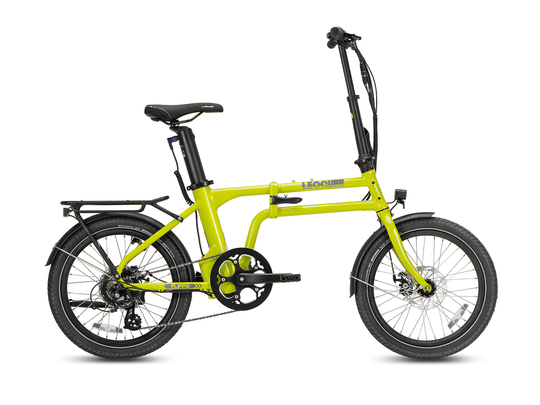
* The Compact Traveler: I need a bike that fits into a small apartment, an RV, or the trunk of a car. Portability and low weight are my top priorities.

Step 2: Match Features
Now, connect your profile to must-have features on ebikes. These are the parts that move from "nice-to-have" to "essential" based on your 80% rule.
- If you're a Daily Commuter in a rainy city, built-in fenders, lights, and hydraulic brakes are essentials, not luxuries.
- If you're a Weekend Explorer in a hilly area, a torque sensor and a battery with at least 600Wh are critical for an enjoyable ride.
- If you're a Utility Hauler, you must prioritize a high payload capacity (350 lbs+) and a motor with high torque (80Nm+) for getting heavy loads moving.
- If you're a Compact Traveler, a proven, easy-to-use folding mechanism and a total weight under 55 lbs are your most important specs.
Step 3: Calculate Your Score
This isn't literal math, but a mental model for weighing your options. The true value of an ebike can be thought of as:
Value = (Build Quality + Essential Features + Ride Feel) / Price
Let's break that down:
* Build Quality: This is your foundation. Look for brands that are clear about their parts (e.g., Shimano, Tektro, KMC). Most importantly, insist on a UL-certified battery and a solid warranty (at least one year).
* Essential Features: This is the list you made in Step 2. A bike is not a good value, no matter how cheap, if it's missing a feature you need for 80% of your rides.
* Ride Feel: This is subjective but crucial. Does the power delivery feel smooth or jerky? Is the riding position comfortable? This is where a test ride becomes invaluable.
A bike with a low price but poor build quality and a jerky ride feel is a low-value purchase. A slightly more expensive bike with excellent build quality, all your essential features, and a smooth, intuitive ride offers far greater long-term value.
De-Mystifying The Spec Sheet
Product pages are filled with jargon. Here are the four key specs that truly impact value and how to read them.
Motor: Hub vs. Mid-Drive
- Hub Motors (Rear Wheel): These are the standard in the value-focused market. They are reliable and cost-effective. The feeling is one of being "pushed," which is powerful and fun. For most commuters and recreational riders, a quality hub motor is more than enough.
- Mid-Drive Motors (At the Pedals): These motors apply power to the chain, using the bike's gears. The feeling is more like natural bicycling, just with superhuman legs. They are better for climbing steep, technical hills but come at a significant price premium.
The value takeaway: For the price, a reputable hub motor with 750W of power and at least 60Nm of torque offers the best performance-to-cost ratio for 90% of riders.
Sensor: Torque vs. Cadence
This is the single biggest factor affecting an ebike's ride feel.
* Cadence Sensor: This is a simple on/off system. As soon as you start turning the pedals, the motor delivers a pre-set level of power. It can feel abrupt and jerky, especially from a standstill. It's the technology found on most sub-$1,200 ebikes.
* Torque Sensor: This is a smarter, more intuitive system. It measures how hard you are pressing on the pedals and delivers a proportional amount of assistance. Pushing gently gives you a little boost; pushing hard gives you a lot. The result is a smooth, seamless, and controlled ride that feels like an extension of your own effort.
The value takeaway: As you enter the value sweet spot ($1,200+), a torque sensor is one of the most significant upgrades you can get. We believe it is worth a small price increase for the massive improvement in ride quality and safety.
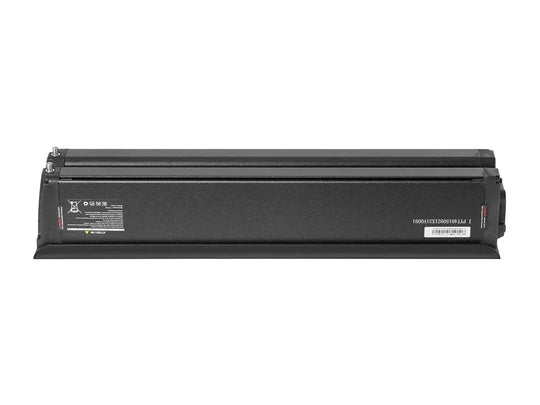
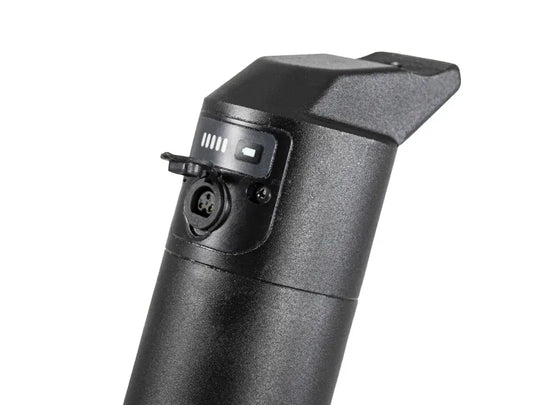
Battery: Volts, Ah, and UL
Don't get lost in the numbers. The only one that truly matters for range is Watt-hours (Wh).
* The Formula: Volts (V) x Amp-hours (Ah) = Watt-hours (Wh).
* Watt-hours (Wh): This is the "size of your gas tank." A bigger number means more range.
For a general-purpose ebike, aim for a battery of at least 500Wh. For longer commutes or heavier bikes, 600-700Wh is a better target. More important than size is safety. Only consider ebikes with batteries certified to UL 2849 or UL 2271. This is a non-negotiable safety standard that ensures the battery system has undergone rigorous testing against fire and electrical hazards, a critical point advocated by industry groups like People for Bikes.
Brakes: Hydraulic vs. Mechanical
Ebikes are heavier and faster than traditional bikes, making stopping power critical.
* Mechanical Disc Brakes: These use a steel cable to pull the brake caliper. They work, but require more hand strength and frequent adjustment.
* Hydraulic Disc Brakes: These use fluid in a sealed line, like a car's brakes. They provide significantly more stopping power with much less effort. The feel is smoother and more consistent.
The value takeaway: On an ebike over 50 lbs, hydraulic brakes are a crucial safety feature. They are a clear indicator of a bike built for value and performance, not just a low price point.
Final Checks Before You Buy
You've used the framework and narrowed down your options. Before you click "buy," complete these final steps.
The Importance of a Test Ride
Specs on a screen can't tell you how a bike feels. The "Ride Feel" part of our value equation is personal. If possible, test ride your top contenders. Does the geometry fit your body? Is the power delivery what you expected? Many direct-to-consumer brands have showrooms or partner with local shops for test rides.
Warranty and Customer Support
A cheap ebike with no support is an expensive paperweight. True value includes peace of mind. Look for a minimum one-year comprehensive warranty. Read reviews specifically about the company's customer service. How do they handle warranty claims? A responsive support team is worth its weight in gold.
Local Shop vs. Direct-to-Consumer
- Direct-to-Consumer (DTC): Brands like Aventon, Ride1Up, and Lectric offer the best specs for the price because they cut out the middleman. The trade-off is that you are typically responsible for final assembly and finding a local mechanic willing to work on your bike.
- Local Bike Shop (LBS): Buying from a local shop gives you professional assembly, a point of contact for service, and the ability to test ride. You pay a premium for this service, but for less mechanically-inclined riders, it can be a worthwhile investment.

The Right Choice for You
Finding the best ebike for the price in 2026 is not about finding the cheapest option. It's about a smart, informed process. By defining your primary use case, identifying your essential features, and understanding what key components deliver real-world benefits, you can cut through the marketing noise.
The perfect bike is waiting for you. It's the one that gets a high score on your personal value equation, empowering you to ride more, drive less, and have more fun. Use this guide, trust your research, and get ready to enjoy the ride.
Frequently Asked Questions
Q: What makes an ebike worth its price?
A: An ebike's value comes from the combination of build quality, essential features for your riding style, and overall ride feel divided by price. Look for UL-certified batteries, reliable components from known brands, and features that match how you'll actually ride 80% of the time.
Q: Should I buy a hub motor or mid-drive motor ebike?
A: For most riders seeking the best ebike for the price, a quality hub motor offers excellent performance-to-cost ratio. Mid-drive motors are better for steep hills and feel more natural, but they cost significantly more. Choose based on your terrain and budget.
Q: How important is a torque sensor versus a cadence sensor?
A: A torque sensor provides a much smoother, more intuitive riding experience compared to the on/off feel of cadence sensors. If your budget allows, a torque sensor is one of the most worthwhile upgrades for ride quality and safety.
Q: What battery size do I need for my ebike?
A: For general use, aim for at least 500Wh. If you have longer commutes or ride a heavier bike, 600-700Wh is better. More important than size is safety certification - only buy ebikes with UL 2849 or UL 2271 certified batteries.
Q: Is it better to buy from a local shop or direct-to-consumer?
A: Direct-to-consumer brands typically offer better specs for the price but require you to handle assembly and find local service. Local bike shops provide professional assembly and ongoing support but at a higher price. Choose based on your mechanical skills and preference for local support.



Leave a comment