




All Terrain Electric Bike For Adults: The Complete 2026 Buying Guide
An all terrain electric bike for adults gives you the ultimate freedom. It's one bike that can handle both city rides and tough weekend trails, serving as your ticket to explore anywhere without limits. But the market confuses buyers with fancy marketing words and complex technical details. What does "all-terrain" really mean for you as a rider?
This guide cuts through the confusion. We will break down the specs that truly matter and give you a clear way to match a bike to your adventure and your needs, helping you move past generic "best of" lists that don't consider your specific situation. By the end of this guide, you will feel confident and knowledgeable enough to buy the perfect e-bike that fits your personal exploration style.
Defining All-Terrain E-Bikes
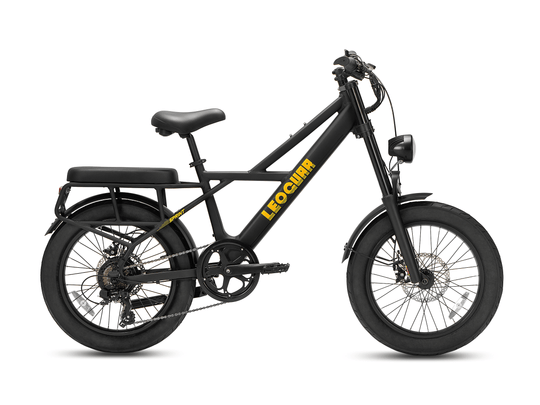
The term "all terrain electric bike for adults" isn't an official industry category. Instead, it describes a bike built with specific features designed for versatility and toughness, representing more than just a commuter ebike with wider tires in 2026. A true all-terrain model is a purpose-built machine based on four essential pillars. Think of these as the must-have foundation for a bike that can handle more than just smooth pavement.
- A Powerful & Torquey Motor: This is the heart of the bike's ability. It gives you the power to climb steep hills without stopping and to speed up confidently on loose surfaces like gravel or dirt, making challenging terrain feel manageable.
- A Durable Battery: When you're exploring trails away from the city, you can't just plug in anywhere. A strong, high-capacity battery is crucial for giving you enough range to get out and back without worry, ensuring your adventures aren't cut short by power loss.
- Robust Suspension & Tires: This is what gives you comfort and control. A quality suspension system absorbs bumps from roots and rocks, while wide, knobby tires keep you stable on everything from wet pavement to muddy paths, making rough terrain rideable.
- A Reinforced Frame & Components: Off-road riding puts much more stress on a bike. A real all-terrain model has a stronger frame, tougher wheels, and parts designed to handle the repeated impacts and vibrations of rougher ground, ensuring reliability when you're far from bike shops.
How these four pillars work together determines a bike's true specialty, whether it's better as a tough commuter or a full trail machine.
Match Bike to Adventure
The most important step in buying is to honestly think about how you plan to ride. The "best all terrain electric bike for adults" doesn't exist because the best bike is the one that perfectly matches your specific needs and goals, not some universal standard. We've broken this down into three common rider types. Find the one that sounds most like you, and you'll have a powerful shortcut to the features you should focus on.
| Rider Profile | Typical Terrain | Key Bike Features to Prioritize |
|---|---|---|
| The Versatile Commuter | Pavement, bike paths, gravel trails, city parks. | Mid-range motor (500W-750W), front suspension (hardtail), versatile tires (2-3" width), rack and fender mounts. |
| The Weekend Trail Explorer | Forest service roads, packed dirt trails, moderate hills. | High-torque motor (750W+, 85Nm+), quality front suspension, knobby tires (3-4" width), reliable hydraulic brakes. |
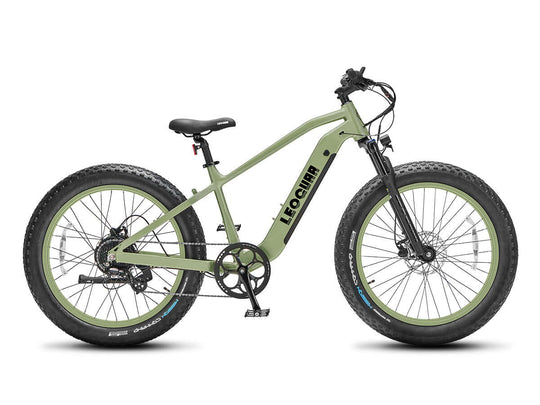
| The Backcountry Adventurer | Steep, rocky, or muddy singletrack; off-grid exploration. | High-torque motor (750W-1000W), full suspension, aggressive fat tires (4"+), large battery (720Wh+), durable drivetrain. |
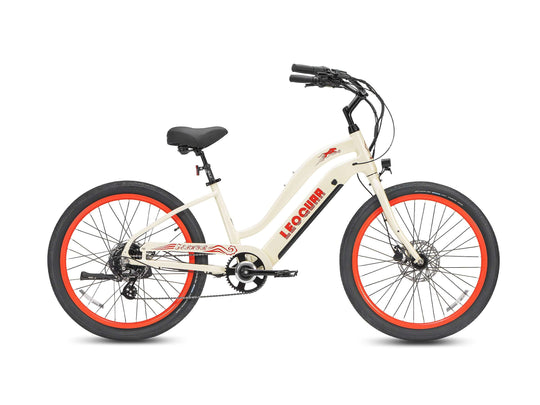
The Versatile Commuter: You need a workhorse that handles daily rides on pavement but is ready for a quick detour through a park or down a gravel path on weekends. Your priority is usefulness, so a mid-range motor offers plenty of power for city hills while front suspension provides comfort without the weight and upkeep of a full-suspension system. You'll want mounts for racks and fenders to carry gear and stay dry, making your bike practical for daily use.
The Weekend Trail Explorer: Your weekdays are for work, but your weekends are for the woods. You need a bike that feels alive on dirt roads and moderate trails, requiring more capability than a commuter but not full backcountry specs. A high-torque motor is essential for powering up rolling hills and making climbs feel fun, not exhausting. A quality front suspension fork with at least 100mm of travel will absorb impacts and improve control, while knobby, wider tires will give you the grip you need when the terrain gets loose.
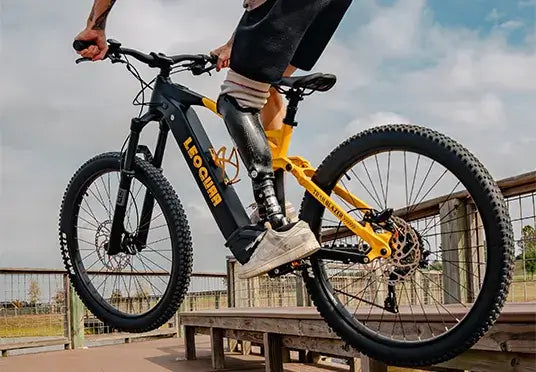
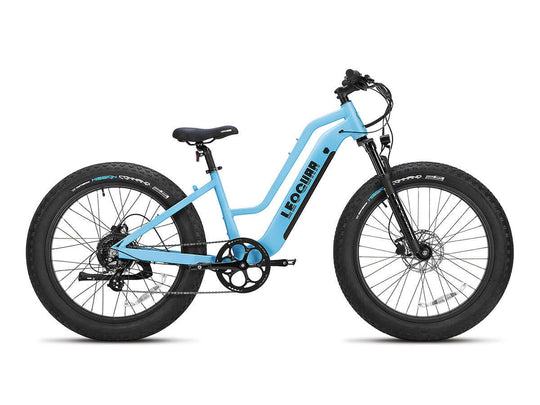
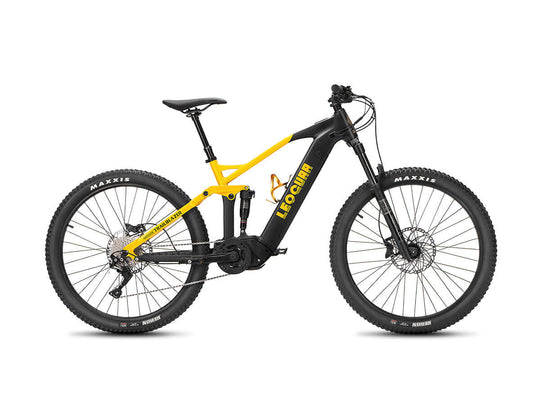
The Backcountry Adventurer: You see a trail on a map and your first thought is, "I want to ride that." Your rides take you far from paved roads and cell service, where capability is everything and compromise isn't an option. A high-torque, powerful motor (often 1000W) is a must for conquering steep, technical climbs. Full suspension is required, providing the traction and comfort needed to navigate rocks, roots, and drops safely and confidently. Large-capacity batteries (720Wh or more) provide the range for all-day adventures, and aggressive fat tires (4 inches or wider) offer maximum grip in mud, sand, or snow.
Core Components Decoded
Reading a spec sheet can feel like learning a foreign language. Manufacturers love to throw big numbers around, but which ones actually affect your ride experience? Here's a simple breakdown of the core parts and what you really need to know.
Motor: Wattage vs. Torque
This is the most common point of confusion. Think of it this way:
* Watts (W): This is like horsepower. It relates to the bike's speed and how well it can maintain that speed, affecting your top performance and sustained power output.
* Torque (Nm): This is like towing power. It's the rotational force that gets you moving from a standstill and, most importantly, powers you up steep hills, making the difference between struggling and cruising on climbs. For true all-terrain riding, a motor with 85Nm of torque or more is the key benchmark for 2026 models that need to tackle serious climbs. A high-wattage motor with low torque will feel weak on hills, leaving you disappointed when you need power most.
Battery: It's All About Watt-Hours
Don't get focused on Volts (V) or Amp-hours (Ah) alone. The most important number is Watt-hours (Wh), which you get by multiplying Volts by Amp-hours (V x Ah = Wh), giving you the true measure of your battery's capacity. This is your "gas tank," and a bigger number means more range. Be realistic about range estimates though, as a 720Wh battery might get you 30 miles on hilly terrain using high pedal assist, but it could last over 60 miles on flat ground with low assist. Your weight, the terrain, and how much you ask of the motor are the biggest factors affecting actual range.
Suspension: Hardtail vs. Full Suspension
Hardtail: This means the bike has suspension in the front fork but a rigid rear.
- Pros: Lighter, less expensive, easier to maintain, more efficient on smooth surfaces.
- Cons: Less comfortable and offers less traction on very rough, bumpy terrain.
- Best for: Versatile Commuters and some Weekend Trail Explorers.
Full Suspension: The bike has suspension in both the front fork and the rear frame.
- Pros: Superior comfort, control, and traction on rough trails. Keeps the rear wheel planted on the ground for better climbing and braking, improving safety and performance.
- Cons: Heavier, more expensive, and requires more maintenance.
- Best for: Backcountry Adventurers and serious Trail Explorers.
Brakes: Why Hydraulic is Non-Negotiable
All-terrain electric bikes are heavier and faster than traditional bikes. This means they need more stopping power to be safe and controllable in all conditions. There are two main types of disc brakes: mechanical and hydraulic, with mechanical brakes using a steel cable while hydraulic brakes use fluid in a sealed line. For any serious all terrain electric bike for adults, hydraulic disc brakes are a must. They offer much more stopping power, better control (finer modulation), and are more reliable with less frequent adjustment needed, keeping you safe when speeds and stakes are higher.
Real-World Trade-Offs
Expertise isn't just knowing the specs; it's understanding the compromises. Every design choice involves a trade-off, and being aware of them will help you make a smarter, more practical decision that you'll be happy with long-term.
The Weight vs. Power Dilemma
A 1000W motor with a massive 960Wh battery sounds incredible, and for pure hill-climbing ability, it truly is impressive. But that power comes with a significant penalty: weight, as these bikes often weigh 70, 80, or even 90+ pounds (32-41+ kg). Before you commit to a 1000W beast, be honest about where you'll store it, how you'll transport it, and if you'll ever need to lift it. Sometimes, a more nimble 750W, 65-pound bike is the more practical and enjoyable choice for daily use.
The Legal Maze: E-Bike Classes
Understanding e-bike classifications is critical for trail access. In the U.S., e-bikes are typically put into three classes:
* Class 1: Pedal-assist only (the motor works only when you pedal), with a maximum assisted speed of 20 mph.
* Class 2: Has a throttle (motor power on demand without pedaling) and is limited to 20 mph for both pedal-assist and throttle.
* Class 3: Pedal-assist only, with a maximum assisted speed of 28 mph. Some may have a throttle that cuts out at 20 mph.
This is crucial because many state parks, national forests, and local trail systems have specific rules about which classes are allowed. Class 1 e-bikes generally have the widest access to mountain bike trails, making them the safest choice for trail riders. Always check the rules for your local trails before you ride to avoid fines or conflicts with land managers.
Essential Gear and Maintenance
Your investment doesn't stop with the bike. To ride safely and keep your bike in top condition, a few extra items and habits are essential for long-term enjoyment and safety.
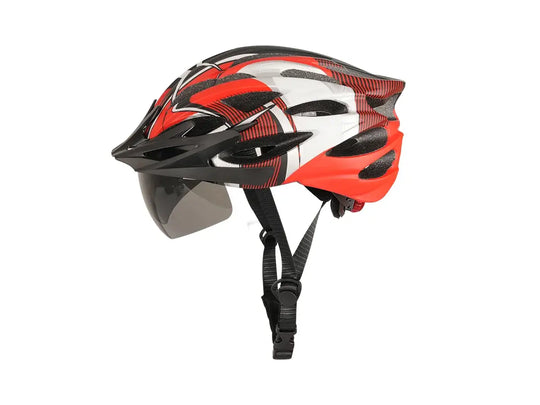
Safety Gear: A high-quality, certified helmet is required for safe riding. Given the higher speeds and rougher terrain, consider a helmet with extended rear coverage for better protection, while padded gloves will improve grip and reduce hand fatigue on longer rides. Eye protection will shield you from sun, wind, and debris, making your rides more comfortable and safe.
Basic Maintenance: You don't need to be a master mechanic, but a few simple checks will dramatically extend the life of your bike. Before every ride, check your electric bike tire pressure since proper inflation prevents flats and improves handling significantly. Regularly clean and lubricate your chain to ensure smooth shifting and prevent wear that leads to expensive repairs. Finally, check your brake pads for wear regularly to ensure you always have maximum stopping power when you need it most.

Your Adventure Awaits
Choosing a best all terrain electric bike for adults is about finding a tool that unlocks new experiences. By moving beyond the marketing and focusing on your personal rider profile, you can confidently select a bike that feels like it was built just for you, matching your specific needs and riding style perfectly. Use the framework in this guide—identify your profile, prioritize the key features, and understand the real-world trade-offs. This is your roadmap to investing not just in a piece of equipment, but in countless future adventures that will expand your world and bring you joy for years to come.
Frequently Asked Questions
Q: What's the difference between an all-terrain e-bike and a regular electric bike?
A: An all-terrain e-bike has stronger components designed for varied surfaces. It typically features a more powerful motor with higher torque, wider knobby tires for better grip, suspension for comfort on rough ground, and a reinforced frame to handle the stress of off-road riding.
Q: How far can I ride on a single charge with an all-terrain e-bike?
A: Range depends on battery capacity (measured in Wh), terrain, your weight, and assist level. A 720Wh battery might give you 30-40 miles on hilly terrain with high assist, or 60+ miles on flat ground with low assist. Always check the manufacturer's range estimates for realistic expectations.
Q: Do I need a license or registration for an all-terrain e-bike?
A: In most U.S. states, Class 1 and Class 2 e-bikes (limited to 20 mph) don't require licenses or registration. Class 3 e-bikes (up to 28 mph) may have different rules depending on your state. Always check your local laws before riding.
Q: Can I ride an all-terrain e-bike on mountain bike trails?
A: It depends on the trail rules and your e-bike's classification. Many trails allow Class 1 e-bikes (pedal-assist only, 20 mph max) but restrict or ban Class 2 (throttle) and Class 3 (28 mph) models. Always check trail regulations before riding.
Q: How much should I expect to spend on a quality all-terrain e-bike?
A: Quality all-terrain e-bikes typically range from $2,000-$5,000+. Entry-level models around $2,000-$3,000 work well for commuters and casual trail riders, while serious off-road models with full suspension and premium components often cost $4,000-$6,000 or more.



Leave a comment