



Ebike Headlight Guide 2026: Brightness, Voltage and Night-Ride Safety
Quick Answer: What’s the Best Headlight for Your Ebike?
The best ebike headlight depends on where and when you ride. For urban commuting, a 36V 40-lumen light like the Leoguar LED 40 offers solid visibility. For trail riding, opt for a 48V light with 1000+ lumens like the NiteRider Lumina Dual 1800. Make sure your headlight matches your bike’s voltage and riding needs.
Why a Good Ebike Headlight Matters
Safety First in Night Riding

Understanding Ebike Headlight Basics
Key Components and Features
| Brightness | Where to Use | Light Pattern |
| Low (<100) | City streets | Narrow beam |
| Medium (100-500) | Mix of city and trails | Mixed beam |
| High (>500) | Dark trails and roads | Wide beam |

Upgrading Your Ebike Headlight
Types of Headlight Systems
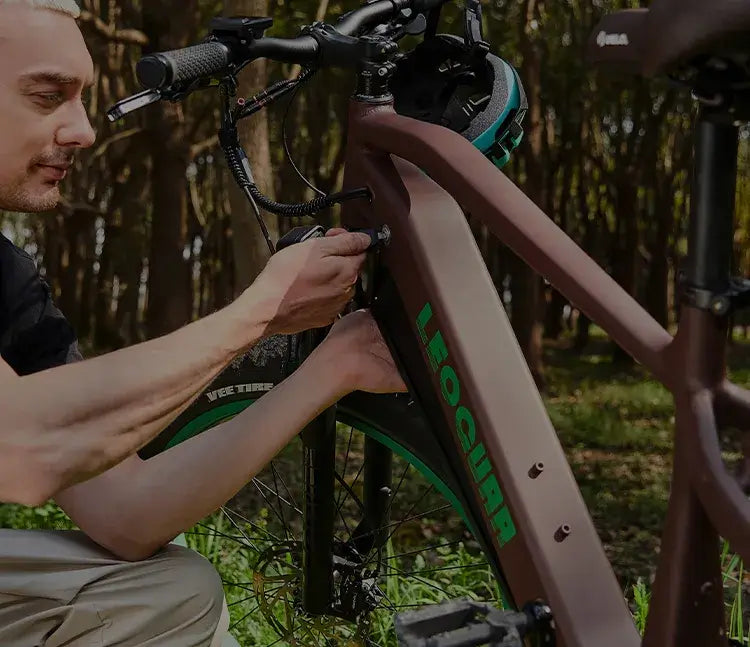
Installing an Ebike Headlight
Step-by-Step Installation Process
-
Remove Old Light Take off your old headlight if you have one. Take a quick picture of how everything's connected before you start - this helps later.
-
Mount New Light Put your new ebike headlight where you want it on the bike frame. Make it sit flat and tight, but don't squeeze the screws too hard or they might break.
-
Connect the Wires Look for the positive and negative wires from your LED light for ebike. Join them to your bike's power wires, making sure they match up right - red to red, black to black. The connection needs to be solid.
-
Check Everything Put your battery back in and turn on the light. It should shine steady and bright without any blinking or dimming. Point the beam where you need it most.
-
Fix Common Problems If your light isn't working right, check these things:
-
Make sure the battery's connected properly
-
Look for loose wires
-
Check if all connections are tight
-
Test the voltage if you have a meter
-
Add a Tail Light Think about adding an ebike tail light too. Having both front and back lights keeps you visible from all directions.
Matching Voltage: 12V, 24V, 36V, or 48V?
Choosing the correct voltage for your ebike headlight is critical. Most electric bikes run on 36V or 48V systems. Using a mismatched light can cause flickering, reduced brightness, or even damage. Always check your ebike’s power system (usually labeled on the battery or controller) before purchasing a headlight.
Maintaining and Fixing Your Ebike Headlight
Basic Care and Cleaning
Checking the Wires
Battery Care
Fixing Common Problems
Getting Professional Help
Keeping Track
Advanced Ebike Lighting: Beyond the Basics
Smart Features
Best Ebike Lights for Night Riding
| Model | Lumens | Voltage | Best For |
|---|---|---|---|
| Leoguar LED 40 | 40 | 36V | Urban commuting |
| NiteRider Lumina Dual 1800 | 1800 | 48V | Trail & night riding |
| Cygolite Metro Pro 1100 | 1100 | 36V / 48V | Mixed use (city + trail) |
FAQs
-
What brightness level do I need for an ebike headlight?
For city riding, 100 lumens is sufficient, while dark trails require 500+ lumens. Choose based on your primary riding environment. -
Are integrated or aftermarket ebike headlights better?
Integrated lights offer seamless design but less flexibility, while aftermarket lights provide more customization options and features. -
How do I properly install an ebike headlight?
Disconnect the battery, mount the light securely, connect matching wires, and test the connection before final installation. -
What voltage should my ebike headlight match?
Your headlight must match your ebike’s voltage system (12V, 24V, 36V, or 48V) to prevent damage and ensure proper function. -
How often should I maintain my ebike headlight?
Clean the lens monthly, check wiring connections every few months, and inspect for water damage after riding in wet conditions.


Leave a comment