

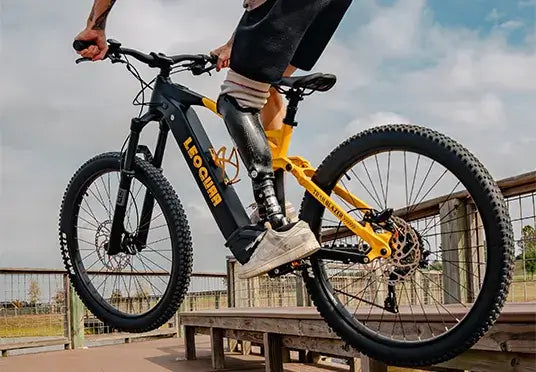


Fat Tire vs Commuter Ebike: Which One Fits Your Ride Best?
Choosing between a rugged fat tire ebike and a sleek commuter model is tough. The debate over fat tire vs commuter ebike comes up all the time when riders want to buy their first electric bike. This choice is about more than just looks. You need to think about your daily routes, where you'll store the bike, and what matters most to you when riding. This guide breaks down the real differences to help you pick the right bike for your life, covering practical things like cost, upkeep, and daily use.
For those who want a straight answer, here's what you need to know. The choice between a fat tire vs commuter ebike depends on how you'll use it most. Choose a commuter ebike if you want speed, efficiency, and lighter weight for daily rides on paved roads. Choose a fat tire ebike if you need maximum stability, all-terrain ability, and a cushioned ride, especially on rough surfaces.
There's no single "better" ebike-only the right ebike for your needs. In the commuter vs fat tire ebike comparison, your terrain and lifestyle make the final decision.

Defining the Difference
The main difference between a fat tire and commuter ebike is what they're made for. This affects every design choice from start to finish. A commuter ebike is built for efficiency and quick handling on pavement, while a fat tire ebike focuses on stability and handling different types of tough terrain. This split affects frame design, weight, geometry, and how the bike feels to ride. Knowing this helps you see past the basic features and understand what each bike really offers.
Tire Width and Contact
The biggest difference you'll notice is tire width. Fat tires are usually 4.0 inches or wider, while commuter tires are between 1.75 and 2.5 inches. This huge difference means an electric bike fat tire creates a larger contact patch at lower pressures, letting it "float" over soft surfaces like sand and snow and grip loose gravel really well. A narrower commuter tire has a smaller contact patch and runs at higher pressure, cutting down rolling resistance on pavement for a faster, more efficient ride.
Frame Style and Purpose
Fat tire ebike frames are built to be stronger, often using thicker tubing and a more relaxed geometry. This design focuses on stability and strength to handle off-road riding stress and support the heavy wheels. Commuter ebike frames focus on being light and agile. They often have a more forward-leaning riding position for better aerodynamics and nimble handling in city traffic. Features like built-in racks, fenders, and step-through frames are common, making daily use easier.
Weight, Geometry, and Feel
These parts combine to create two very different riding experiences. A fat tire ebike, with its heavy frame and big tires, feels "planted" and super stable. It gives you confidence but is slower to speed up and takes more effort to turn. A commuter ebike feels nimble and responsive. Its lighter weight and agile geometry make it easy to speed up from a stoplight and weave through city obstacles, but it gives less cushioning and can feel less stable on broken pavement or loose surfaces.
Fat Tire Ebike Pros & Cons
- Better traction on loose terrain: The huge 4.0"+ tires give amazing grip on sand, snow, gravel, and muddy trails where a commuter bike would struggle or sink.
- More stable and cushioned ride: The large air volume in the tires works like passive suspension, smoothing out bumps, potholes, and rough surfaces for a comfortable, "floating" feel.
- Heavier weight and slower handling: These bikes are heavy, often weighing 70-90+ lbs. This makes them hard to lift and results in slower, more careful steering that's less suited for tight city maneuvering.
- More rolling resistance and lower efficiency: The wide, soft tires create a lot of friction on pavement, which needs more effort from both the rider and the motor, leading to shorter ebike battery range.

Commuter Ebike Pros & Cons
- Faster and more efficient on pavement: With narrower, higher-pressure tires and a lighter frame, these bikes have less rolling resistance, making them quicker to speed up and easier to keep at speed.
- Easier to store and live with: Usually weighing 45-65 lbs, they're much easier to carry up stairs, lift onto a car rack, and store in an apartment or garage.
- Less capable on rough trails: The narrower tires offer less grip and cushioning on unpaved surfaces. They're not made for sand, snow, or technical off-road trails.
- Harsher ride on broken roads: While many have suspension, the smaller tire volume lets more road vibration through, which can feel harsh on poorly maintained city streets.
| Fat Tire Ebike | Commuter Ebike | |
|---|---|---|
| Best For | Sand, snow, gravel, rough roads | Pavement, city streets, daily commute |
| Strength | Stability, traction, cushioning | Speed, range, storage, efficiency |
| Trade-off | Heavy, less efficient | Less capable off-road |
| Feel | Planted and cushioned | Nimble and responsive |
Comfort Comparison
The idea of "comfort" is personal and depends a lot on where you ride. It's a common myth that fat tire ebikes are always more comfortable. They offer a different type of comfort, and understanding this difference is key to making the right choice.
How Tire Width Changes Feel
A fat tire ebike gives amazing "cushioning comfort." When you ride over cracked pavement, small potholes, or a gravel path, the large, low-pressure tires absorb the impact, creating a feeling of gliding over rough spots. You feel protected from the harshness of the road. On a commuter bike, even one with a suspension fork, more of that high-frequency vibration from the road surface comes through the handlebars and seat. This isn't necessarily uncomfortable, but it's a different, more connected-to-the-road feel.
Suspension vs. Tire Cushioning
Many high-quality commuter ebikes use active suspension, like a front fork or a suspension seatpost, to handle bumps. This works really well at softening bigger hits, like dropping off a curb. A fat tire ebike relies mainly on the passive suspension of its tire volume. The advantage of active suspension is that you can adjust it and it's more effective on bigger impacts, while the advantage of tire cushioning is its simplicity and effectiveness on constant, low-grade roughness.
Comfort on Long Commutes
This is where the definition of comfort changes. For a long, paved commute, the "comfort" of efficiency often wins. A lighter, more efficient commuter ebike needs less physical effort to pedal and less power from the battery. This means you get to your destination less tired and with more battery left. The constant effort needed to push a heavy fat tire bike on pavement can be more tiring over distance, even if the ride itself feels softer.
Speed and Handling
When we talk about speed, it's not just about the legal top-assisted speed (often 20 or 28 mph). It's about "perceived quickness"-how fast the bike feels when speeding up, climbing, and cornering. Here, the two bike styles are worlds apart.
Why Commuter Ebikes Feel Quicker
On pavement, a commuter ebike is clearly more efficient. Several factors add to this: lower overall weight, a more aerodynamic riding position, and most importantly, less rolling resistance from the narrower tires. This means it takes less energy to get up to speed and to keep it. They feel zippy and responsive, speeding up quickly from a stop and making it easy to keep pace with city traffic.
Why Fat Tires Trade Speed for Stability
A fat tire ebike trades raw speed for rock-solid stability. The wide, heavy tires have a big gyroscopic effect, which means they want to stay upright and travel in a straight line. This makes the bike feel incredibly planted and secure, especially at lower speeds or on uneven ground. However, that same stability means it's less willing to change direction quickly, feeling more careful than nimble.

How Steering and Cornering Differ
The difference in handling is huge. A commuter ebike feels "nimble" and "responsive." You can lean it into corners and it carves a clean, predictable arc. Steering is direct and needs minimal input. A fat tire ebike, by contrast, has "careful" handling. It needs more body movement to start a turn, and you tend to steer it more with the handlebars, leaning less aggressively. It feels less like carving and more like guiding.
Battery Range and Efficiency
One of the most important questions in the fat tire ebike vs commuter ebike debate is about battery life. The answer is clear: yes, all else being equal, fat tire ebikes use more power and have a shorter range on pavement.
Rolling Resistance and Energy Use
The main problem is the ebike tire rolling resistance. The large contact patch and soft, bendable rubber of a fat tire create more friction with the road. Pushing that extra rubber needs more energy. On paved surfaces, a fat tire ebike can need 20-30% more energy to keep the same speed as a commuter ebike with a similar motor and battery. This means the motor has to work harder, and the battery drains faster.
Real-World Range Scenarios
Understanding real-world e-bike range is about context.
- Pavement Scenario: On a 20-mile paved commute with rolling hills, a commuter ebike might use 40% of its 500Wh battery. The same ride on a fat tire ebike might use 60-65% of the same battery.
- Off-Road Scenario: On a 10-mile sandy beach trail, the fat tire ebike would be in its element and might use 50% of its battery. A commuter ebike would be nearly impossible to ride, and trying to force it through the sand would drain its battery almost right away.
Why Commuter Ebikes Go Farther
Commuter ebikes always offer better range on pavement for three simple reasons:
1. Lower Weight: Less mass to move needs less energy.
2. Higher Tire Pressure: Harder tires bend less, reducing friction.
3. Less Rolling Resistance: A smaller contact patch creates less drag.
For riders who want to go as far as possible per charge for daily commuting, a commuter ebike is the clear winner.
Weight, Storage, and Portability
The "hassle factor" of owning an ebike is often overlooked but really important. An ebike you can't easily lift or store is an ebike you'll use less often. In this practical comparison, commuter ebikes have a big advantage.
| E-Bike Type | Typical Weight Range |
|---|---|
| Commuter Ebike | 45 - 65 lbs (20 - 29 kg) |
| Fat Tire Ebike | 65 - 90+ lbs (29 - 41+ kg) |
Lifting and Transporting
As the table shows, commuter ebikes are much lighter. This makes a world of difference when you need to lift the bike onto a car rack, carry it over a curb, or load it into public transport. A 20-pound weight difference is immediately noticeable and can be the deciding factor between taking your bike or leaving it at home.
Apartment Living and Stairs
Here, the real-world experience is everything. We've heard from many first-time buyers who regret buying a heavy fat tire ebike while living in a walk-up apartment. Carrying a 75-pound, bulky ebike up and down several flights of stairs is physically demanding work that quickly ruins the joy of riding. A lighter, sleeker commuter model is far more manageable for apartment dwellers.

Car Racks and Garages
The sheer bulk of a fat tire ebike creates other challenges. The wide tires often need special, more expensive car racks made to fit them. In a garage or shed, their wider handlebars and frame take up a surprising amount of space compared to a more compact commuter bike.
Maintenance and Costs
The first purchase price is only part of the story. The long-term cost of ownership, especially for tires, is a key difference in the fat tire vs commuter ebike maintenance discussion.
Tire Wear on Pavement
Many fat tires are made with soft, knobby rubber compounds designed for grip on loose terrain. When used mainly on rough surfaces like asphalt and concrete, this soft rubber wears down really quickly. A daily commuter on a fat tire ebike might find they need to replace their rear tire once a year, or even more often.
Replacement Cost and Availability
This is a double problem for fat tire owners. Not only do the tires wear faster on pavement, but they're also more expensive to replace. A single quality fat tire can cost $80-$150 or more. In contrast, a durable, high-quality commuter tire typically costs $40-$70. Also, standard commuter tire sizes (like 700c or 27.5") are easy to find at almost any local bike shop, whereas specific fat tire sizes may need to be special-ordered.
Easier Long-Term Maintenance
For the average rider, a commuter ebike is generally cheaper and easier to maintain. The use of standard, widely available parts-from tires and tubes to brake pads and chains-means parts are less expensive and easier to find. This availability reduces downtime and overall running costs.
Best Terrain for Each Ebike
| Terrain Type | Commuter Ebike | Fat Tire Ebike |
|---|---|---|
| City Streets & Bike Lanes | Excellent. Nimble, efficient, and fast. Perfect for its intended environment. | Good. Comfortable and stable, but feels slow, heavy, and inefficient. Overkill for smooth pavement. |
| Gravel Roads & Park Paths | Good. Handles well-packed gravel and dirt paths, but can feel harsh. Suspension is a major plus here. | Excellent. Soaks up bumps and provides superior grip and confidence on loose or washboard surfaces. |
| Snow, Sand, & Rough Trails | Poor. Unrideable in deep snow or sand. Lacks the grip and float needed for truly rough, unmaintained trails. | Excellent. This is where the bike shines. It floats over soft surfaces and maintains traction where other bikes fail. |
| Mixed-Use Daily Riding | Very Good. If your ride is >80% pavement with some light gravel, this is the most efficient and practical choice. | Good. If your daily ride includes significant unpaved sections, or you ride year-round in snow, the versatility can be worth the trade-offs. |
Who Should Choose a Fat Tire Ebike?
Riders on Rough or Loose Terrain
If your daily route involves poorly maintained roads, gravel paths, dirt trails, or you want a bike for year-round use in snowy climates, a fat tire ebike is the obvious choice. Its abilities open up terrain that's off-limits to other bikes.
Riders Who Want Max Stability
For those who feel unsteady on a traditional bike or simply want a feeling of ultimate security, the planted, stable nature of a fat tire ebike is a huge confidence booster. This also makes it a great option for heavier riders.
Riders Who Care Less About Weight
If you have a garage for storage, don't need to lift your bike often, and are more concerned with comfort and ability than top-end efficiency, the drawbacks of a fat tire ebike's weight and rolling resistance are less of a concern.
Who Should Choose a Commuter Ebike?
Daily Commuters on Pavement
If your main goal is getting from A to B on city streets and bike paths, a commuter ebike is the right tool for the job. It's faster, more efficient, and needs less effort, making your daily ride more enjoyable and sustainable.
Riders Needing Better Range
For those with long commutes or who want to minimize charging frequency, the superior efficiency of a commuter ebike is a major advantage. You'll simply go farther on every charge.
Apartment Dwellers and Urbanites
If you have limited storage space or need to carry your bike up stairs, the lighter weight and smaller profile of a commuter ebike make it much easier to live with on a day-to-day basis.
How to Choose
The best way to decide in the fat tire or commuter ebike debate is to be honest about your needs.
- Choose a fat tire ebike if your ride regularly includes unpaved surfaces, you ride in sand or snow, or you value maximum cushioned comfort and stability above all else.
- Choose a commuter ebike if your rides are 80% or more on pavement, you have a long commute, you need to lift or carry your bike, and you value efficiency and agile handling.

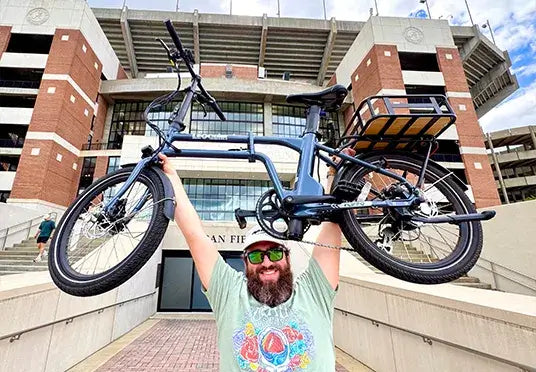
If you are comparing Leoguar models directly, think of it this way: choose the Leoguar Flippo folding ebike if your top priorities are commuting, folding storage, apartment living, and efficient pavement riding. Its compact folding frame, 20" tires, and commuter-friendly design make it easier to store indoors, load into a car, or use for daily city errands. For riders who spend most of their time on paved streets and want an ebike that feels practical in tight urban spaces, Flippo fits the commuter ebike side of this comparison.
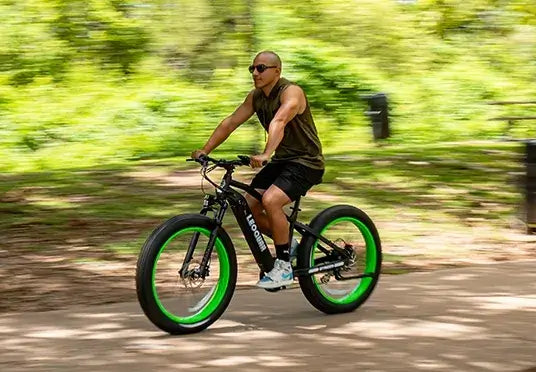
Choose the Leoguar Fastron fat tire ebike if your top priorities are traction, comfort, stability, and the ability to ride beyond smooth city streets. Its 26" x 4.0" fat tires, powerful motor support, and rugged frame are better suited for gravel roads, rough pavement, sand, snow, and mixed terrain. It is not as compact as a folding commuter ebike, but for riders who want a more planted, cushioned, and all-terrain ride, Fastron fits the fat tire ebike category better.
The most important advice we can give is this: Choose based on where you ride most, not what looks tougher. Buying a bike for the 5% of riding you might do instead of the 95% you will do is a common mistake that leads to regret.
Final Verdict
So, in the showdown of fat tire vs commuter ebike, which makes more sense for most riders?
For most people looking for an ebike for transportation, fitness, and fun on mostly paved surfaces, the commuter ebike is the more logical and practical choice. It's more efficient, lighter, cheaper to maintain, and easier to live with day-to-day. It's the specialized tool perfectly suited for the urban and suburban environment.
However, this doesn't make the fat tire ebike a niche product. For riders in rural areas, those who face harsh winters, or anyone whose idea of a good ride involves leaving the pavement behind, the fat tire ebike offers a level of ability and fun that's simply unmatched. It's a master of versatility and the ultimate choice for adventure.
FAQ
Are fat tire ebikes good for commuting?
They can be, especially if your commute includes rough roads or unpaved sections. However, on smooth pavement, they are less efficient, slower, and heavier than a dedicated commuter ebike.
Do fat tire ebikes have less range?
Yes, on paved surfaces, the higher rolling resistance of fat tires causes them to use more battery power, resulting in a shorter range compared to a commuter ebike with the same size battery.
Is a commuter ebike better for city riding?
Absolutely. Its lighter weight, agile handling, and greater efficiency make it the ideal choice for navigating paved city streets, bike lanes, and urban traffic.
Are fat tire ebikes harder to pedal?
Without electric assist, yes, they are significantly harder to pedal on pavement due to their weight and tire friction. With electric assist, the motor compensates, but it uses more battery power to do so.
Which ebike is better for snow, sand, or gravel?
The fat tire ebike is unequivocally better for snow, sand, and loose gravel. Its wide tires provide the necessary float and traction to ride confidently on these challenging surfaces.


Leave a comment