











Electric Bike vs Car: Is an Ebike Really Worth It in the USA?
With rising gas prices and growing traffic congestion, many Americans are asking a simple but increasingly common question: electric bike vs car — which one actually makes more sense for everyday life?
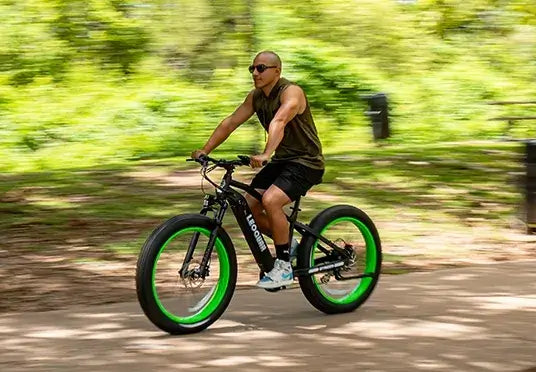
In recent years, the ebike (electric bike) has emerged as a practical alternative for commuting, errands, and short-distance transportation. Rather than replacing cars entirely, electric bikes are changing how people think about daily travel. In this guide, we break down the real costs, convenience, health, and lifestyle differences to help you decide whether an electric bike is truly worth it.
Electric Bike vs Car: Cost Comparison
Upfront Cost
A new car in the United States often costs tens of thousands of dollars before insurance, registration, and taxes are even considered. In comparison, a quality electric bike typically costs a fraction of that amount while still offering reliable transportation for daily commuting and local trips.
Daily and Long-Term Expenses
Beyond the initial purchase, the cost gap continues to widen over time. Electric bike ownership eliminates many of the recurring expenses associated with driving:
- No gas expenses
- Minimal maintenance costs
- Lower insurance requirements or none at all
- No parking fees in most urban and suburban areas
According to transportation research summarized by PeopleForBikes , cycling—including ebikes—can save riders thousands of dollars per year compared to car ownership, especially for short and medium-distance travel.

Electric Bike Commuting: Convenience and Efficiency
For short to medium distances, an ebike is often just as fast—or faster—than driving, particularly in urban and suburban environments. Traffic delays, parking searches, and congestion have far less impact on electric bike commutes.
Daily riders benefit from several practical advantages:
- Avoiding traffic congestion during peak hours
- Using bike lanes and multi-use paths unavailable to cars
- Arriving without excessive sweat thanks to adjustable pedal assist
Together, these factors make electric bikes an efficient solution for commuting, errands, and everyday mobility rather than a niche alternative.
Health and Lifestyle Benefits
While cars encourage a sedentary routine, electric bikes naturally introduce movement into daily life. Riders control how much assistance they use, allowing ebikes to support a wide range of fitness levels—from beginners to older riders and those returning to cycling after time away.
Health experts, including Bicycling Magazine , often highlight ebikes as a low-impact way to stay active, especially for people who struggle to maintain consistent exercise habits.
Environmental Impact: Ebike vs Car
From an environmental perspective, the difference is significant. An electric bike produces zero direct emissions and requires far less energy to operate than a car. Choosing an ebike for short trips helps reduce overall carbon footprints while easing congestion in crowded cities.
Is an Ebike Worth It for Most Americans?
For many U.S. riders, the answer is yes—particularly if you fall into one or more of the following categories:
- Commute under 15–20 miles per day
- Want to reduce transportation costs
- Prefer flexible, stress-free travel options
- Value health, sustainability, and time efficiency
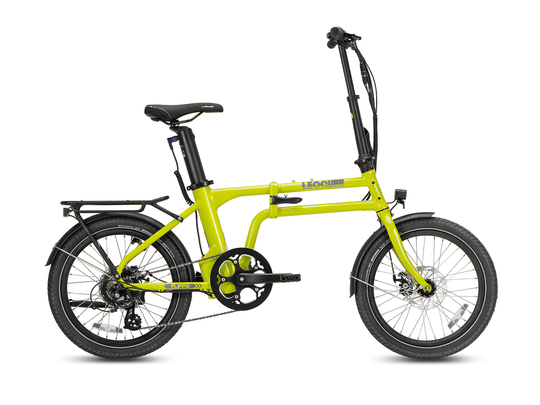
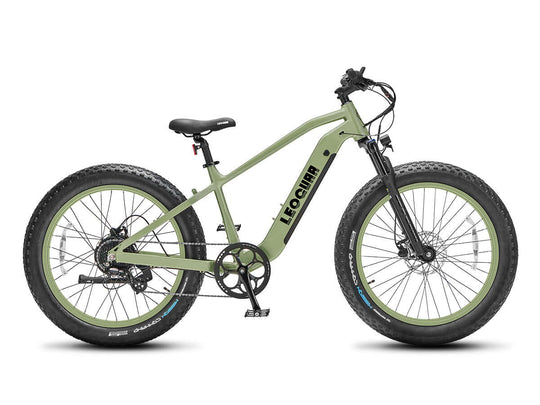
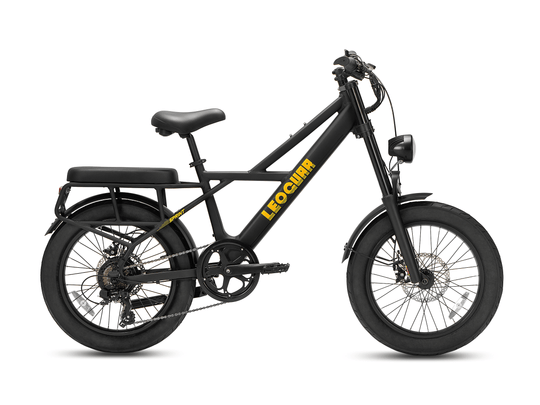
If you’re considering making the switch, exploring reliable, everyday-ready options is the best place to start: Explore Leoguar Electric Bikes .
Why Leoguar Electric Bikes Are a Smart Choice
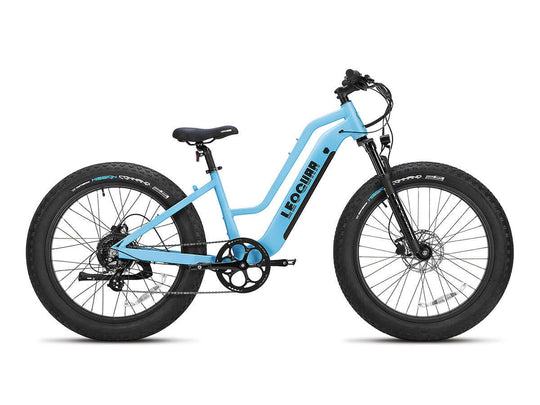
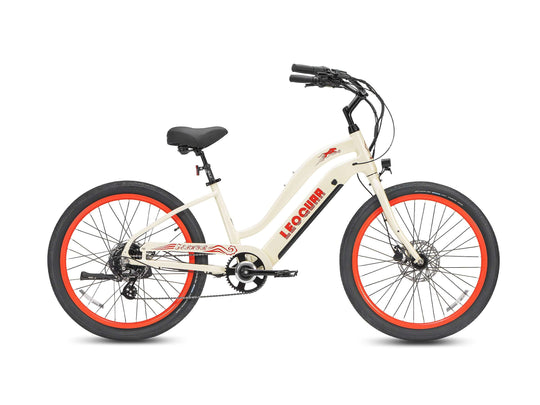
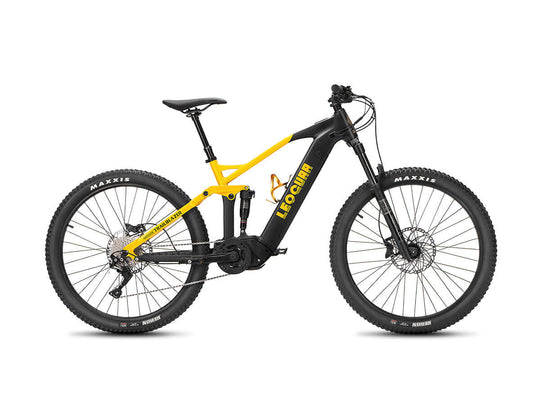
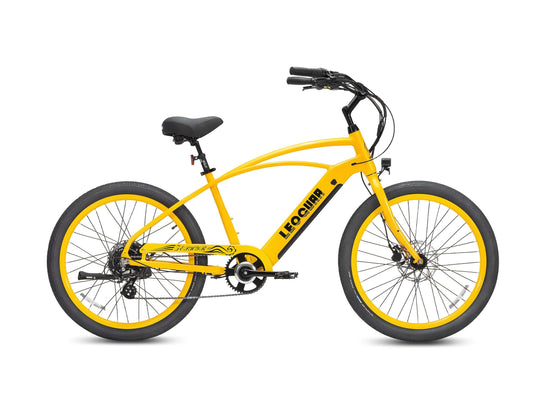
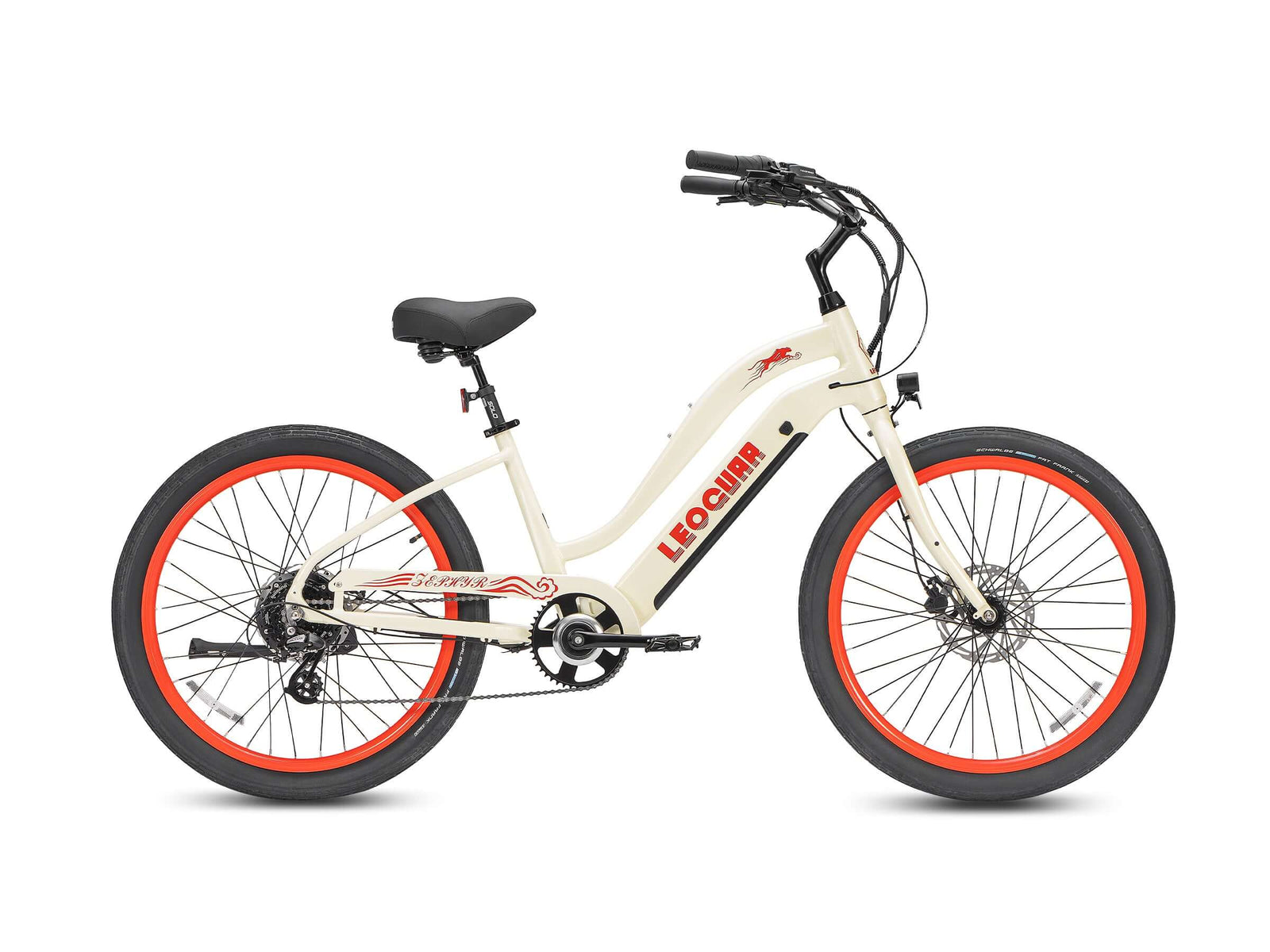
Leoguar ebikes are designed for real American riding conditions, balancing comfort, dependable performance, and value. They’re built for daily commuting, casual riding, and the kind of everyday use where reliability matters more than flashy features.
Ready to experience the benefits for yourself? Find your ideal electric bike here: Shop Leoguar Ebikes .



Leave a comment